What the Ø108 Mining Idler Is
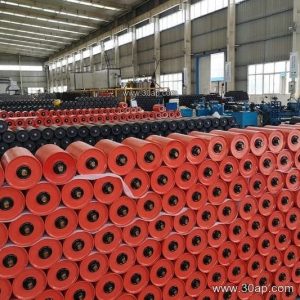
The Ø108 mining idler is a carrying or return roller with a nominal shell diameter of 108 mm, built for heavy conveyor systems in mines, quarries, coal preparation plants, and similar bulk handling sites. It supports the conveyor belt, keeps it tracking along the frame, and reduces friction between the belt and the structure. In many layouts the Ø108 size sits in the middle of the common idler range, so it can serve medium to wide belts without the bulk of larger rollers.
Buyers often meet this component as a 108mm conveyor idler roller or a 108 diameter idler. The exact name changes between suppliers, but the product is the same: a steel or polymer-shell roller with sealed bearings, mounted in a frame or bracket set under or over the belt.
How a 108mm Idler Roller Is Built
A typical unit has a tube shell, bearing housings at each end, a shaft, and a sealing arrangement. The shell may be plain steel, nylon-coated, ceramic-covered, or fitted with rubber rings for impact absorption. Bearing sizes commonly include 6204, 6205, 6305, 6306, 6308, and 6310, but the correct match depends on load, speed, and shaft design rather than on the 108 mm diameter alone.
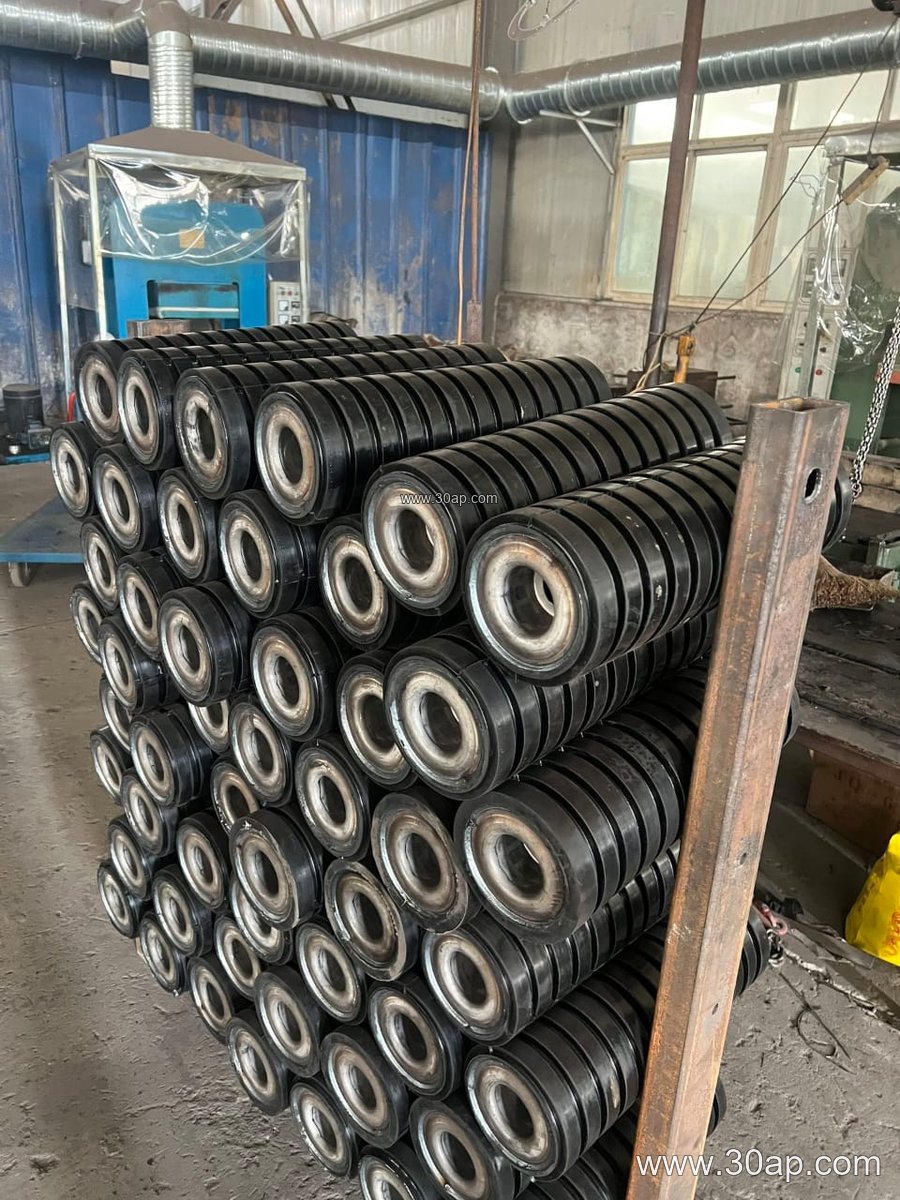
- Shell: steel tube, often machined for balance
- Bearing: deep-groove ball bearing in a sealed housing
- Seal: labyrinth or contact seal to keep out dust and water
- Shaft: fixed or rotating depending on the frame design
- Surface: plain, rubber ring, ceramic, or nylon as needed
Sealing quality matters in dusty conditions. A well-sealed Ø108 mining idler can run longer between regreasing or replacement intervals, especially on lines carrying abrasive ore or coal.
Where It Fits on the Conveyor
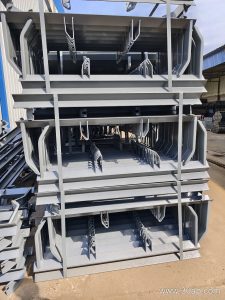
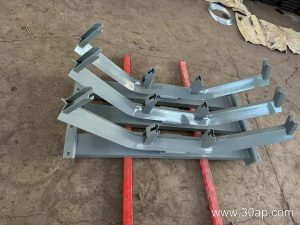
The Ø108 roller is used in troughing sets, return runs, and transition zones. A three-roll troughing set with 20, 30, 35, or 45 degree trough angles is common on bulk lines. Roll length usually follows belt width and frame geometry; for example, a B800 belt may use roughly 315 mm rolls in a three-roll set, while a B1000 line may use about 380 mm. These are typical references, not fixed rules, and side rolls can differ from the center roll.
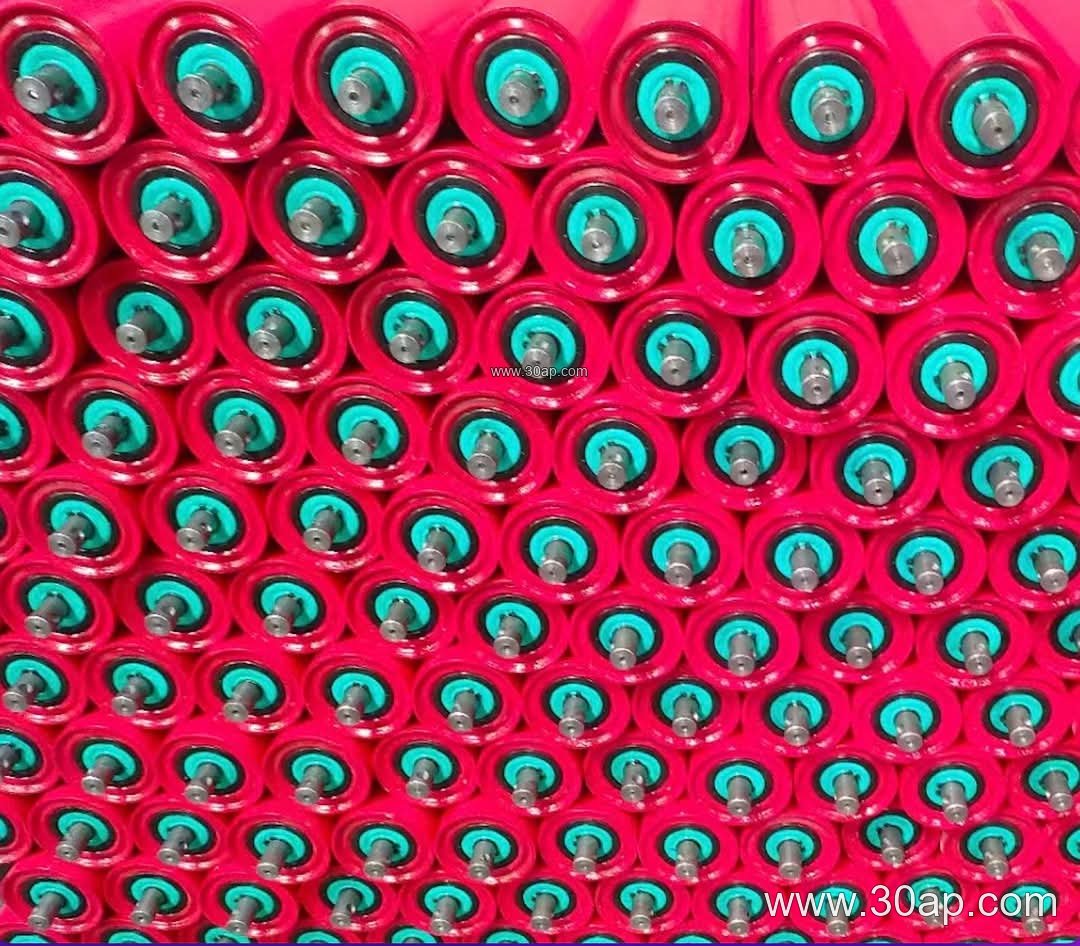
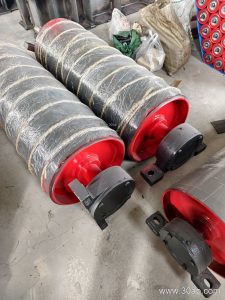
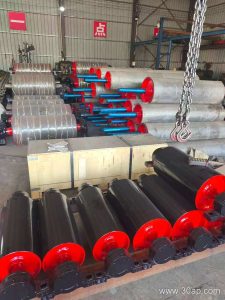
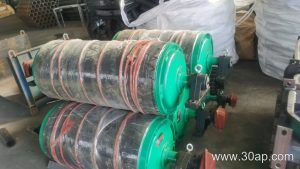
On a quarry conveyor belt or a coal mining conveyor belt, the idler works together with the conveyor pulley, conveyor bracket, and frame. It is not a substitute for a drive pulley, tail pulley, or bend pulley, which serve different functions at the head, tail, and direction changes of the system.
Applications Across Bulk Handling
Users install the Ø108 mining idler in limestone mines, iron ore plants, coal washing plants, aggregate lines, and cement works. It also appears in power plant coal handling, port loading systems, and crushing and screening circuits. The roller must suit the belt and the material: a heavy-duty mining conveyor belt carrying sharp rock calls for a robust shell and good seals, while a smoother bulk material conveyor belt may allow a lighter build.
In dusty or wet tunnels, an underground mining conveyor belt may need extra protection against fine particles. In cold regions, a cold resistant conveyor belt paired with properly sealed rollers helps avoid stiffness problems. Where oil or heat is present, an oil resistant conveyor belt or heat resistant conveyor belt may be used, but the idler selection still focuses on load, speed, and environment.
Specification and Selection Notes
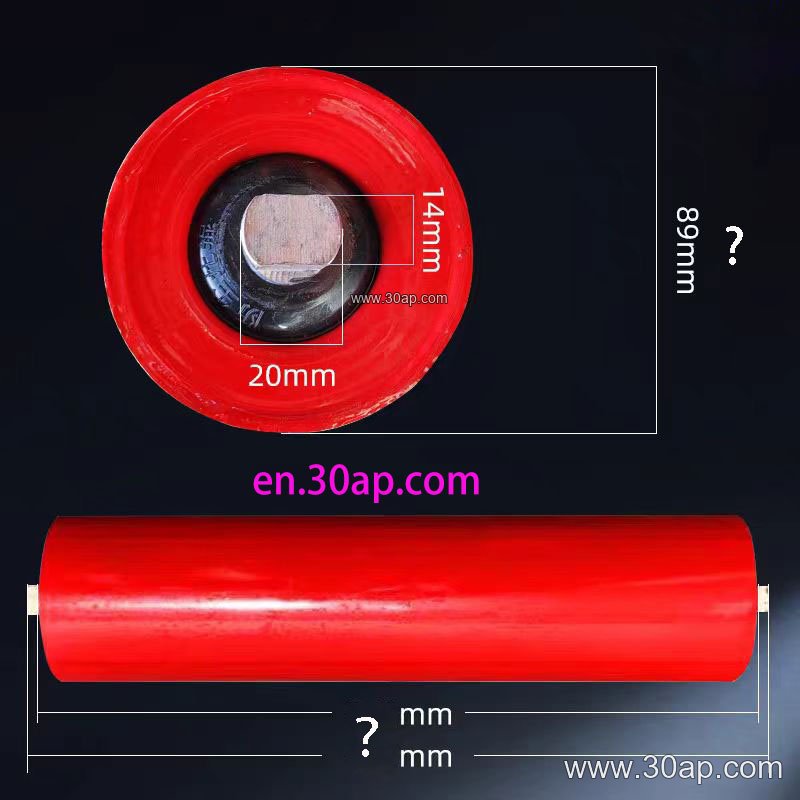
The table below gives common reference values for the Ø108 size. Always confirm the final dimensions with the conveyor design, because belt width, trough angle, and frame type change the roll length and mounting details.
| Parameter | Common Reference |
|---|---|
| Nominal diameter | 108 mm |
| Belt width examples | B650, B800, B1000, B1200, B1400 |
| Trough angle | 20°, 30°, 35°, 45° |
| Roll length example | About 250 mm for B650, 315 mm for B800, 380 mm for B1000, 465 mm for B1200 |
| Bearing options | 6204, 6205, 6305, 6306, 6308, 6310 |
| Surface forms | Steel, nylon, ceramic, rubber ring |
For a transition zone, a transition idler may be used to ease the belt from flat to troughed. For impact areas, a rubber ring impact idler is often preferred. A self-aligning idler can help with belt tracking, but it should be chosen for the specific misalignment problem rather than as a universal fix.
What Buyers Should Check
Before ordering, confirm the belt width, trough angle, frame hole spacing, and required roll length. Ask about bearing type, seal design, and shell thickness. Verify that the roller will fit the existing conveyor bracket and that the shaft ends match the frame slots. For abrasive service, consider a high abrasion resistant conveyor belt in combination with wear-resistant roller surfaces.
Do not assume that one belt width matches only one pulley diameter, or that a single shaft size follows from belt width alone. The Ø108 mining idler is one part of a system that includes the belt, pulleys, brackets, and frame. Matching all of these correctly matters more than any single number.