What a Four-Roll Idler Bracket Does
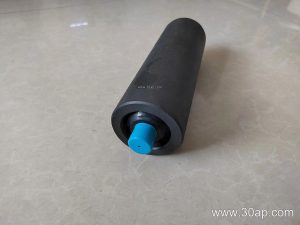
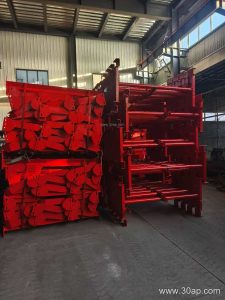
A Four-Roll Idler Bracket is the steel support assembly that holds four idler rollers under the loaded side of a conveyor belt. Instead of the familiar three-roller trough, this bracket arranges the rolls to form a deeper, more controlled trough profile, which helps contain material on wide belts and on lines that carry uneven or heavy loads. The bracket itself does not move; it positions the idler rollers so the conveyor belt runs smoothly and keeps its shape between the head and tail of the system.
The same product is also called a four-roller idler bracket or a four-roll troughing bracket. These names describe the same component, and buyers will see them used interchangeably in catalogs and drawings.
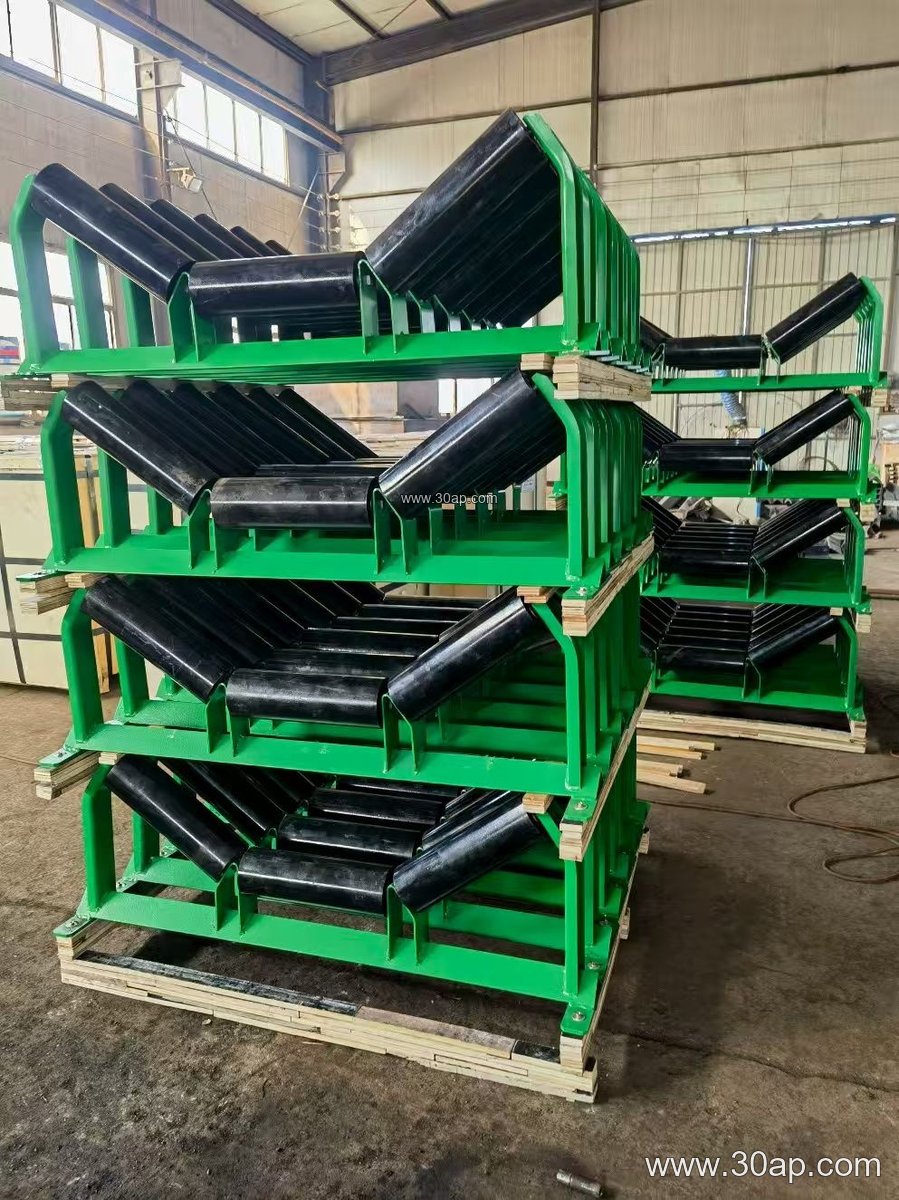
How the Bracket Is Built
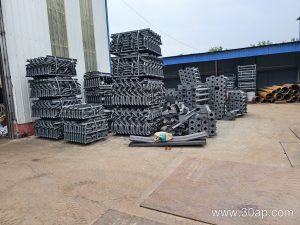
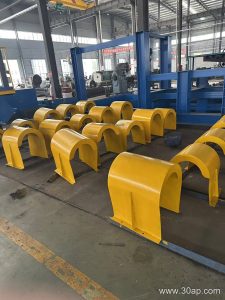
Most four-roll brackets are fabricated from angle steel, channel steel, or folded steel plate. The frame includes a base that bolts to the conveyor stringer, angled seats for each idler roller, and often a central mounting point for the two middle rolls. Welded gussets add stiffness where the load is highest.
- Frame material: angle steel, channel steel, or bent plate
- Roll seats: fixed or adjustable, depending on design
- Finish: painted or galvanized, chosen for the site environment
- Mounting: bolt holes matched to the conveyor stringer spacing
Because the four rolls share the load, each idler roller carries less weight than in a comparable three-roll arrangement. That can extend roller life on heavy-duty mining conveyor belt lines, but the bracket must be strong enough to keep the rolls aligned under shock loads from crusher discharge or coarse ore.
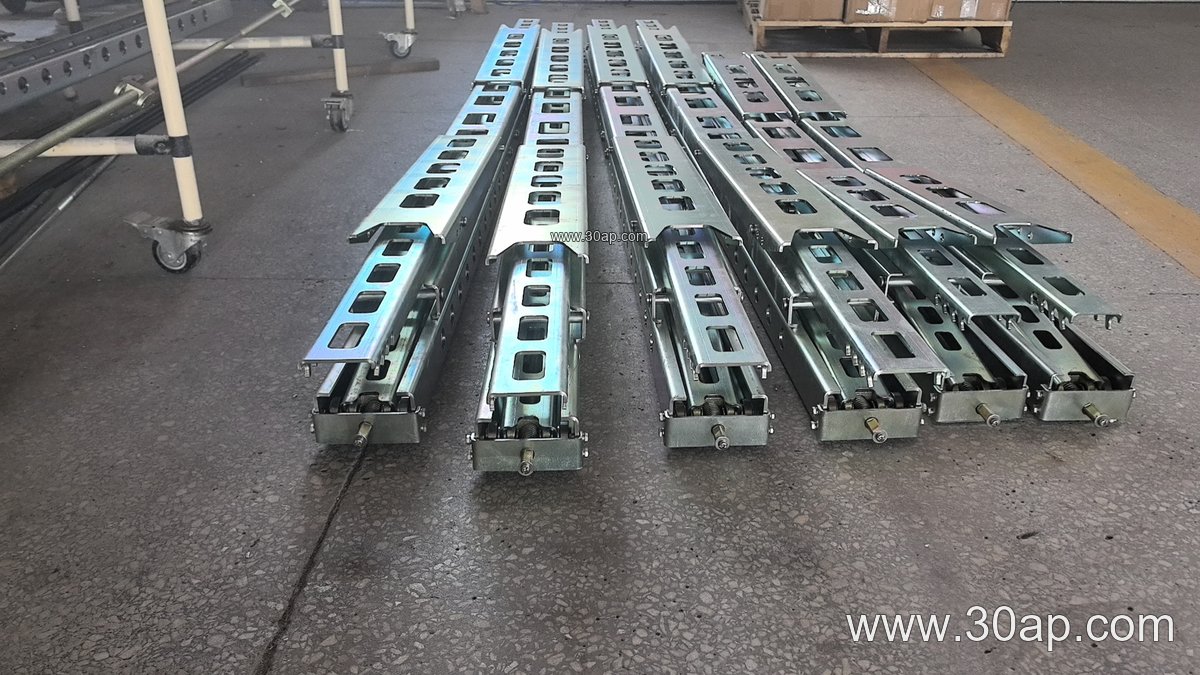
Where Four-Roll Brackets Are Used
These brackets appear where belt width and material load make a standard trough insufficient. In a limestone quarry, a four-roll bracket can support a wide belt carrying run-of-mine rock after primary crushing. In a coal preparation plant or a power plant coal yard, the deeper trough helps keep coal centered on the belt, especially on curves and transfer points. Cement plants also use them on clinker and raw material lines where dust and abrasion are constant.
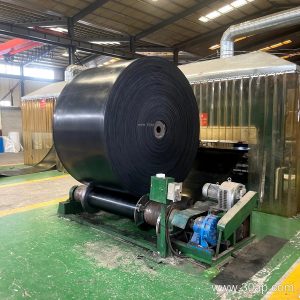
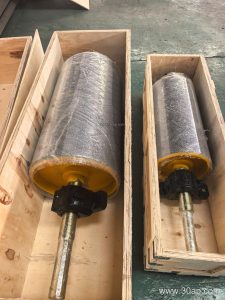
They are usually paired with abrasion resistant conveyor belt, EP conveyor belt, or steel cord conveyor belt, depending on tension and impact. A four-roll bracket is not a replacement for a bend pulley or a drive pulley; those components handle belt direction and power transmission, while the bracket only supports the carrying run.
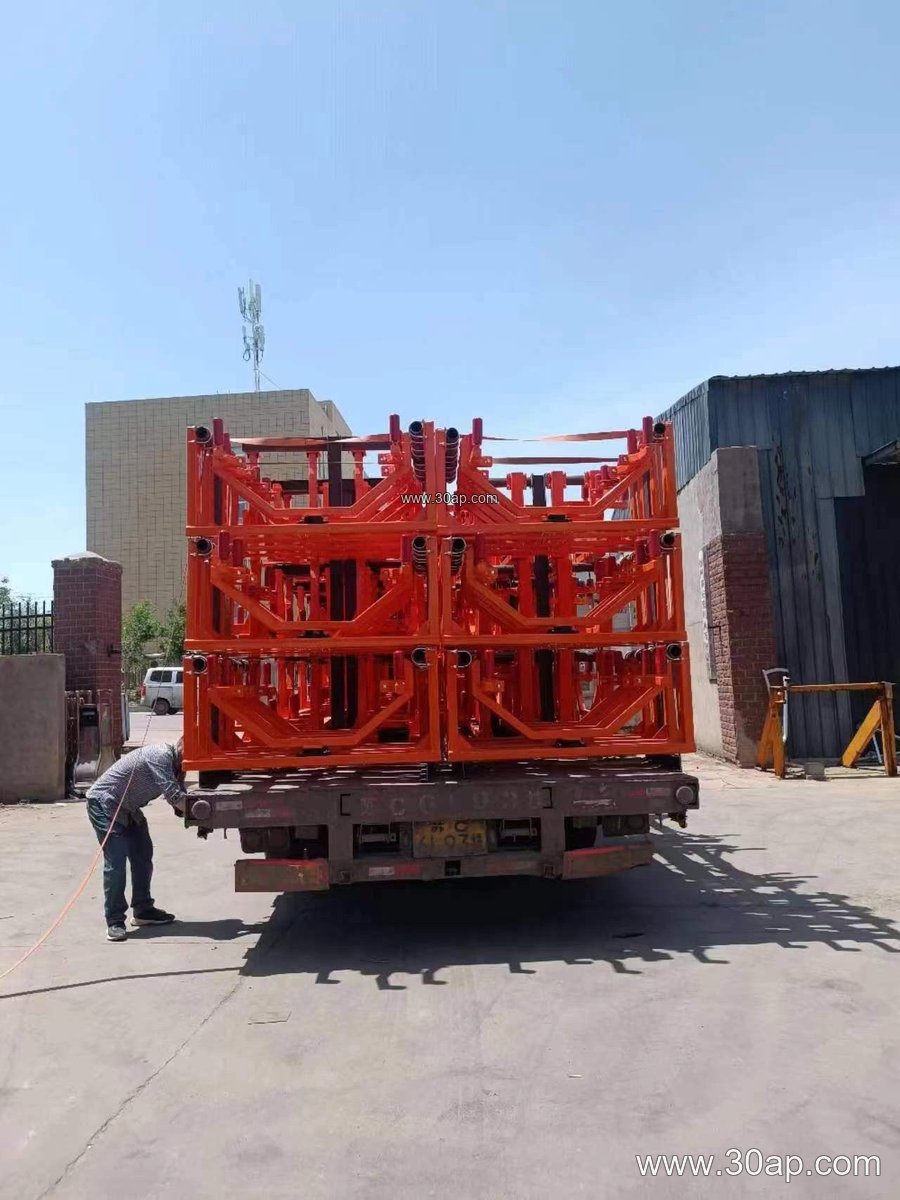
Matching Bracket, Belt Width, and Roll Diameter
Selection starts with belt width, trough angle, and idler roller diameter. The table below shows common reference combinations; actual mounting hole spacing and crossbeam length are determined by design, not fixed values.
| Belt width | Trough angle | Idler roller diameter | Typical use |
|---|---|---|---|
| B800 | 30 degrees | Ø89 | Aggregate and sand lines |
| B1000 | 35 degrees | Ø108 | Cement and coal handling |
| B1200 | 45 degrees | Ø133 | Iron ore and heavy bulk material |
| B1400 | 35 degrees | Ø159 | Power plant coal conveyors |
| B1600 | 45 degrees | Ø194 | Large quarry and port systems |
A wider belt does not automatically require one specific trough angle or roller size. The combination depends on material characteristics, belt speed, and the transition distance from the tail pulley. Adjustable brackets allow the trough angle to be set between common values such as 20, 30, 35, and 45 degrees during installation.
Buyer Checklist
- Confirm belt width and the required trough angle before ordering.
- Check the idler roller diameter and shaft end type that the bracket seats accept.
- Ask whether the bracket is fixed or adjustable, since adjustment affects installation time.
- Match the frame finish to the site: dusty cement plants, wet coal yards, and coastal ports have different needs.
- Verify bolt hole spacing against the existing conveyor stringer.
- Consider roller spacing and bracket quantity per section, not just the bracket itself.
For a reliable result, treat the Four-Roll Idler Bracket as part of a system that includes the conveyor belt, idler rollers, and pulleys. A bracket that fits the stringer and holds the rolls at the right angle will keep the belt tracking well and reduce spillage on demanding bulk material lines.