What the Trough Idler Bracket Set Does
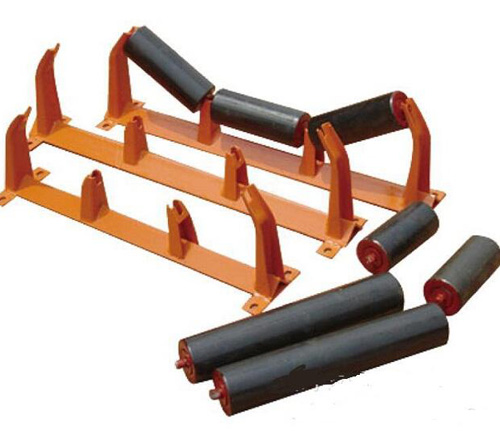
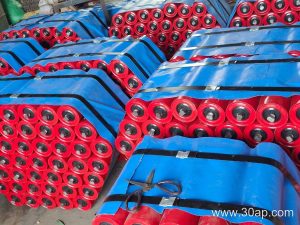
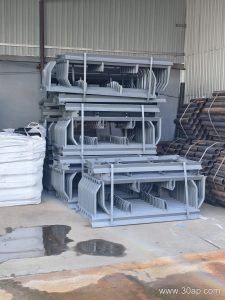
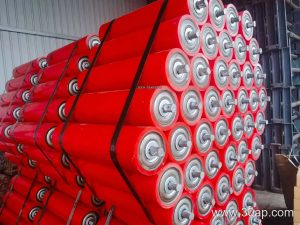
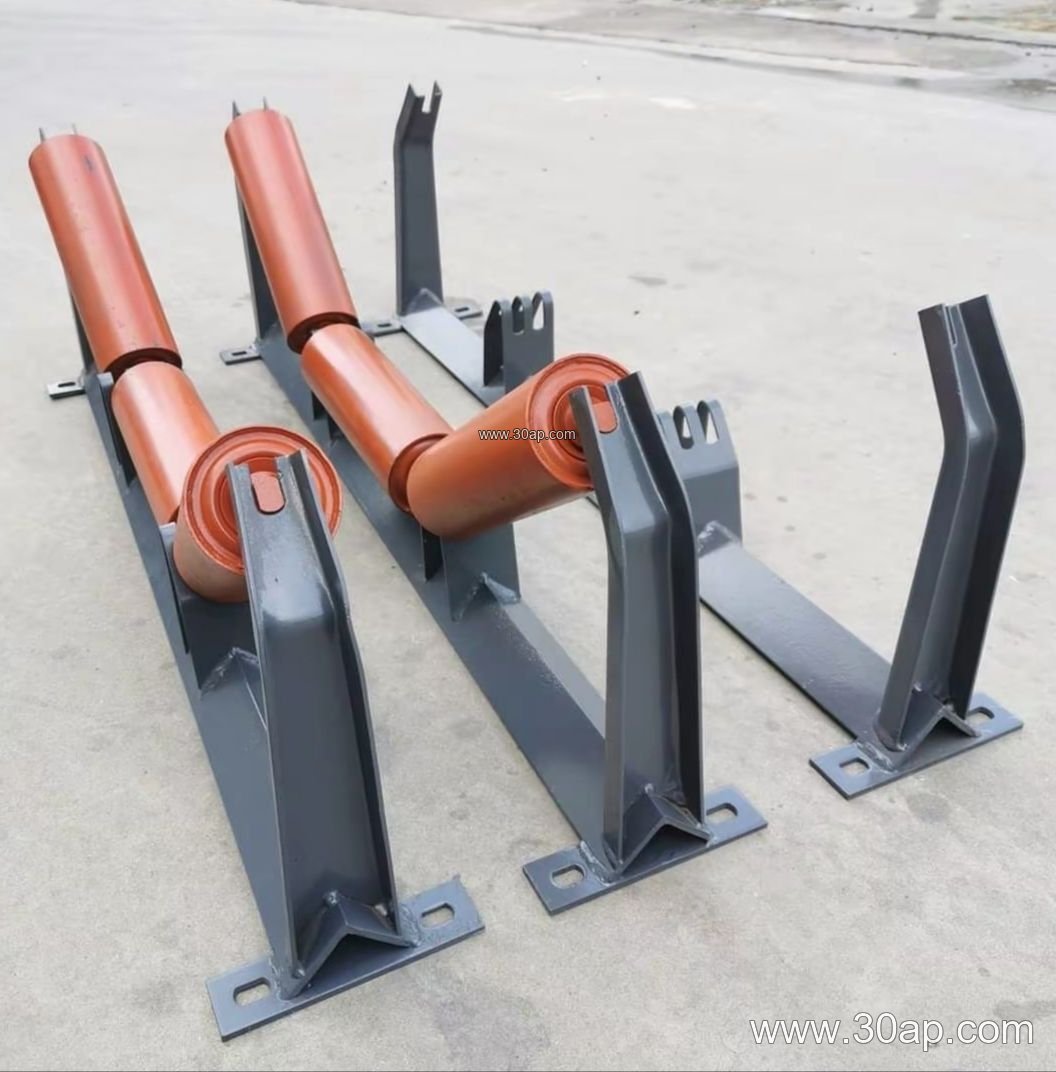
A trough idler bracket set is the steel frame that holds the carrying-side idler rollers in a troughed profile under a conveyor belt. Each set usually includes the base crossbeam and the angled supports that position the centre roller horizontally and the two side rollers at an incline, so bulk material stays centred on the belt. Buyers in quarries, coal preparation plants, cement works, power station coal yards and crushing circuits treat this bracket set as a wear item, because it carries the load of the belt plus the material and must keep the trough angle stable over years of service.
The same item is often called a troughing idler bracket set or carrying idler frame set. Those names describe the same assembly; they are not a different product. A trough bracket set should not be confused with a return bracket, a transition bracket or a self-aligning frame, which sit in different positions along the conveyor.
How the Set Is Built
Most frames are fabricated from angle steel, channel steel or folded steel plate, then drilled or punched for the idler shaft ends. Welded seams and hole positions determine whether the rollers sit at the correct height and whether the trough angle stays true after installation. A typical set is supplied as a matched pair of side brackets plus a crossbeam, with slots or multiple hole positions on adjustable versions.
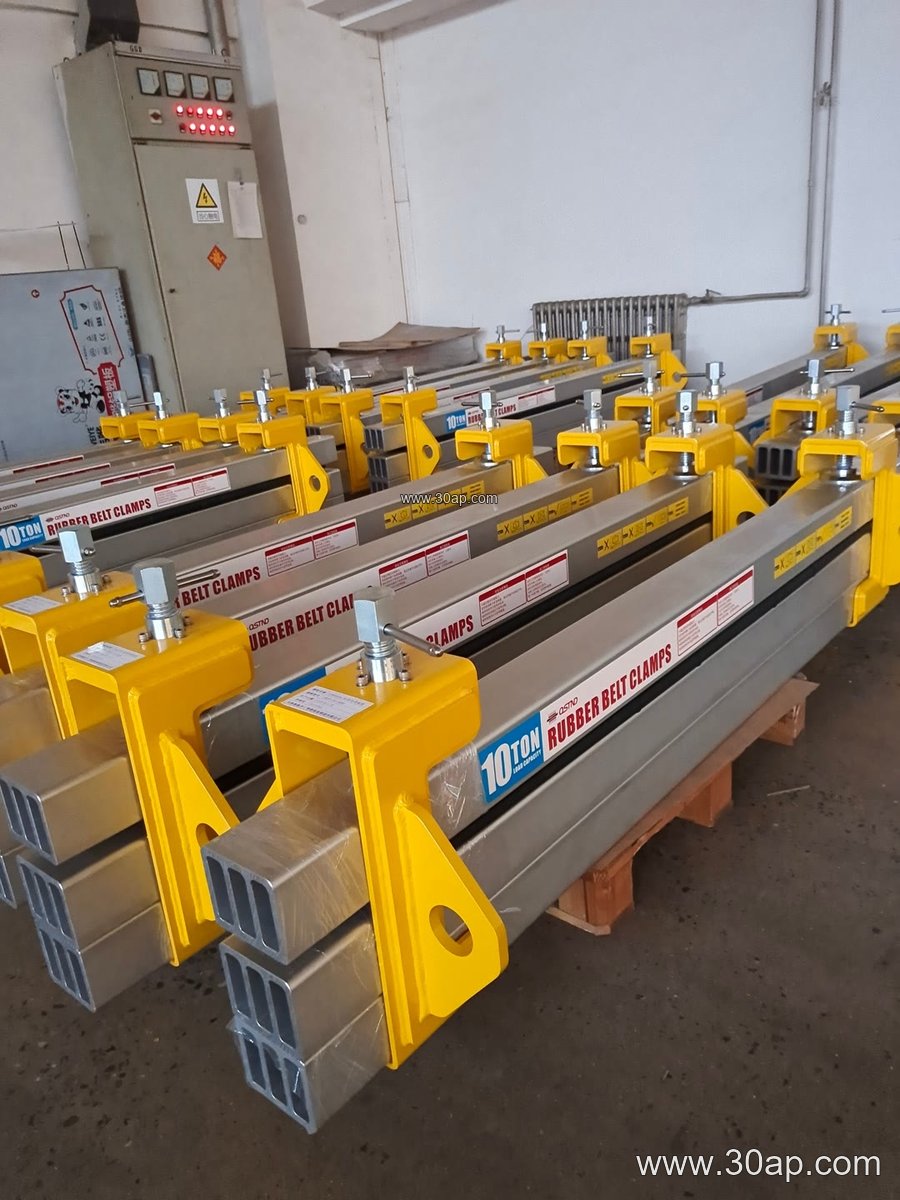
Common materials are plain carbon steel with a painted finish; galvanised or hot-dip galvanised versions are chosen where humidity or washdown is a concern. The bracket should be rigid enough that the roller seats do not spread under load, because spread seats let the side rollers drop and flatten the trough profile.
Matching the Bracket to Belt Width and Trough Angle
Bracket sets are ordered against belt width, trough angle and roller diameter, and these three values work together rather than in a fixed one-to-one pattern. A B800 belt may run at 30 degrees or 35 degrees, and the same width can use different roller diameters depending on load and speed. The table below shows common reference combinations only; actual hole spacing and crossbeam length are determined by the conveyor design.
- B500 with 20 or 30 degrees, often around Ø89 rollers
- B650 with 30 degrees, commonly Ø89 or Ø108
- B800 with 35 degrees, frequently Ø108
- B1000 with 35 or 45 degrees, often Ø133
- B1200 with 35 or 45 degrees, typically Ø133 or Ø159
- B1400 and B1600 with 35 or 45 degrees, often Ø159
- B1800 to B2200 with 35 or 45 degrees, commonly Ø159 or Ø194
Adjustable bracket sets allow the trough angle to be changed between positions such as 20, 30, 35 and 45 degrees, which helps where belt loading changes seasonally. Fixed sets are simpler and cheaper but must be ordered for one angle. Forward-leaning frames, usually tilted about 1.5 to 2 degrees, are a separate design used for training the belt, not a substitute for a standard trough set.
Where These Frames Are Used
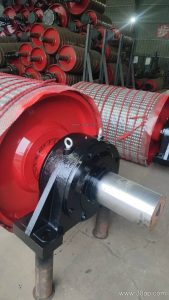
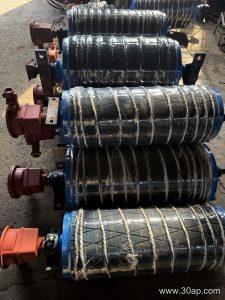
In a limestone quarry or a sand and aggregate line, trough idler bracket sets support the belt through the loading zone and along the main transfer runs, working alongside the conveyor pulley at the head and tail. In a power plant coal yard, the same frames carry a heavy-duty mining conveyor belt or a flame retardant conveyor belt through long horizontal runs. Similar sets appear in cement plants, steel sinter lines, fertilizer handling and tunnel spoil removal.
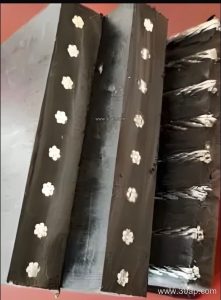
The bracket must suit the belt it carries. A steel cord conveyor belt or a thick EP conveyor belt used on a high-tonnage primary crusher discharge puts more load on the frame than a lighter fabric core conveyor belt on a short transfer. Abrasion resistant conveyor belt and heat resistant conveyor belt installations usually need brackets checked for thermal movement at the loading point as well.
Buyer Checklist
- Confirm belt width, trough angle and roller diameter before ordering, and state the mounting hole spacing required.
- Ask whether the set is fixed or adjustable, and whether slots allow fine height adjustment.
- Check material and finish against the site environment, especially in washdown or coastal areas.
- Verify that the bracket seats match the idler shaft ends actually supplied.
- Order spare sets for loading zones, where impact and spillage shorten frame life.
Inspect installed sets periodically for bent side brackets, elongated holes and loose bolts. A frame that has lost its angle will wear the belt edge and increase spillage, so replacing the trough idler bracket set early is usually cheaper than repairing the belt. For conveyors handling coal, ore or aggregate, keep the bracket, idler roller and conveyor bracket inventory consistent so replacements fit without modification.