What a Quarry Conveyor Belt Does on Site
A quarry conveyor belt is the moving wear surface that carries blasted rock, crushed stone, sand and screened aggregate between a primary crusher, screens, stockpiles and load-out points. It is a heavy-duty mining conveyor belt in practice, built to survive sharp-edged feed, dusty air, wash-down water and long shifts. The same belt family appears in sand and gravel plants, cement works, iron ore and copper ore operations, and power plant fuel yards, so buyers often compare notes across industries.
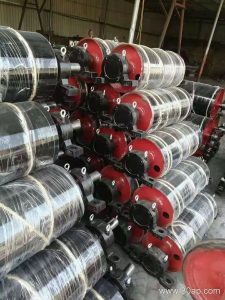
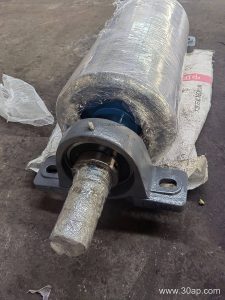
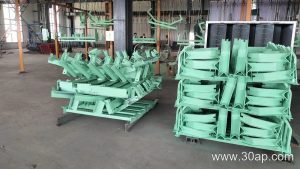
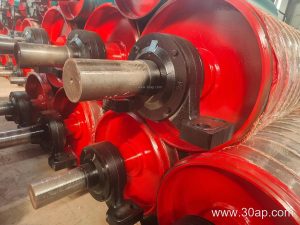
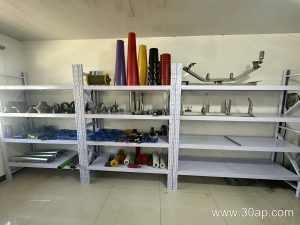
The belt itself is only one part of the circuit. It runs over a conveyor pulley at the drive end and a tail pulley at the loading end, with bend pulleys guiding the return path on longer runs. Troughing idler rollers support the loaded strand, return rollers hold up the empty side, and a conveyor bracket keeps the whole frame aligned. A well-matched Quarry Conveyor Belt works with these components rather than against them.
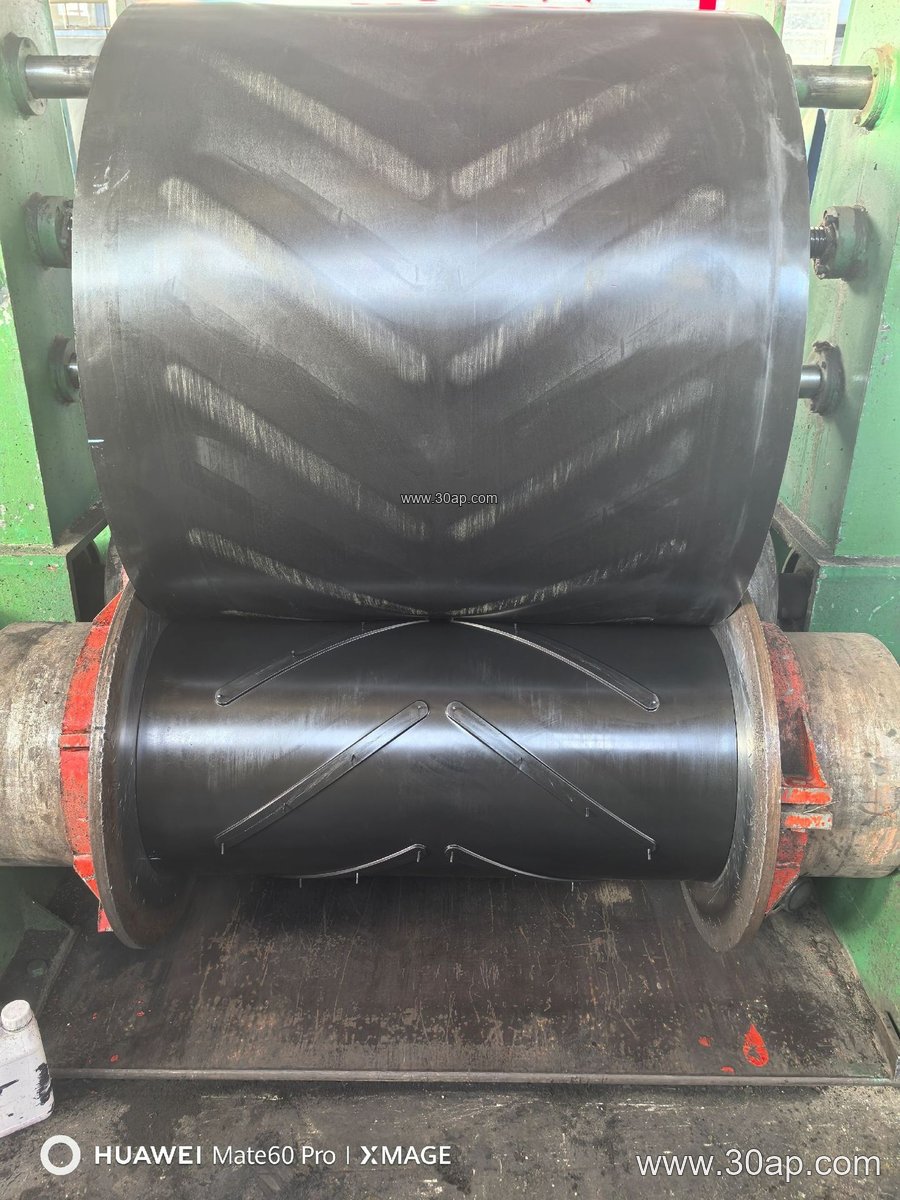
Construction of a Quarry Conveyor Belt
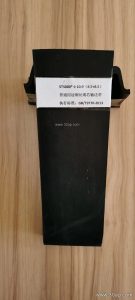
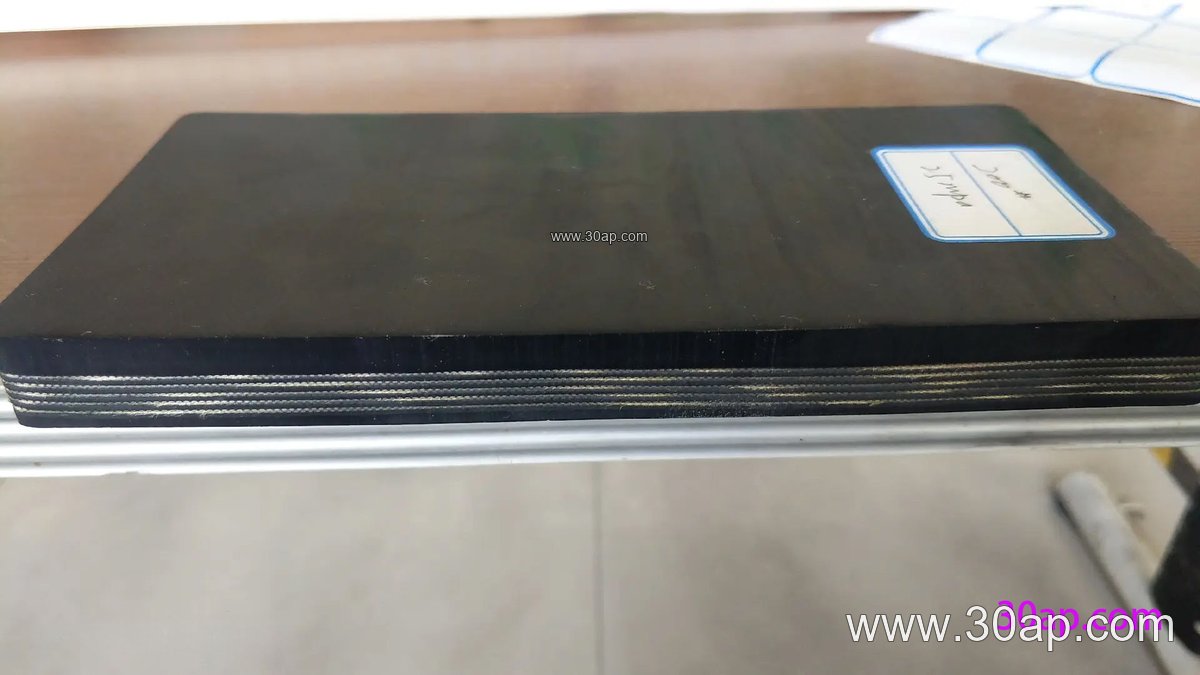
Most belts for aggregate duty use a fabric core or a steel cord core. Fabric constructions are common where flexibility around smaller pulleys matters, while steel cord designs suit long, high-tension overland routes. Cover compounds are selected for the rock type: hard, angular granite asks for high abrasion resistance, while limestone dust and wet sand may call for different priorities.
Typical build options include:
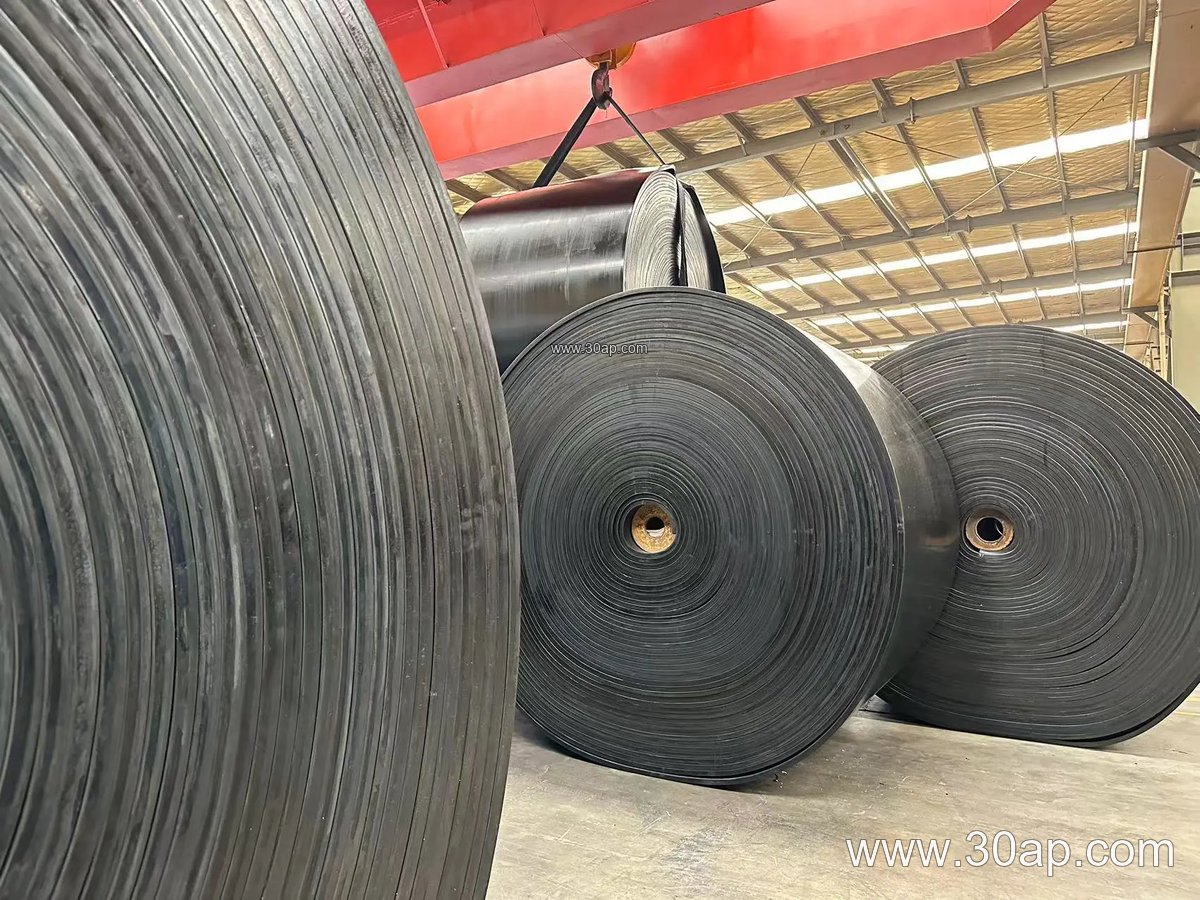
- EP conveyor belt carcass, from EP200 up to EP1600 and beyond, with 2 to 6 plies in fabric versions
- NN conveyor belt carcass for general aggregate duty
- Steel cord belt such as ST1000 or ST1600 for long center distances
- Top and bottom cover thickness usually given as 4+2, 5+2, 6+2 or 8+3 mm, depending on impact and wear
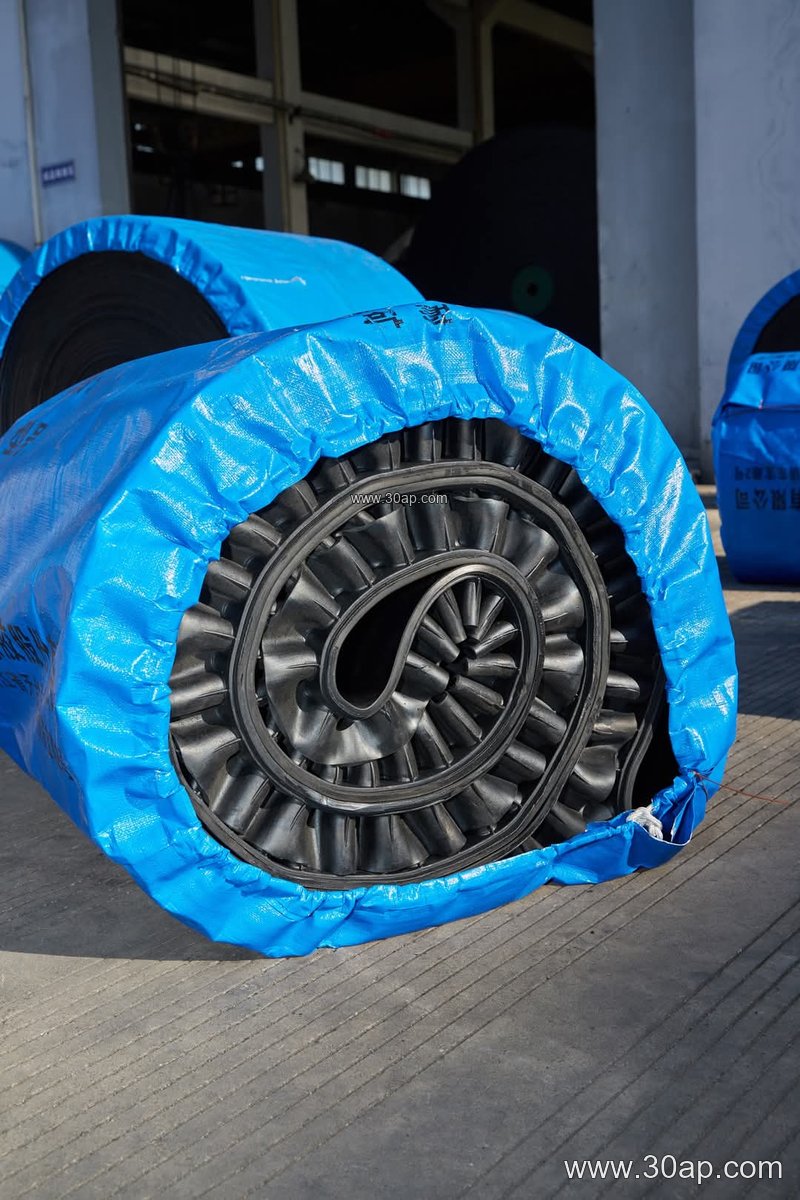
- Chevron conveyor belt or corrugated sidewall belt where the incline is too steep for a smooth surface
- Skirted conveyor belt for containment at transfer points
Cover grades are matched to the environment. Heat resistant conveyor belt and fire resistant conveyor belt grades appear where hot material or flame risk exists, and flame retardant conveyor belt is often specified underground. Oil resistant, cold resistant and anti-static options cover other site conditions. A pipe conveyor belt is a different conveying concept and should not be treated as a substitute for an open trough belt.
Where the Belt Is Used
In a stone crushing plant, the primary duty belt takes run-of-quarry rock from the feed hopper to the jaw or impact crusher. Secondary belts carry screened stone to stockpiles, and transfer belts feed the sand making plant. In cement plants, belts move clinker, limestone and additives. Port and ship loading conveyors handle bulk material at high capacity, and recycling lines use similar belts for construction and demolition debris.
Because quarry duty is abrasive and often wet, an abrasion resistant conveyor belt with a thick top cover is a frequent starting point. Where material arrives hot, a heat resistant grade may be needed. Where the belt runs underground or in a coal mining conveyor belt circuit, flame retardant and anti-static properties are usually part of the specification.
Sizes and Specifications Buyers Should Confirm
Belt width, carcass strength and cover thickness should be confirmed against the conveyor design rather than assumed from a single figure. Common widths run from B500 and B650 up to B1200, B1400, B1600, B1800 and B2000 for large plants. A 1000mm conveyor belt and a 1200mm wide conveyor belt are typical for main quarry lines, while 1500mm wide or 1800mm wide belts serve high-capacity circuits. Belt width does not dictate one pulley diameter; the drive pulley, tail pulley and bend pulleys are sized from tension and shaft load calculations, not from width alone.
| Item | Common reference values |
|---|---|
| Carcass type | EP, NN, steel cord, PVC, PVG |
| Strength grades | EP200 to EP1600; ST1000 to ST2500 |
| Belt width | B500, B650, B800, B1000, B1200, B1400, B1600, B1800, B2000 |
| Cover thickness | 3+1.5, 4+2, 5+2, 6+2, 8+3 mm |
| Fabric plies | 2 to 6 layers, depending on design |
These are reference ranges, not fixed supply promises. Different manufacturers publish different combinations, and the final selection should come from the conveyor designer or belt supplier after reviewing the duty.
Selection and Maintenance Notes
Start with the material: lump size, moisture, temperature, abrasiveness and angle of incline. Then check the conveyor layout, including pulley diameters, trough angle and take-up travel. A heavy-duty quarry conveyor belt that is over-specified adds cost and stiffness; one that is under-specified wears through the cover or fails at the splice.
On site, keep the belt tracking straight, inspect idler rollers for seized bearings, and check pulley lagging for wear. Clean transfer points reduce spillage that damages the cover. Store spare belts flat and dry, and record splice condition at every shutdown. For more belt guidance in quarry and mining circuits, visit rubberbeltpro.com for quarry conveyor belt notes, and check conveyor pulley and idler roller information before ordering a replacement run.