What a Custom Conveyor Bracket Does on a Belt Conveyor
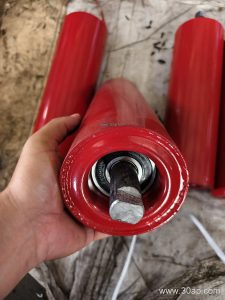
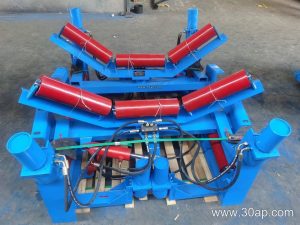
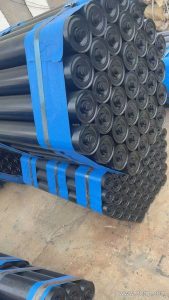
A custom conveyor bracket is the fabricated support component that holds idler rollers in the correct position under or above the conveyor belt. Instead of forcing a standard frame to accept a non-standard roller spacing, a made-to-order bracket is built around the actual belt width, trough angle, and roller diameter of the line. On a quarry conveyor belt or a cement plant transfer point, this small steel part controls how evenly the belt sits, how freely the rollers turn, and how quickly a worn idler roller can be replaced during a shutdown.
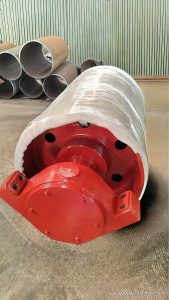
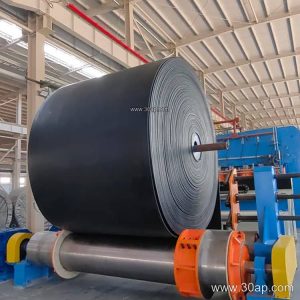
The bracket is not a pulley and does not drive anything. It is a structural interface between the conveyor frame and the rollers. Drive pulleys, tail pulleys, and bend pulleys handle power transmission and belt direction, while brackets simply keep the carrying and return idlers in place. Mixing those roles up leads to poor maintenance decisions, so it helps to treat the bracket as part of the roller support system rather than part of the drive train.
Construction and Common Forms
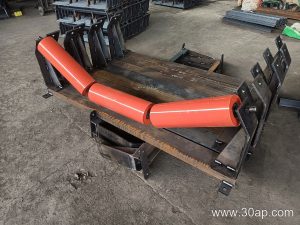
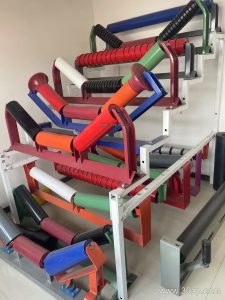
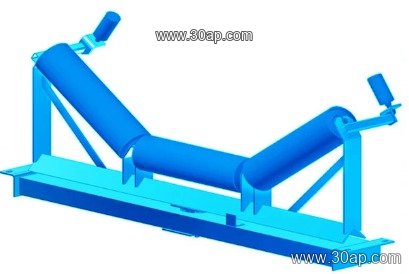
Most brackets are fabricated from angle steel, channel steel, or folded steel plate, then drilled or punched for mounting. A custom conveyor bracket may be a trough bracket for the carrying side, a return bracket on the lower strand, a transition bracket near a pulley, or an adjustable bracket that allows the trough angle to be changed on site. Self-aligning and training brackets are also made to order when a belt tends to wander.
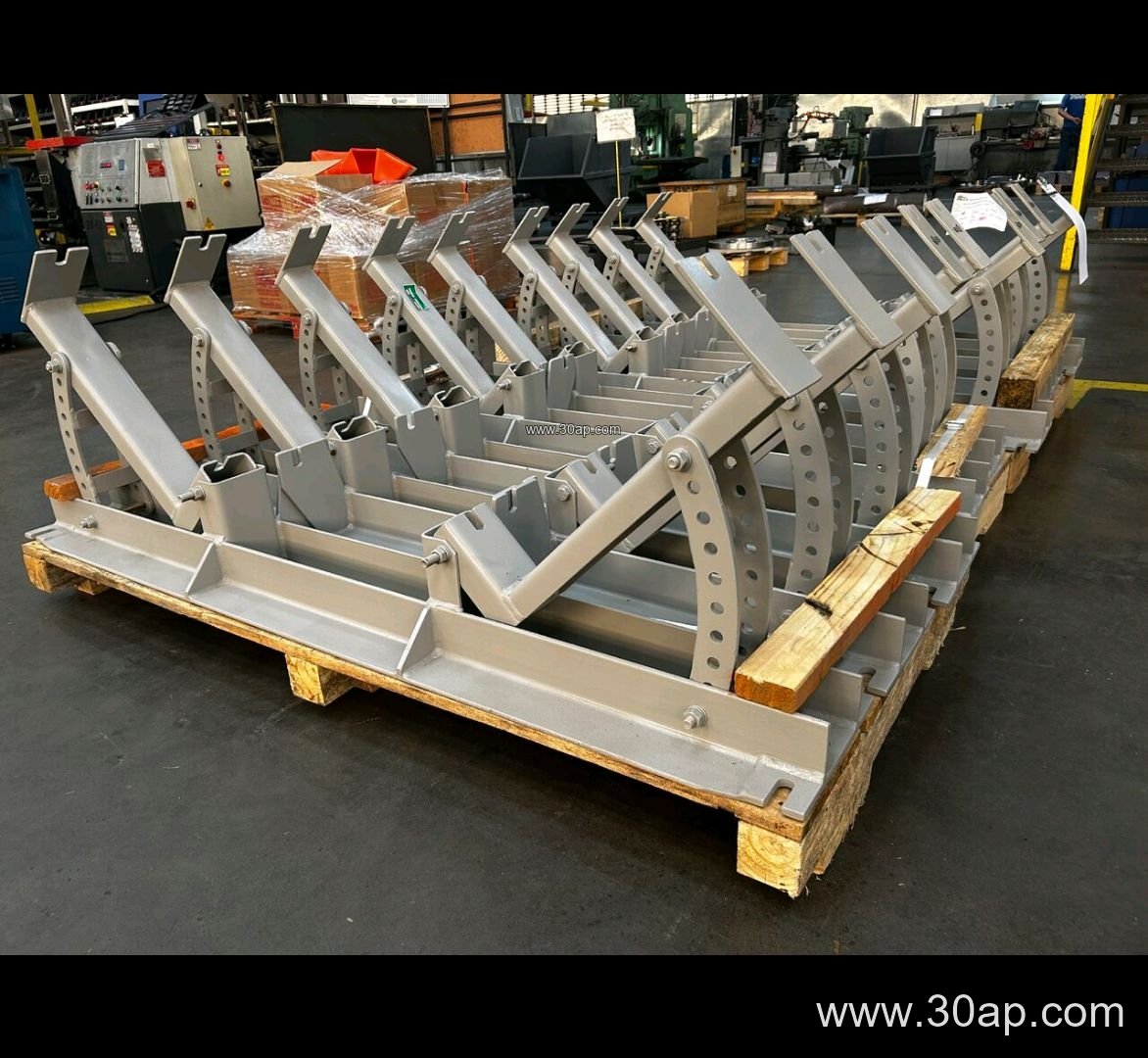
Adjustable brackets usually cover trough angles of 20, 30, 35, and 45 degrees, so one frame design can serve several operating conditions. Fixed brackets are welded or bolted at a single angle and are simpler to install where the belt path is already settled. Forward-tilted brackets, typically around 1.5 to 2 degrees, are used to encourage belt tracking on the carrying run.
| Item | Typical options |
|---|---|
| Bracket type | Trough, upper trough, transition, return, flat return, V-return, impact, self-aligning, forward-tilt, suspended, adjustable |
| Material | Angle steel, channel steel, folded steel plate |
| Belt width | B500, B650, B800, B1000, B1200, B1400, B1600, B1800, B2000, B2200 |
| Trough angle | 20, 30, 35, 45 degrees |
| Roller diameter | Ø89, Ø108, Ø133, Ø159, Ø194 |
Common combinations such as B800 with a 35 degree trough and Ø108 rollers, or B1200 with 45 degrees and Ø133 rollers, are reference points only. Mounting hole spacing and crossbeam length change with belt width and trough angle, and no single bracket size fits every conveyor.
Where These Brackets Are Used
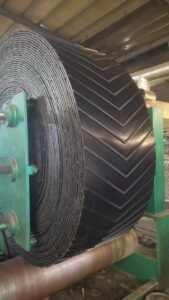
Custom brackets appear wherever the conveyor geometry is unusual or the duty is heavy. In a limestone mine, a transition bracket may be needed where the belt leaves a pulley and the trough has to open gradually. In a coal washing plant, flame retardant conveyor belt and anti-static conveyor belt are common, and the brackets beneath them must suit the same wet, dusty environment. Sand and gravel lines, crushing and screening plants, and power plant coal handling systems all rely on correctly spaced roller supports to keep the belt running true.
On a heavy-duty mining conveyor belt carrying iron ore or copper ore, impact brackets under the loading point protect both the rollers and the belt. In a port or ship loading facility, wide belts may call for wider brackets and heavier crossbeams. The choice follows the belt, not the other way around.
Matching Brackets to Belt and Roller
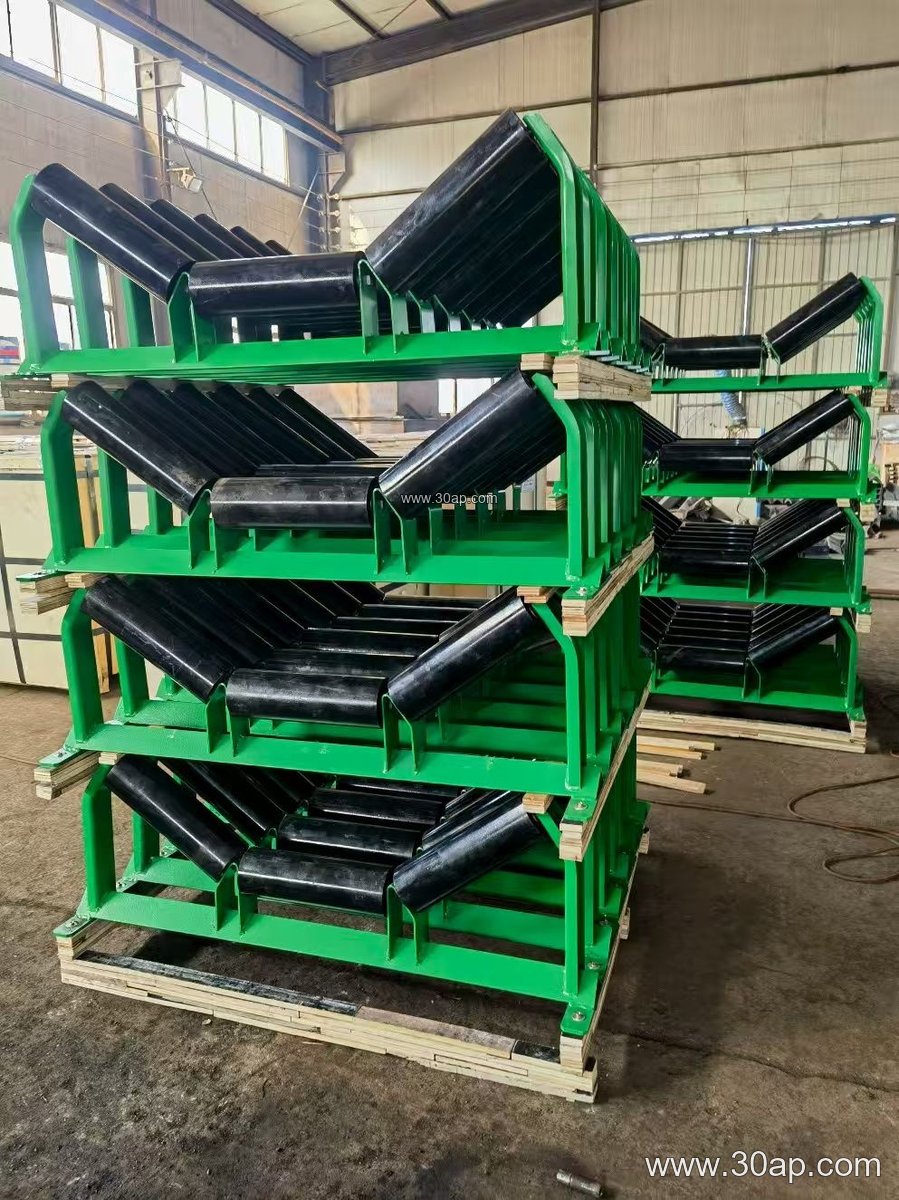
Belt width, trough angle, and roller diameter should be decided together. A 650mm conveyor belt running at 30 degrees may use Ø89 rollers, while a 1400mm belt at 45 degrees often needs Ø133 or Ø159 rollers and a stronger bracket. Wider belts do not automatically require a single roller size, and a given belt width can support more than one roller diameter depending on load and speed.
Buyers should also confirm the frame hole pattern, the distance between roller stations, and whether the bracket will be bolted or welded. For abrasive duties, an abrasion resistant conveyor belt and wear-resistant bracket coating reduce downtime. For hot material, a heat resistant conveyor belt combined with heat-tolerant roller supports is worth discussing. In cold climates, a cold resistant conveyor belt may be paired with brackets that do not become brittle.
Buyer Checklist
- Confirm belt width, trough angle, and roller diameter before ordering.
- State whether the bracket is fixed or adjustable.
- Provide the existing frame hole spacing and crossbeam length.
- Describe the environment: dust, moisture, heat, oil, or corrosion.
- Ask how the bracket interfaces with the idler roller and conveyor pulley positions.
A well-made custom conveyor bracket keeps the belt supported, the rollers turning, and maintenance predictable. For more roller and frame guidance, visit conveyoraccessories.com and review our conveyor bracket options before finalizing a design.