What a 500mm Conveyor Belt Is
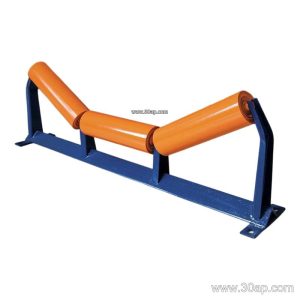
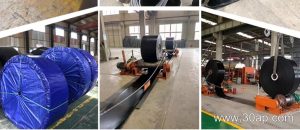
A 500mm conveyor belt is a narrow-width belt with a nominal width of 500 millimeters, often written as B500 in specifications and drawings. It is the carrying surface of a small-to-medium conveyor system, running over a drive pulley, tail pulley and bend pulleys while supported by idler rollers mounted on conveyor brackets. In plants where space is tight or throughput is moderate, this width keeps the frame compact and the belt weight manageable.
The belt is not a single material. A 500mm belt can be supplied as a fabric core belt, a steel cord belt, or a PVC/PVG belt, and each construction suits different duties. For general bulk handling, an EP conveyor belt or NN conveyor belt is common; for heavier shock loads, a steel cord conveyor belt is sometimes used at this width, though fabric cores remain the usual choice.
How the Belt Is Built
A typical 500mm fabric belt has a rubber cover on both faces and a fabric carcass in between. The carcass may be EP (polyester warp, nylon weft) or NN (nylon warp and weft), and the number of plies usually ranges from two to six depending on the required strength. Cover thickness is often expressed as a pair of numbers, such as 3+1.5 mm, 4+2 mm or 5+2 mm, where the first figure is the top cover and the second is the bottom cover.
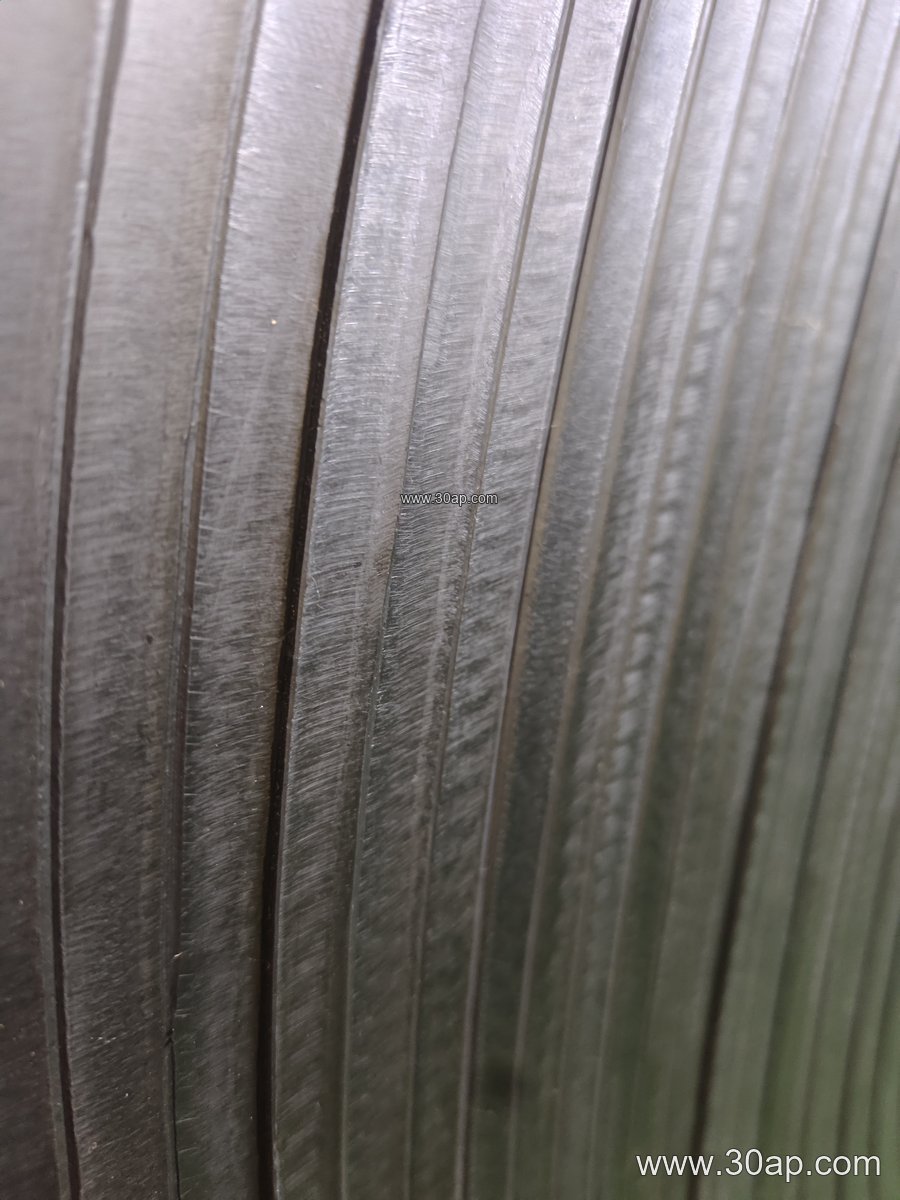
Common strength grades for this width include EP200, EP315, EP400, EP500, EP630 and EP800, along with NN grades such as NN100 to NN400. Steel cord options at this width tend to be lighter classes. All figures are typical references; the final construction should be confirmed with the belt manufacturer for the actual conveyor design.
Common Belt Constructions at This Width
| Construction | Typical use at 500mm width | Notes |
|---|---|---|
| EP fabric core | General bulk conveying, sand and gravel, cement | Good strength-to-weight ratio, widely available |
| NN fabric core | Medium-duty conveying, crusher discharge | Good elasticity and impact absorption |
| Steel cord | Long runs and heavy loads where space is limited | Less common at narrow widths, higher splice demands |
| PVC / PVG | Underground coal mining, flame-retardant duties | PVG800S and similar grades used in coal mines |
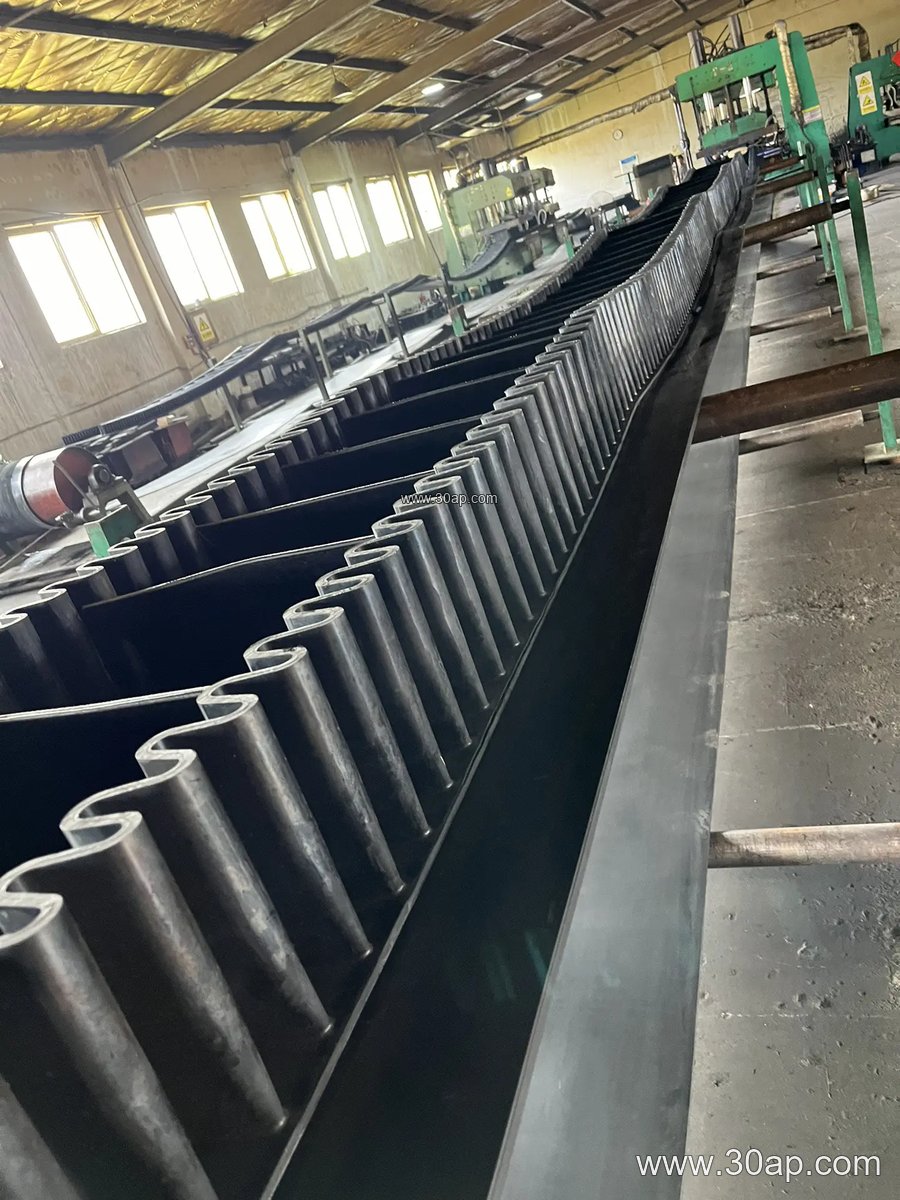
| Chevron or skirted | Inclined conveying, material containment | Corrugated sidewall and cleat forms available |
Where a 500mm Belt Fits
This width appears in stone crushing lines, sand making plants, aggregate yards and small quarry conveyors, where it moves crushed rock from a crusher to a screen. In cement plants it can serve as a transfer belt on short runs. In coal mining and underground mining, flame retardant and anti-static constructions are common, and a PVG conveyor belt is often chosen for underground coal mining conveyors. Ports and ship loading systems use wider belts, but 500mm belts still appear on auxiliary and sampling lines.
Special service conditions call for specific covers: a heat resistant conveyor belt for clinker or hot sinter, an oil resistant conveyor belt near machinery with lubricant exposure, an abrasion resistant conveyor belt for sharp stone, and a cold resistant conveyor belt in freezing climates. Food grade and acid resistant versions exist for other industries. For steep inclines a chevron conveyor belt or a corrugated sidewall conveyor belt can be specified at this width, and an endless conveyor belt may be requested where a vulcanized joint is preferred.
Selection Points for Buyers
- Confirm the belt width and the pulley face width; a 500mm belt needs a pulley wide enough to support it, but the pulley diameter is set by the conveyor design, not by belt width alone.
- Check the carcass type and strength grade against the calculated tension, not just the material being carried.
- Match the cover compound to the duty: abrasion, heat, oil, flame or cold.
- Decide between open-end and endless supply, and confirm the splice method.
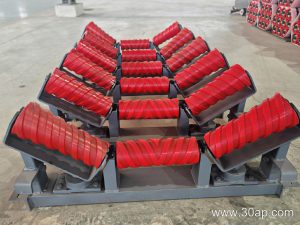
- Verify the idler roller spacing and conveyor bracket layout so the belt tracks correctly.
- Ask for the manufacturer’s data sheet for the specific construction rather than relying on generic tables.
For a 500mm conveyor belt, the practical questions are simple: what is being carried, how far, at what incline, and under what temperature and fire-safety conditions. Answering those first will narrow the choice between an EP conveyor belt, an NN belt, a steel cord belt or a PVC/PVG belt, and will make the specification easier to compare across suppliers.