What a 1800mm Conveyor Belt Is
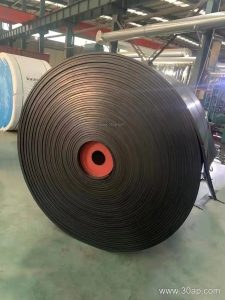
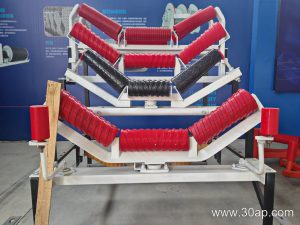
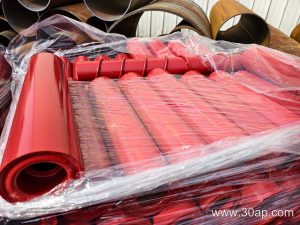
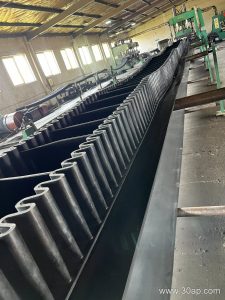
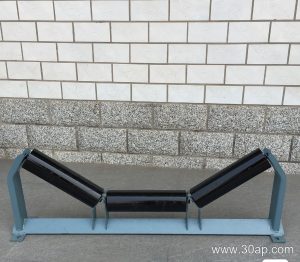
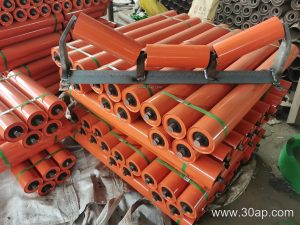
A 1800mm conveyor belt is a wide belt designed for high-volume bulk material transport. The 1800mm figure refers to the belt width, which is one of the most important parameters in conveyor system design. This width is commonly used in mining, coal preparation, cement plants, power stations, and large quarry operations where large tonnages must be moved efficiently. A 1800mm conveyor belt is often part of a heavy-duty conveyor system that includes idler rollers, conveyor pulleys, and conveyor brackets matched to the belt width and load.
Construction and Common Types
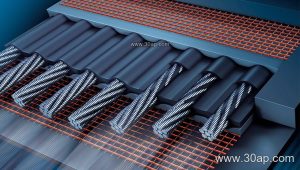
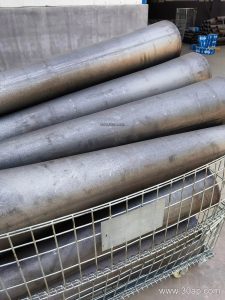
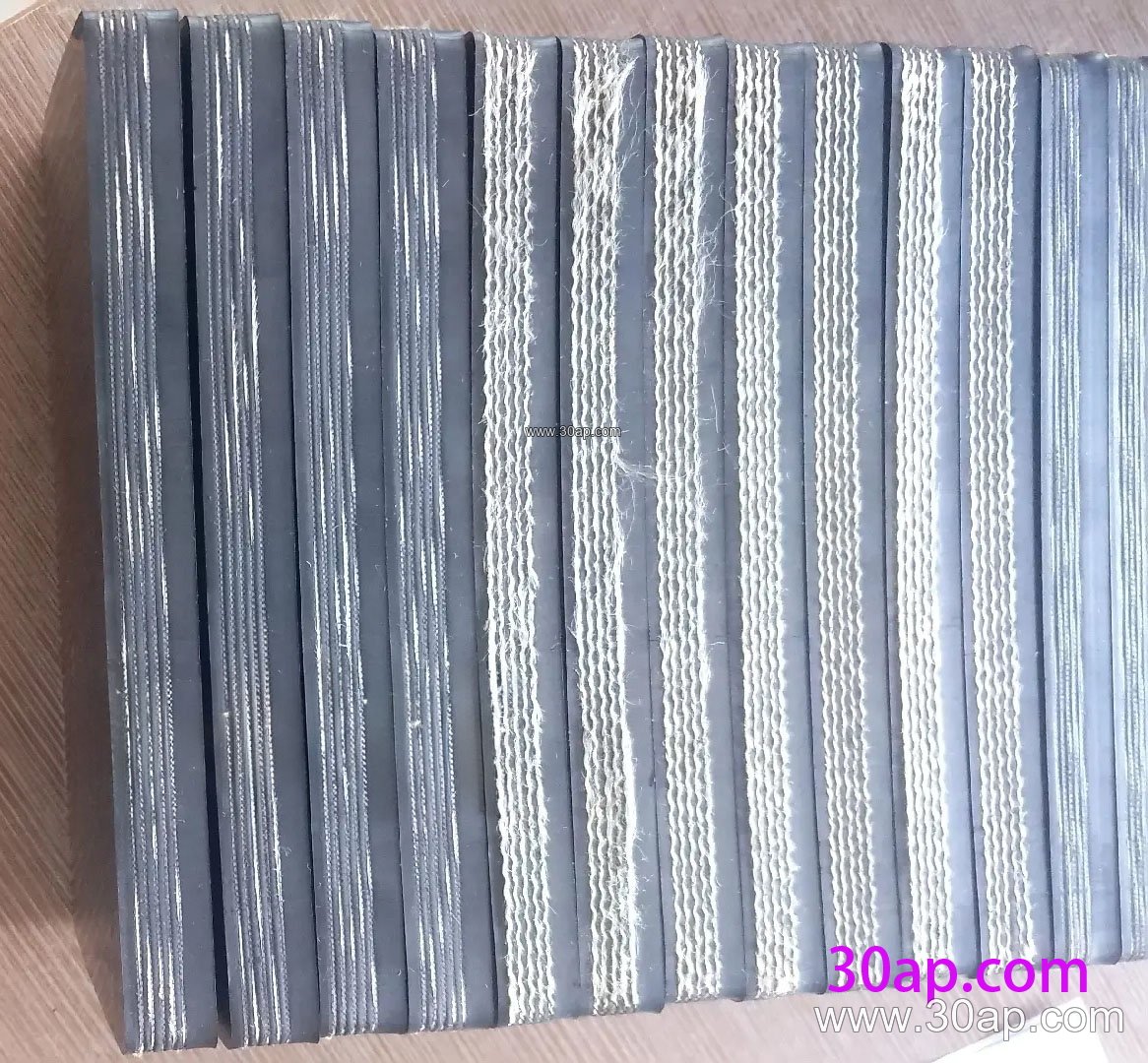
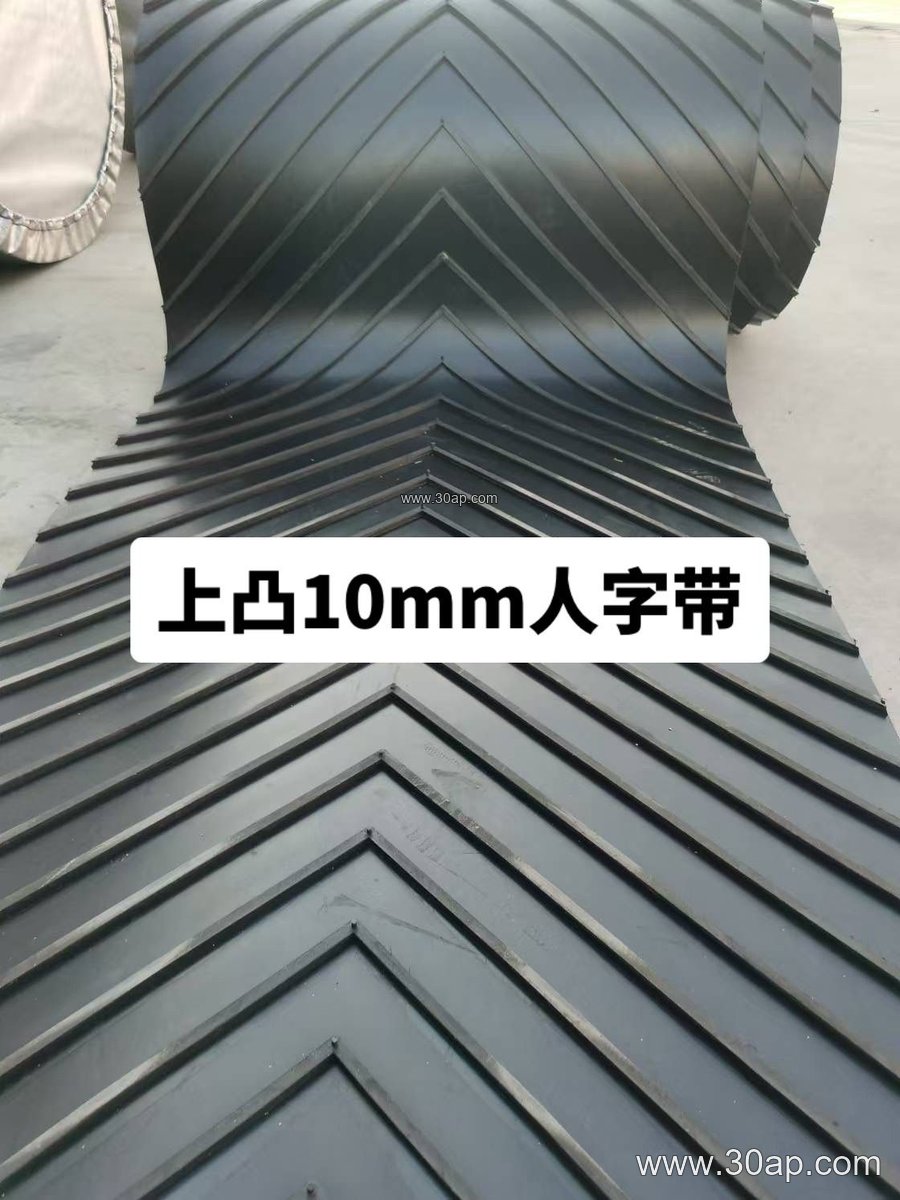
The construction of a 1800mm conveyor belt depends on the application. Fabric core belts, such as EP conveyor belt or NN conveyor belt, use multiple plies of synthetic fabric for strength and flexibility. Steel cord conveyor belt uses parallel steel wires for very high tensile strength and long-distance haulage. For special conditions, chevron conveyor belt, skirted conveyor belt, or corrugated sidewall conveyor belt may be used to prevent material spillage or to handle steep inclines. Heat resistant conveyor belt, oil resistant conveyor belt, flame retardant conveyor belt, and abrasion resistant conveyor belt are available when the operating environment demands it. A pipe conveyor belt is another variant that encloses the material, but it is a different design and not a direct substitute for a conventional 1800mm wide belt.
Typical Specifications
Specifications for a 1800mm conveyor belt are not universal and should be confirmed with the supplier. The table below shows common reference values for width, strength grades, cover thickness, and carcass types. These are examples only and may vary by manufacturer and design requirement.
| Parameter | Common Reference Values |
|---|---|
| Belt width | 1800 mm (B1800) |
| Fabric core strength grades | EP200, EP315, EP400, EP500, EP630, EP800, EP1000, EP1250, EP1600, EP2000 |
| Steel cord strength grades | ST1000, ST1250, ST1600, ST2000, ST2500, ST3150 |
| Cover rubber thickness | 3+1.5 mm, 4+2 mm, 5+2 mm, 6+2 mm, 8+3 mm |
| Number of fabric plies | 2 to 6 plies (typical) |
| Special properties | Abrasion resistant, heat resistant, flame retardant, oil resistant, cold resistant, anti-static |
For a 1800mm conveyor belt, the load capacity and belt speed are determined by the conveyor design, not by width alone. The belt width must be matched to the idler roller spacing, pulley face width, and transition distance. A wider belt does not automatically allow a larger pulley diameter; the pulley size is selected based on belt tension, carcass type, and shaft load. Therefore, a 1800mm belt can be used with various pulley diameters as specified by the conveyor designer.
Applications in Industry
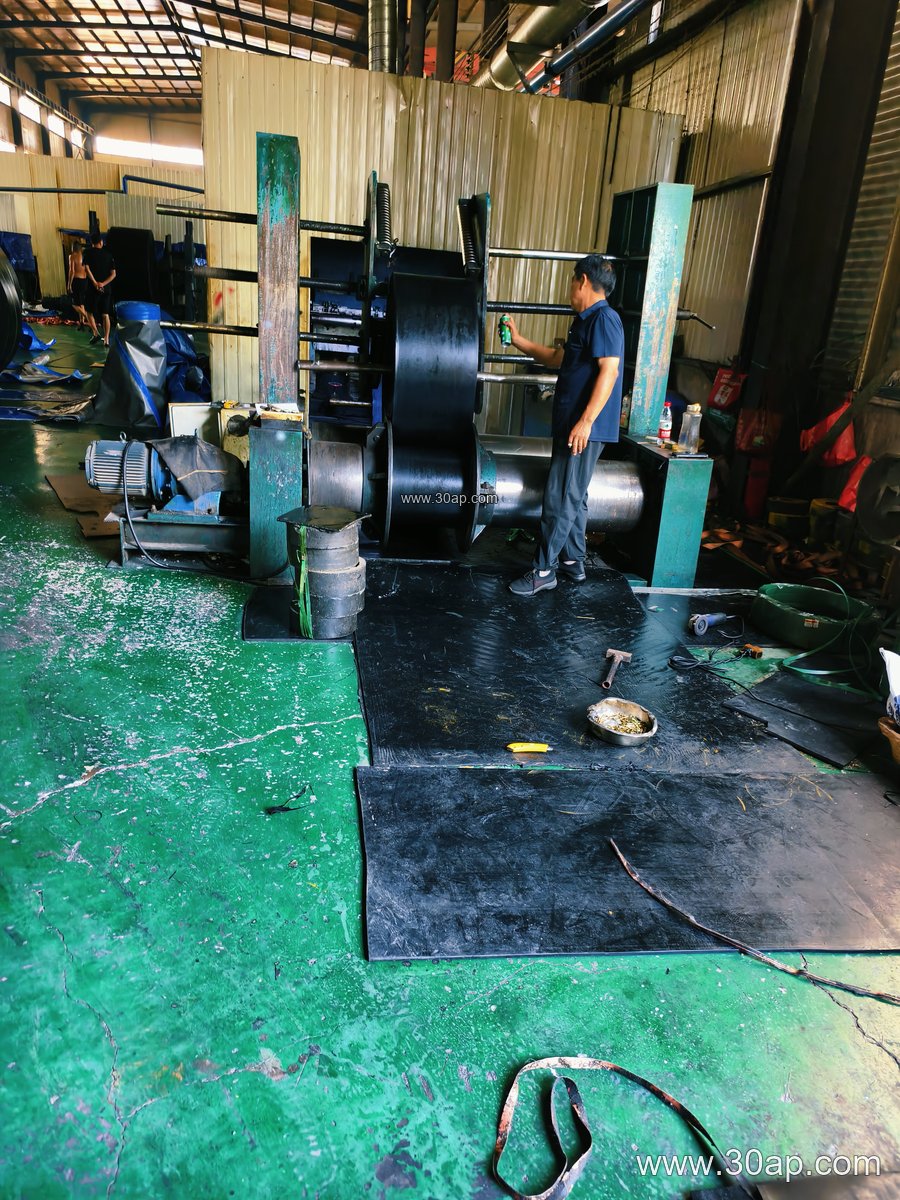
This belt width is frequently found in the mining industry, including coal mining conveyor belt and underground mining conveyor belt systems where high output is required. In cement plants, a 1800mm conveyor belt transports clinker, limestone, and raw meal. Power plants use it for coal handling. Quarries and aggregate plants rely on it for moving crushed stone and sand. The belt also appears in port conveyor systems for ship loading and in steel plants for ore and coke transport. In all these sectors, the belt works together with conveyor pulleys, idler rollers, and conveyor brackets to form a reliable conveying line.
Buyer Checklist
When specifying a 1800mm conveyor belt, consider the following points:
- Material to be conveyed: particle size, temperature, abrasiveness, oil content, and chemical exposure.
- Required tensile strength: choose EP or NN fabric core for moderate duty, steel cord for high tension and long distance.
- Cover rubber grade: abrasion resistant for minerals, heat resistant for cement and clinker, flame retardant for coal and underground use.
- Belt construction: multi-ply fabric core conveyor belt or steel cord, with or without chevron or sidewall features.
- Compatibility with existing conveyor components: idler roller diameter and spacing, pulley dimensions, and bracket mounting.
- Environmental conditions: cold resistance for low temperatures, anti-static for combustible dust, oil resistance for oily materials.
Always request the manufacturer’s technical data sheet for the specific 1800mm conveyor belt model. The values in this article are for general guidance and do not represent a fixed supply specification. A well-matched belt and conveyor system will deliver reliable service in the toughest industrial environments.