What a 1200mm Wide Conveyor Belt Is
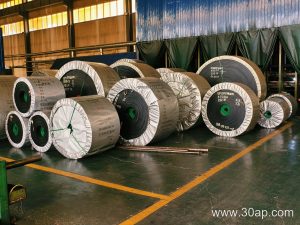
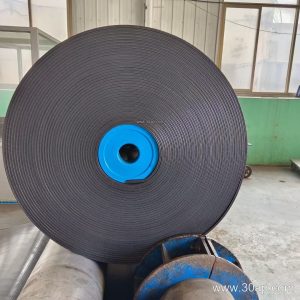
A 1200mm wide conveyor belt is a full-width rubber or fabric-reinforced belt built for conveyor systems that need to move large volumes of bulk material in a single pass. With a nominal width of 1200mm, often written as B1200, it sits in the mid-to-wide range of standard belt widths and is commonly selected for main haulage lines rather than small transfer points. In mining, cement, power plant and sand and gravel operations, this width helps reduce the number of parallel conveyors needed and supports high tonnage without excessive belt speed.
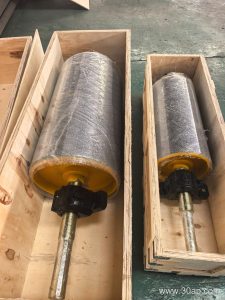
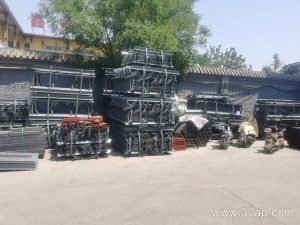
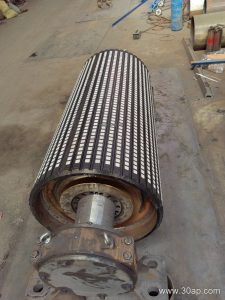
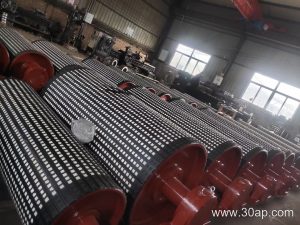
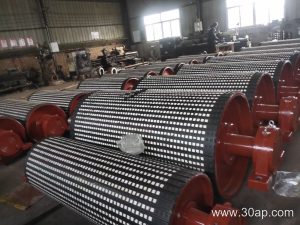
The belt is not a standalone item. It runs over a head or drive pulley, a tail pulley and one or more bend pulleys, while idler rollers support the carrying and return sides. A conveyor bracket and frame hold these components in alignment. The belt width, pulley face width and idler set must be matched by the conveyor designer, so a 1200mm belt does not automatically dictate one fixed pulley diameter or shaft size.
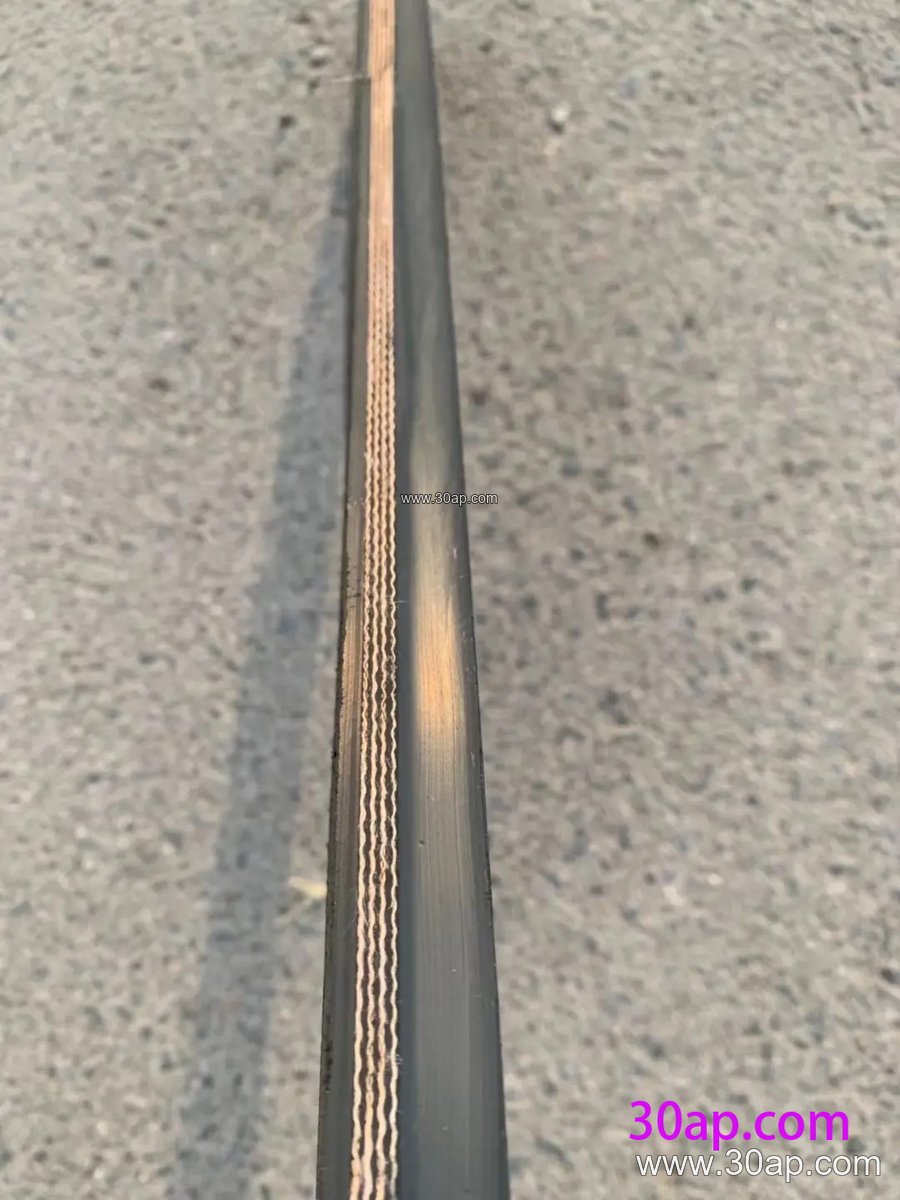
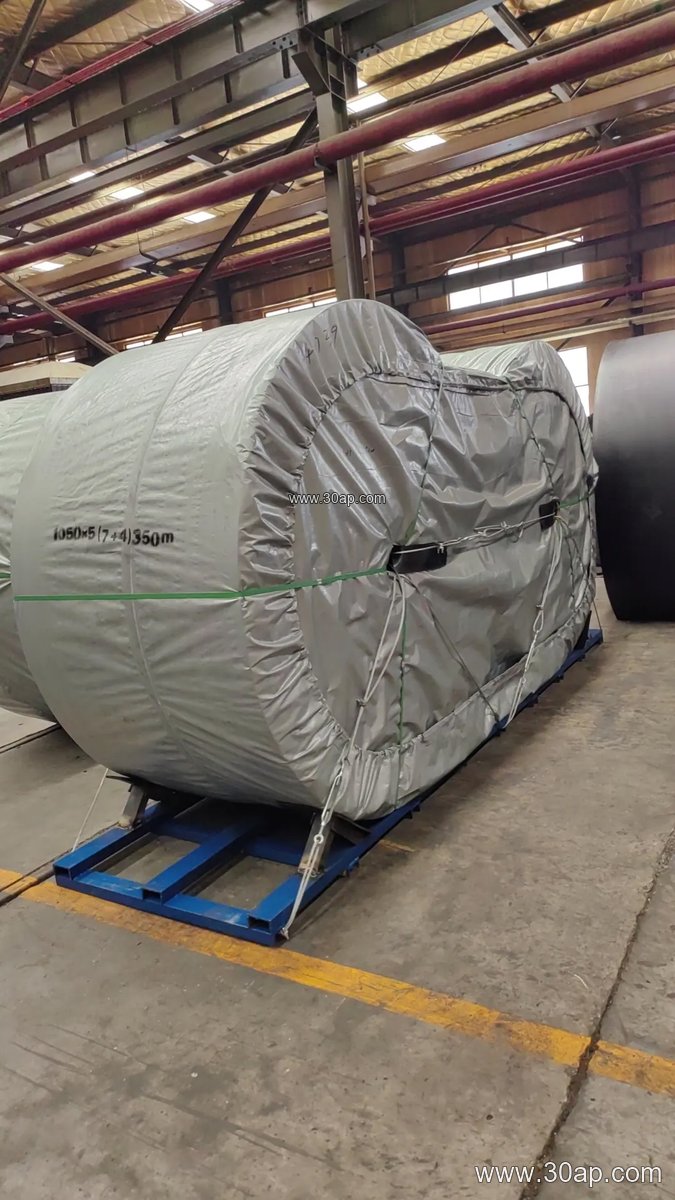
Construction and Common Specifications
Most 1200mm wide belts use a fabric core or steel cord carcass with rubber covers. Fabric types include EP conveyor belt (polyester warp, nylon weft) and NN conveyor belt (nylon warp and weft). For long distances and high tension, a steel cord conveyor belt is often chosen. Cover rubber grade depends on the duty: abrasion resistant conveyor belt for crusher discharge, heat resistant conveyor belt near clinker or sinter, flame retardant conveyor belt and anti-static conveyor belt in underground coal mining, and oil resistant conveyor belt where lubricants or oily cargo are present.
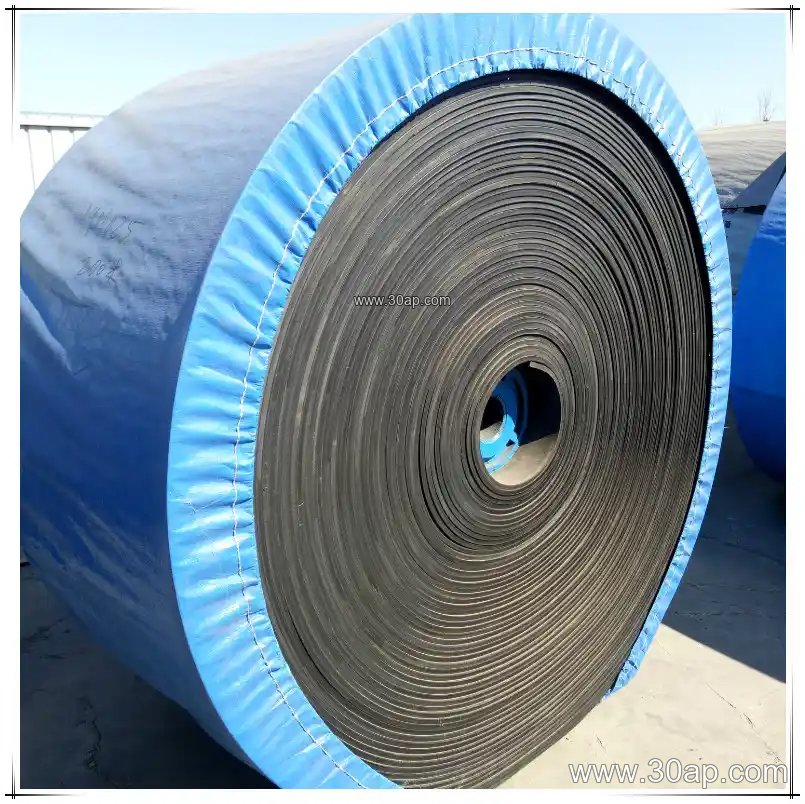
The table below shows typical reference values for a 1200mm wide belt. These are common ranges, not fixed universal specifications; final construction is confirmed by the belt manufacturer and conveyor design.
| Item | Common Reference Range |
|---|---|
| Belt width | 1200mm (B1200) |
| Carcass type | EP, NN, steel cord |
| Fabric strength grades | EP200, EP315, EP400, EP500, EP630, EP800, EP1000 |
| Steel cord grades | ST1000, ST1250, ST1600, ST2000 |
| Number of fabric plies | Usually 2 to 6 |
| Top and bottom cover | 4+2, 5+2, 6+2, 8+3 mm |
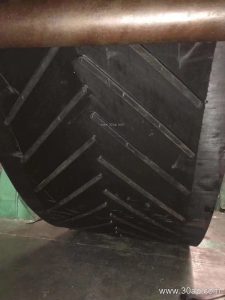
| Special surface forms | Chevron conveyor belt, skirted conveyor belt, corrugated sidewall conveyor belt |
Where This Width Fits
A B1200 belt is common on primary crushing lines and plant-to-stockpile conveyors. In an iron ore or copper ore operation it may carry run-of-mine material from a crusher to a screening station. In a coal mining conveyor system, a flame retardant and anti-static construction is often required for underground mining conveyor belts, while surface coal handling may use a heavy-duty mining conveyor belt with thick covers. Cement plants use it for clinker and raw meal lines, and power plants for coal feed. Quarries and aggregate plants frequently pair it with a crusher conveyor belt and heavy idler rollers.
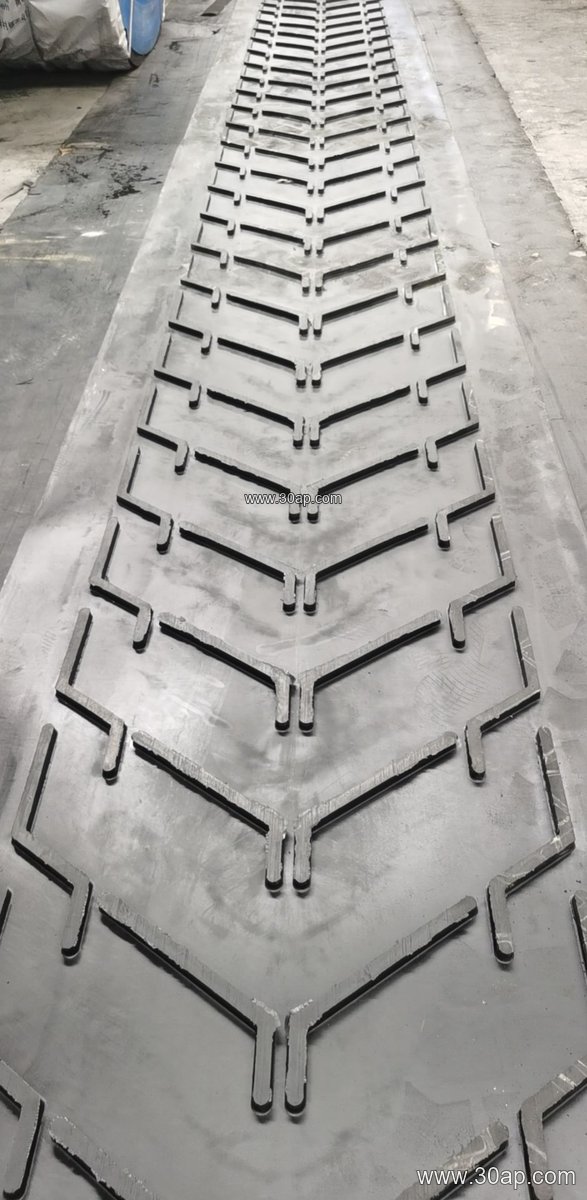
When a line needs more capacity than a 1000mm belt can provide but does not justify a 1400mm or 1600mm system, the 1200mm width is a practical middle option. For comparison, a 1500mm wide belt may suit very high tonnage mainlines, but it also requires wider pulleys, larger frames and more space, so the choice should follow the actual conveyor calculation.
Selection and Maintenance Notes
- Confirm the required tension rating from the conveyor design, not from belt width alone. A 1200mm belt may use EP630, EP800 or a steel cord grade depending on slope, length and load.
- Match cover thickness to impact and abrasion. Crusher discharge points often need a thicker top cover and impact resistant conveyor belt construction.
- Check pulley face width and idler roller spacing with the conveyor designer. Drive, tail and bend pulleys have different roles and are not interchangeable.
- For underground coal work, specify flame retardant and anti-static properties and verify them with the belt supplier.
- Keep the belt tracking straight, maintain idler rollers, and inspect splices regularly. Poor alignment shortens belt life more than many operators expect.
Buyers should ask for the carcass type, ply count, cover grade and thickness, splice method and edge condition in writing. A 1200mm wide conveyor belt can be supplied as an endless conveyor belt for short centers or as open length for field splicing. The correct specification always comes from the conveyor duty, material type and environment, so treat published sizes as a starting point for discussion with the manufacturer.