What an Anti-Static Conveyor Belt Is
An anti-static conveyor belt is a type of conveyor belt designed to dissipate static electricity that builds up as the belt runs over pulleys and idler rollers. In industries such as coal mining, cement plants, power plants, and aggregate yards, fine dust and fast-moving belts can create electrostatic charges. If not controlled, these charges may cause sparks or interfere with sensitive equipment. The anti-static conveyor belt addresses this by incorporating conductive materials into the rubber compound or fabric structure, allowing static to bleed away safely.
Construction and Key Components
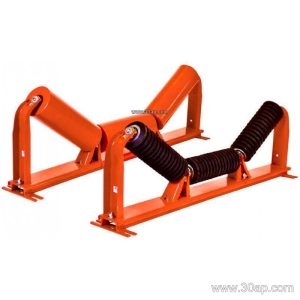
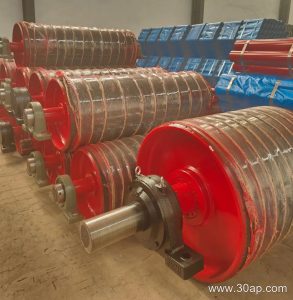
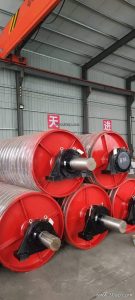
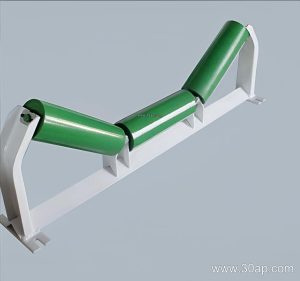
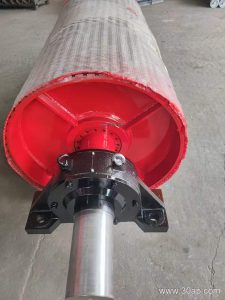
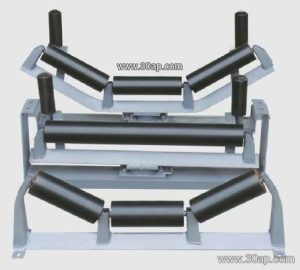
Most anti-static conveyor belts are built on a fabric core, such as EP (polyester-cotton) or NN (nylon-nylon) canvas, though steel cord versions exist for high-strength applications. The cover rubber is formulated with carbon black or other conductive additives to achieve a surface resistivity that falls within anti-static ranges. The belt may also include anti-static properties in the skim coat between plies. For underground coal mining, flame retardant and anti-static properties are often combined, giving a belt that meets both safety requirements. The belt runs over a drive pulley, tail pulley, and bend pulleys, all of which must be properly grounded to complete the dissipation path. Conveyor brackets and idler rollers also play a role in maintaining alignment and reducing static generation.
Where It Is Used
Anti-static conveyor belts are common in:
- Coal mining and underground coal mining, where methane and coal dust demand static control.
- Cement plants and power plants handling dry, dusty materials.
- Quarries and sand making plants with fine aggregate.
- Fertilizer and chemical plants where explosive atmospheres may exist.
- Ports and ship loading facilities dealing with bulk materials.
In these environments, a standard rubber conveyor belt may accumulate static, but an anti-static conveyor belt provides a controlled path to ground. It is often specified alongside flame retardant conveyor belt grades for maximum safety.
Specifications and Options
Anti-static conveyor belts are available in several constructions. The table below shows common reference data; actual values depend on the manufacturer and application.
| Property | Common Range / Example |
|---|---|
| Fabric core type | EP or NN, 2 to 6 plies |
| Strength grades | EP200, EP400, EP630, EP800, EP1000, EP1250 |
| Belt width | B500, B650, B800, B1000, B1200, B1400, B1600 |
| Cover thickness | 4+2 mm, 5+2 mm, 6+2 mm, 8+3 mm |
| Surface resistivity | Typically ≤ 3×10^8 Ω (anti-static range) |
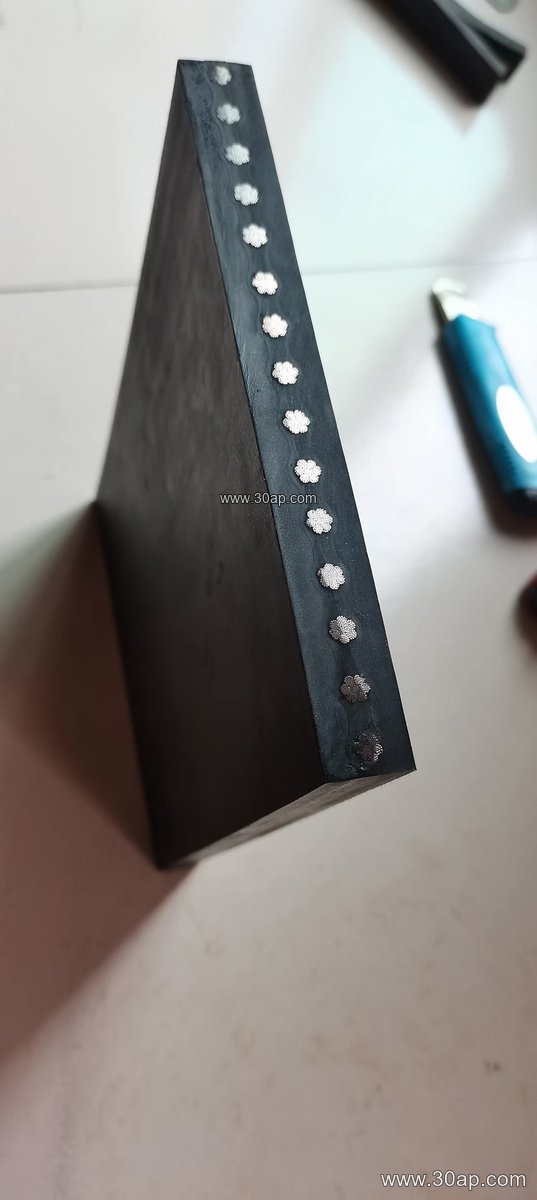
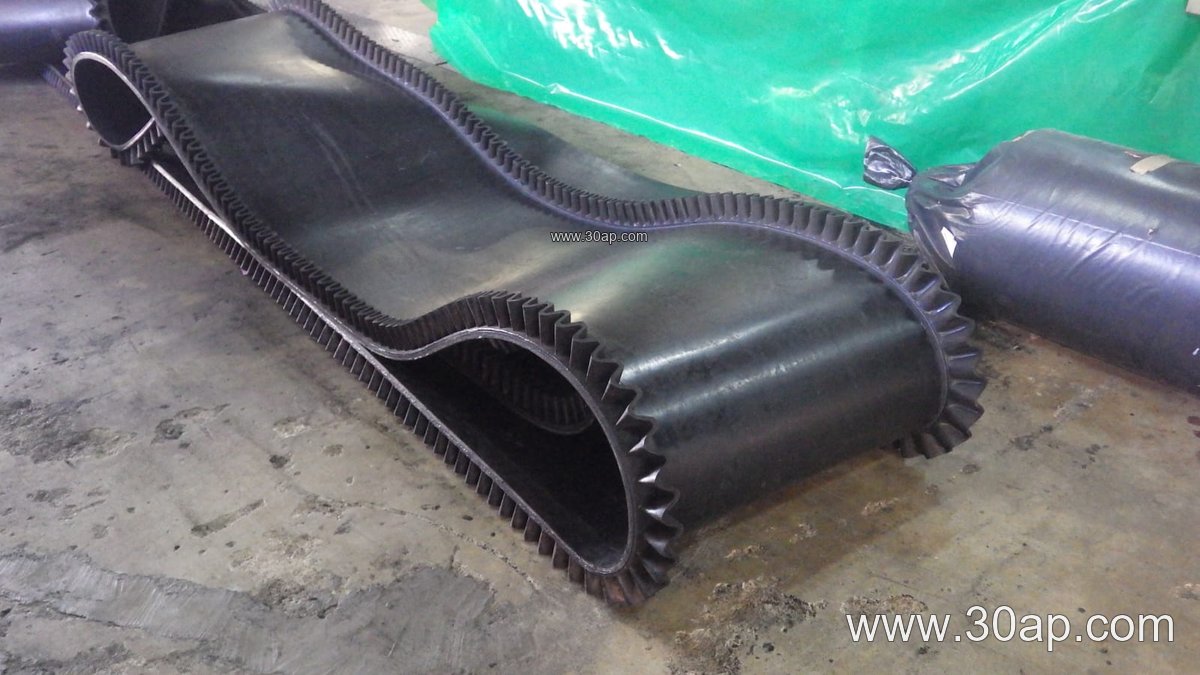
For high-strength needs, steel cord conveyor belt constructions such as ST1000 or ST1600 can be supplied with anti-static covers. Chevron conveyor belt and corrugated sidewall conveyor belt profiles are also available with anti-static rubber for inclined transport. Other options include heat resistant conveyor belt, oil resistant conveyor belt, and abrasion resistant conveyor belt grades with anti-static properties.
Buyer Checklist
When selecting an anti-static conveyor belt, consider the following:
- Verify the required surface resistivity for your environment; anti-static does not mean conductive, and values vary.
- Confirm compatibility with the drive pulley, tail pulley, and bend pulleys, especially if the belt is thick or has a patterned surface.
- Check that idler rollers and conveyor brackets are properly grounded to avoid charge buildup.
- For underground coal mining, ensure the belt meets both flame retardant and anti-static requirements.
- Consider the material being conveyed: abrasive ore may require a high abrasion resistant cover, while hot materials need a heat resistant grade.
- Review belt width and strength against the conveyor design; no single width fits all pulleys.
Anti-static conveyor belts are not a substitute for proper grounding of the conveyor frame and components. Regular maintenance, including cleaning of idler rollers and checking pulley alignment, helps preserve anti-static performance. For industries handling bulk materials, investing in a quality anti-static belt is a practical step toward safer, more reliable operation.