What a Heavy-Duty Conveyor Bracket Does
A heavy-duty conveyor bracket is the structural support that holds idler rollers in the correct position along a conveyor frame. It carries the weight of the conveyor belt, the material load, and the roller assembly itself, then transfers that force into the stringer or frame. In a quarry, a coal handling plant, or an iron ore transfer station, this component is often the difference between steady operation and repeated downtime. The bracket is not a wear part in the same sense as a roller, but it is a load-bearing part, and it is usually specified with the same care as the pulley and the belt itself.
How the Bracket Is Built
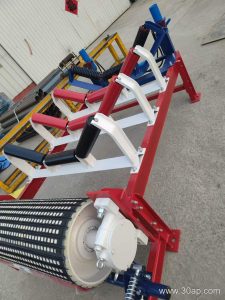
Most units are fabricated from angle steel, channel steel, or folded steel plate. The material choice depends on the load path and the environment. In a coal mining conveyor line, the bracket may be treated for corrosion and dust; in a cement plant, it may need to resist abrasive buildup. The mounting slots and crossbeam length are determined by belt width, trough angle, and roller diameter, so they are always made to a specific design rather than as a universal part.
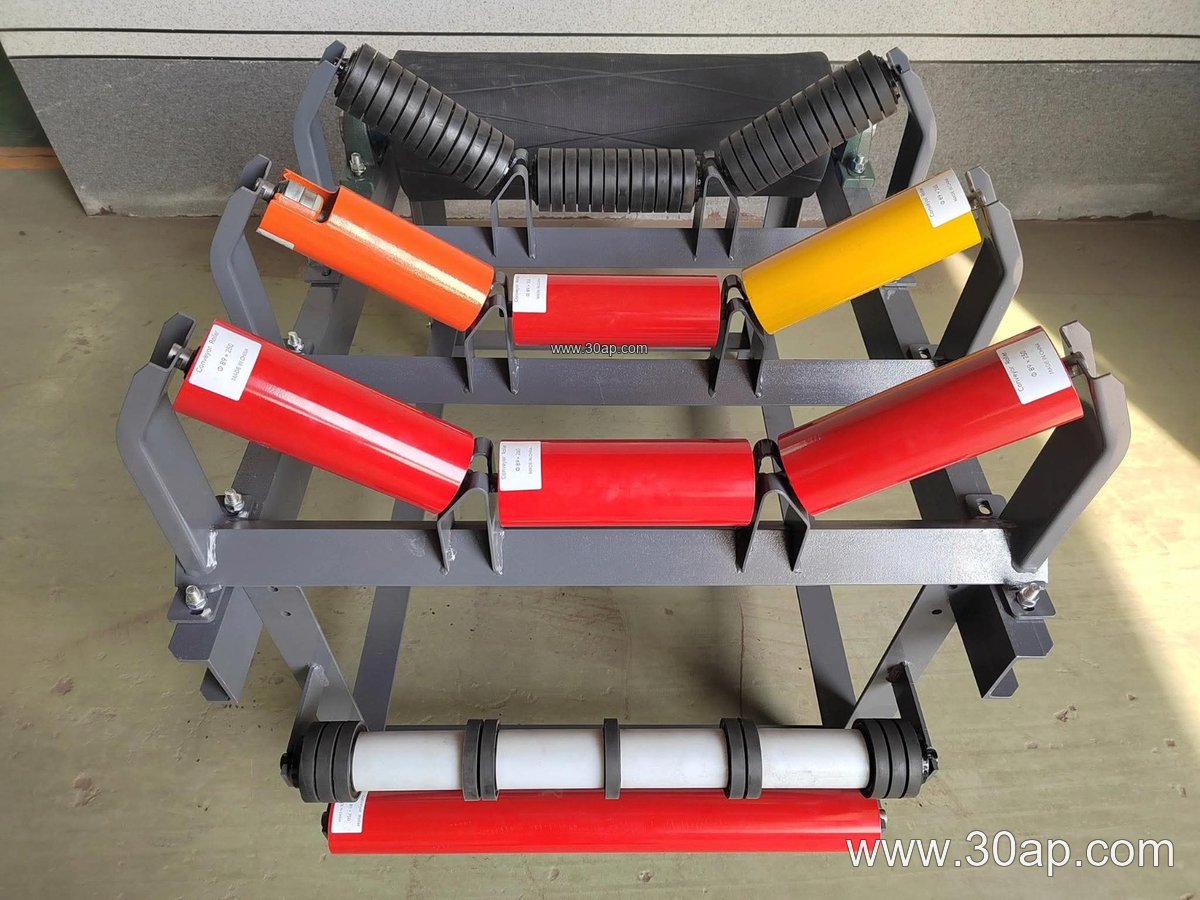
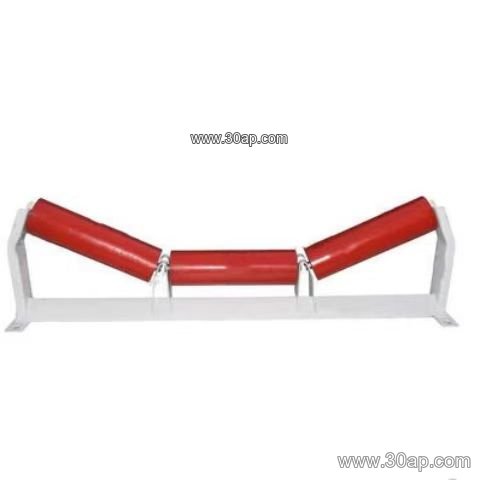
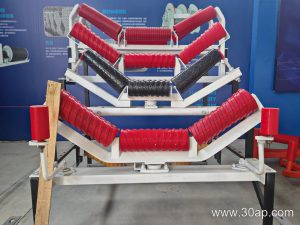
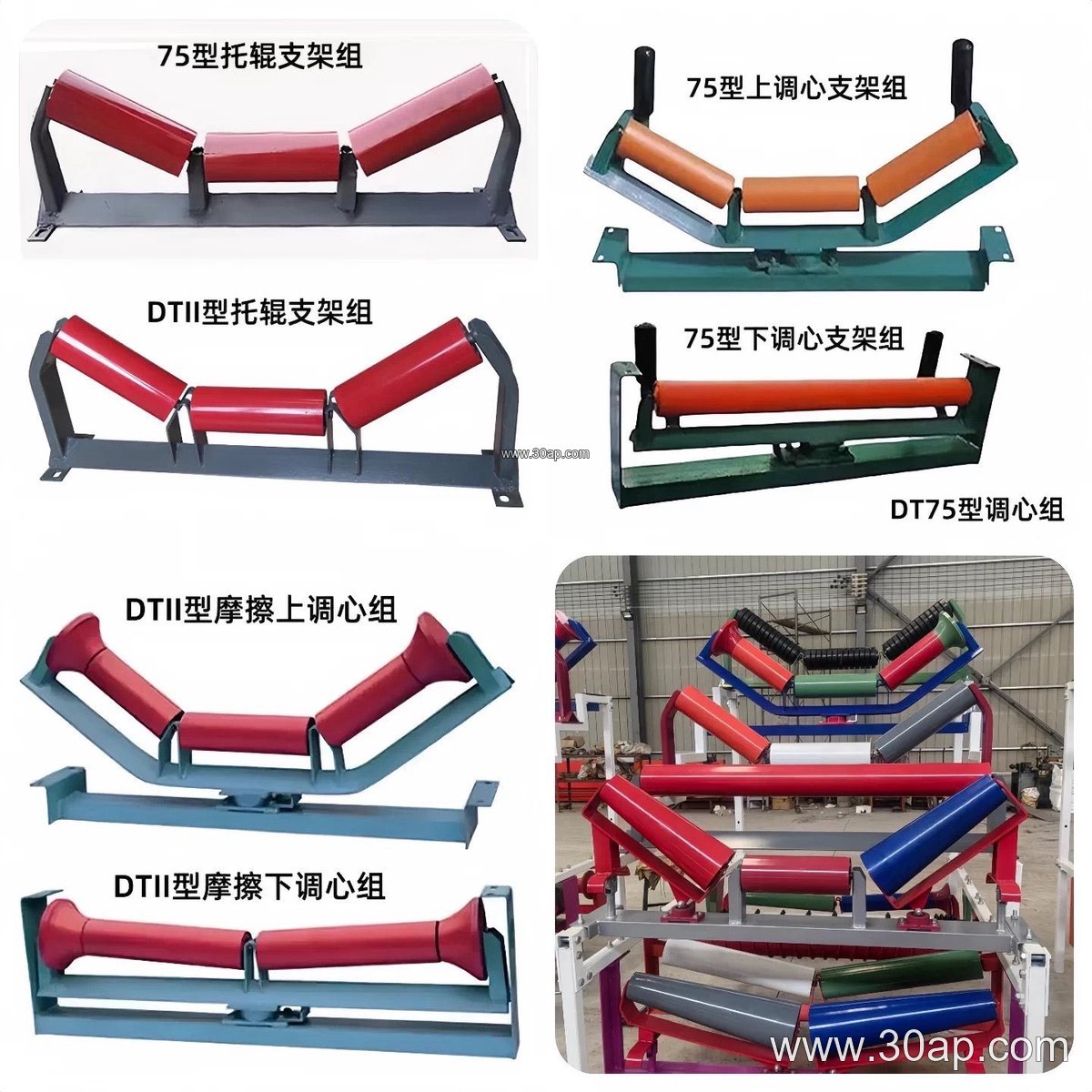
Common configurations include trough brackets, return brackets, V-return brackets, transition brackets, impact brackets, self-aligning brackets, and adjustable brackets. Each has a distinct role. A trough bracket sets the belt into a trough profile; a V-return bracket supports the empty side; an impact bracket sits under the loading point to absorb shock. These are separate product types and should not be treated as interchangeable.
Where It Fits in the Conveyor Line
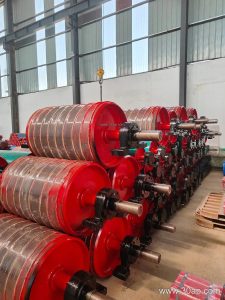
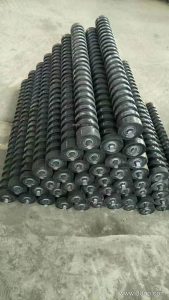
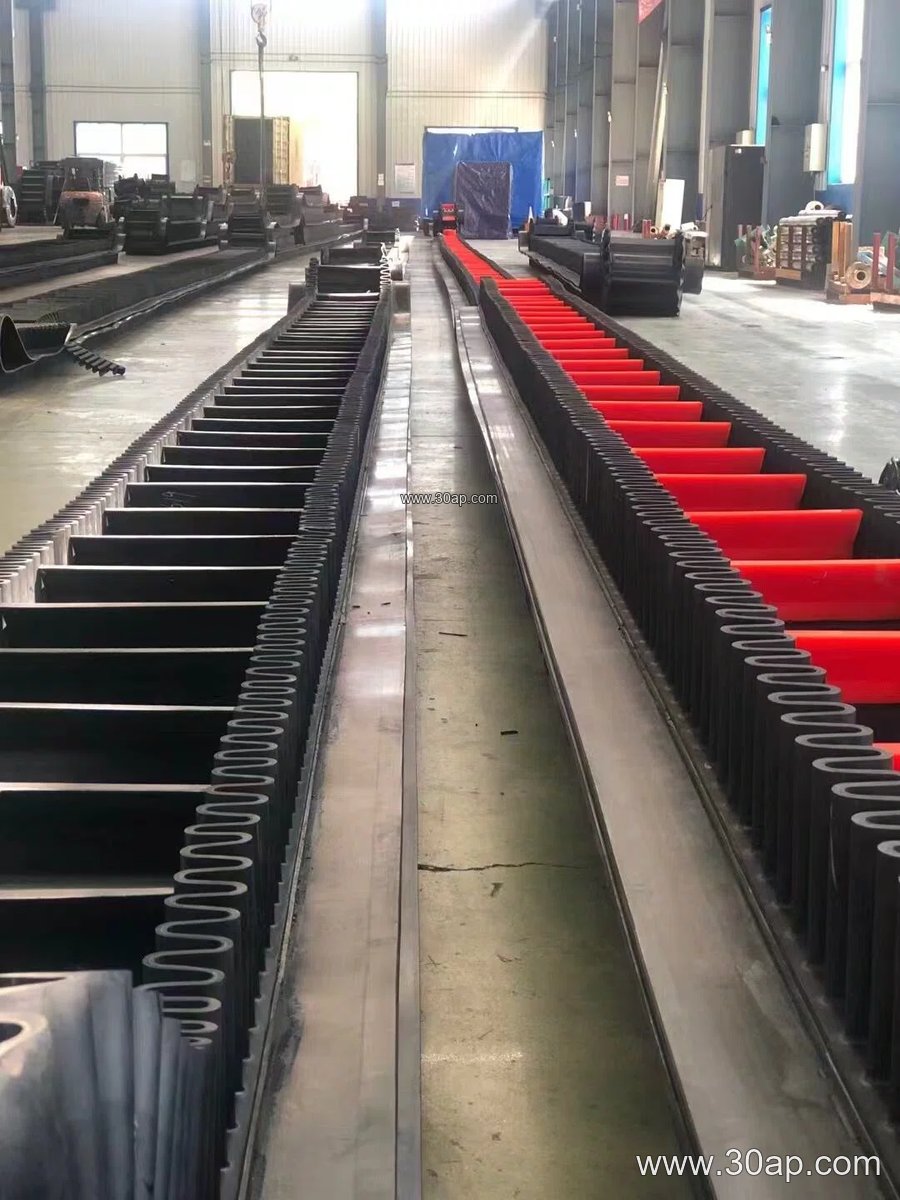
The bracket works together with the conveyor belt, idler roller, and conveyor pulley. In a stope or a crushing circuit, the heavy-duty conveyor bracket sits under a heavy-duty mining conveyor belt and keeps the rollers at the correct angle so the belt does not sag or spill material. In a power plant coal yard, the same bracket family supports the belt through transfer towers and loading points. The bracket must match the roller diameter and the frame spacing; a mismatched bracket can cause belt edge wear or roller misalignment.
Common Reference Parameters
The values below are reference ranges, not fixed rules. Actual selection depends on the conveyor design, load, and site conditions.
| Parameter | Common Reference Values |
|---|---|
| Belt width | B500, B650, B800, B1000, B1200, B1400, B1600, B1800, B2000 |
| Trough angle | 20°, 30°, 35°, 45° |
| Roller diameter | Ø89, Ø108, Ø133, Ø159, Ø194 |
| Bracket material | Angle steel, channel steel, folded steel plate |
A practical example is a B800 frame with a 35° trough angle and Ø108 rollers. Another typical combination is B1200 with a 45° trough angle and Ø133 rollers. A B650 line may use 30° and Ø89 rollers. These are examples only; a wide belt does not automatically require a single roller diameter, and a given belt width does not lock the trough angle to one value.
Adjustable Versus Fixed Brackets
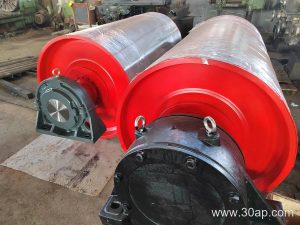
Adjustable brackets allow the trough angle to be changed within a range, which helps during commissioning or when material flow changes. Fixed brackets are simpler and stiffer, and they suit lines where the profile is already settled. On a long overland conveyor or in a tunnel muck removal line, adjustable units can reduce the need to replace the whole bracket when the belt tracking needs correction. For the tail end and the drive end, the bracket works alongside the tail pulley and drive pulley, but it does not replace them.
What Buyers Should Check
- Confirm the belt width, trough angle, and roller diameter together, not in isolation.
- Check mounting hole spacing and crossbeam length against the actual frame drawing.
- Match the bracket material to the site: abrasive dust, moisture, or heat.
- Ask how the bracket behaves under impact loading if it sits below a crusher or transfer point.
- Keep spare brackets for the loading zone, where shock loads are highest.
In short, the heavy-duty conveyor bracket is a small but critical link between the frame and the roller set. For a coal mining conveyor belt, an EP conveyor belt, or a steel cord conveyor belt, the right bracket keeps the belt profile stable and the rollers turning freely. Buyers who treat the bracket as part of the whole conveyor system, rather than as a minor accessory, usually get longer belt and roller life from the same line.