Understanding the Three-Roll Idler Bracket
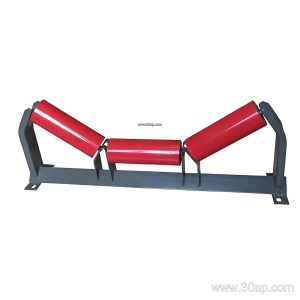
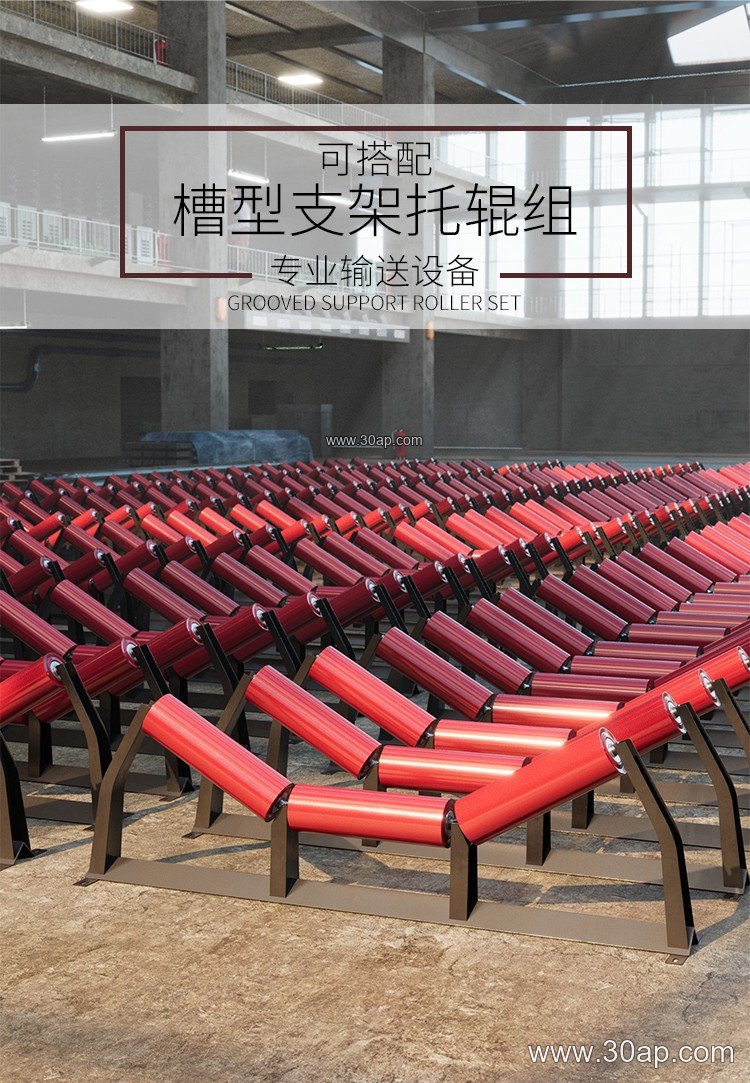
A three-roll idler bracket is the structural component that holds three idler rollers in a troughing arrangement on the carrying side of a conveyor. It positions the center roll horizontally and the two side rolls at an incline, creating a trough that keeps bulk material centered on the conveyor belt. This bracket is often called a troughing idler bracket or simply a three-roll bracket, and it is a key part of the idler assembly in mining, quarrying, cement, and power plant conveyor systems.
Construction and Materials
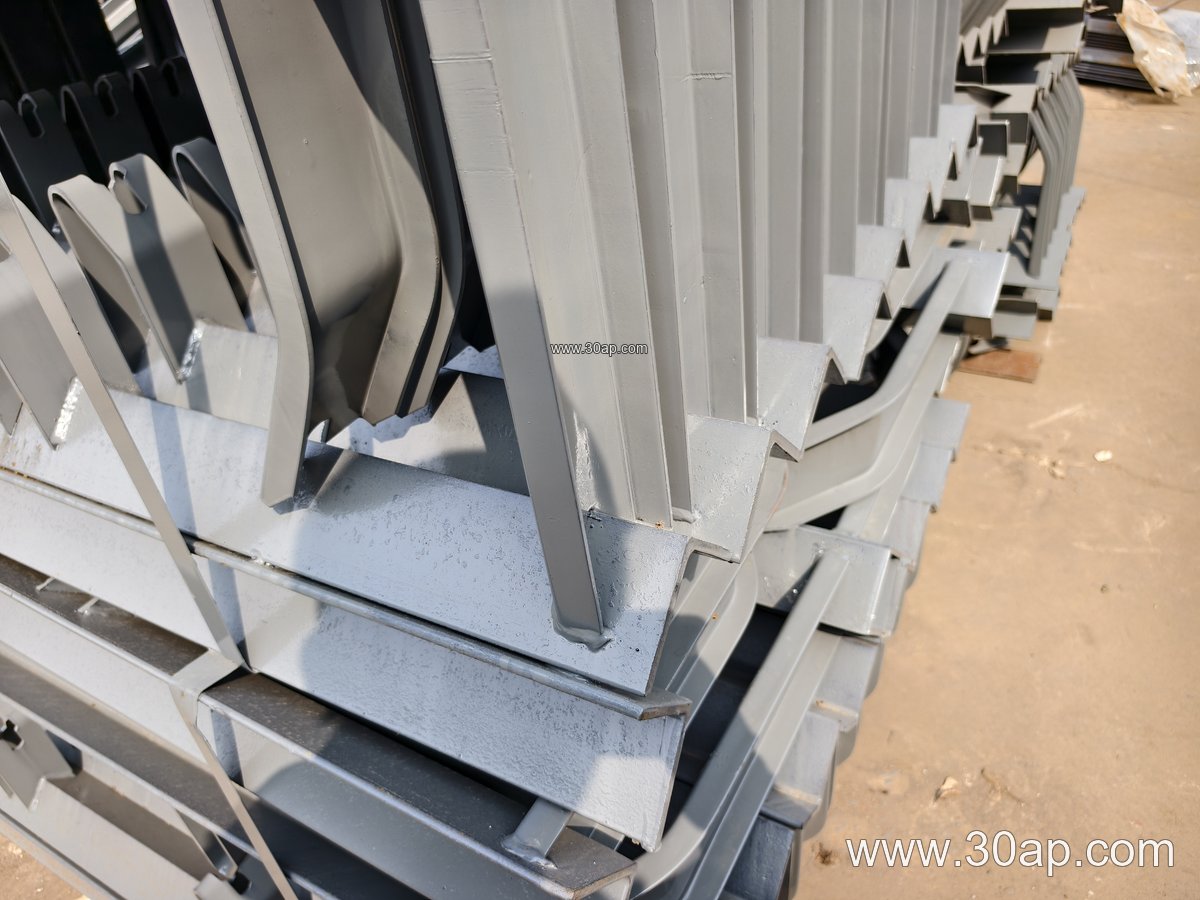
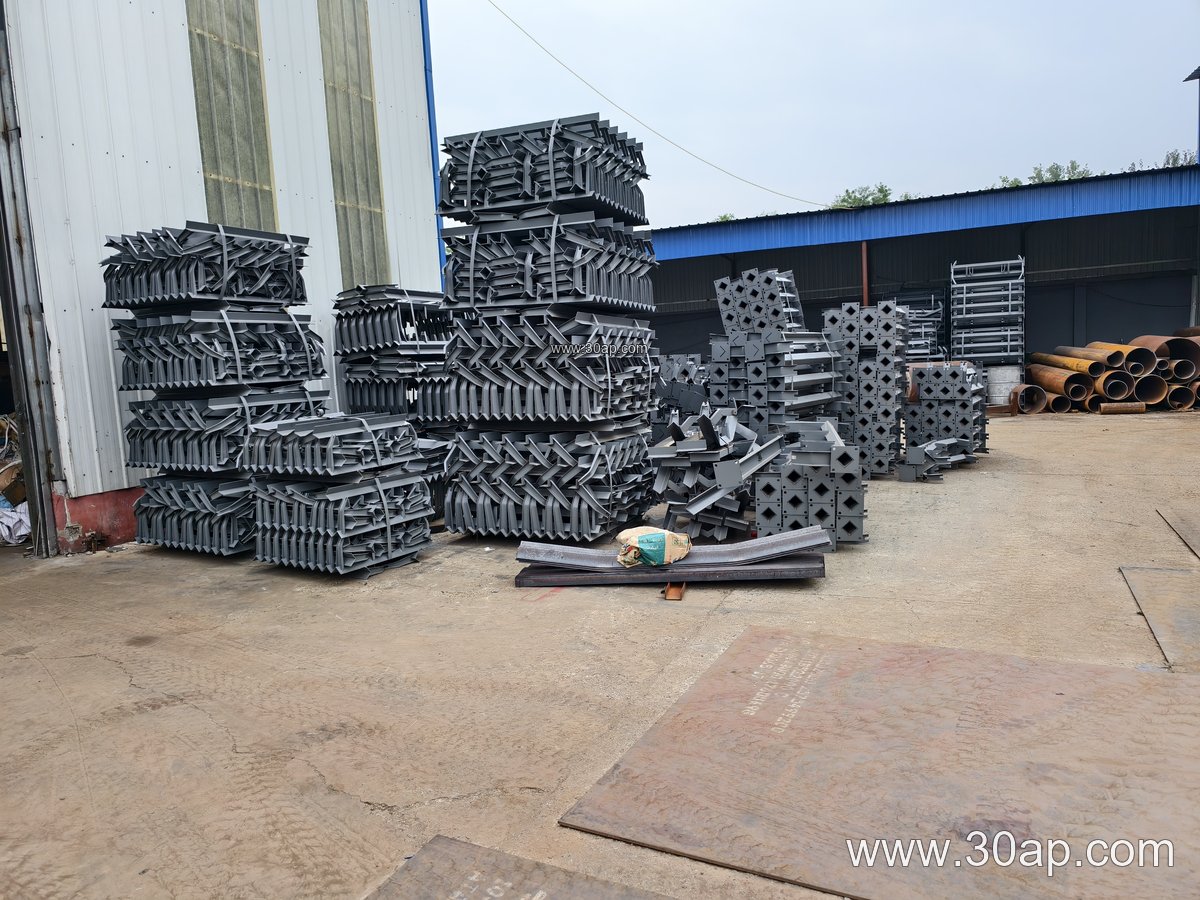
Most three-roll idler brackets are fabricated from angle steel, channel steel, or folded steel plate. The choice of material and thickness depends on the load and the belt width. The bracket typically includes mounting slots or holes that allow the idler shafts to be fixed at a specific trough angle. Common trough angles are 20, 30, 35, and 45 degrees. Adjustable versions allow the angle to be changed within a range, which is useful when the same bracket design serves different belt widths or material characteristics. The bracket must be sturdy enough to resist vibration and impact from large lumps, especially in primary crushing or ore handling.
Where It Is Used
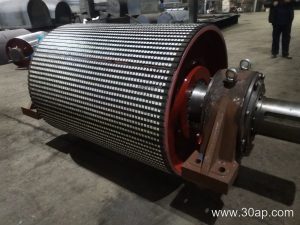
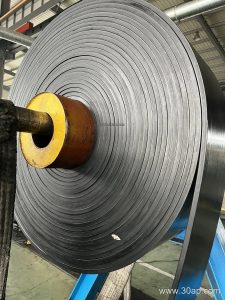
Three-roll idler brackets are found on the carrying side of belt conveyors in many industries. In a quarry or sand and gravel line, they support the conveyor belt that carries crushed stone. In a coal washing plant or power plant coal handling system, they help maintain the trough shape for coal and coke. In cement plants, they are used on clinker and raw meal conveyors. The bracket works together with the conveyor belt, idler roller, and conveyor pulley to ensure smooth material transport. For heavy-duty mining conveyors, a robust three-roll bracket is essential to keep the belt aligned and reduce spillage.
Matching Brackets with Belt and Rollers
Selecting the right three-roll idler bracket involves considering the belt width, the idler roller diameter, and the trough angle. Typical belt widths include B500, B650, B800, B1000, B1200, B1400, B1600, B1800, and B2000. The roller diameter may be Ø89, Ø108, Ø133, Ø159, or Ø194, depending on the load and belt speed. A common combination for a medium-duty application might be B800, 35 degrees, and Ø108, but many other combinations are possible. The bracket’s mounting hole spacing and crossbeam length are determined by the belt width and trough angle, so these dimensions are not fixed universal values. When replacing a bracket, always confirm the existing idler shaft diameter and mounting pattern.
Typical Reference Combinations
| Belt Width | Trough Angle | Idler Diameter | Bracket Type |
|---|---|---|---|
| B650 | 30° | Ø89 | Fixed troughing |
| B800 | 35° | Ø108 | Fixed or adjustable |
| B1000 | 35° | Ø133 | Adjustable |
| B1200 | 45° | Ø133 | Heavy-duty fixed |
| B1400 | 35° | Ø159 | Heavy-duty fixed |
| B1600 | 45° | Ø194 | Heavy-duty fixed |
These values are for reference only; actual selection should follow the conveyor design and material properties.
Fixed vs. Adjustable Brackets
Fixed three-roll brackets hold the idlers at a set trough angle, offering simplicity and rigidity. Adjustable brackets allow the trough angle to be modified, which can help optimize material containment when belt loading changes. Adjustable types are also useful during commissioning. However, adjustable brackets may have more components and require periodic inspection of fasteners. The choice depends on the conveyor’s duty and the operator’s preference. For a stable, high-tonnage overland conveyor, fixed brackets are common. For a shuttle conveyor or a system handling variable materials, adjustable brackets may be preferred.
Buyer Checklist
- Confirm the belt width and the required trough angle for your conveyor.
- Check the idler roller diameter and shaft end type to ensure compatibility.
- Verify the mounting hole spacing and crossbeam length; these vary with belt width and angle.
- Consider the material and thickness of the bracket for impact and corrosion resistance.
- For replacement, match the existing bracket’s dimensions or consult the conveyor design drawing.
Whether you are building a new conveyor for an iron ore mine or upgrading a cement plant line, the three-roll idler bracket is a small but critical part. Pair it with quality conveyor belt and conveyor pulley components, and maintain proper alignment to extend service life. For more information on conveyor components, visit example.com/conveyor-idler-bracket or explore our ranges of idler roller and conveyor bracket products.