Understanding the Five-Roll Idler Bracket
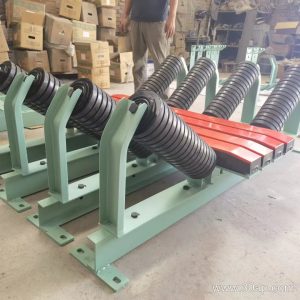
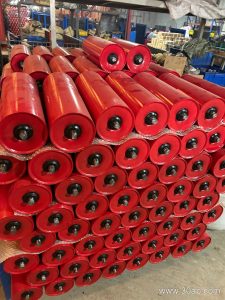
The Five-Roll Idler Bracket is a heavy-duty support structure designed to hold five idler rollers in a troughing configuration. This bracket is typically used on the carrying side of a conveyor belt where wide belts and high material loads demand extra support. Unlike standard three-roll brackets, the five-roll design distributes the load across more rollers, reducing belt sag and extending the service life of both the belt and the idlers. In industries such as mining, cement plants, and power plants, this bracket helps maintain proper belt training and smooth material transport.
Construction and Design Features
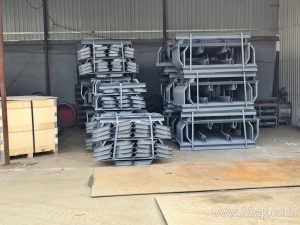
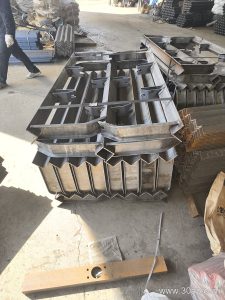
Five-roll brackets are usually fabricated from angle steel, channel steel, or bent steel plates. The frame includes mounting points for five idler rollers: typically two outer inclined rollers, two inner inclined rollers, and one central horizontal roller. This arrangement creates a deep trough that can accommodate large lumps and high volumes of bulk material without spillage. The bracket may be fixed or adjustable, allowing the trough angle to be set between common values such as 20, 30, 35, or 45 degrees. Adjustable versions are useful when belt loading conditions vary or when optimizing belt capacity.
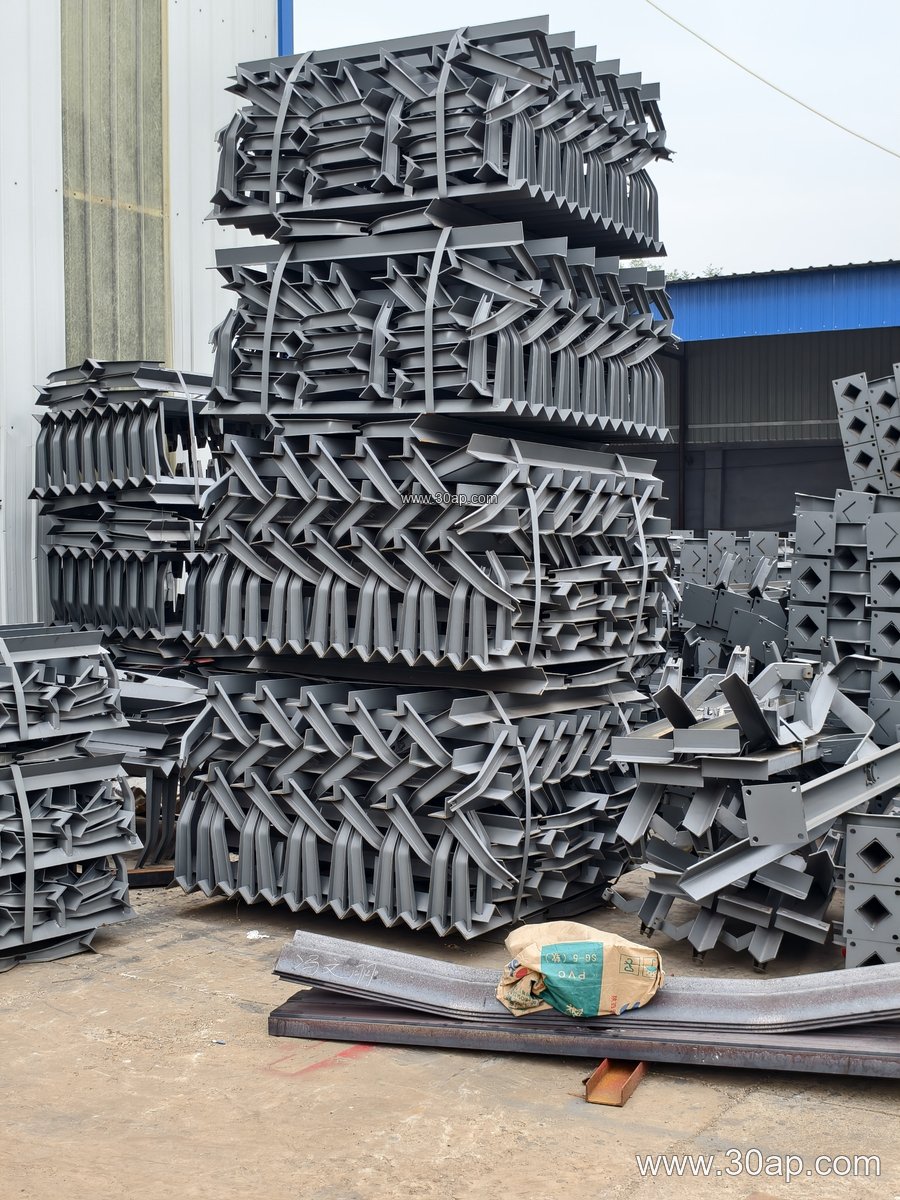
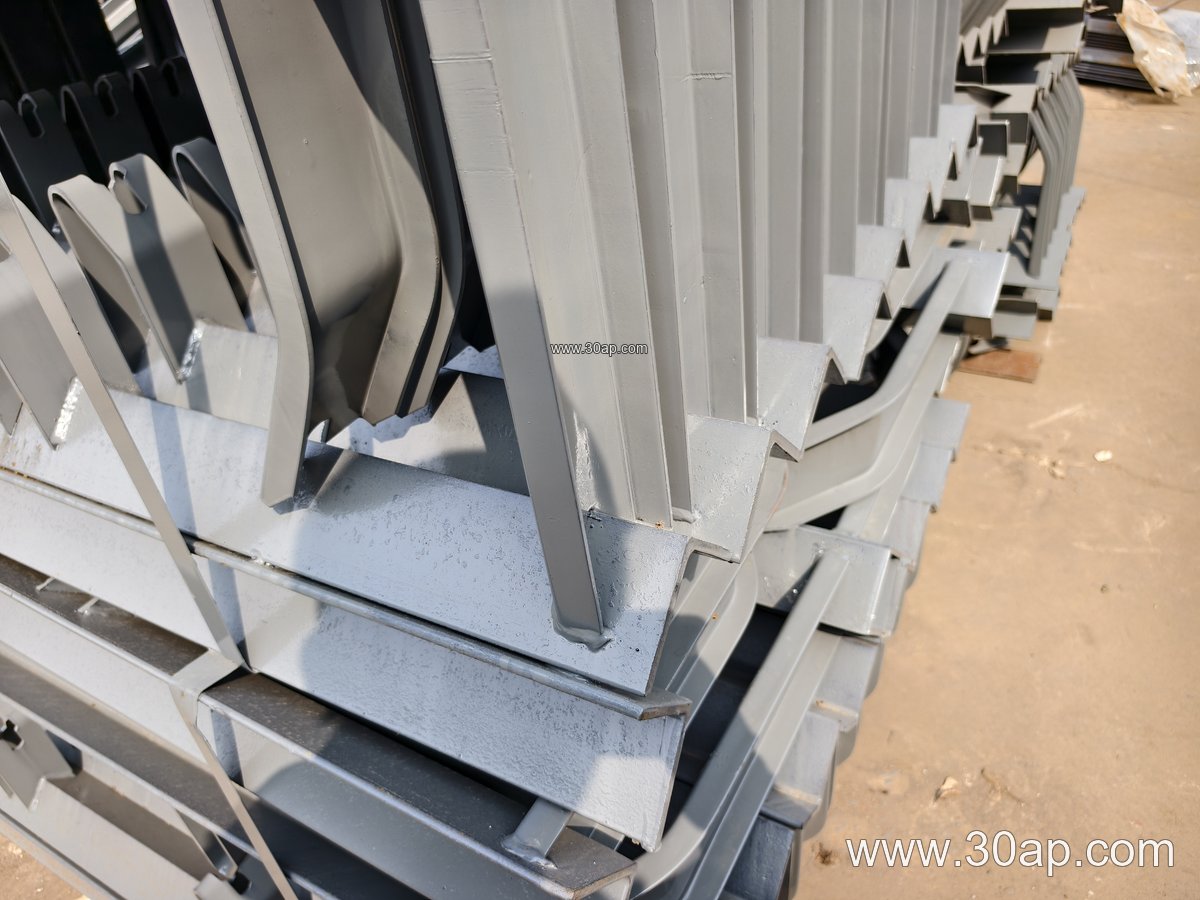
Key parameters are often tailored to the conveyor width and the roller diameter. For example, a bracket for a B1200 belt might use Ø133 rollers at a 35-degree trough angle, while a B1800 system could employ Ø159 rollers at 45 degrees. These combinations are not fixed rules; they are selected based on engineering calculations for belt tension, material weight, and impact forces.
Where It Is Used
The five-roll idler bracket is particularly beneficial in applications where belt widths exceed 1400 mm or where material loads are uneven and heavy. In a limestone quarry, for instance, a wide conveyor belt carrying large rocks benefits from the additional support to prevent belt edge damage. Similarly, in a coal mining operation, the bracket helps maintain belt alignment under high tonnage. It is also found in iron ore terminals and aggregate plants where reliability is critical.
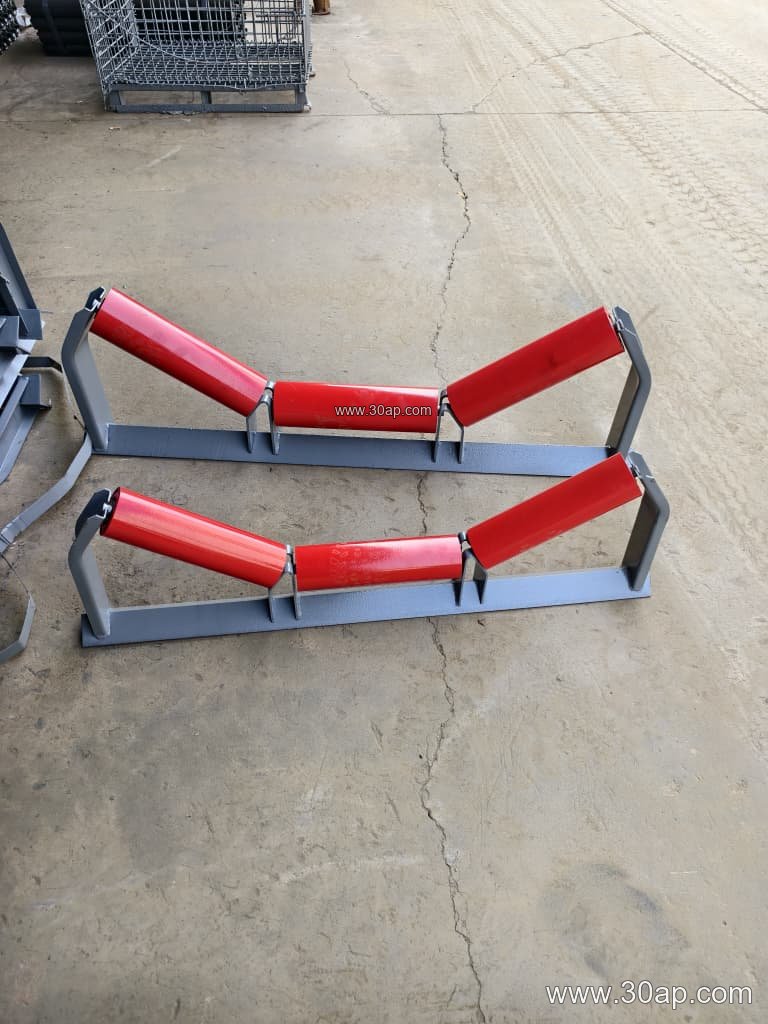
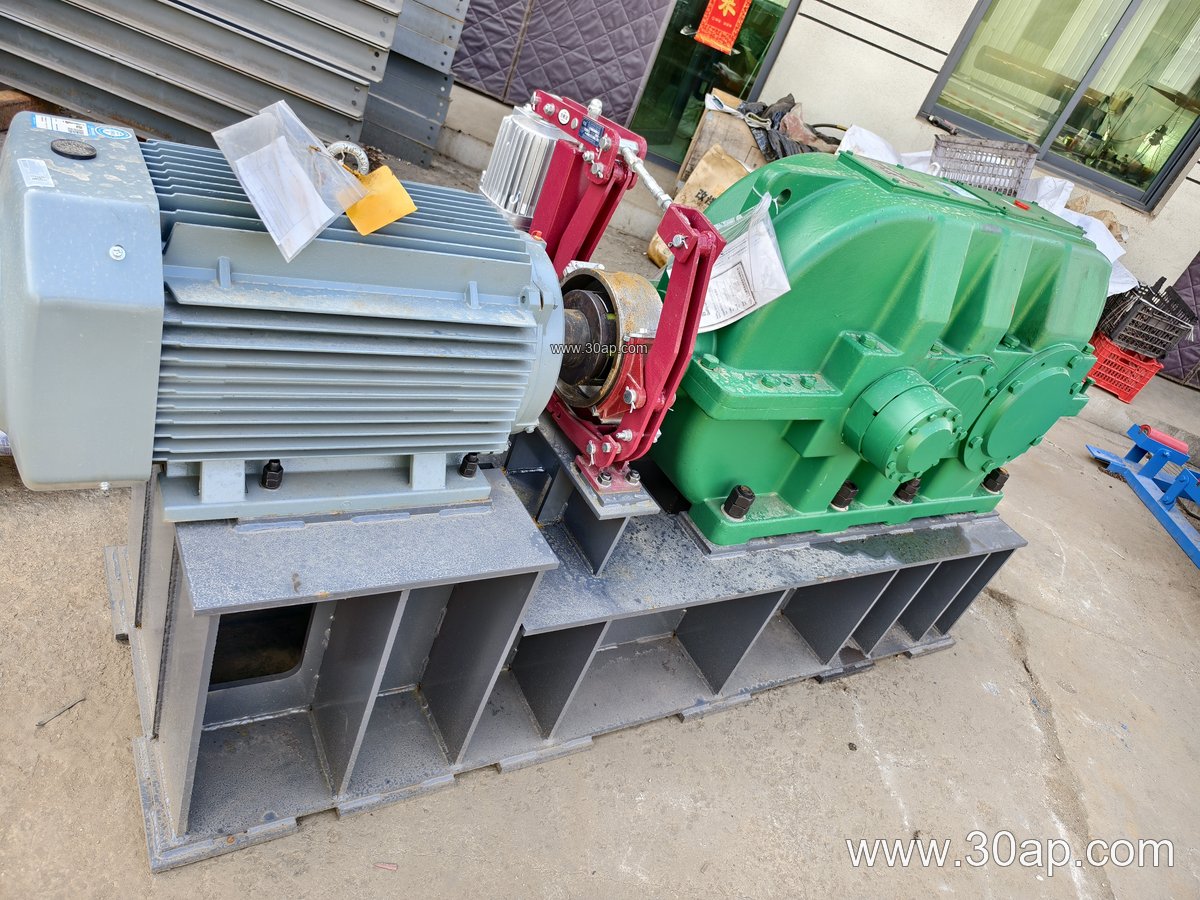
This bracket is not a substitute for drive pulleys, tail pulleys, or bend pulleys; it is a carrying-side support component. It works in conjunction with the conveyor belt, idler rollers, and conveyor pulley to ensure a stable conveyor system.
Selection and Maintenance Tips
When selecting a five-roll bracket, buyers should consider the belt width, the desired trough angle, and the roller diameter. Common belt widths include B800, B1000, B1200, B1400, B1600, and B1800. Roller diameters often range from Ø89 to Ø194, with larger diameters used for heavier loads. The bracket material and thickness should match the load requirements; channel steel or bent steel plate is common for high-impact zones.
Maintenance involves regular inspection of the bracket for wear, corrosion, or deformation. Keeping the idlers aligned and lubricated ensures the bracket performs as intended. In dusty environments such as cement plants or coal handling facilities, cleaning around the bracket prevents material buildup that could misalign the belt.
For more information on conveyor components such as conveyor belt and idler roller, please visit our website at www.example.com/conveyor-belt and www.example.com/idler-roller. Our range also includes EP Conveyor Belt, Steel Cord Conveyor Belt, and Flame Retardant Conveyor Belt to complement your conveyor system.