What a Parallel Idler Bracket Does on a Conveyor
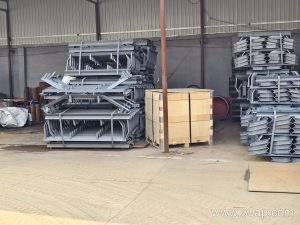
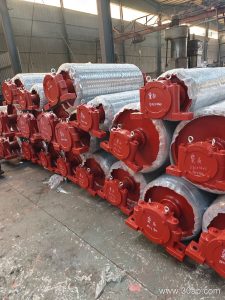
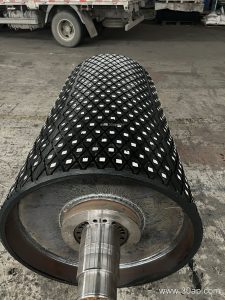
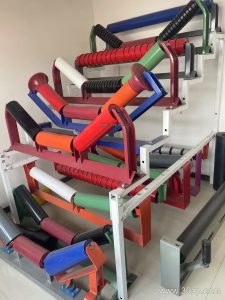
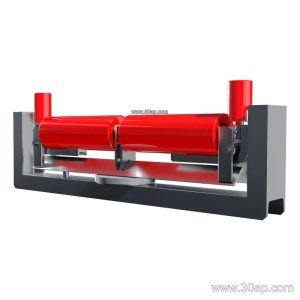
A parallel idler bracket is the stationary frame that holds the idler rollers in a parallel position beneath the carrying or return side of a conveyor belt. Unlike a troughing bracket, which tilts the rollers upward to form a cradle, this bracket keeps the rollers level and in line with the belt path. In a coal handling system or a cement plant, the parallel arrangement is often chosen for the return strand, where the belt runs flat and only needs steady support rather than deep loading capacity. The bracket works together with the conveyor belt, the idler rollers and the conveyor pulley to keep the whole line tracking smoothly.
Construction and Mounting
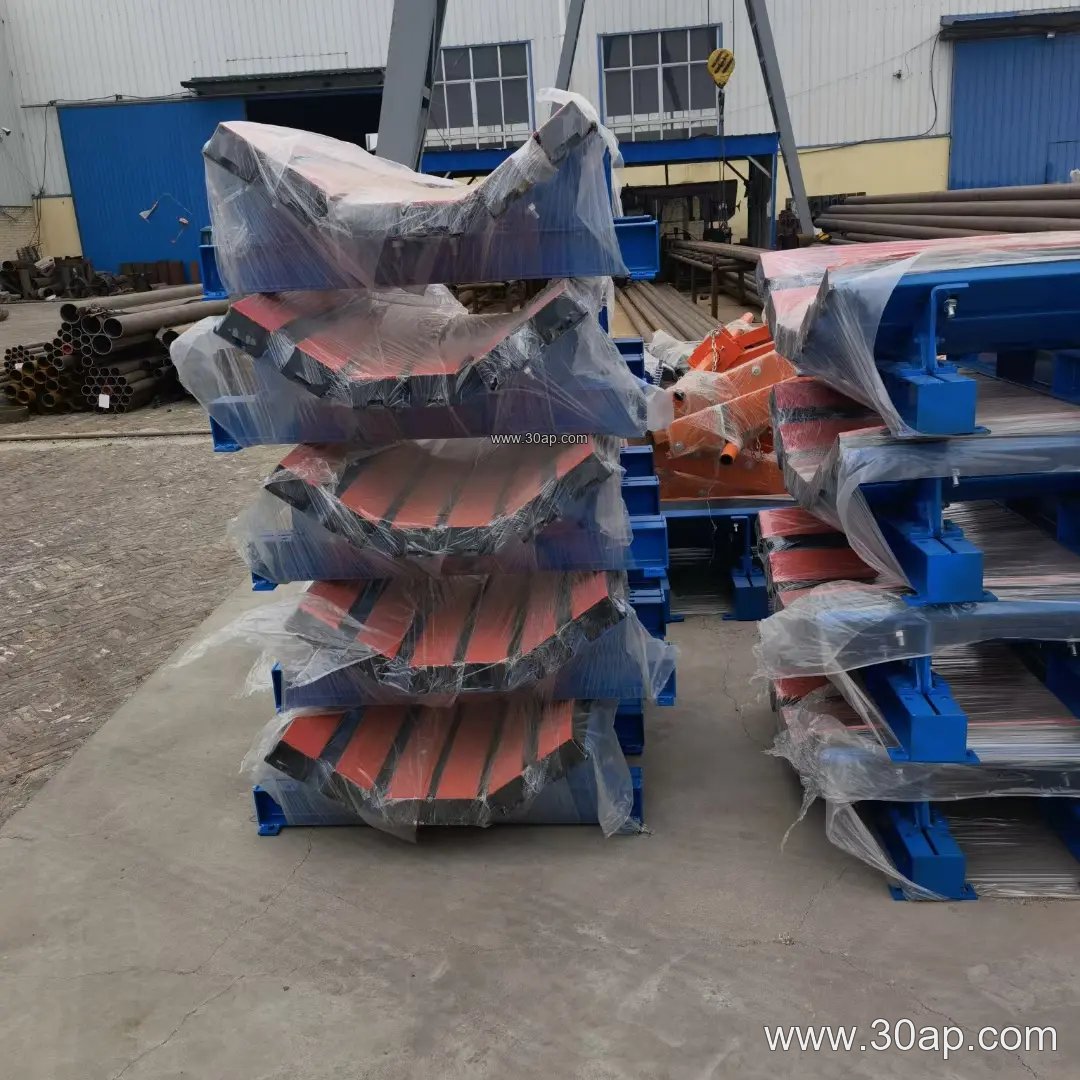
Most parallel idler brackets are fabricated from angle steel, channel steel or bent steel plate. The frame is welded or bolted into a rigid crossbeam that spans the conveyor structure, with mounting holes positioned to suit the belt width and the roller spacing. The bracket may be fixed or adjustable; adjustable versions allow small corrections at installation so the rollers sit square to the belt centerline. Where the belt is wide, the crossbeam length and hole pitch usually change, so the bracket is normally ordered against the actual conveyor design rather than a single universal size.
Typical reference values that appear in conveyor layouts include:
| Item | Common reference range |
|---|---|
| Belt width B | B500, B650, B800, B1000, B1200, B1400, B1600 |
| Idler diameter | Ø89, Ø108, Ø133, Ø159 |
| Bracket material | Angle steel, channel steel, bent plate |
| Mounting style | Fixed or adjustable |
These figures are reference data, not fixed combinations. A B800 belt may run with Ø108 rollers in one plant and Ø133 rollers in another, depending on load and belt speed.
Where the Parallel Bracket Fits in a Conveyor Line
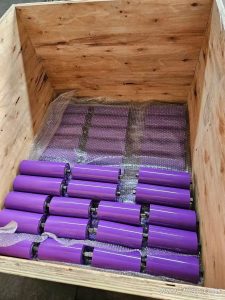
On a long overland or plant conveyor, the parallel bracket usually appears on the return run, supporting the empty belt after it leaves the drive pulley and before it reaches the tail pulley. It is also used on flat carrying sections where the material does not need a trough profile, such as certain transfer points in a limestone quarry or a sand and gravel line. In a power plant coal yard, the return idlers on parallel brackets help control belt sag and reduce flapping on the open span. Because the bracket does not create a trough, it is paired with flat return rollers rather than with three-roll troughing sets.
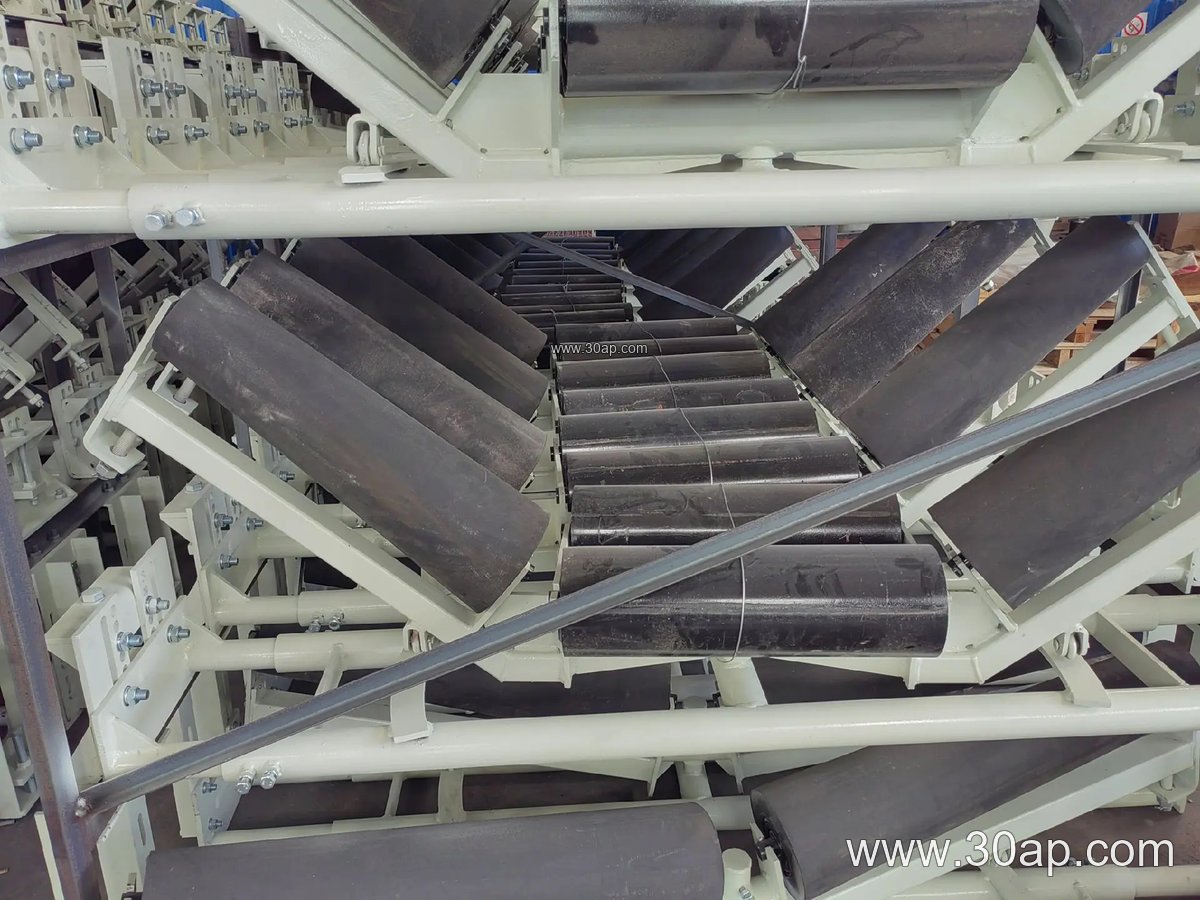
For comparison, a troughing bracket at 35 degrees or 45 degrees is used where the belt must carry bulk material without spillage, while the parallel type suits the flat return side. A V-return bracket is another subtype used to train the belt, and it should not be confused with the parallel frame. Each has its own place, and replacing one with another changes belt behavior.
Compatibility with Belts and Rollers
The bracket must match the roller shaft ends and the belt width. Heavy belts such as a Steel Cord Conveyor Belt or a thick EP Conveyor Belt place higher loads on the return rollers, so the frame needs enough stiffness to avoid deflection. In dusty or wet conditions, as found in a wash coal plant, the bracket should allow the roller to be removed without cutting the frame. Plants handling abrasive ore often combine a parallel return bracket with an Abrasion Resistant Conveyor Belt and sealed idler rollers to extend service life. In food or grain silo applications, a smooth, easily cleaned bracket surface is preferred.
Buyer Checklist
- Confirm belt width and the roller diameter the bracket will carry.
- State whether the frame is for the carrying side or the return side.
- Ask for the mounting hole pitch and crossbeam length, since these follow the conveyor design.
- Choose fixed or adjustable mounting according to how much alignment correction is expected.
- Match the bracket material to the environment, such as wet, dusty or high-load service.
- Check that the roller shaft end type fits the bracket slot.
A well-matched parallel idler bracket is a small part of the conveyor, but it keeps the return belt stable and reduces wear on the belt and the conveyor pulley. Buyers who share the full conveyor layout, including belt type and idler size, usually get a frame that installs without modification.