What a Vertical Guide Roller Does
A vertical guide roller is a small-diameter idler mounted upright along the edge of a conveyor belt, usually just outside the belt line. Its job is to keep the belt from wandering sideways, to guide the belt through load zones, and to protect the belt edge from rubbing against structure. In a quarry, a cement plant, or a coal handling system, this roller is often the first line of defense against belt misalignment. It is not a substitute for a training idler or a return roller; it is a dedicated guide component that works alongside the main idler roller set.
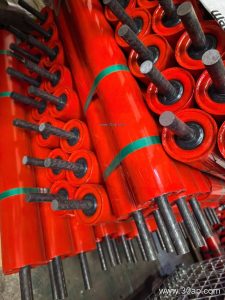
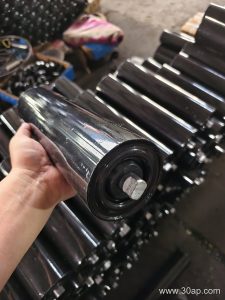
The roller is built around a steel tube body, a shaft, and sealed bearings. Common shaft diameters and bearing sizes are selected to match the load and speed, but no single bearing size is tied to one belt width. The outer surface may be plain steel, nylon, rubber-covered, or ceramic-lined, depending on whether the application needs low friction, impact cushioning, or wear resistance. The mounting bracket is usually a simple plate or angle that bolts to the conveyor frame, and it should allow height and lateral adjustment so the roller can be set precisely against the belt edge.
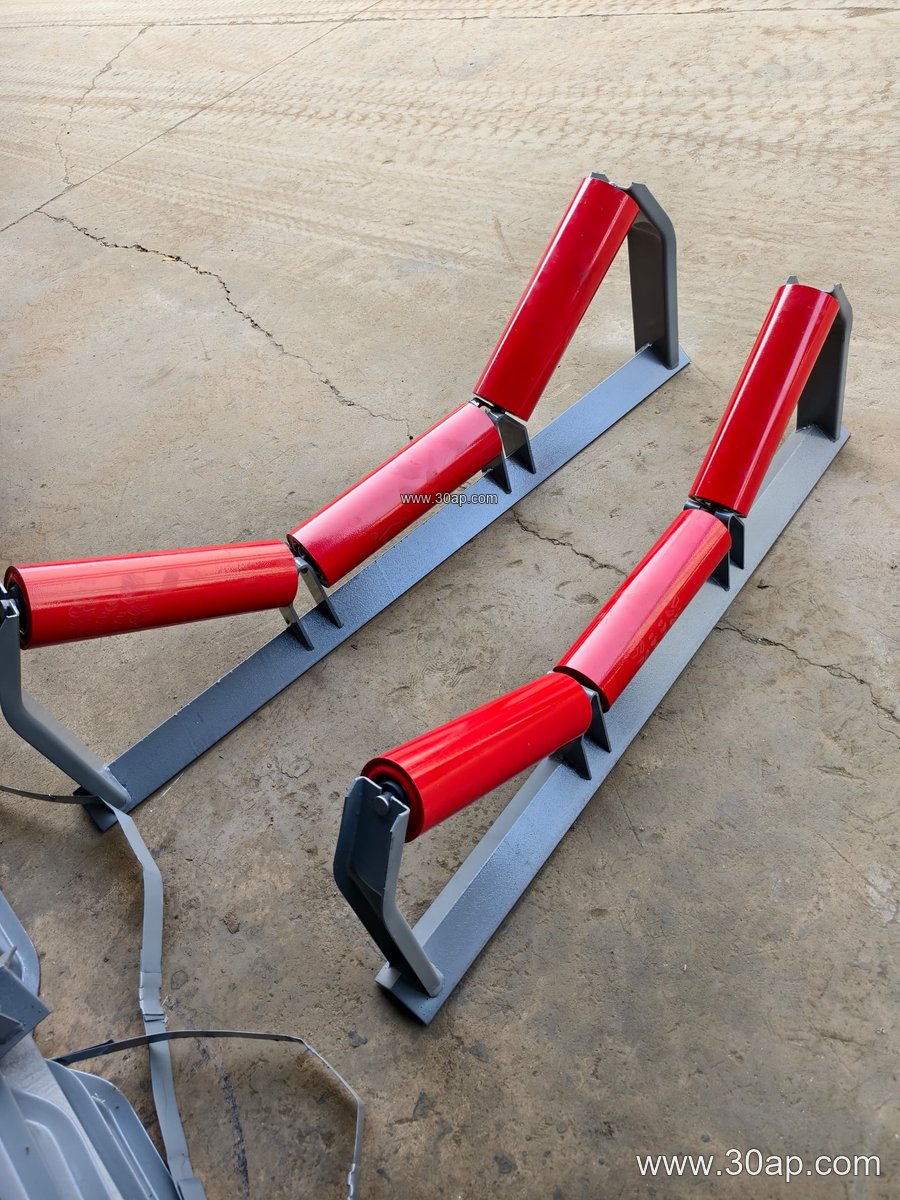
Construction and Mounting Details
A typical vertical guide roller uses a bearing housing at each end, with labyrinth or contact seals to keep out dust and grit. In a stone crushing line or a power plant coal yard, dust is constant, so the seal design matters as much as the roller diameter. The roller body is often machined to run true, because wobble at the guide point can cause edge wear instead of correction.
Mounting height is usually set so the roller contacts the belt near the center of its thickness, not at the very edge. The bracket should be rigid enough to resist vibration from the conveyor belt and the material load. When the guide roller is used near a transfer point, it may be paired with a skirted conveyor belt or a corrugated sidewall conveyor belt to contain material and reduce spillage that would otherwise push the belt off track. In underground mining conveyor belt systems, flame retardant conveyor belt grades are common, and the guide roller should be selected with compatible clearances and non-sparking considerations where required.
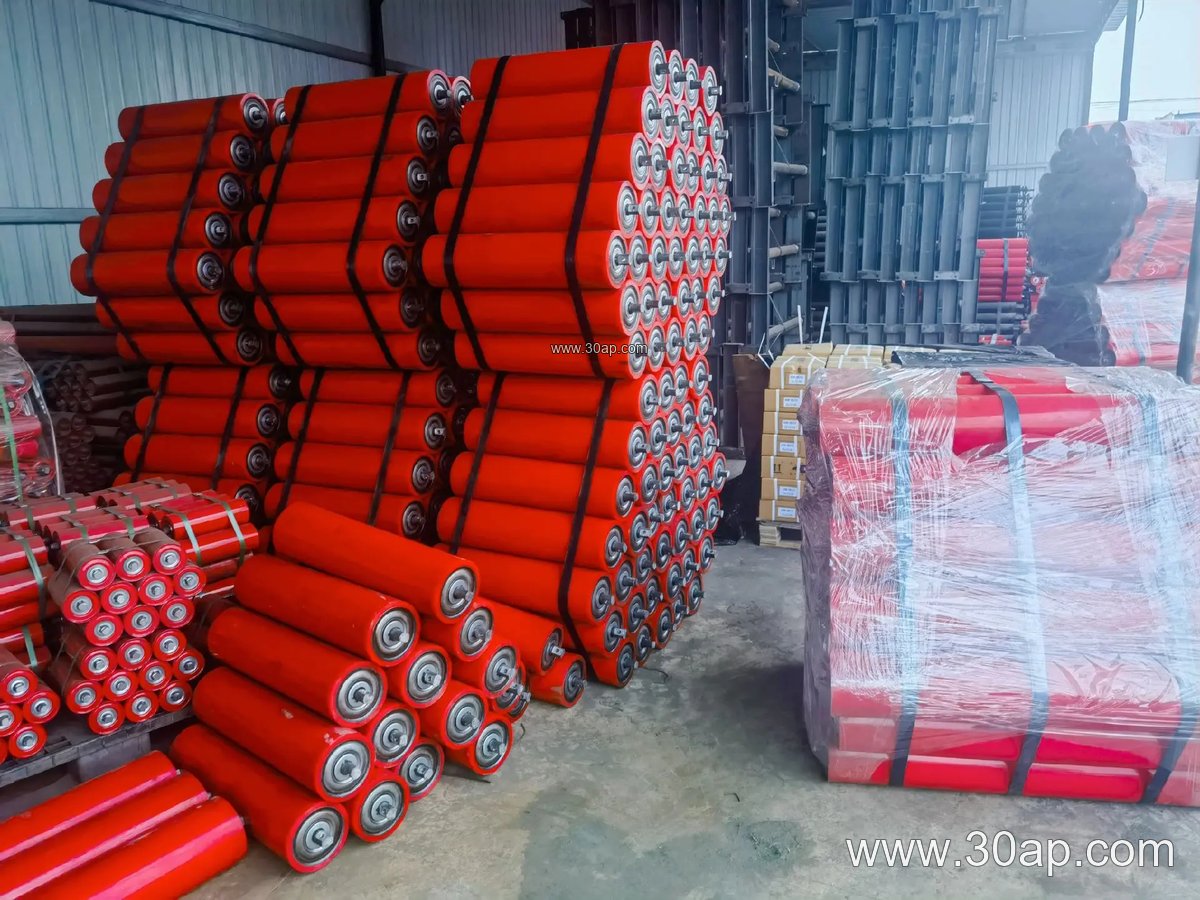
Where It Fits in Bulk Handling
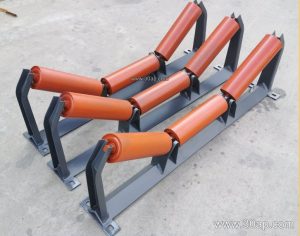
You will see vertical guide rollers in limestone mines, iron ore plants, sand and aggregate lines, and cement plants. They are also used in port ship loading conveyors and in tunnel spoil removal, where the belt path changes frequently. The roller is especially useful on the return side and near curves, where a standard idler roller may not provide enough lateral control. A V-type return roller or a training idler handles a different job, so the guide roller should be specified as an additional component, not as a replacement for those types.
In a coal washing plant or a sinter plant, the guide roller helps keep the belt centered as material loads shift. It can also be used with an abrasion resistant conveyor belt in high-wear zones, or with a heat resistant conveyor belt near hot material transfer points, provided the roller’s own temperature limit is respected. The roller does not carry the main belt load; it only guides, so its bearing load is usually lower than that of a troughing idler.
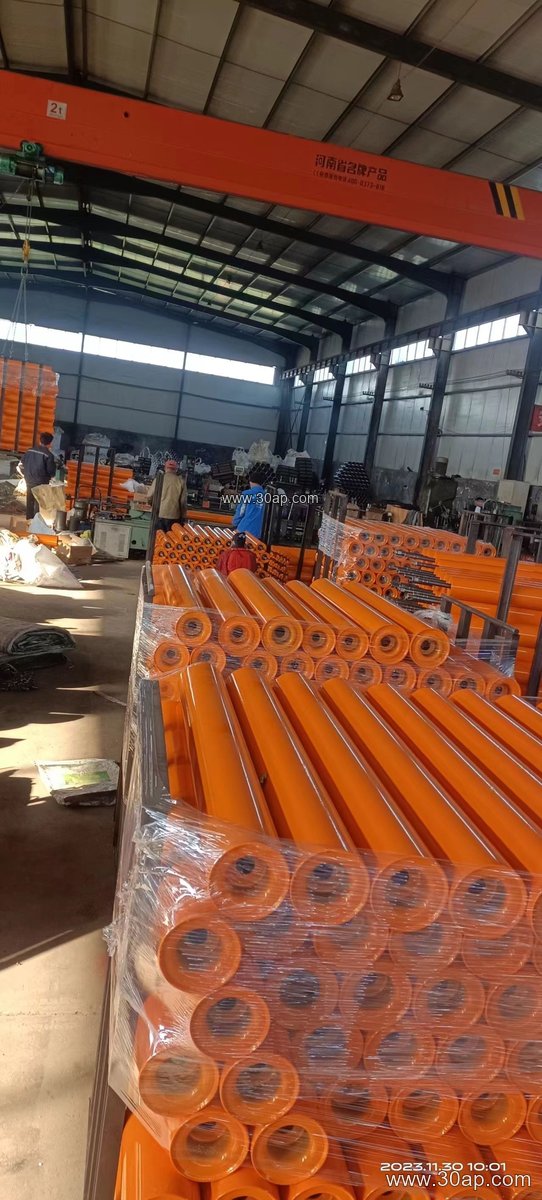
Selection Notes for Buyers
Start with the belt width and the available space on the frame. Common belt widths include B500, B650, B800, B1000, B1200, B1400, B1600, and B1800, but the guide roller size is chosen by the mounting position, not by the belt width alone. Roller diameters such as Ø63, Ø76, Ø89, Ø102, and Ø108 mm are often used for guide duty, while larger diameters may be needed for heavy-duty mining conveyor belt applications. The roller length should be confirmed against the bracket and the belt edge clearance.
Bearing selection depends on speed and load. Bearings like 6204, 6205, 6305, 6306, 6308, and 6310 appear in various idler designs, but the final choice should come from the roller manufacturer’s calculation. Surface form matters too: a rubber-covered roller can reduce belt edge abrasion, while a nylon or ceramic surface may suit sticky or abrasive materials. For coal mining conveyor belt systems, ask for flame retardant and anti-static options where the site requires them.
Maintenance and Practical Checks
Check the guide roller for free rotation at each inspection. A seized roller will flat-spot the belt edge and can cause tracking problems that look like a pulley alignment issue. Clean dust from the bracket area, verify that the mounting bolts are tight, and confirm that the roller still sits square to the belt path. If the belt edge shows fraying, adjust the roller position slightly rather than forcing the belt with a training idler. Keep a small spare set on hand for critical conveyors in a quarry or a power plant, because a failed guide roller is quick to replace but can cause expensive belt damage if ignored.