What an Impact Idler Bracket Does at the Load Point
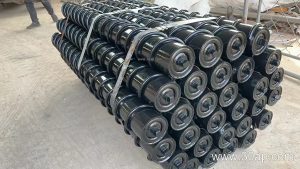
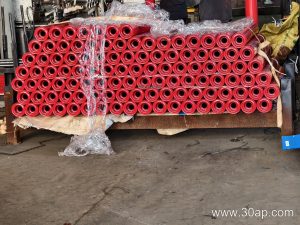
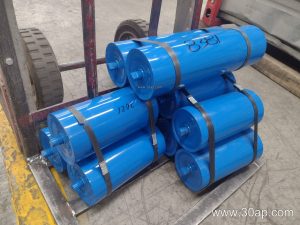
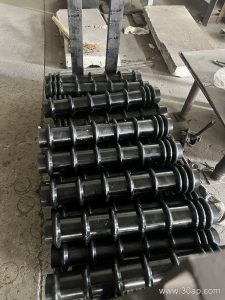
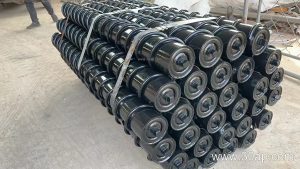
An impact idler bracket is the support frame that holds impact idler rollers directly beneath the loading zone of a conveyor belt. Where material drops from a chute, crusher discharge, or transfer point, the belt takes a concentrated hit. The bracket keeps those cushioned rollers locked at the correct height and trough angle so the belt does not sag into the structure or take the full energy of falling lump material. In a quarry, a coal wash plant, or a power plant coal yard, this small steel component often decides how long the belt and rollers survive at the head of the line.
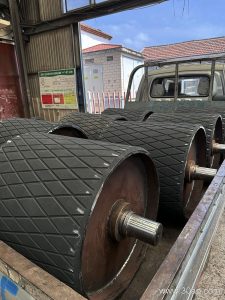
It is not a pulley component. Drive pulleys, tail pulleys, and bend pulleys are separate rotating parts at the ends and corners of the conveyor, and they are not interchangeable with any idler bracket. The impact bracket belongs to the carrying side of the conveyor, working together with the conveyor belt, idler roller, and conveyor bracket system.
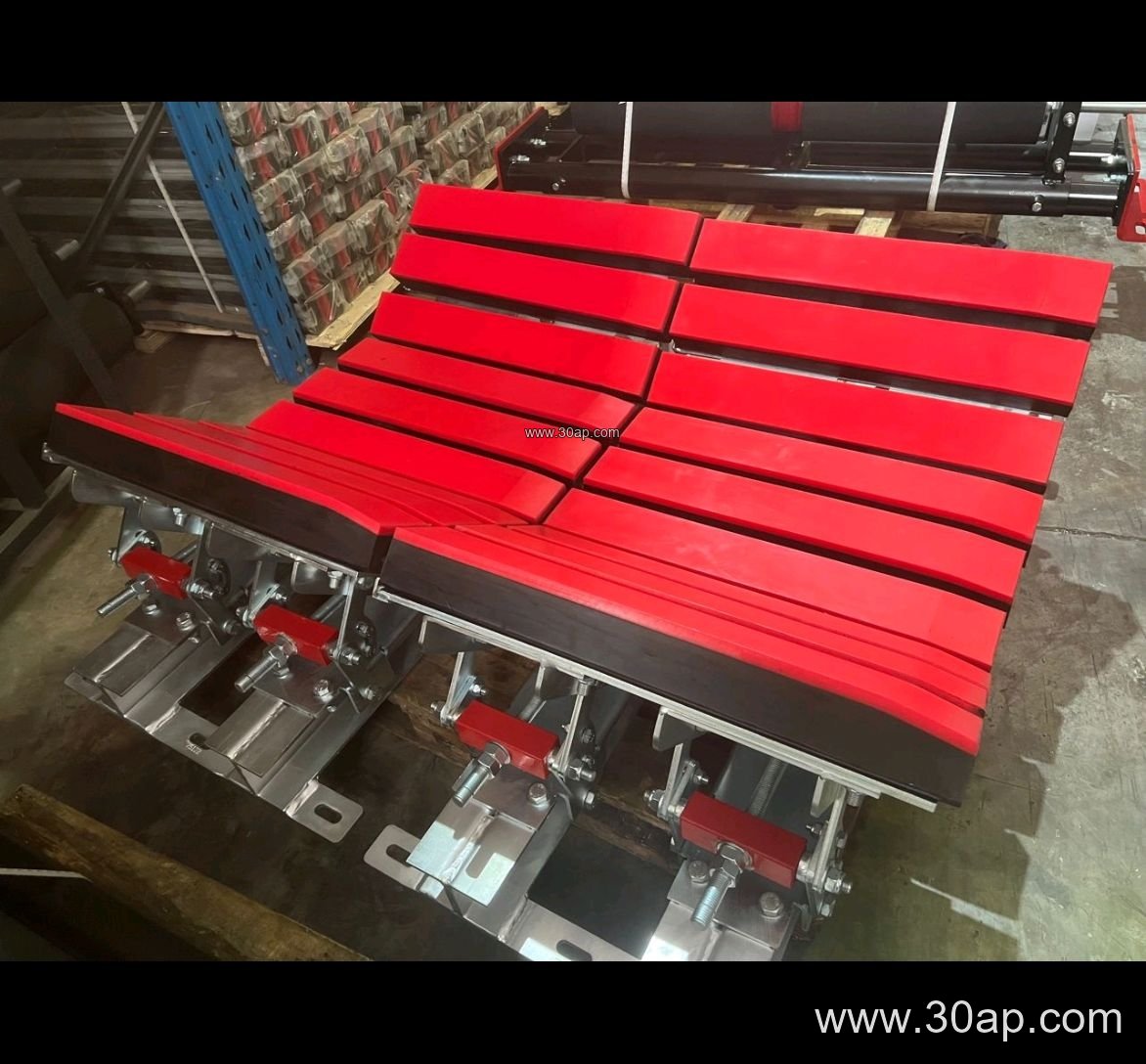
Construction and Mounting
Most impact idler brackets are fabricated from angle steel, channel steel, or folded steel plate. The frame usually provides a fixed or adjustable trough angle, mounting slots for the idler shaft, and a base that bolts to the conveyor stringer or cross beam. Rubber or spring cushions are sometimes fitted between the roller seat and the frame to absorb shock.
- Frame material: angle steel, channel steel, or bent plate
- Trough angle: commonly 20, 30, 35, or 45 degrees, fixed or adjustable
- Roller diameter: typically Ø89, Ø108, Ø133, Ø159, or Ø194 mm depending on belt width and load
- Belt width range: commonly B500 to B2200, with mounting hole spacing and beam length set by design
The bracket is installed at the transfer point, usually replacing or reinforcing standard carrying brackets for a short distance downstream of the chute. Correct alignment matters: if the bracket sits too high, the belt lifts off adjacent rollers; too low, and the impact rollers do no useful work.
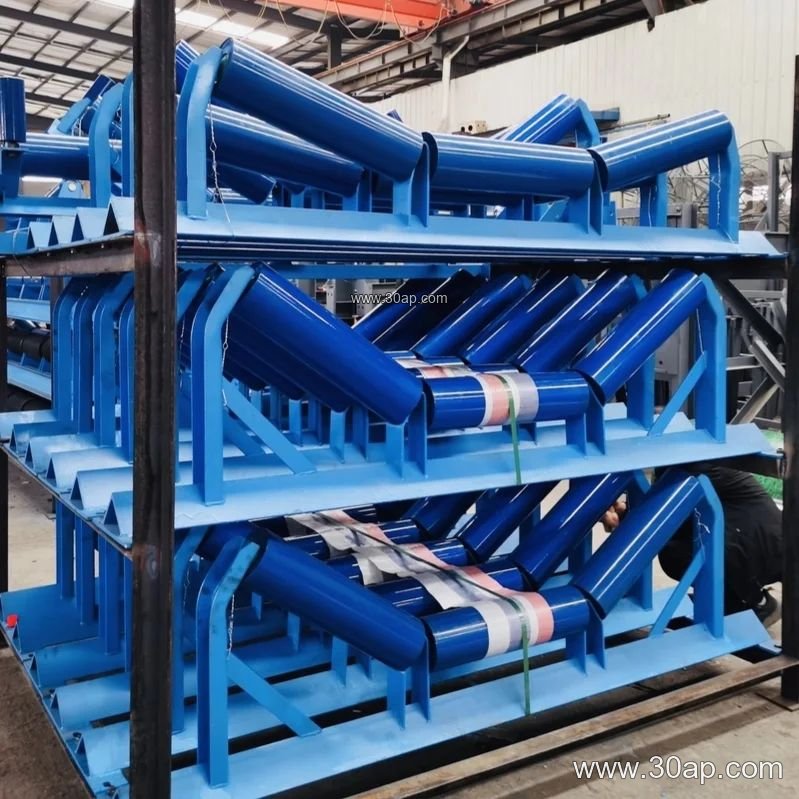
Where It Fits in the Conveyor Line
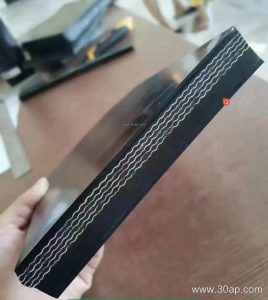
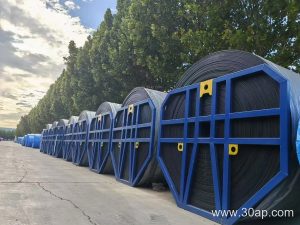
Typical locations include crusher discharge on a stone crushing line, the receiving point of a cement plant clinker conveyor, and the loading section of a port ship loader. In underground coal mining, flame retardant conveyor belt and PVG800S conveyor belt are common, and the impact bracket under the transfer chute must suit the same frame geometry. Heavy-duty mining conveyor belt with a thick cover benefits from a bracket that spreads impact across several rollers rather than one.
For comparison, a troughing idler bracket carries the normal load along the run, while a V-return bracket supports the empty side. The impact version is distinguished by its cushioning rollers and reinforced seat, not by a different belt type.
Selection Points for Buyers
Start with belt width, lump size, and drop height. A B800 line with 35 degree trough and Ø108 rollers is a common starting pattern, but a B1200 transfer point with 45 degree trough and Ø133 rollers may be needed where large rock falls far. Adjustable brackets let maintenance teams fine-tune the trough angle after installation, which is useful when material flow changes.
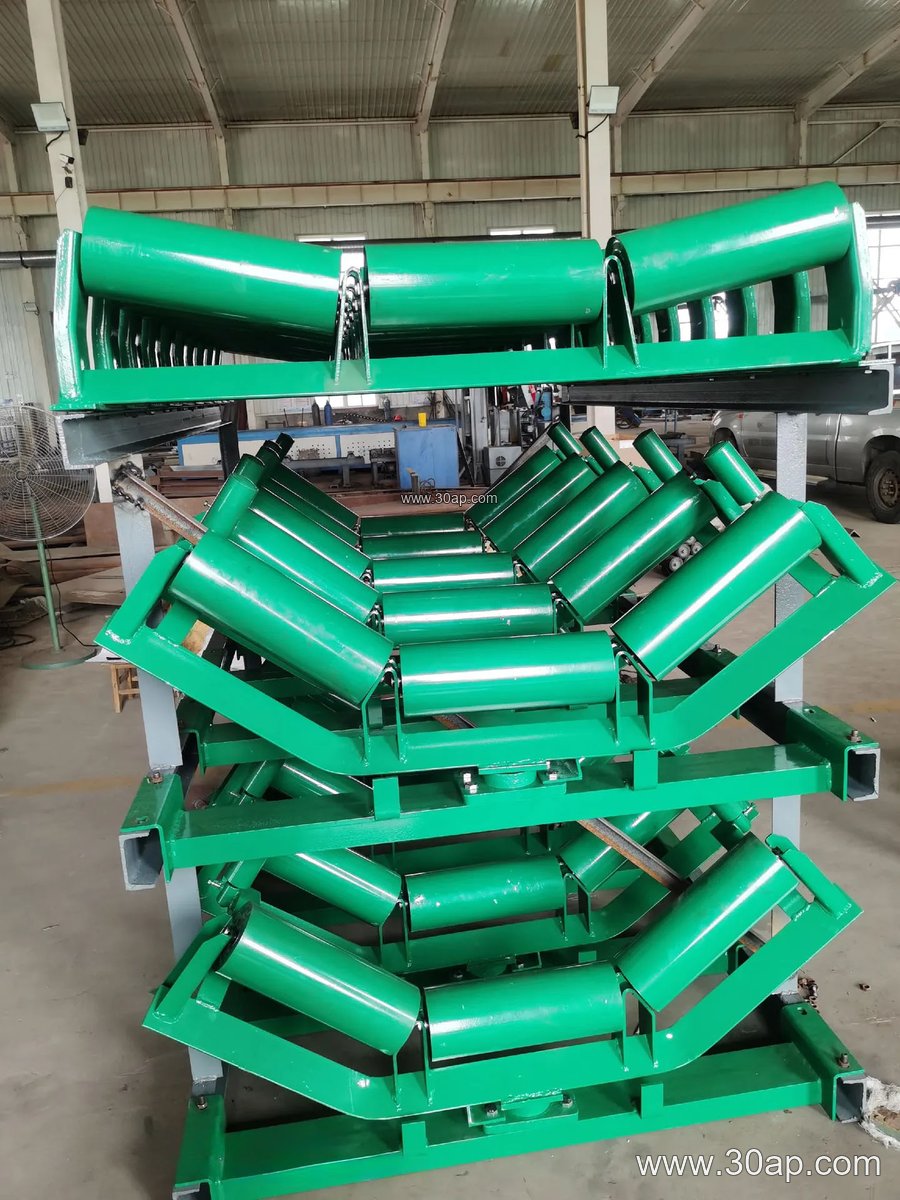
Check bolt hole spacing, beam length, and roller shaft fit against the existing conveyor bracket drawing. Ask whether the frame is welded or bolted, and confirm the cushion material suits the environment. In a sinter plant or cement kiln area, heat resistant conveyor belt may run nearby, but the bracket itself is steel and cushion rubber, so temperature at the loading point still needs review.
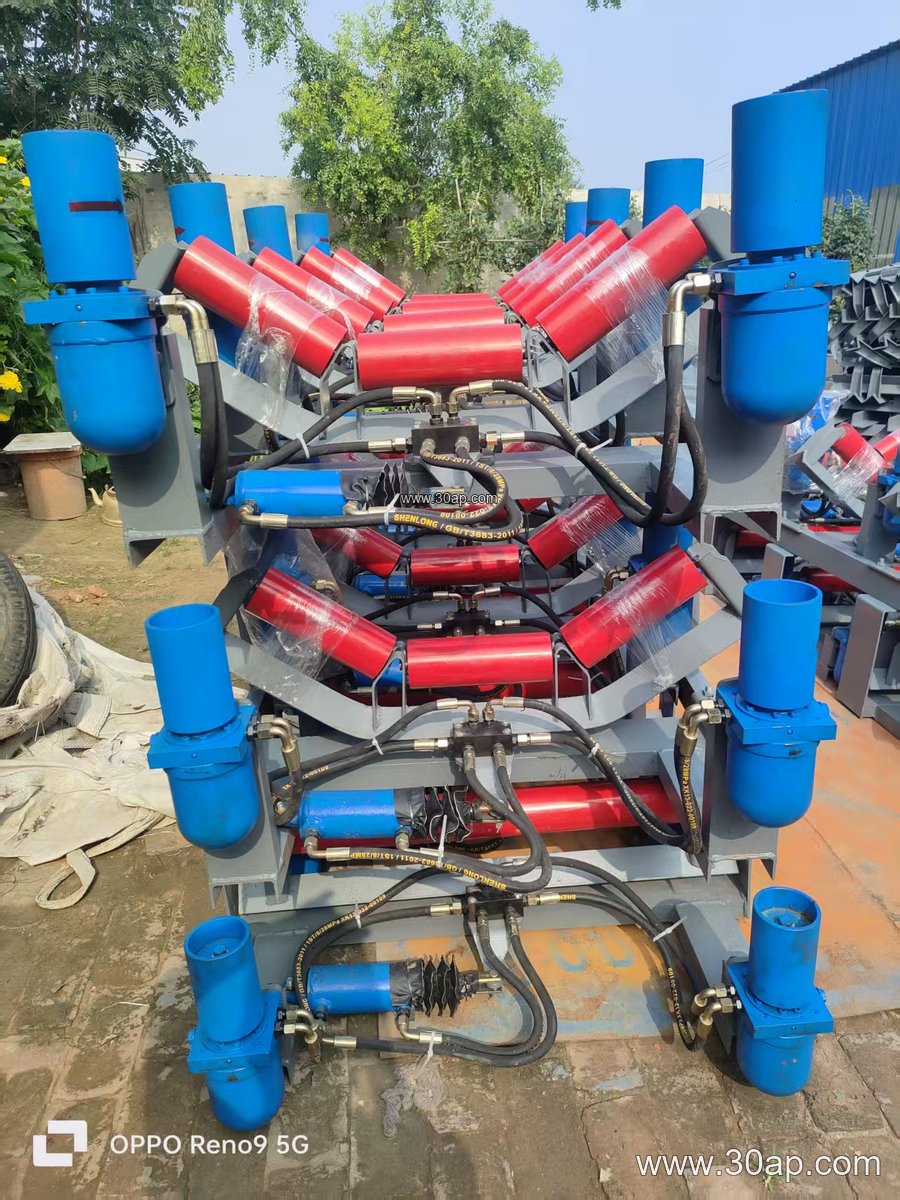
Buyers should also confirm that the bracket matches the idler roller end type and that spare rollers can be sourced later. A bracket that only accepts one proprietary roller can become a bottleneck.
Maintenance Notes
Inspect the impact idler bracket after the first weeks of operation, then at routine shutdowns. Look for cracked welds, worn cushion pads, loose bolts, and rollers that no longer turn. Replace worn cushioning before the belt cover shows gouging. Keeping the loading chute centered reduces uneven wear on one side of the frame.
For more on matching conveyor belt, idler roller, and conveyor pulley components, visit chengxinconveyor.com and review the impact idler bracket range alongside EP conveyor belt and steel cord conveyor belt options.