What a Galvanized Conveyor Bracket Does
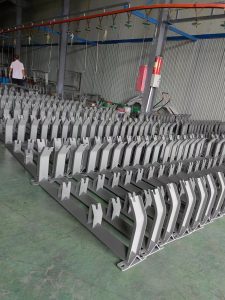
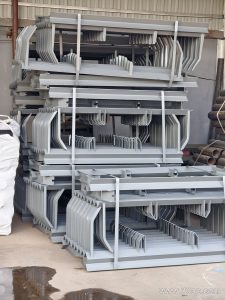
A galvanized conveyor bracket is the structural support that holds idler rollers in the correct position along a conveyor frame. Its zinc coating resists corrosion, making it a practical choice for dusty, damp, or outdoor installations in quarries, cement plants, and power plant coal handling systems. The bracket keeps the conveyor belt tracking smoothly by maintaining the chosen trough angle and roller spacing.
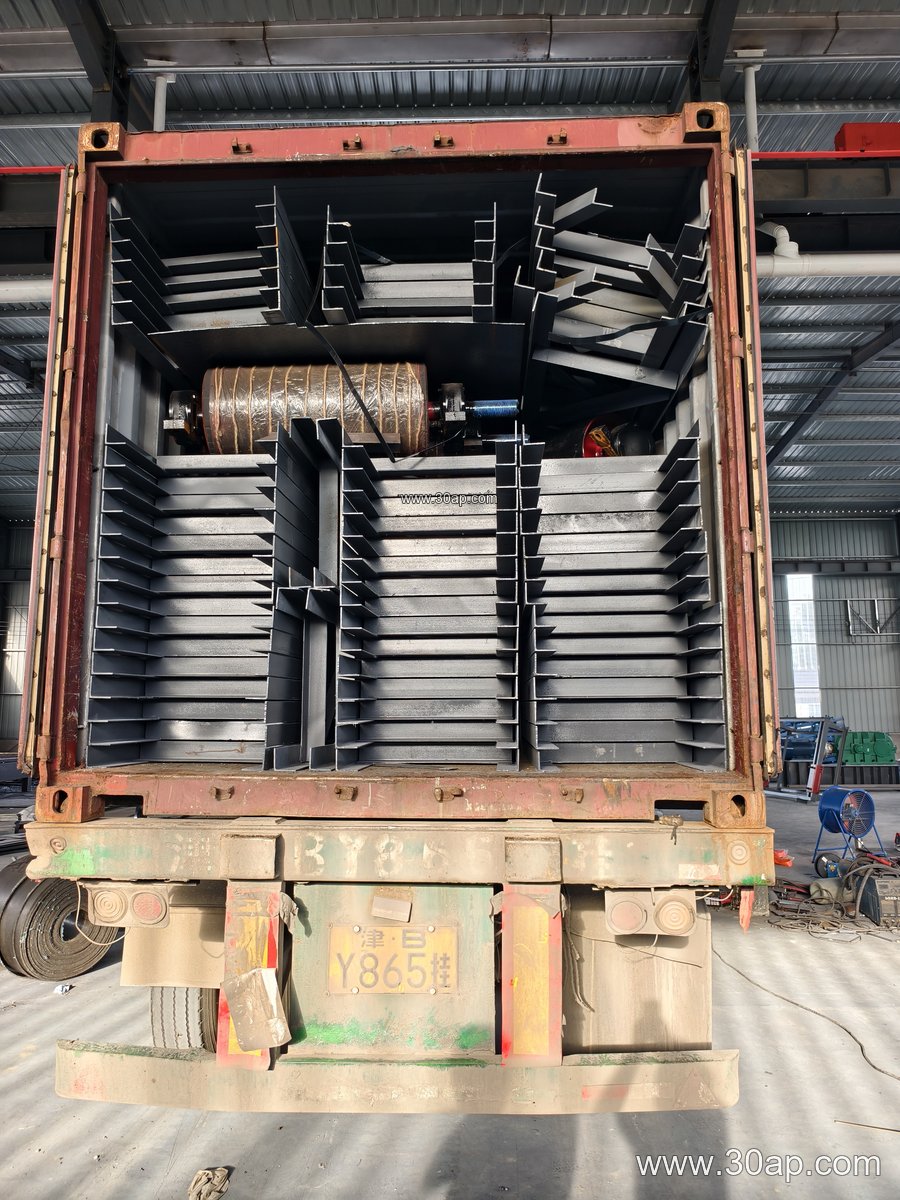
Construction and Common Forms
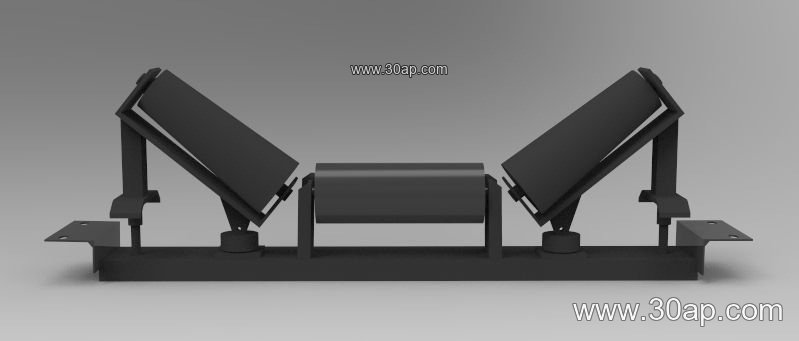
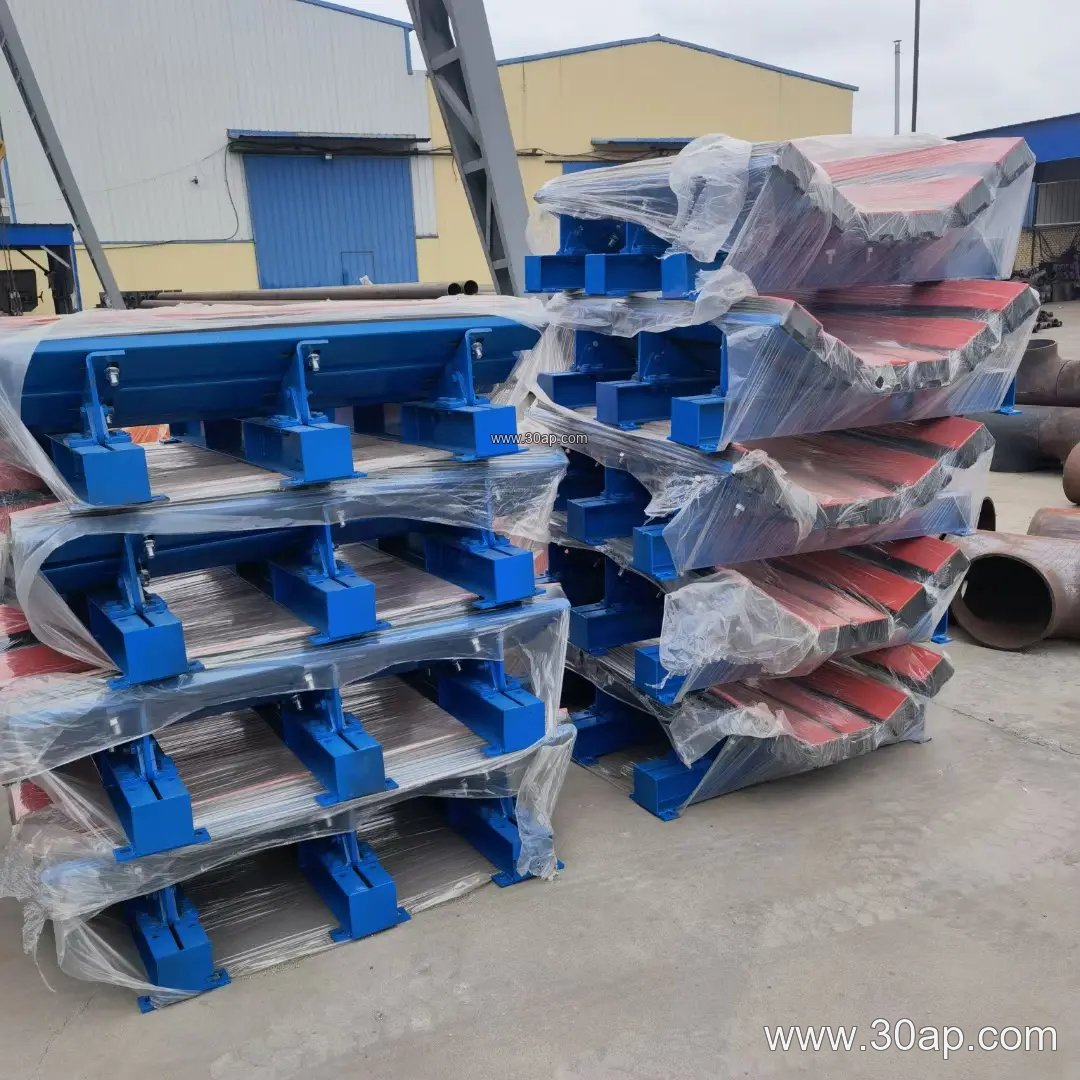
Most brackets are fabricated from angle steel, channel steel, or folded steel plate, then hot-dip galvanized. Common configurations include troughing brackets for carrying idlers, return brackets for the lower run, impact brackets at load points, and self-aligning brackets for belt training. Adjustable brackets allow the trough angle to be set on site, while fixed brackets are welded or bolted to a single angle.
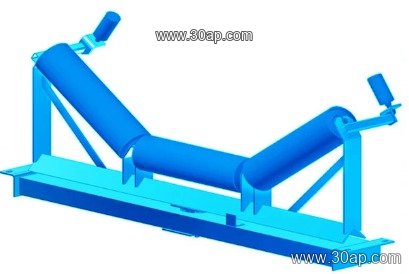
Typical Reference Dimensions
The values below are common reference ranges, not universal specifications. Actual mounting hole spacing and beam length are determined by belt width, trough angle, and roller diameter.
| Belt Width | Trough Angle | Roller Diameter |
|---|---|---|
| B500 | 20°–35° | Ø89 |
| B650 | 30°–35° | Ø89–Ø108 |
| B800 | 30°–45° | Ø108–Ø133 |
| B1000 | 30°–45° | Ø108–Ø159 |
| B1200 | 35°–45° | Ø133–Ø159 |
| B1400 | 35°–45° | Ø133–Ø194 |
| B1600–B2000 | 35°–45° | Ø159–Ø194 |
Where It Fits in the Conveyor System
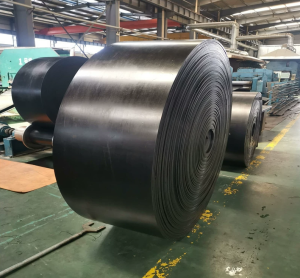
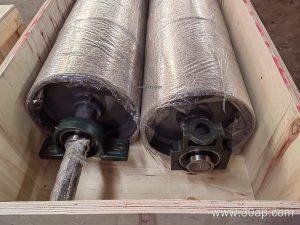
In a stone crushing line, galvanized brackets support troughing idlers under an abrasion resistant conveyor belt, while return brackets carry the belt on the lower run. In a coal preparation plant, flame retardant conveyor belt runs over brackets that must resist both corrosion and mechanical wear. The bracket does not replace the conveyor pulley at the drive or tail end; it works with idler rollers along the carrying and return strands. A properly aligned bracket reduces belt edge damage and extends roller life.
Choosing the Right Bracket
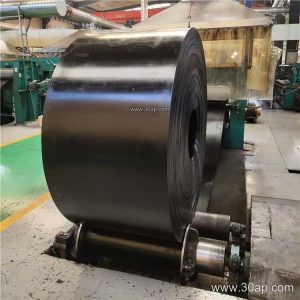
Buyers should match the bracket to belt width, trough angle, and roller diameter rather than assuming one size fits all. An adjustable bracket is useful where the trough angle may need correction after installation. For heavy-duty mining conveyor belt applications, thicker steel and reinforced gussets are often preferred. The bracket surface should be free of sharp edges that could damage a rubber conveyor belt or a fabric core conveyor belt. Consider the environment: a coal mining conveyor belt system may call for flame retardant conveyor belt and corrosion-resistant brackets, while a port or ship loading conveyor belt installation benefits from galvanized protection against salt air.
Installation and Maintenance Notes
Mount brackets squarely to the conveyor frame so idlers sit at the correct height and angle. Check bolt tightness after the first week of operation, then at regular intervals. Replace bent or heavily rusted brackets promptly, as a misaligned bracket can cause belt mistracking and premature roller failure. Keep the bracket area clear of spilled material, especially in aggregate conveyor belt and ore conveyor belt service. When replacing a bracket, confirm the new unit matches the original mounting pattern and roller diameter.