What a Conveyor Bracket Quotation Covers
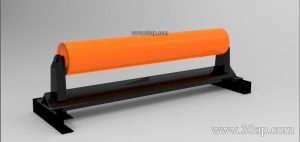
A conveyor bracket quotation is not just a price tag on a piece of steel. It is a document that defines the support structure for the idler rollers that carry the conveyor belt. When you request a quotation for conveyor brackets, you are specifying the interface between the roller and the conveyor frame. The quotation should clarify the bracket type, material, belt width compatibility, trough angle, and roller diameter. Without these details, the quote is incomplete and may lead to mismatched components on site.
Common industries that rely on these brackets include coal mining, cement plants, power plant coal handling, and aggregate quarries. In each case, the bracket must match the conveyor’s load and environment.
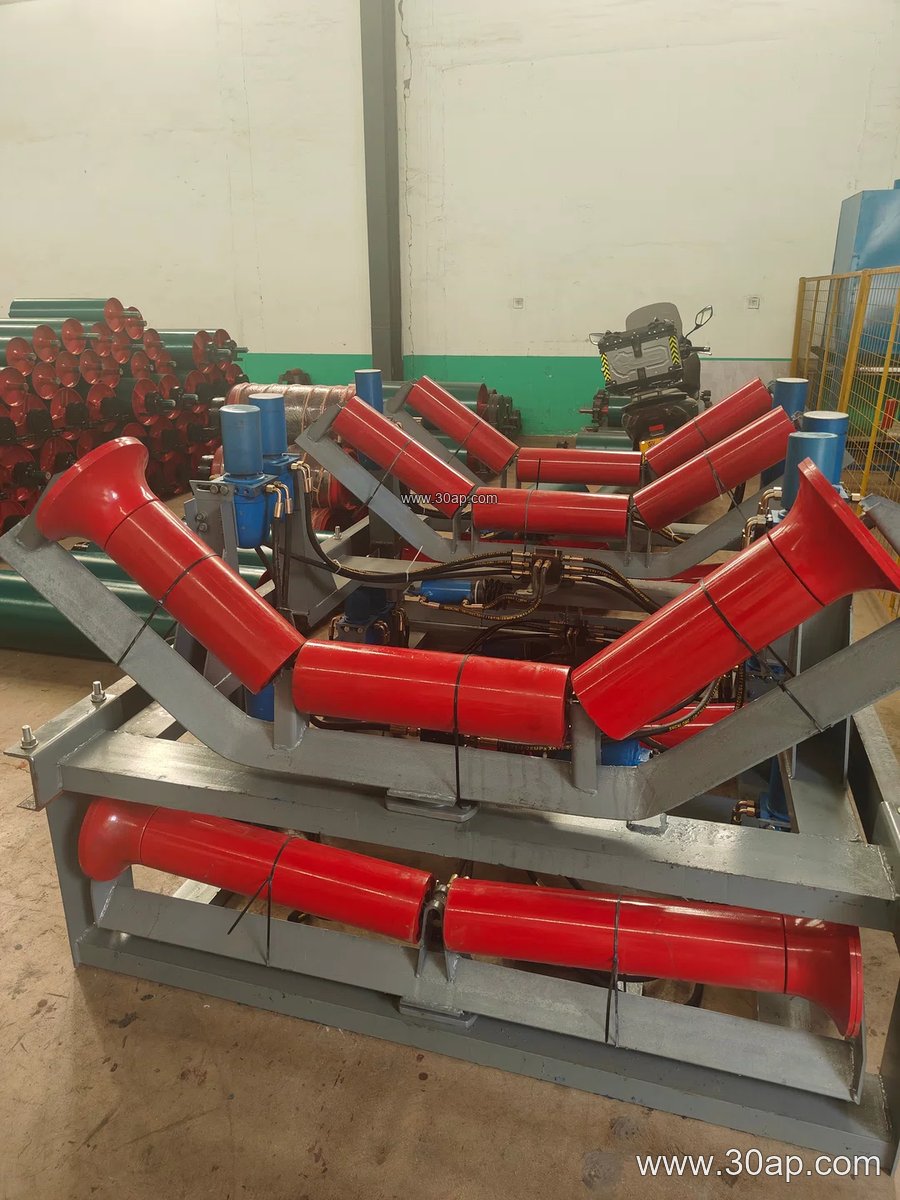
Construction and Material Options
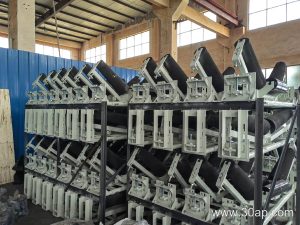
Conveyor brackets are typically fabricated from angle steel, channel steel, or bent steel plate. The choice depends on the required strength and the available space. For a quotation, the buyer should state the material preference or ask the supplier to recommend based on the application. For example, a heavy-duty mining conveyor belt system may require thicker channel steel brackets, while a lighter aggregate conveyor belt line might use bent plate.
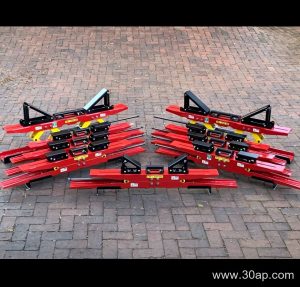
The bracket design also affects maintenance. Adjustable brackets allow the trough angle to be changed between 20, 30, 35, and 45 degrees. This is useful when the conveyor handles different materials or when belt training needs adjustment. Fixed brackets are simpler and often more economical for a single, well-defined duty.
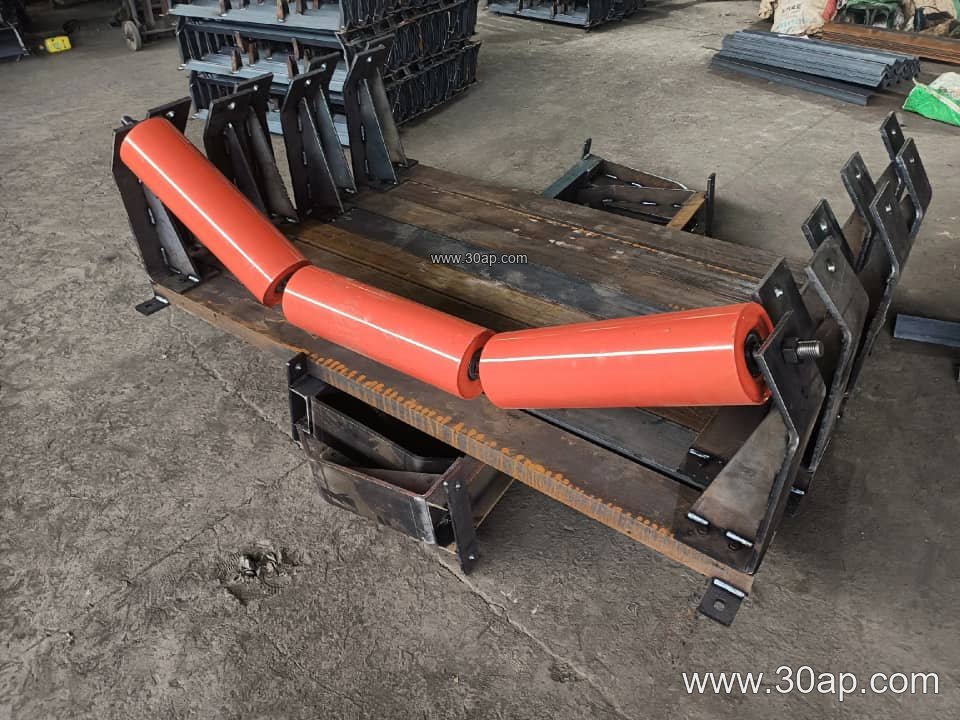
Key Parameters for a Quotation
To receive an accurate conveyor bracket quotation, provide the following details. The table below lists typical options, but actual values should be confirmed with the supplier.
| Parameter | Common Options | Notes |
|---|---|---|
| Bracket type | Troughing, transition, return, V-return, impact, self-aligning, suspended, adjustable | Specify the position on the conveyor |
| Belt width (B) | B500, B650, B800, B1000, B1200, B1400, B1600, B1800, B2000, B2200 | Match to the conveyor belt width |
| Trough angle | 20°, 30°, 35°, 45° (adjustable types can vary) | Affects material cross-section |
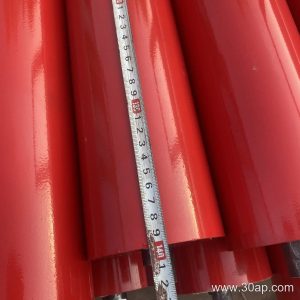
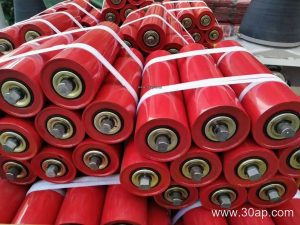
| Roller diameter | Ø89, Ø108, Ø133, Ø159, Ø194 | Choose based on load and belt speed |
| Material | Angle steel, channel steel, bent steel plate | Confirm surface treatment |
Note that installation hole spacing and beam length vary with belt width and trough angle; they are not fixed numbers. A bracket for B800 at 35° with Ø108 rollers will have different dimensions from one for B1200 at 45° with Ø133 rollers.
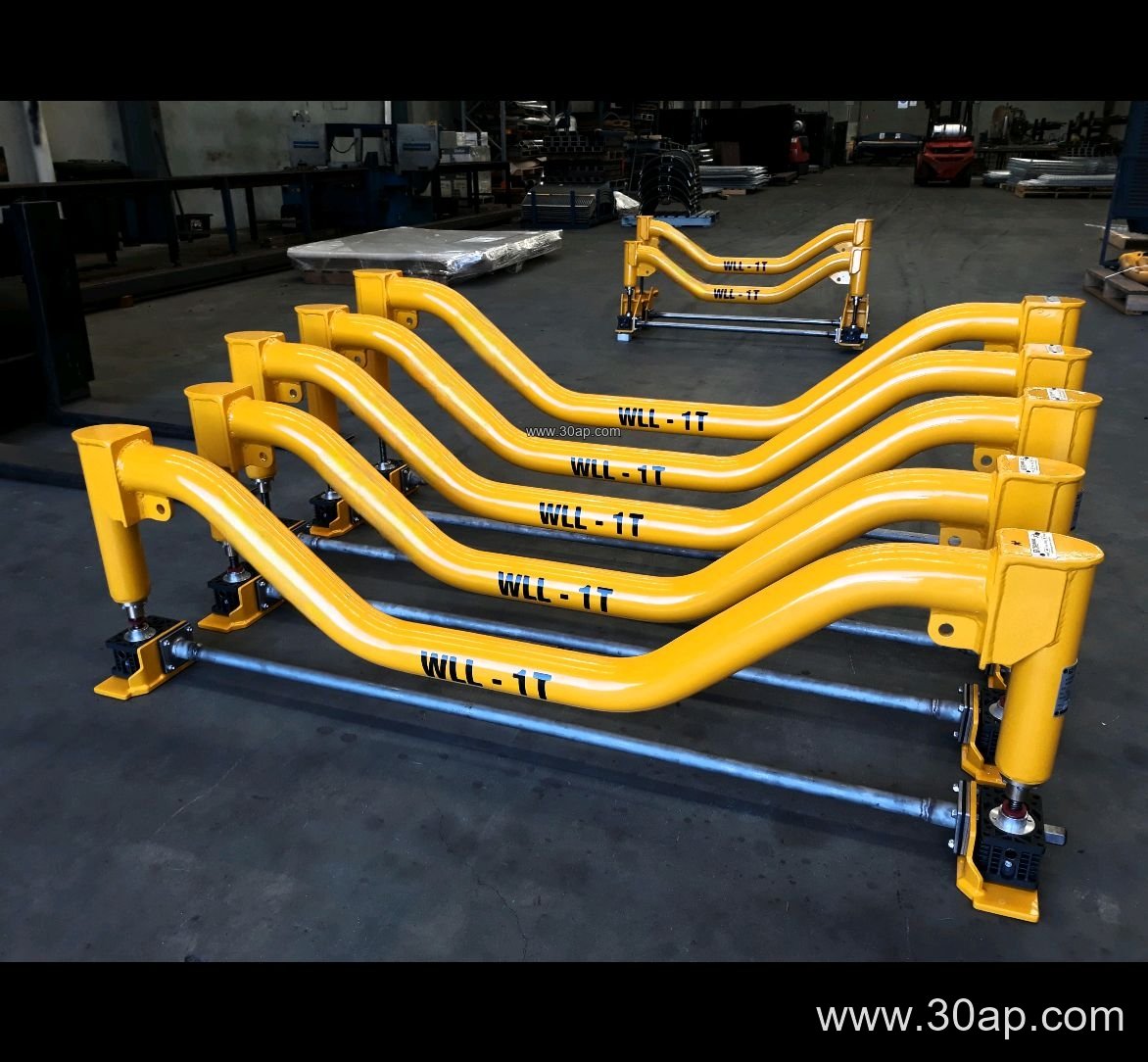
Where Conveyor Brackets Are Used
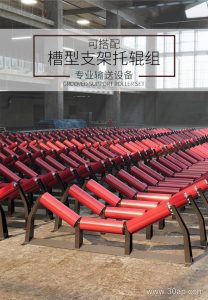
These brackets appear throughout a conveyor system. Troughing brackets support the carrying side, forming the belt into a trough to contain bulk material. Return brackets support the belt on the return side, often with a flat or V-shaped configuration. Transition brackets are placed near pulleys to guide the belt from flat to troughed. Impact brackets are installed at loading points to absorb shock, often with impact idler rollers.
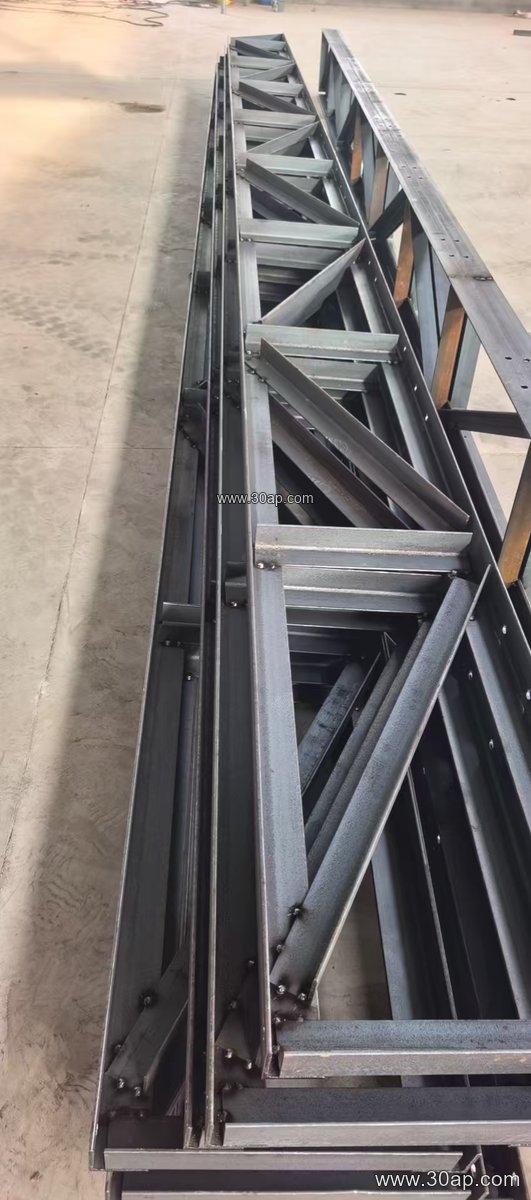
In a coal mining conveyor belt system, flame retardant conveyor belt and anti-static properties are critical, and the brackets must be robust enough for dusty, heavy loads. In a cement plant, abrasion resistant conveyor belt handles clinker and limestone, and brackets should be designed for easy roller replacement.
Selection Advice for Buyers
When comparing quotations, do not focus only on the unit price. Check that the quotation specifies the bracket type, material, belt width range, trough angle, and roller diameter. Ask whether the bracket is adjustable or fixed. For a quarry conveyor belt line with frequent belt changes, adjustable brackets may reduce downtime. For a port conveyor belt handling iron ore, heavy-duty fixed brackets with thick channel steel may be more appropriate.
Also consider the conveyor pulley arrangement. Brackets near the drive pulley or bend pulley must align with the belt path. A quotation that ignores the pulley layout may result in installation problems.
Quotation Checklist
- Confirm the bracket type and its location (carrying, return, transition, impact).
- Provide belt width and expected belt type, such as EP conveyor belt or steel cord conveyor belt.
- State the required trough angle and whether adjustment is needed.
- Specify roller diameter and spacing if known.
- Ask for material and surface treatment details.
- Request dimensional drawings for approval before manufacturing.
A well-prepared conveyor bracket quotation helps avoid delays and ensures the support structure works with the idler rollers, conveyor belt, and pulleys as a system. For more information on related components, visit conveyor bracket and conveyor pulley resources.