What a Lower Self-Aligning Idler Does
A lower self-aligning idler is a return-side tracking roller that senses a drifting conveyor belt and steers it back toward the center line. It sits under the carrying strand, where the belt runs empty after discharging, and works through a pivoted frame rather than a fixed shaft. When the belt edges toward one side, the roller axis swings slightly and the resulting friction pulls the belt back. This makes the lower self-aligning idler a practical correction device on long overland lines, stockyard conveyors, and plant transfer belts in cement works, power station coal yards, and aggregate plants.
On a typical conveyor, the upper strand carries the load on three-roll troughing sets, while the return strand rests on flat or V-return rollers. A misaligned return belt can rub the frame, spill material, and shorten belt life. Fitting a self-aligning return roller at intervals along the return run reduces that risk without extra drives or operator attention. For heavy tonnage lines using Steel Cord Conveyor Belt or wide EP Conveyor Belt, tracking on the return side matters as much as on the load side.
Construction and Working Principle
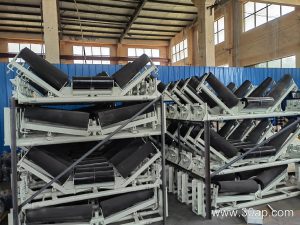
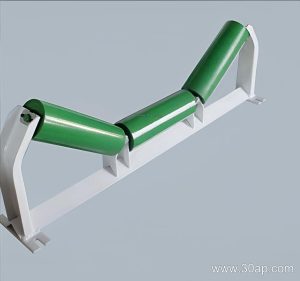
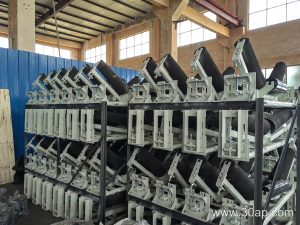
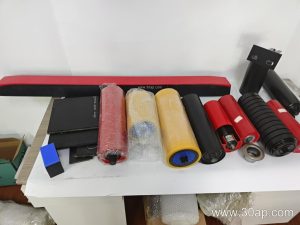
The assembly usually includes a central roller, two side rollers or guide rollers, a pivoting bracket, and a base that bolts to the conveyor stringer. The roller shell is commonly steel tube, with nylon, ceramic, or rubber ring surfaces available for different wear conditions. Bearings such as 6204, 6205, 6305, 6306, 6308 or 6310 are used depending on load and shaft design; no single bearing is tied to one roller diameter. Seals keep dust and water out, which is important in quarry and washing plant air.
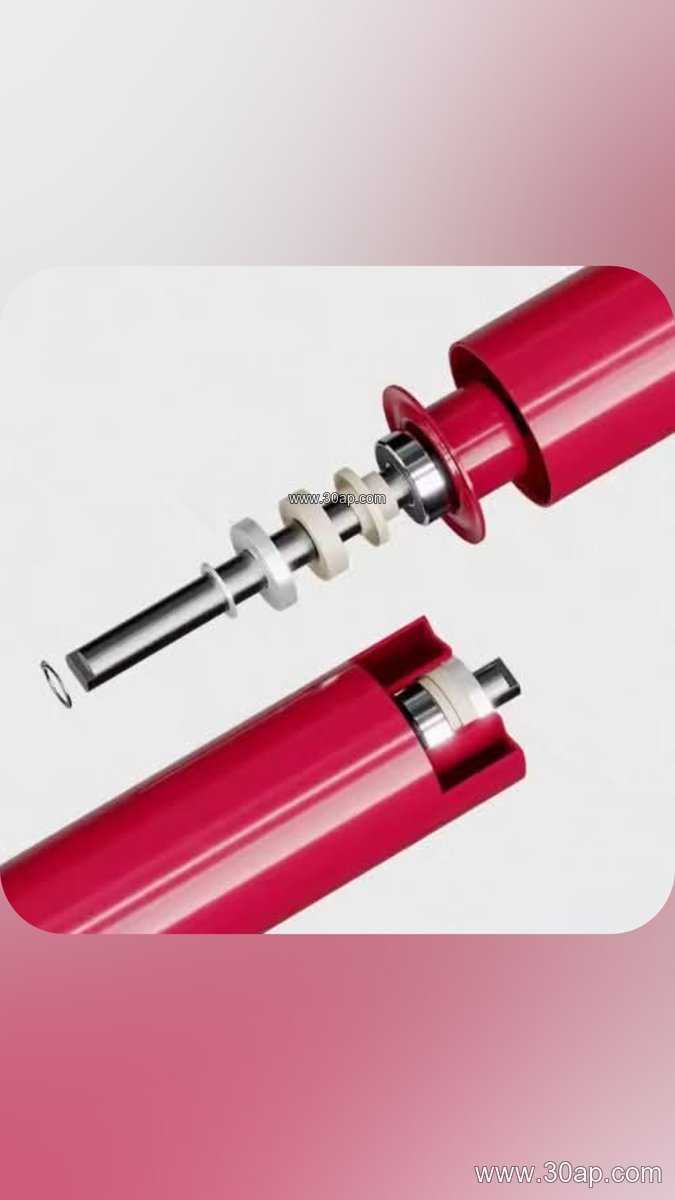
Two common designs exist. In a friction self-aligning idler, the roller turns on a vertical pivot and reacts to belt contact. In a conical self-aligning idler, tapered end rollers create a differential surface speed that nudges the belt inward. Both serve the same tracking function; the choice depends on belt width, load, and how much correction authority the line needs.
Where the Return Tracking Roller Fits
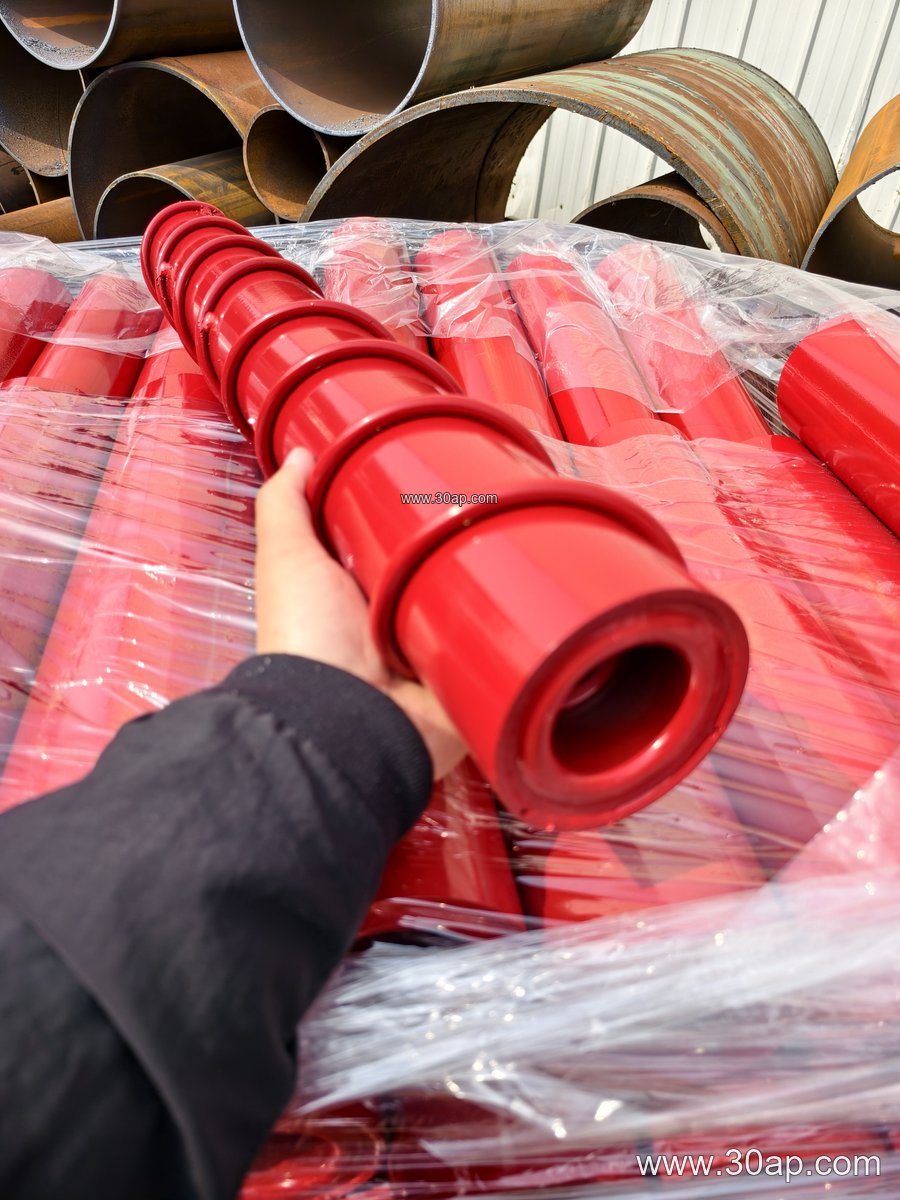
Placement is usually decided by the conveyor designer. Lower self-aligning idlers are often installed after the discharge pulley, before the tail pulley, and at intervals on long return runs. In a limestone quarry or a sand and gravel line, dust and uneven loading make the return belt wander, so a few tracking stations pay for themselves quickly. In a coal preparation plant or a port ship loading conveyor, a square return frame keeps the belt away from structure and reduces edge damage on a Flame Retardant Conveyor Belt.
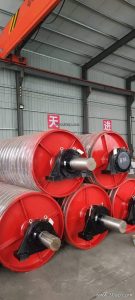
The idler works together with the conveyor pulley, conveyor bracket, and the rest of the idler roller family. It does not replace a drive pulley, tail pulley, or bend pulley, and it is not a substitute for troughing or impact idlers on the carrying side. Its job is narrow and specific: keep the empty strand centered.
Common Sizes and Selection Notes
Roller diameter and belt width should be matched by the conveyor designer, not by a single rule. The table below gives typical reference values, not fixed combinations.
- Roller diameter options: Ø63, Ø76, Ø89, Ø102, Ø108, Ø127, Ø133, Ø159, Ø178, Ø194, Ø219
- Belt width range: B400, B500, B650, B800, B1000, B1200, B1400, B1600, B1800, B2000, B2200, B2400
- Roller surface: steel tube, nylon, ceramic, rubber ring
- Bearing options: 6204, 6205, 6305, 6306, 6308, 6310
For reference, a three-roll troughing set on B800 often uses a roll length near 315 mm, while B1200 is around 465 mm; the return roller length follows the belt width and frame design. These are examples only. A 1000 mm wide conveyor can be paired with more than one roller diameter, and shaft size must be calculated from load, not guessed from belt width.
Buyer Checklist
Before ordering, confirm the belt width, the return frame hole spacing, the required roller diameter, and the working environment. A dusty cement plant may favor sealed bearings, while a wet washing plant may need extra corrosion protection. Ask whether the pivot mechanism is friction type or conical type, and check that the mounting bracket matches the existing conveyor bracket. For lines carrying abrasive ore, a High Abrasion Resistant Conveyor Belt and a well-sealed return idler form a sensible pair.
Routine checks are simple: look for belt edge contact, listen for bearing noise, and confirm the pivot swings freely. Replacing a worn roller early prevents edge damage to the belt and keeps the return strand clean. More conveyor component references are available at conveyor idler and conveyor pulley pages, where matching hardware can be reviewed alongside the belt specification.