What a Cold Resistant Conveyor Belt Is
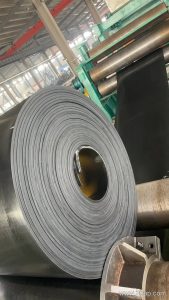
A Cold Resistant Conveyor Belt is a rubber conveyor belt engineered to stay flexible and crack-free when it operates in low ambient temperatures. Standard rubber compounds stiffen in cold weather, which can lead to hard starts, edge cracking and premature failure around pulleys. The cold resistant version uses a specially formulated rubber cover and a fabric or steel cord carcass that retain elasticity in winter conditions at mines, ports, cement plants and power stations.
In practice, this product is also called a low temperature conveyor belt or winter grade conveyor belt. It is still a rubber conveyor belt at heart, but the compound and the carcass design are adjusted for cold climates.
How It Is Built
The construction follows the same logic as other fabric or steel cord belts, with cold-weather tuning at each layer.
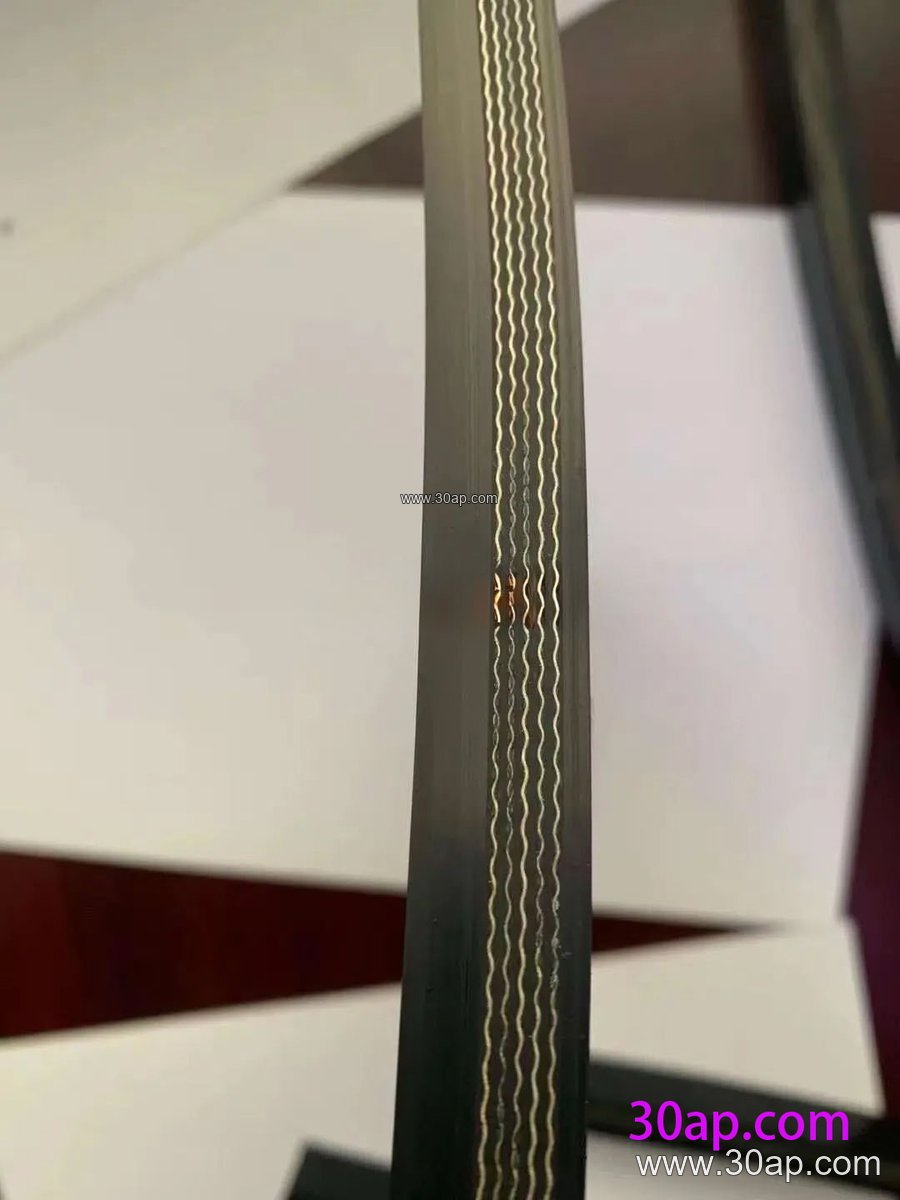
- Cover rubber: a low glass transition compound that resists hardening, usually offered in common thickness combinations such as 4+2 mm, 5+2 mm or 6+2 mm depending on the duty.
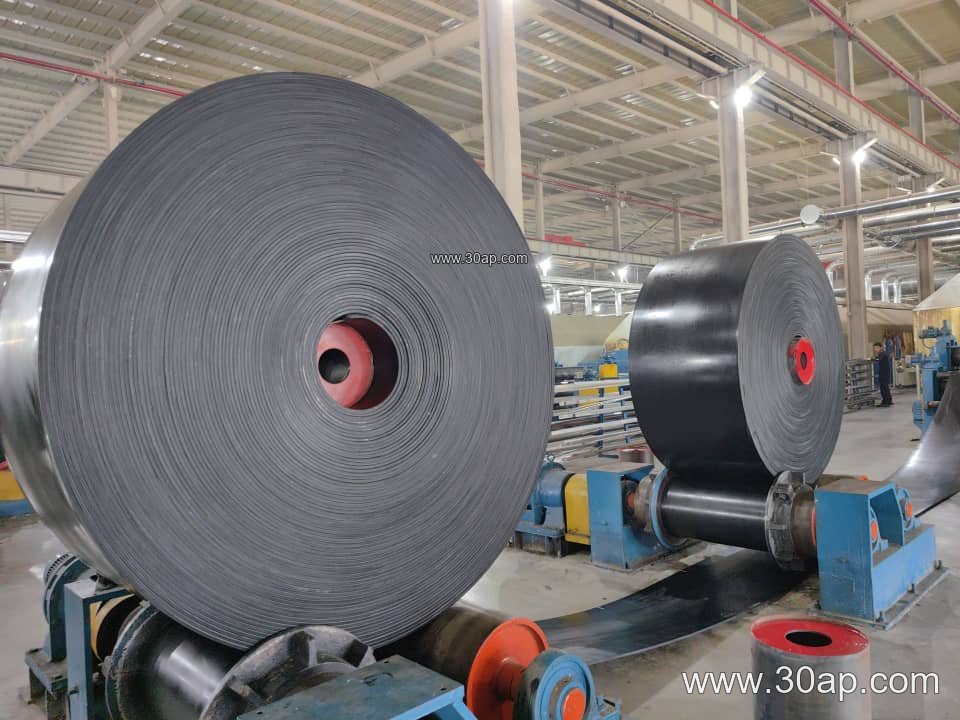
- Carcass: multi-ply fabric core (EP or NN) for general duties, or steel cord for long, high-tension lines. A Multi-Ply Fabric Core Conveyor Belt is common in plant and quarry service.
- Bonding: the skim and friction layers must bond well at low temperature so plies do not separate during cold starts.
Buyers should ask for the cold bend test result and the recommended minimum operating temperature rather than assuming every cold grade performs the same.
Common Specifications
Values below are typical reference ranges. Actual supply depends on the manufacturer and the conveyor design.
| Parameter | Common Options |
|---|---|
| Belt type | EP, NN, Steel Cord, PVG |
| Strength grade | EP200, EP315, EP400, EP500, EP630, EP800, EP1000 |
| Belt width | B500, B650, B800, B1000, B1200, B1400, B1600 |
| Cover thickness | 3+1.5, 4+2, 5+2, 6+2 mm |
| Ply count | 2 to 6 plies for fabric core |
Width and strength should be matched to the conveyor frame, the conveyor pulley diameters and the load, not chosen in isolation.
Where It Is Used
Cold resistant belts suit outdoor and unheated installations. Typical examples include:
- Open pit mines and quarry conveyor lines in northern regions
- Coal handling and coal mining conveyor systems with winter exposure
- Cement plants, power plants and aggregate yards with outdoor transfer points
- Port and ship loading conveyors in cold coastal climates
- Sand and stone crushing plants that run through freezing months
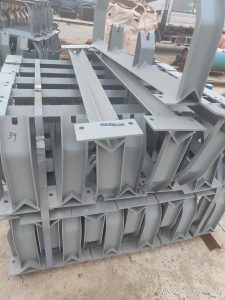
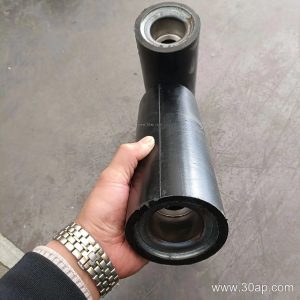
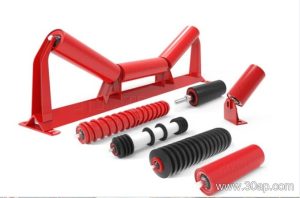
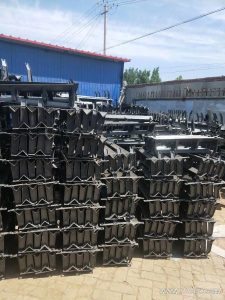
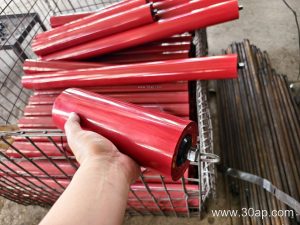
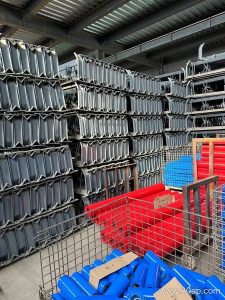
In these settings the belt works alongside idler rollers, conveyor pulleys and conveyor brackets, and all of them should be checked for cold performance, not only the belt.
Selection and Use Notes
Choose the carcass first. A short plant conveyor may use an EP Conveyor Belt or NN Conveyor Belt in a cold grade, while a long overland line may call for a Steel Cord Conveyor Belt. If the material is also abrasive, a combined abrasion resistant and cold resistant cover helps. For underground coal service, a flame retardant grade such as PVG may be required, and the cold rating must be confirmed separately.
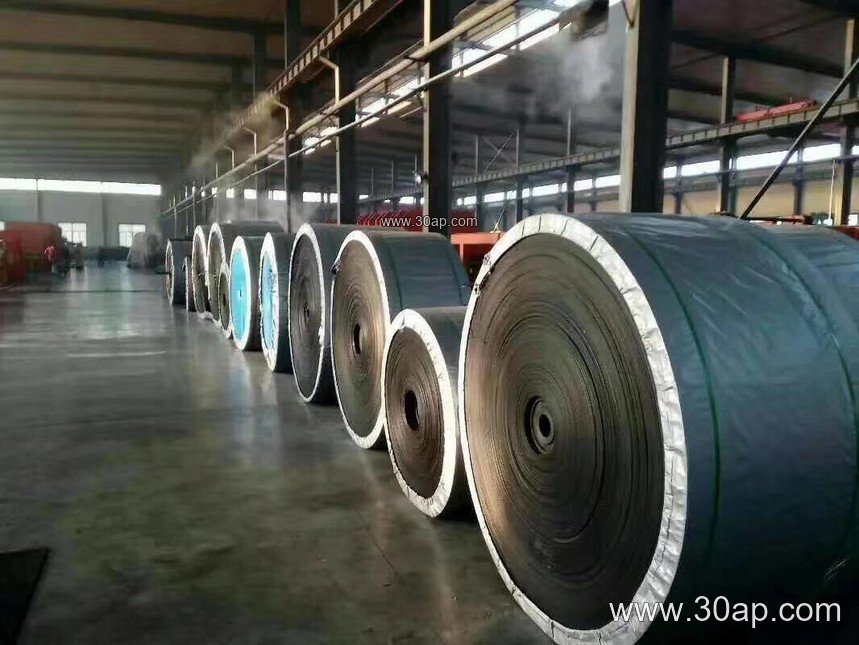
During installation, allow extra belt length for contraction and avoid tight take-up settings in freezing weather. Check that the drive pulley, tail pulley and bend pulleys are free of ice buildup. Idler rollers should turn freely, because a frozen roller can scrape a cold cover. Keep the belt running straight to reduce edge stress, which is more damaging when rubber is stiff.
Store spare belts indoors and keep them relaxed. When splicing, use a cold-weather rated splice material and follow the maker’s cure schedule.
Buyer Checklist
- Confirm the minimum operating temperature and the cold bend result.
- Match strength and width to the conveyor design and pulley sizes.
- State whether the material is abrasive, oily or flame sensitive.
- Ask about cover thickness and ply count for the expected wear life.
- Verify compatibility with existing idler rollers and conveyor pulleys.
A well specified Cold Resistant Conveyor Belt keeps a winter material handling line running without the cracking and hard-start problems of a standard belt.