What a Parallel Idler Bracket Does
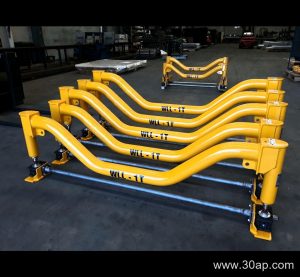
A parallel idler bracket is the steel support that holds the straight, non-troughing idlers in line with the conveyor frame. It is most often seen on the return run, where a flat idler roller carries the empty belt back to the tail end, but it also appears on the carrying side in flat-belt sections and at transition points. The bracket keeps the idler shaft parallel to the frame, so the belt runs on a level line rather than a curved profile. In a quarry, a cement plant, or a power plant coal yard, this simple frame member is one of the first parts an inspector checks when belt tracking starts to drift.
Construction and Mounting
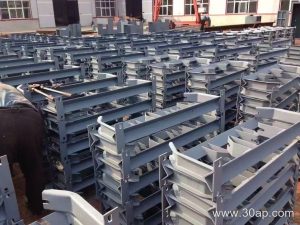
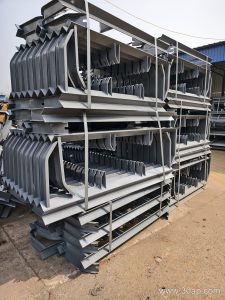
Fabrication is usually straightforward. Angle, channel, or folded steel plate is cut, drilled, and welded into a pair of arms or a single cross member with machined slots for the idler shaft. Bolt holes are positioned to match the frame rail spacing, and the top surface is kept flat so the idler sits square. Common materials are painted carbon steel, with galvanized or hot-dip finishes chosen for wet or dusty service.
Mounting is normally by bolts through the conveyor stringer, which allows replacement without cutting the frame. Because hole pitch and cross member length follow belt width, trough angle, and frame design, a parallel bracket is not a universal part. Buyers should confirm the frame rail gauge, the idler shaft diameter, and the fixing hole centers before ordering.
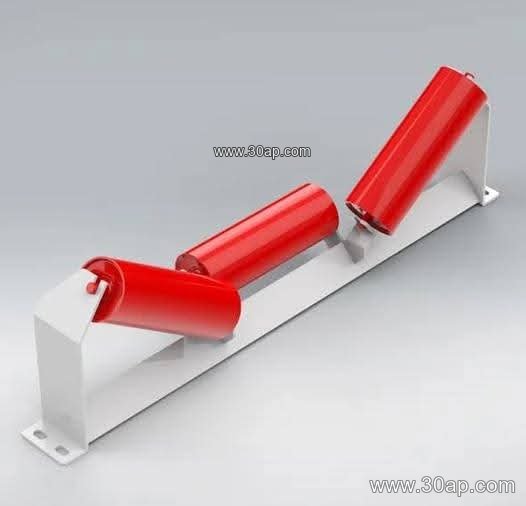
Where It Fits on the Conveyor
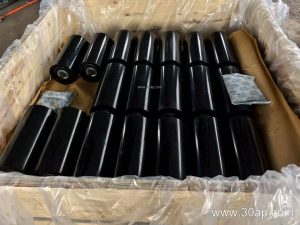
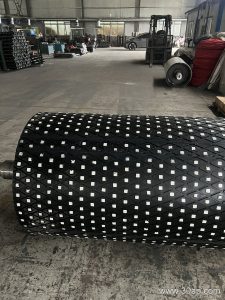
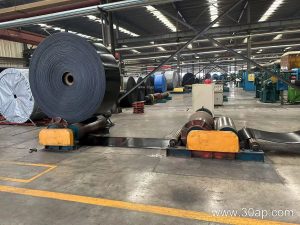
The most common location is the return side behind a bend pulley or after the discharge zone, where a flat return idler is used to support the belt. It also appears in flat carrying sections of a bulk material conveyor, such as a sand and gravel line or a fertilizer plant, and at the transition between troughed and flat runs. In these positions the bracket works with the conveyor belt, the idler roller, and the conveyor pulley to keep the belt path straight. A parallel bracket should not be confused with a troughing bracket, a V-return bracket, or a self-aligning bracket; each has a different role, and the parallel type is specifically for flat support.
Typical Reference Sizes
The values below are common reference ranges, not fixed combinations. Actual dimensions are set by the conveyor design.
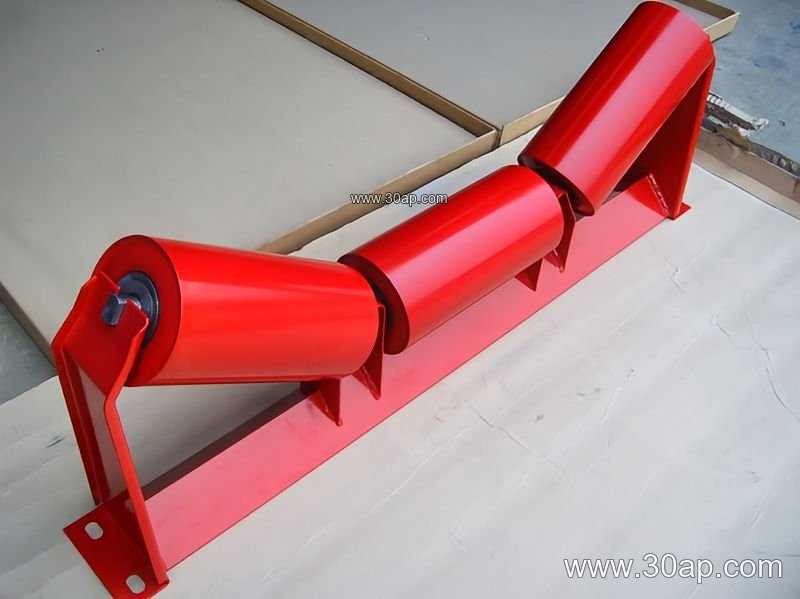
Belt Width and Idler Diameter
- B500, B650, B800 with Ø89 or Ø108 idlers
- B1000, B1200 with Ø108 or Ø133 idlers
- B1400, B1600 with Ø133 or Ø159 idlers
- B1800, B2000 with Ø159 or Ø194 idlers
A bracket for a B800 frame does not automatically fit a B1200 frame, and a wide belt does not force one particular idler diameter. Installation hole spacing and cross member length change with belt width and frame type.
Selection Notes for Buyers
Start with the frame drawing: rail spacing, hole centers, and the height of the idler shaft above the rail. Then match the bracket to the idler diameter and the belt width class. In dusty service such as a coal mining conveyor or a limestone crushing line, check that the bracket will not trap material and that the bolt heads sit clear of the belt edge. For a heavy-duty mining conveyor, thicker plate and reinforced welds are usually worth specifying. Corrosion protection matters in port and fertilizer applications.
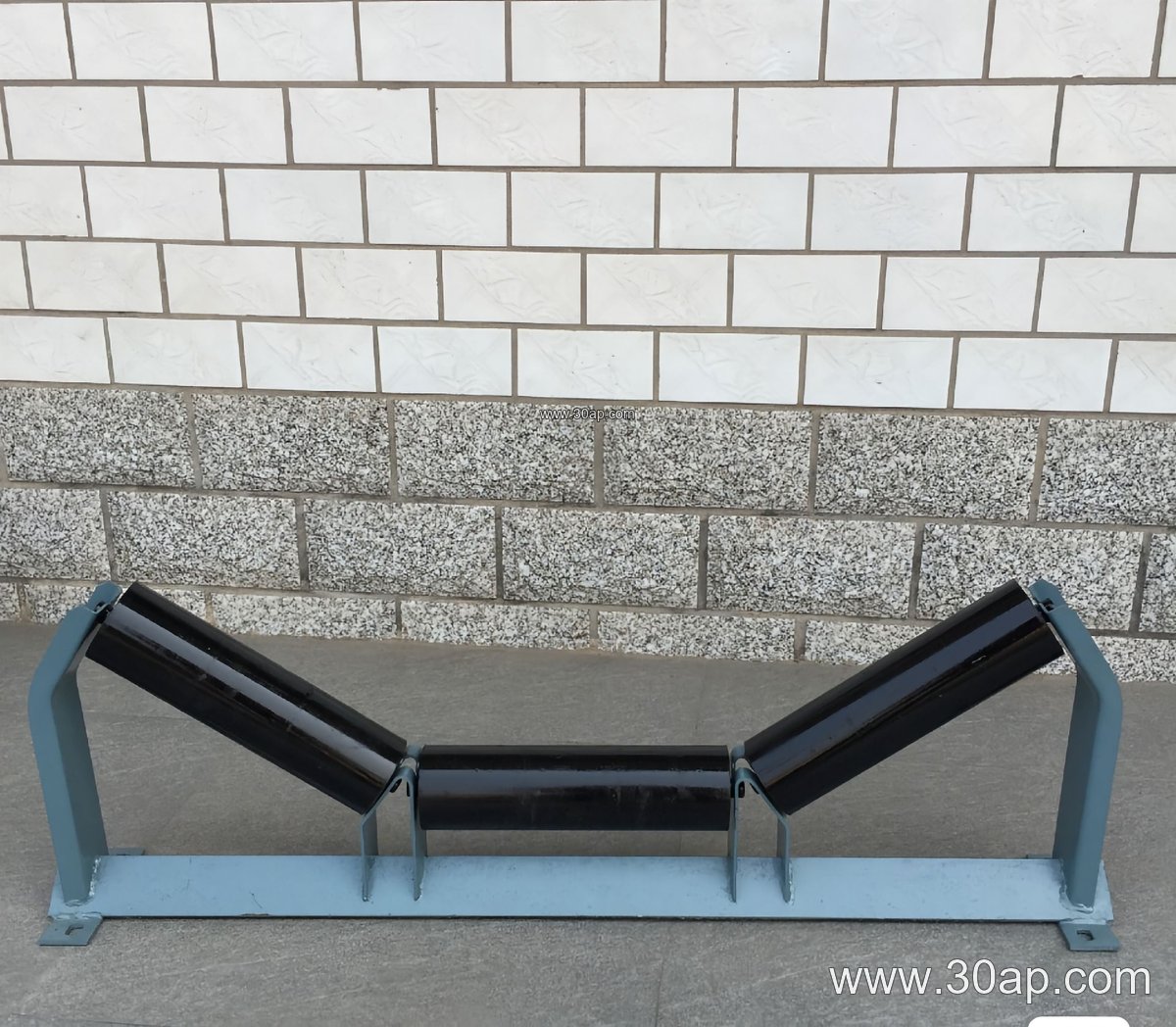
Also confirm whether the line needs a fixed or adjustable bracket. An adjustable parallel bracket can follow small changes in belt path or frame alignment, while a fixed version is simpler and stiffer. Neither is a substitute for a troughing or self-aligning bracket, so order by function rather than by appearance.
Maintenance and Belt Interaction
Inspect the bracket during routine idler checks. Look for loose bolts, bent arms, cracked welds, and worn mounting slots. A misaligned parallel bracket can pull the belt to one side, and the symptom often looks like an idler fault rather than a frame fault. Keep the top surface clean so the idler stays square, and replace bent brackets rather than shimming them, since a distorted arm can change the belt line.
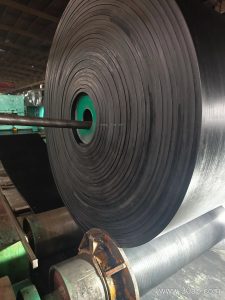
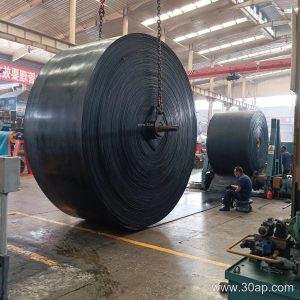
When the belt is a fabric core conveyor belt or a steel cord conveyor belt, the return side still needs consistent flat support. Correct bracket alignment helps the belt track, reduces edge wear, and protects the splice. For more on matching brackets with belts and rollers, see conveyor bracket and idler roller guidance.
Finally, treat the bracket as part of a system with the conveyor pulley, the idler roller, and the belt. A parallel idler bracket is a small item, but it controls the line the belt follows, and that line affects wear, noise, and uptime from the crusher to the ship loader.