Understanding the V-Type Return Idler
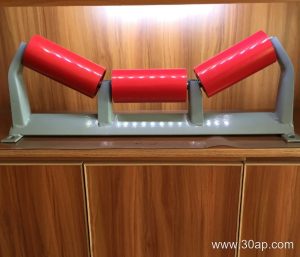
The V-type return idler is a specialized conveyor component designed to support the lower, return strand of a conveyor belt. Unlike flat return idlers, its two rolls are arranged in a V-shaped trough, typically at a 10 to 20 degree angle from horizontal. This geometry naturally centers the belt, reduces material buildup on the return side, and helps prevent mistracking. In industries such as mining, coal preparation, cement plants, and power generation, this idler plays a key role in maintaining smooth operation and extending belt life.
Construction and Key Features
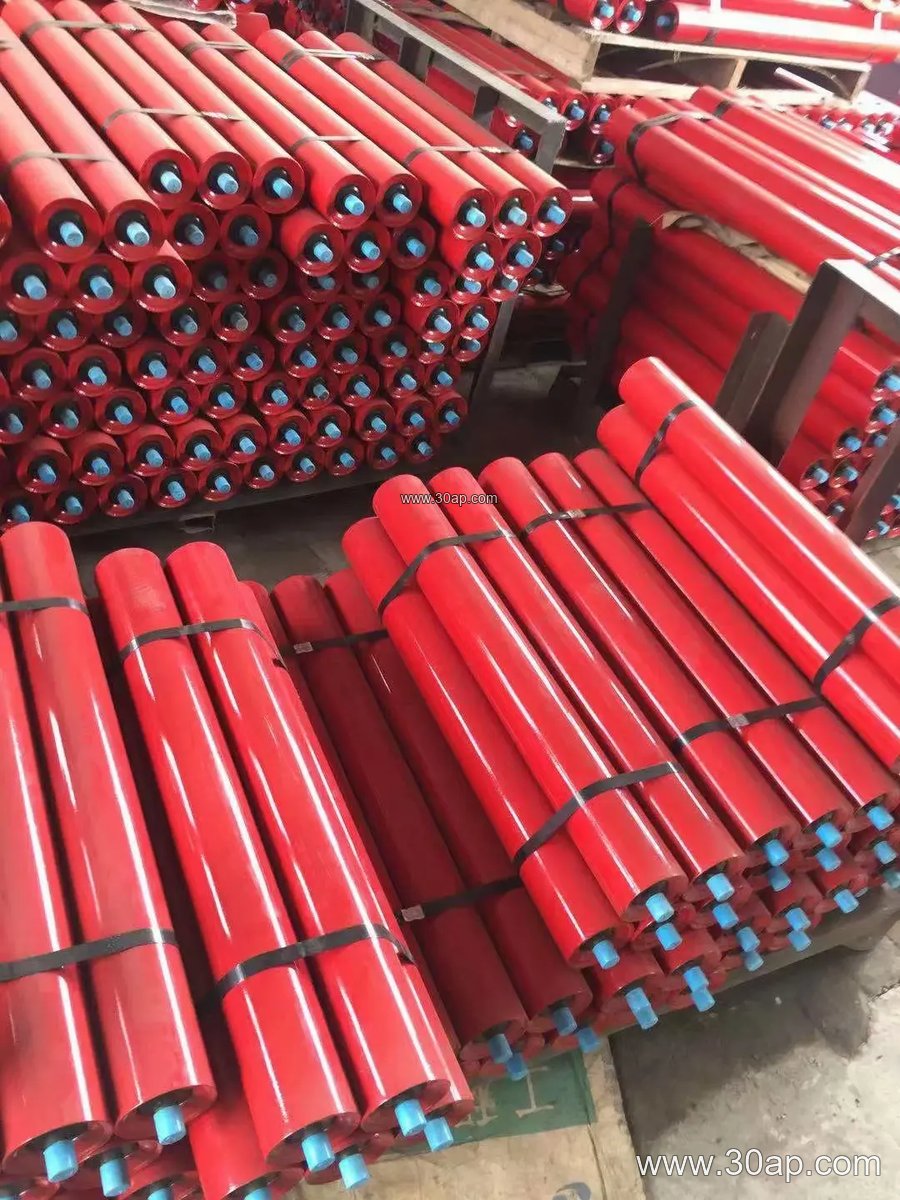
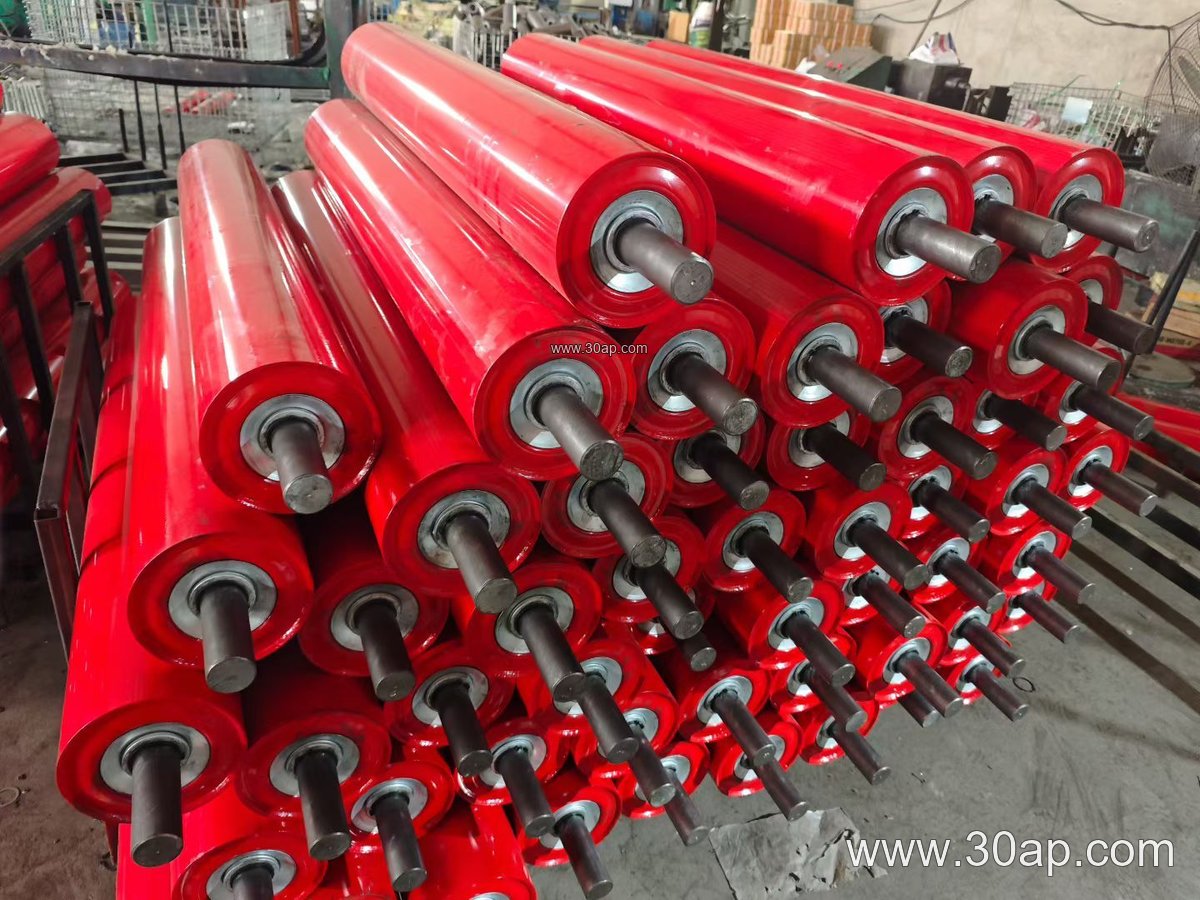
A typical V-type return idler consists of two idler rollers mounted on a common frame, often with a central pivot or fixed angle. The rollers are made from steel tube, sometimes with rubber or ceramic lagging for added grip or wear resistance. Bearings such as 6204, 6205, or 6305 are commonly used, sealed to keep out dust and moisture. The V-shape not only guides the belt but also allows spilled material to fall away, reducing the risk of buildup that can damage the belt or cause misalignment.
- Roller diameter: Common sizes include Ø63, Ø76, Ø89, Ø102, Ø108, Ø127, and Ø133 mm, with larger diameters available for heavy-duty applications.
- Belt width compatibility: Designed to match belt widths from B400 to B2400, with roller lengths adjusted accordingly.
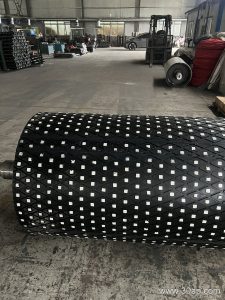
- Surface options: Steel, rubber lagged, or ceramic coated, depending on material abrasiveness and belt tracking requirements.
Where It Is Used
V-type return idlers are widely found in bulk material handling systems. In a coal mining conveyor, they support the return belt after the discharge point, helping to keep the belt centered and reducing spillage. At a limestone quarry or aggregate plant, they are often installed on the return side of long overland conveyors to minimize maintenance. Cement plants and power plant coal handling systems also rely on these idlers to ensure stable belt travel, especially where sticky or wet materials are present. The self-cleaning nature of the V shape makes it a practical choice for dusty or dirty environments.
Selection and Sizing Considerations
Choosing the right V-type return idler involves matching roller diameter, belt width, and load conditions. While there is no universal rule that one belt width must pair with a specific roller diameter, typical combinations exist. For example, a B800 belt might use Ø89 or Ø102 rollers, while a B1400 belt could use Ø127 or Ø133. Roller length is determined by belt width and the V-angle; for instance, a B1000 belt may require rollers around 380 mm long in a three-roll trough, but the V-type return idler typically uses two rollers with lengths suited to the belt width. Always consult the conveyor design to confirm the correct shaft and bearing size, as these depend on the actual load and speed.
| Belt Width (mm) | Common Roller Diameter (mm) | Typical Bearing |
|---|---|---|
| B500 | Ø63 – Ø89 | 6204, 6205 |
| B650 | Ø76 – Ø102 | 6205, 6305 |
| B800 | Ø89 – Ø108 | 6305, 6306 |
| B1000 | Ø102 – Ø127 | 6306, 6308 |
| B1200 | Ø108 – Ø133 | 6308, 6310 |
| B1400 | Ø127 – Ø159 | 6310 |
| B1600 | Ø133 – Ø178 | 6310 |
| B1800 | Ø159 – Ø194 | 6310 |
| B2000 | Ø178 – Ø219 | 6310 |
Note that these are common ranges, not fixed pairings. The actual selection should consider belt tension, material weight, and environmental factors. For abrasive materials like iron ore or copper ore, rubber-lagged rollers may be preferred to protect the belt. In coal mining, flame retardant and anti-static properties of the belt are critical, and the idler should be compatible with such belts.
Maintenance and Buyer Tips
Regular inspection of V-type return idlers helps prevent unplanned downtime. Check for worn rollers, damaged seals, and material buildup between the rolls. Lubrication schedules depend on the bearing type and operating conditions; sealed bearings often require less frequent attention. When replacing idlers, ensure the new units match the existing frame and belt width. Buyers should request dimensional drawings and material specifications to confirm compatibility with their conveyor belt, whether it is an EP conveyor belt, steel cord conveyor belt, or a specialty type like heat resistant conveyor belt. Also consider the conveyor bracket and pulley alignment, as misalignment can cause uneven wear on the idler rolls.
Conclusion
The V-type return idler is a simple yet effective solution for belt support and training on the return side. By understanding its construction, typical applications, and sizing options, maintenance teams and procurement specialists can select the right component for their conveyor system, ensuring reliable performance in demanding environments such as quarries, coal mines, and cement plants.