What a Belt Conveyor Trough Idler Does
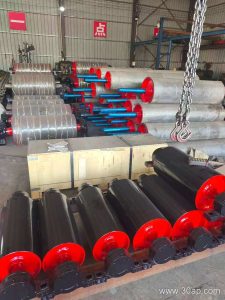
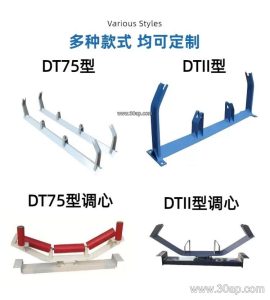
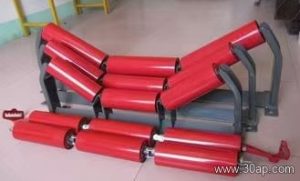
A belt conveyor trough idler is the set of rollers that supports the loaded side of a conveyor belt and shapes it into a trough. This shaping keeps bulk material centered and reduces spillage on the carrying run. In a quarry, coal preparation plant, or cement line, the trough idler is usually the most numerous component on the conveyor frame, so its selection affects belt life and energy use. The trough idler works together with the conveyor belt, the conveyor pulley at the drive and tail ends, and the conveyor bracket that holds each idler set in place.
Common trough idler arrangements include single-roller, two-roller, and three-roller sets. The three-roller trough idler is widely used on high-capacity lines because it gives a deeper trough profile for the same belt width. The roll diameter and trough angle are chosen together with the belt width, not as isolated numbers.
Construction and Surface Options
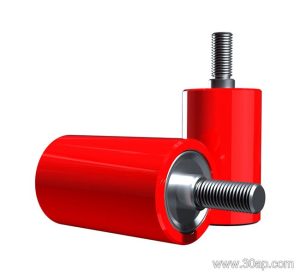
A typical trough idler consists of a steel tube shell, bearing housings, a shaft, and seals. Roll surfaces may be plain steel, nylon, ceramic, or rubber rings. Rubber rings are common on impact zones, while ceramic or nylon surfaces may be considered where build-up or wear is a concern. Bearings such as 6204, 6205, 6305, 6306, 6308, and 6310 appear across different idler sizes, but the bearing number should be matched by the idler manufacturer to the load and speed of the application.
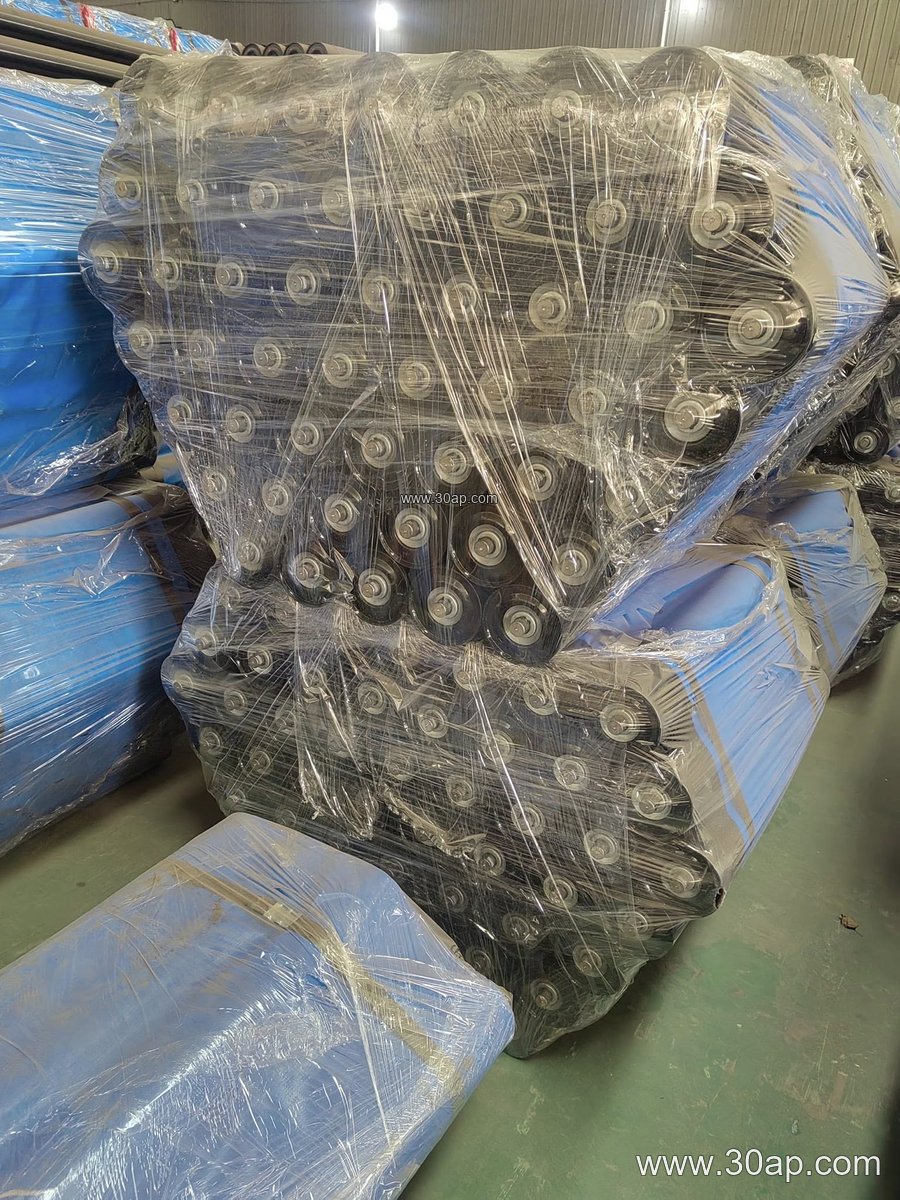
Sealing quality matters in dusty operations. A good labyrinth seal and grease retention design help keep grit out of the bearing cavity. In coal mining and underground mining conveyor systems, flame retardant conveyor belt and anti-static conveyor belt requirements often influence the whole conveyor specification, including idler selection and grounding practices.
Where Trough Idlers Are Used
Trough idlers appear in stone crushing plants, sand and gravel lines, iron ore and copper ore handling, power plant coal yards, and port ship loading systems. In a limestone quarry, a three-roller trough idler with a 35-degree trough angle is a common choice for a 1000mm or 1200mm conveyor belt. For a wider 1400mm or 1600mm belt, the idler roll length and frame dimensions increase accordingly.
The carrying run may use a 20-degree, 30-degree, 35-degree, or 45-degree trough angle. A deeper trough helps contain material on a fully loaded belt, while a shallower trough can reduce belt edge stress on some installations. The correct angle depends on material characteristics, belt stiffness, and transition distance from the tail pulley.
Matching Idler Size to Belt Width
Roll diameter and roll length are not universal. The following table shows common reference examples for three-roller trough idler sets; side rolls and center rolls can differ, and final dimensions are set by the conveyor design.
| Belt width | Common center roll length (reference) | Typical trough idler roll diameter range |
|---|---|---|
| B500 | about 200 mm | Ø63 to Ø89 mm |
| B650 | about 250 mm | Ø76 to Ø108 mm |
| B800 | about 315 mm | Ø89 to Ø127 mm |
| B1000 | about 380 mm | Ø102 to Ø133 mm |
| B1200 | about 465 mm | Ø108 to Ø159 mm |
| B1400 | about 530 mm | Ø127 to Ø178 mm |
| B1600 | about 600 mm | Ø133 to Ø194 mm |
| B1800 | about 670 mm | Ø159 to Ø219 mm |
These values are reference data, not fixed pairings. A 1200mm wide conveyor belt may use different roll diameters depending on load, speed, and frame design. Shaft diameter should be confirmed from the idler manufacturer’s load rating rather than calculated from belt width alone.
Buyer Checklist
- Confirm belt width, trough angle, and whether a two-roller or three-roller trough idler set is required.
- Check the conveyor bracket dimensions and mounting hole spacing before ordering idler sets.
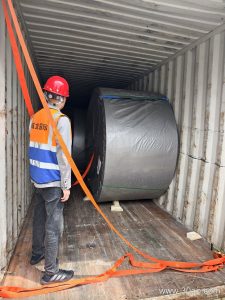
- Review the belt specification, such as EP conveyor belt or steel cord conveyor belt, because belt stiffness affects troughability.
- For dusty or wet conditions, ask about seal type and bearing protection.
- Keep spare idler rollers and brackets for critical conveyor lines to reduce downtime.
For harsh mining and quarry duty, a heavy-duty trough idler with reinforced shell and good sealing is often worth the investment. On a coal mining conveyor belt system, fire resistant conveyor belt and flame retardant conveyor belt grades may be specified alongside the idler order, so the full conveyor specification should be reviewed together. More details on trough idlers and conveyor components are available at trough idler.