What a 2400mm Conveyor Belt Is
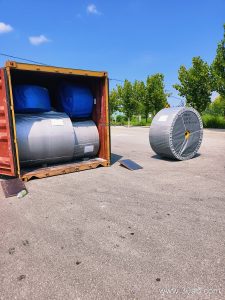
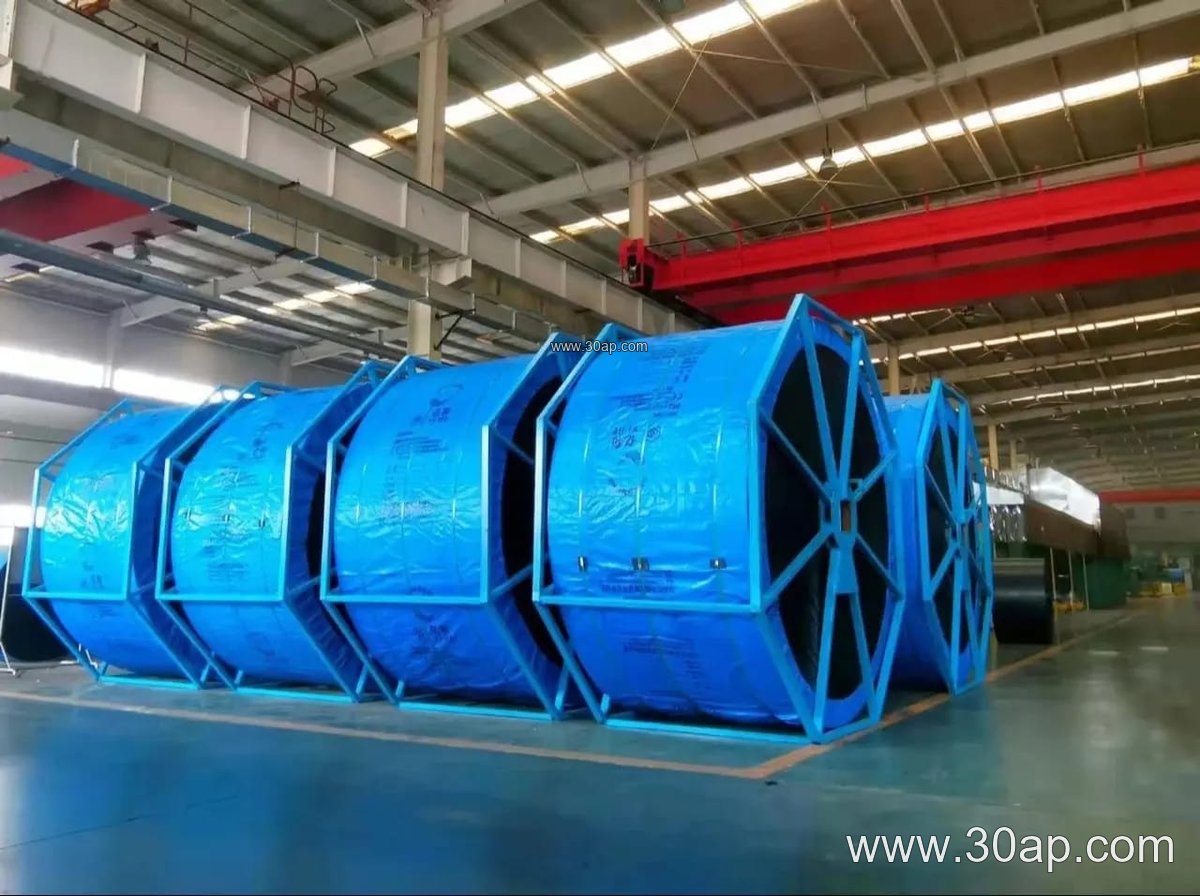
A 2400mm conveyor belt is an extra-wide belt with a nominal width of 2400 millimeters, used where a single conveyor must move large tonnages or handle bulky, wide-spread material loads. In practice it is often called a 2400mm wide conveyor belt or a 2.4 m conveyor belt, and it belongs to the family of wide conveyor belts and extra-wide conveyor belts rather than standard-width stock. The width is the defining feature: it allows a broad carrying surface, so the belt can serve high-capacity trunk conveyors in mines, cement plants, power stations, ports and large aggregate operations without splitting the flow across several narrower lines.
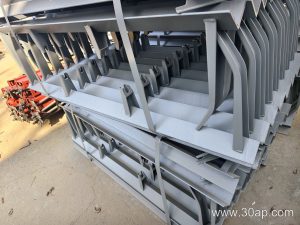
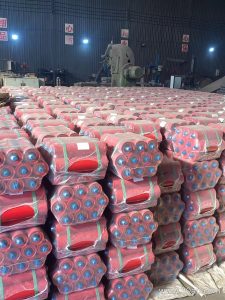
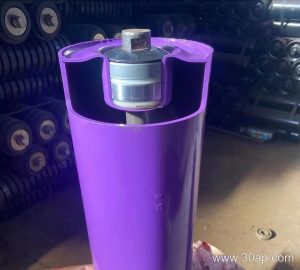
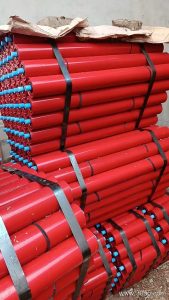
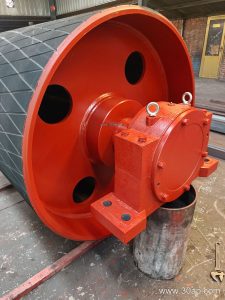
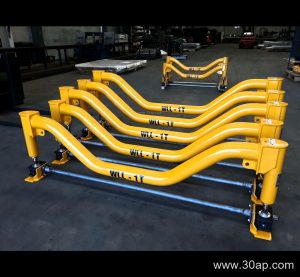
Because of its size, a 2400mm conveyor belt is usually engineered as part of a complete system. The belt, conveyor pulleys, idler rollers and conveyor brackets are selected together, since the belt width affects loading, tracking and the structural layout of the conveyor frame.
Construction and Common Configurations
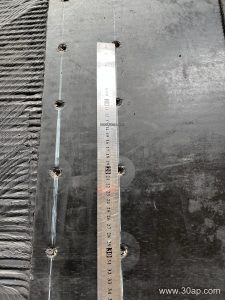
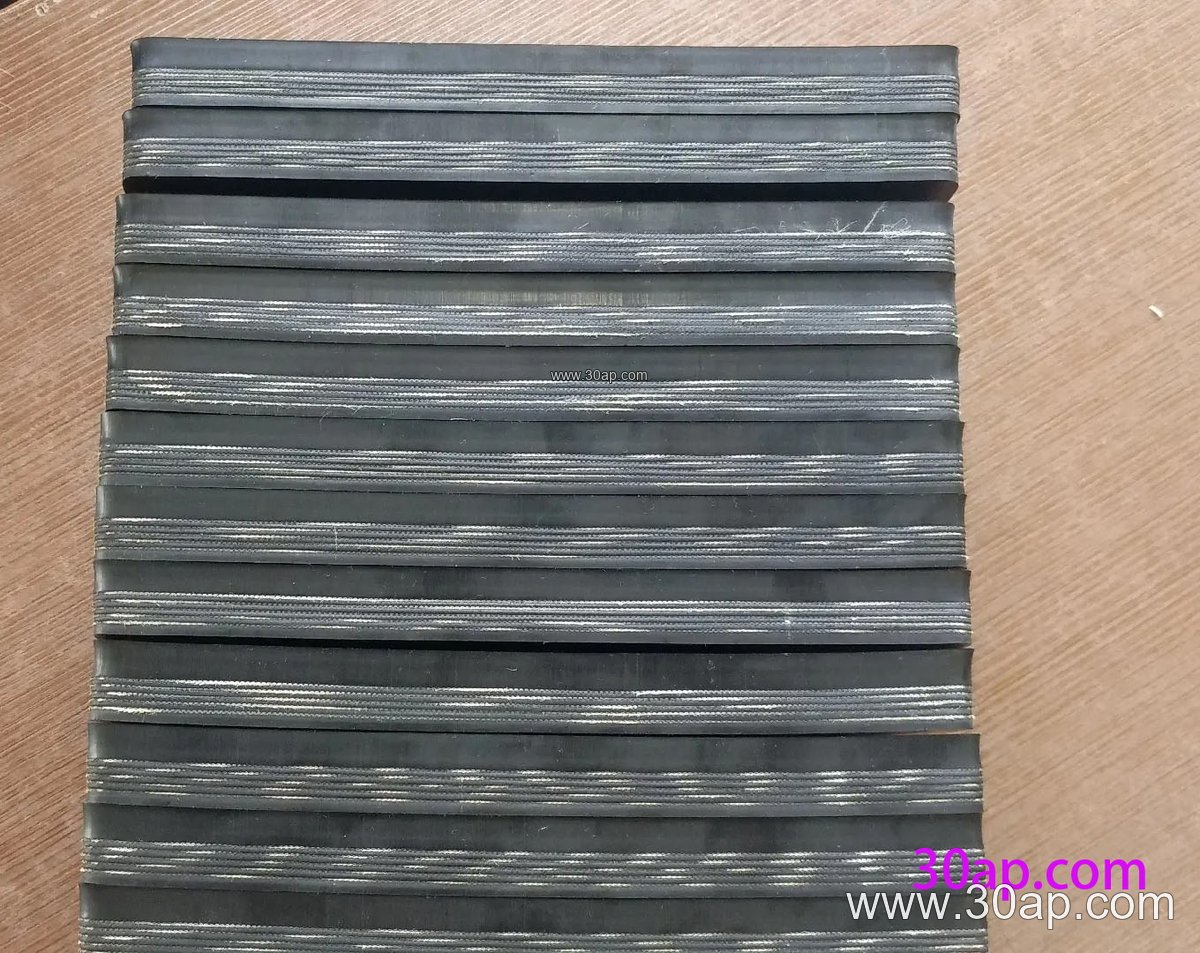
The carcass carries the tension, while the cover rubber protects it from the material being moved. For a belt this wide, fabric-core and steel-cord designs are both used depending on the duty. A multi-ply fabric core conveyor belt with EP or NN plies is common in general bulk handling, while a steel cord conveyor belt is chosen for long distances and heavy loads. Heat resistant conveyor belts, oil resistant belts, flame retardant and anti-static grades, and abrasion resistant conveyor belts are all available in wide formats when the duty calls for them.
Common reference values for wide belts are shown below. These are typical ranges, not fixed specifications; final values are confirmed by the manufacturer and the conveyor design.
| Parameter | Typical Reference |
|---|---|
| Belt width | 2400 mm (B2400) |
| Carcass type | EP fabric, NN fabric, steel cord |
| Fabric strength grades | EP200 to EP2000, NN100 to NN400 |
| Steel cord grades | ST1000 to ST3150 |
| Number of fabric plies | 2 to 6, by design |
| Cover thickness (top + bottom) | 4+2, 5+2, 6+2, 8+3 mm |
Surface Forms and Special Designs
Inclined routes may use a chevron conveyor belt to prevent material rollback. Where spillage control matters, a skirted conveyor belt or a corrugated sidewall conveyor belt keeps bulk material on the wide surface. Enclosed routes can use a pipe conveyor belt, though pipe designs are normally much narrower than 2400 mm, so this is a comparison point rather than a substitute. Endless conveyor belts are also made to order for specific pulley centers.
Where 2400mm Belts Are Used
Extra-wide belts appear where throughput is high and the material is coarse or mixed. Typical settings include:
- Mining conveyor belts and underground mining conveyors, including coal mining and ore transport such as iron ore and copper ore.
- Quarry conveyor belts and aggregate conveyor belts feeding crushers and screens.
- Cement plant conveyors moving clinker, limestone and raw meal.
- Power plant coal conveyors and port or ship loading conveyors.
- Steel plant and bulk material conveyor lines handling sinter, coke and similar loads.
In these industries the belt works alongside idler rollers, conveyor pulleys and brackets, and the whole line is matched to the belt width and load profile.
Buyer Checklist Before Ordering
Width alone does not define a belt. A buyer should confirm the material type, lump size, temperature, oil or chemical exposure, and whether flame retardant or anti-static properties are needed. The required tensile grade should come from the conveyor tension calculation, not from a rule of thumb. Cover thickness should match abrasion and impact conditions; a high abrasion resistant conveyor belt may be worthwhile in hard rock service, while a heat resistant conveyor belt is needed near hot clinker or sinter.
Also confirm the pulley diameters, troughing angle and transition distances, since a 2400mm conveyor belt needs generous transitions to avoid edge stress. Ask for the joint method, either vulcanized splice or mechanical fastening, and check that the supplier can produce the exact width and grade. For reference on compatible components such as idlers and pulleys, see the conveyor pulley and idler roller pages at conveyor-accessories.com. Additional guidance on belt selection is available at conveyor-accessories.com/conveyor-belt.
Handling and Maintenance Notes
Wide belts are heavy, so lifting and splicing need proper equipment and trained crews. Keep the belt centered by checking idler alignment and pulley squareness, and inspect edges for damage after any jam. Store rolls on a dry, flat surface and avoid sharp bends. With correct tracking and cover maintenance, a 2400mm conveyor belt can deliver long service in demanding mining, quarry and cement duty.