What Pulley Custom Machining Involves
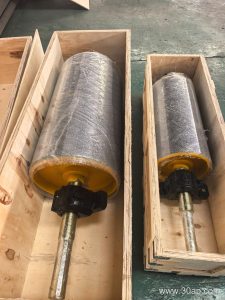
Pulley custom machining is the process of manufacturing conveyor pulleys to match the specific requirements of a conveyor system, rather than selecting a standard off-the-shelf unit. It covers the fabrication of the pulley shell, hubs, shafts, and surface treatments such as lagging. The goal is to achieve proper fit, alignment, and performance with the conveyor belt and the overall conveyor structure. Custom machining is common when standard sizes do not meet the load, space, or environmental demands of an installation.
Key Components and Construction
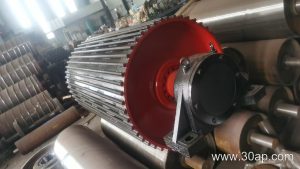
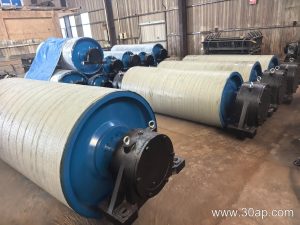
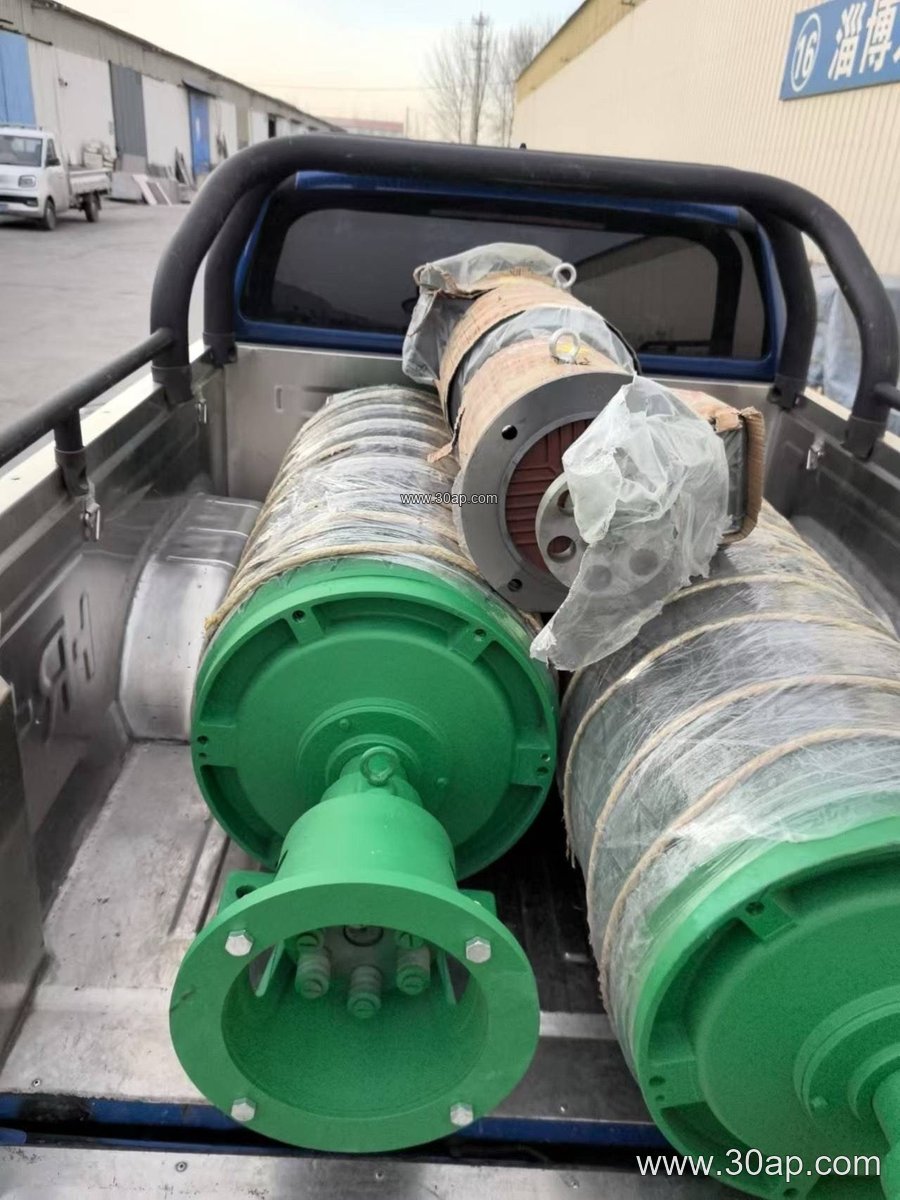
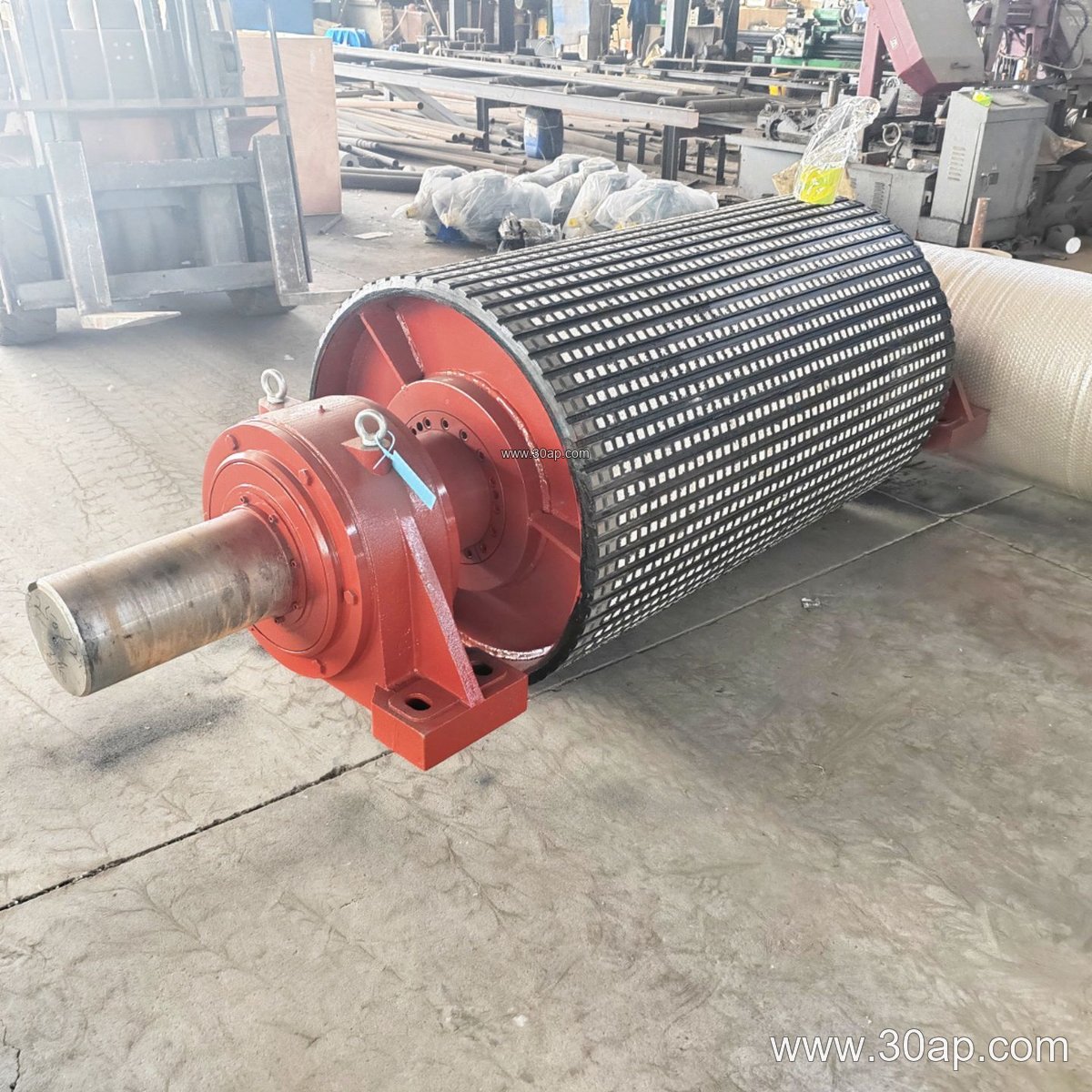
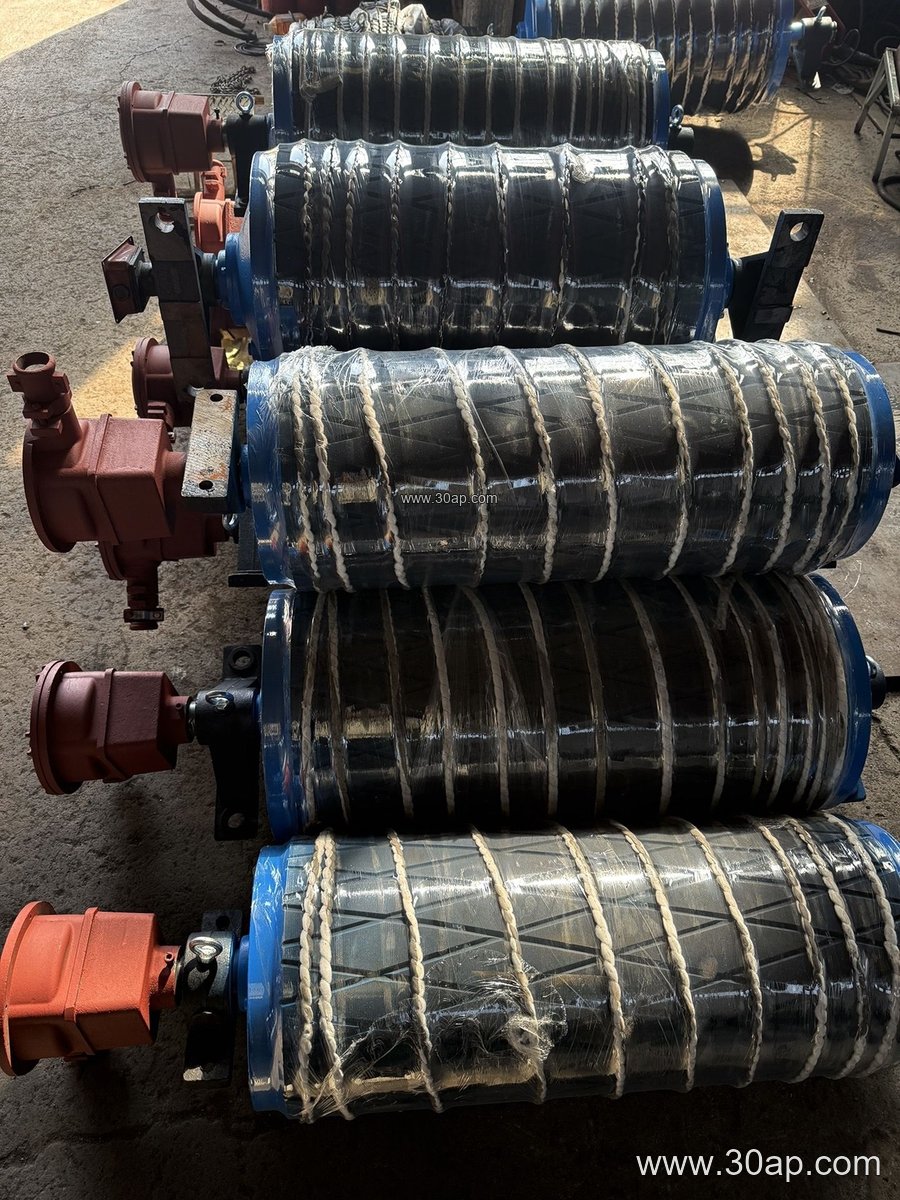
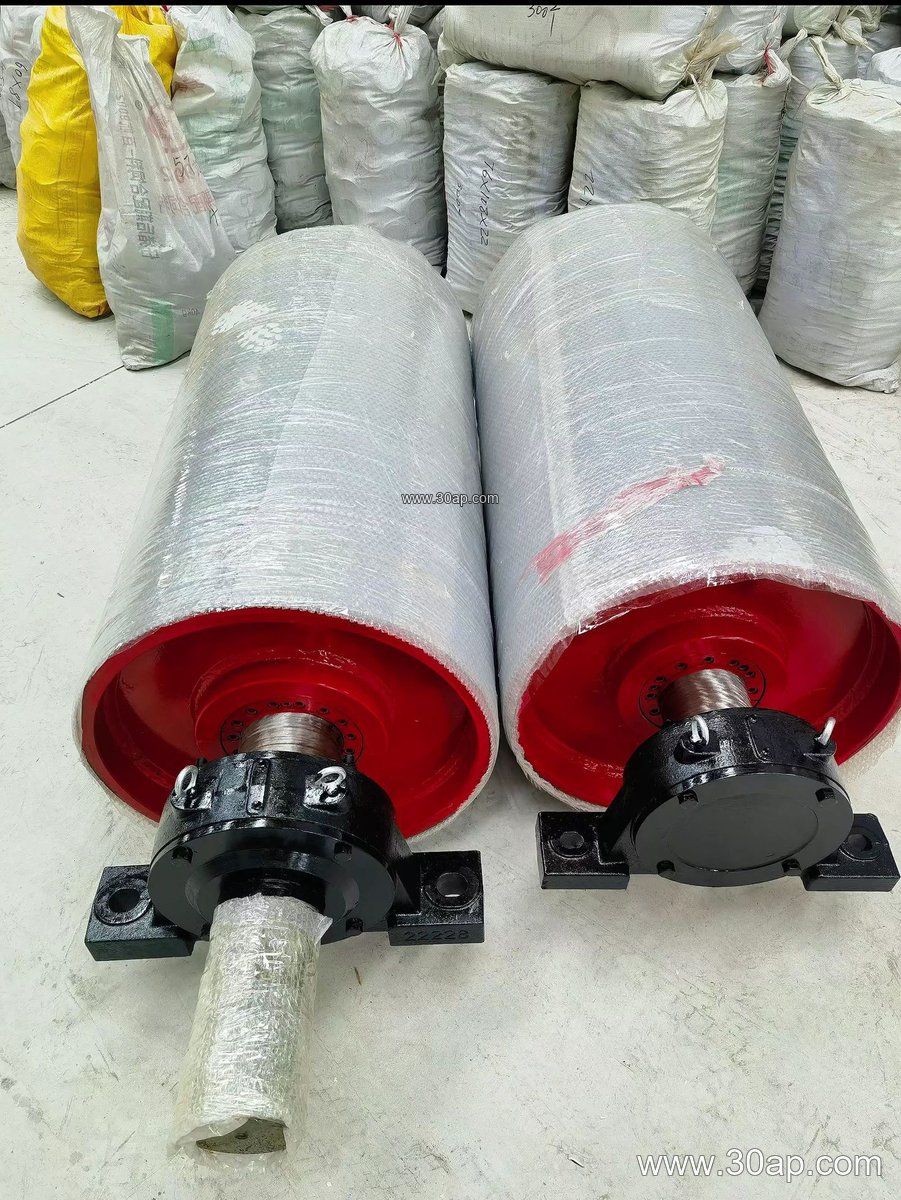
A custom-machined pulley typically consists of a cylindrical shell, end discs or hubs, a shaft, and a lagging surface when required. The shell is usually made from steel pipe or plate, machined to the desired diameter and face width. Shafts are sized according to torque and load conditions, not simply by belt width. Common shaft diameters include Ø50, Ø60, Ø70, Ø80, Ø90, Ø100, Ø120, Ø140, Ø160, Ø180, and Ø200 mm, but the final choice depends on the application. Lagging options include plain surface, rubber lagging applied by cold bonding or hot vulcanization, diamond pattern, chevron pattern, and ceramic lagging, with thicknesses often 8, 10, 12, 15, or 20 mm.
Types of Pulleys and Their Roles
Drive pulleys transmit power to the belt and are often the largest and most heavily loaded. Tail pulleys are located at the rear of the conveyor and can be plain or self-cleaning. Bend pulleys are used to change the belt direction or increase wrap angle around the drive pulley. These types are not interchangeable; each has a distinct function in the conveyor layout. Custom machining ensures that each pulley meets its specific duty, whether it is a drive pulley in a quarry conveyor or a bend pulley in a cement plant.
Typical Applications
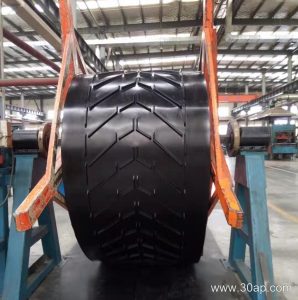
Custom-machined pulleys are found in bulk material handling across many industries. In a coal mining operation, heavy-duty pulleys must withstand abrasive dust and high tension. In a power plant coal handling system, pulleys work with flame retardant conveyor belts to ensure safe operation. Aggregate plants and stone crushing lines rely on pulleys that match the width and speed of their conveyor belts, such as 800mm or 1000mm wide units. The choice of lagging and surface pattern is often influenced by the material being conveyed—for example, chevron lagging may be used to improve grip on wet or slippery belts.
Specifications and Size Considerations
When specifying a custom pulley, several parameters must be defined. Belt width is a starting point, but pulley face width is usually wider than the belt to allow for misalignment. For instance, a B800 belt might use a pulley with approximately 950 mm face width. Diameter selection depends on belt speed, tension, and the required wrap angle. Common diameters include Ø200, Ø250, Ø315, Ø400, Ø500, Ø630, Ø800, Ø1000, and larger. The shaft diameter is determined by the torque and radial loads, not by belt width alone. A typical specification might be B1200 × Ø1000 with a 15 mm rubber lagging, but this is just an example; actual sizes vary by design.
What Buyers Should Know
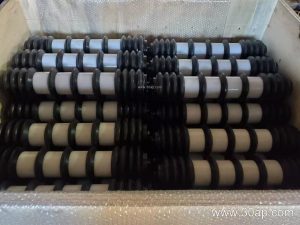
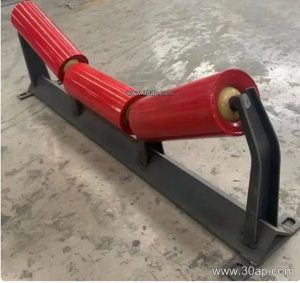
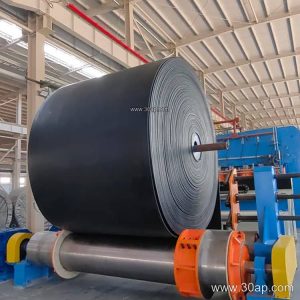
Buyers should provide complete application details: belt width, belt type (such as EP conveyor belt or steel cord conveyor belt), expected tension, environmental conditions (dust, moisture, temperature), and available space. It is important to clarify the pulley’s position—drive, tail, or bend—because the design requirements differ. For instance, a drive pulley may need a larger diameter and more robust lagging than a bend pulley. Custom machining also allows for features like keyways, bearing housings, and balancing to be tailored. Buyers should avoid assuming that one belt width corresponds to a single pulley diameter; engineering calculations are necessary. Working with a manufacturer that offers pulley custom machining ensures the final product integrates smoothly with the conveyor belt, idler rollers, and conveyor brackets.
Maintenance and Long-Term Performance
Proper maintenance begins with correct specification. Custom-machined pulleys with appropriate lagging reduce belt slip and wear. Regular inspection of lagging condition, shaft alignment, and bearing health is recommended. In harsh environments like iron ore or copper ore operations, ceramic lagging may extend service life. Keeping the pulley clean and ensuring the belt tracking is correct will prevent premature failure. When replacement is needed, having the original machining specifications simplifies the process and maintains system reliability.