What a Dust-Proof Idler Is
A dust-proof idler is a carrying or return roller built to keep fine abrasive particles away from its bearing cavity. On a conveyor belt line, the idler roller supports the belt and the load, and its bearings sit in a hostile place: grit, fines, and powder work their way toward the seals with every revolution. The dust-proof version answers that problem with a sealing arrangement designed for dusty service, so the roller keeps turning freely instead of locking up and scuffing the belt.
This is still a standard troughing, return, or impact idler in its basic function. The “dust-proof” part describes the seal and bearing protection, not a separate family of roller. In a quarry, a cement plant, or a coal handling system, that difference in sealing can decide how long a roller lasts between change-outs.
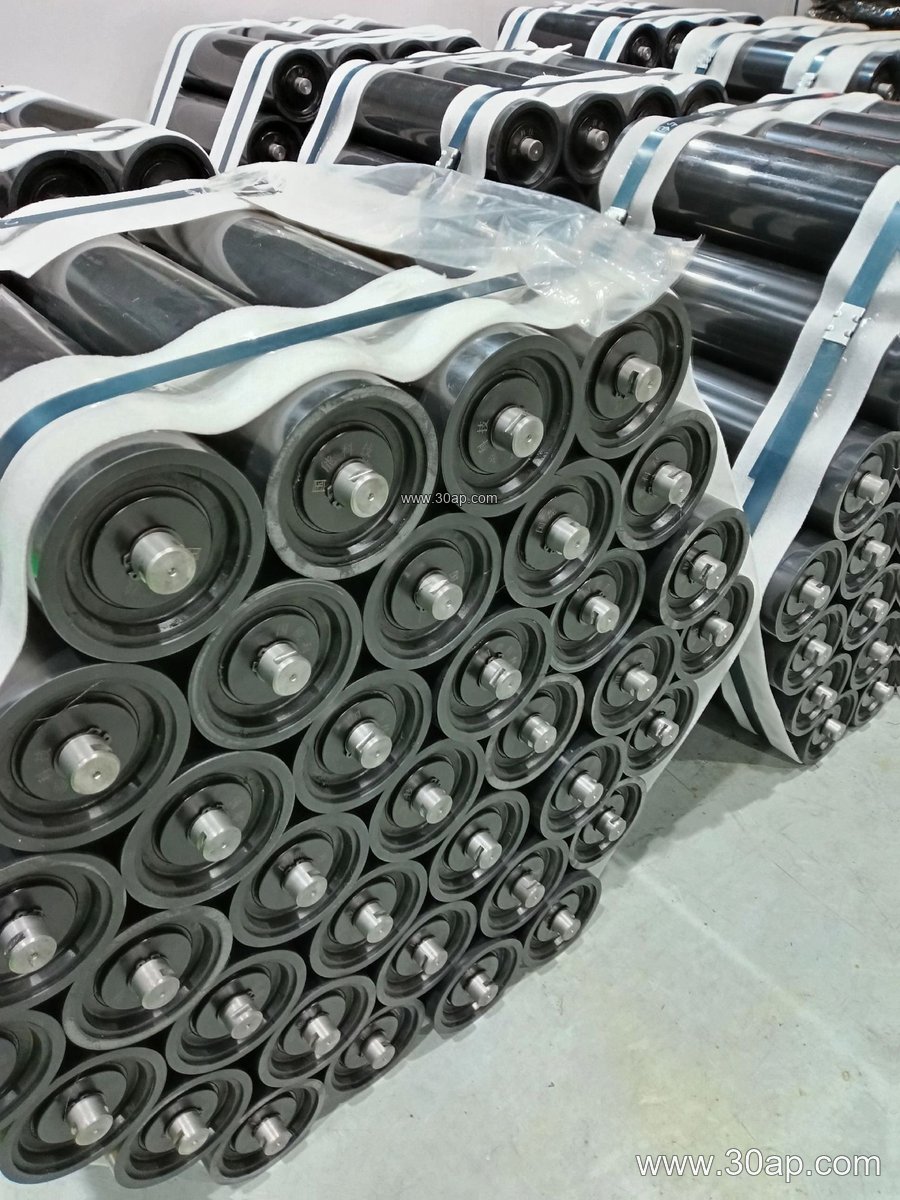
How the Sealing and Bearing Protection Work
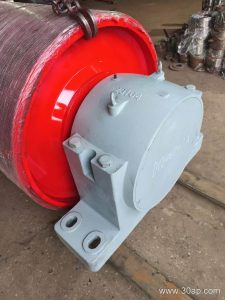
Most designs combine a labyrinth seal with an outer dust lip, sometimes backed by a felt or rubber contact ring. The labyrinth creates a long, narrow path that particles cannot easily follow, while grease inside the bearing housing pushes outward and helps reject contamination. Good housings also use a protected bearing cap so that material falling from the belt does not collect directly against the seal face.
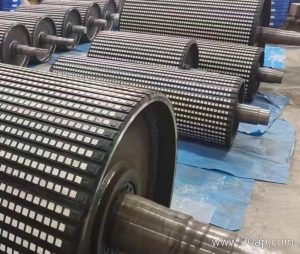
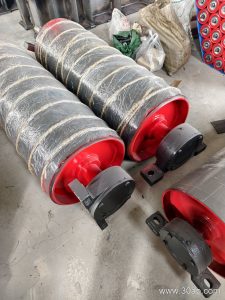
The roller body itself is usually a steel tube with machined end faces, and the shaft is fixed to the housing through pressed bearing seats. Common bearing numbers in this range include 6204, 6205, 6305, 6306, and 6308, matched to the shaft and load rather than to one fixed roller diameter. Surface options include plain steel, nylon, ceramic, and rubber rings, and a rubber-ring version is often chosen at transfer points where impact is heavy.
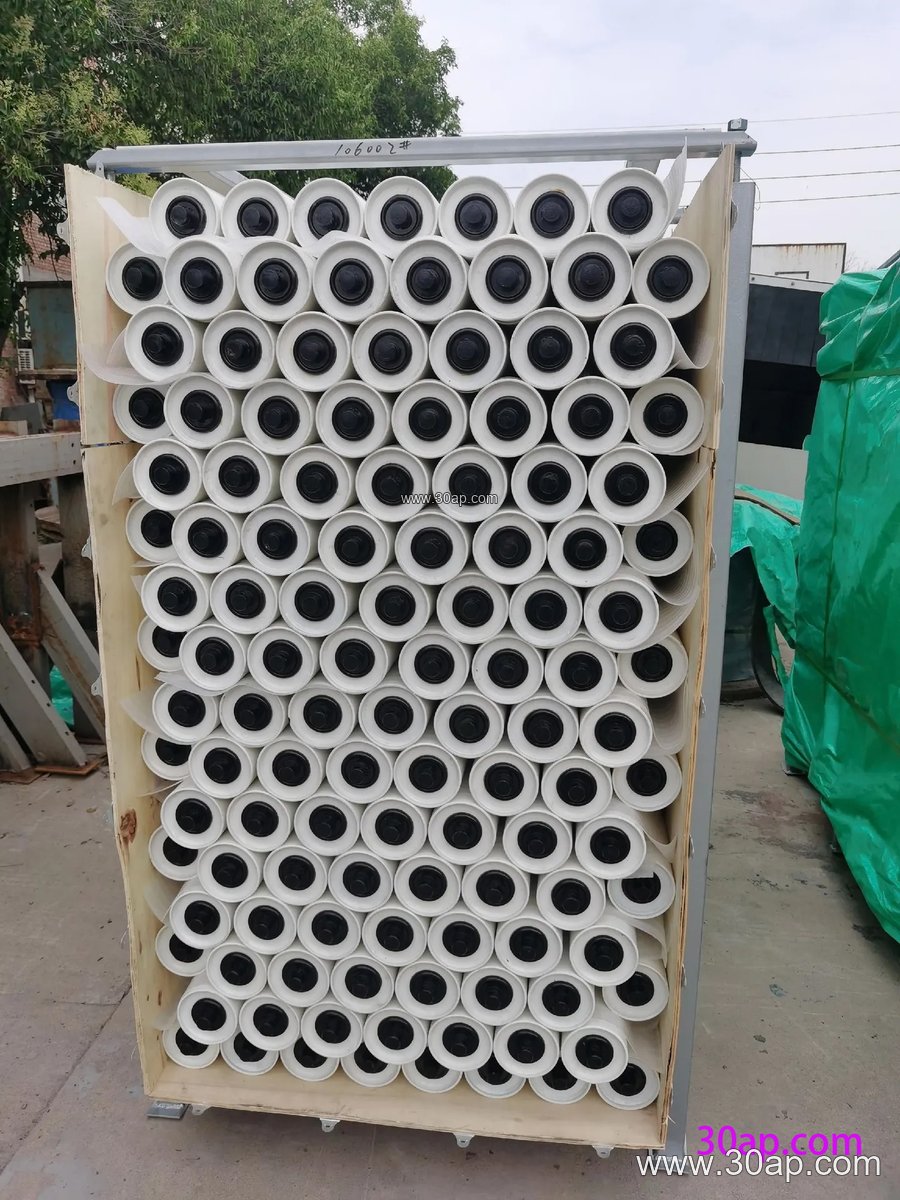
Where Dust-Proof Idlers Fit Best
These rollers earn their cost in operations where the air is thick with fines. Two typical settings:
- Cement plants and limestone handling: kiln dust, clinker fines, and raw meal settle on the return strand and work into ordinary seals. A dust-proof return idler on the lower run reduces seizure and belt wear.
- Coal preparation and power plant coal yards: fine coal dust combines with moisture and packs around bearing caps. Sealed idlers help keep the roll turning and reduce the risk of a stalled roller rubbing a flame retardant conveyor belt.
The same reasoning applies along a crusher conveyor belt or an aggregate conveyor belt, where stone dust is constant. A dusty line usually pairs these rollers with an abrasion resistant conveyor belt, and in coal service with a fire resistant conveyor belt to match site requirements.
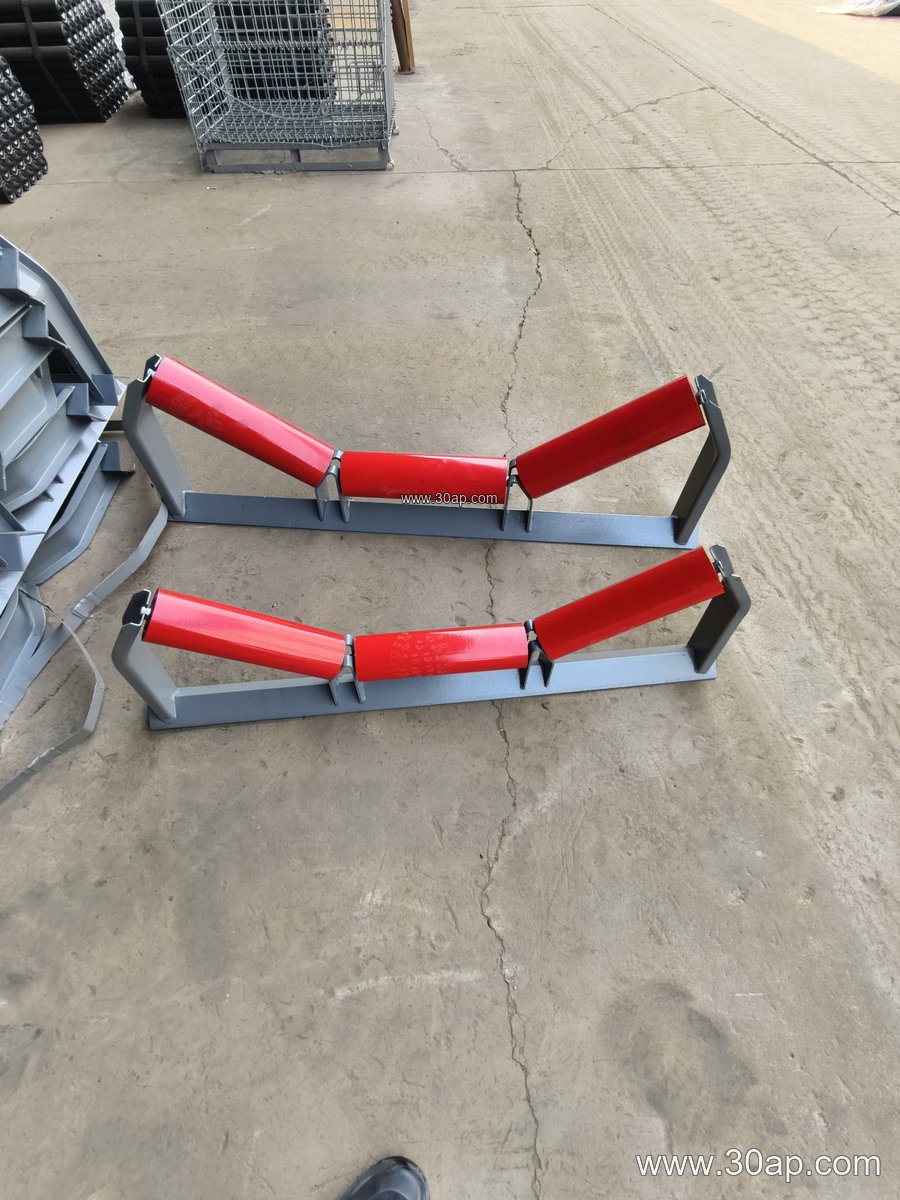
Matching Roller Diameter, Belt Width, and Trough Angle
Roller diameter and belt width are chosen together with the conveyor design, not by a single rule. Common roller diameters include Ø89, Ø102, Ø108, Ø127, Ø133, Ø159, and Ø178 mm, while belt widths run from B500 and B650 up through B1200, B1400, and B1600. A wider belt does not dictate one pulley diameter, and a given belt width can work with more than one roller size depending on load and speed.
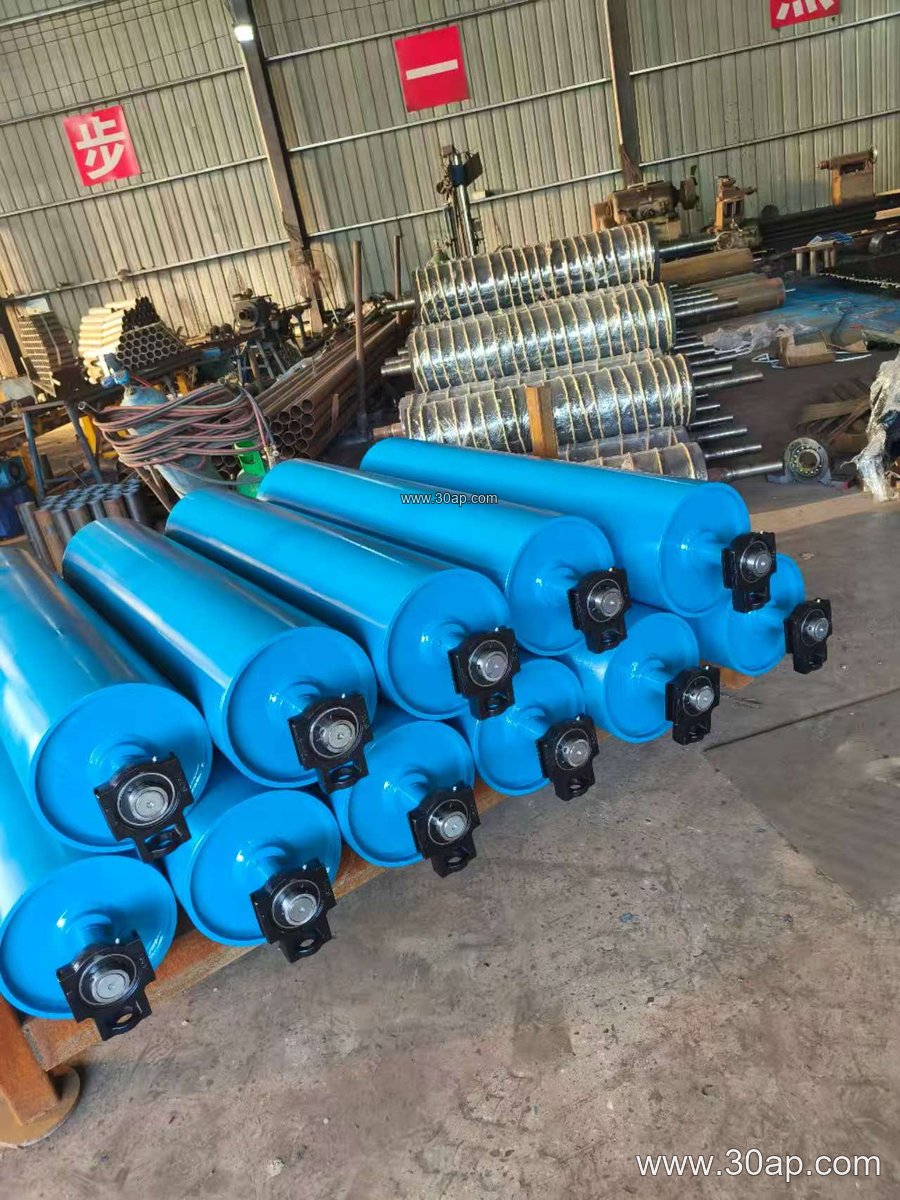
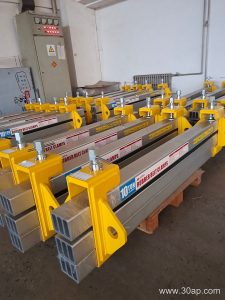
Trough angle affects how the material sits on the belt. Common angles are 20, 30, 35, and 45 degrees; a three-roll troughing set at 35 degrees is a frequent choice for bulk material, while a 45-degree set suits some high-capacity lines. Roller length follows the belt width, trough angle, and roll arrangement. For a three-roll troughing set, typical roll lengths are roughly 200 mm at B500, 250 mm at B650, 315 mm at B800, 380 mm at B1000, 465 mm at B1200, and 530 mm at B1400. Side rolls and center rolls can differ, so these figures are examples for design discussion, not fixed pairings.
| Parameter | Common Range | Note |
|---|---|---|
| Roller diameter | Ø89 to Ø178 mm | Selected by load and speed |
| Belt width | B500 to B1600 mm | Wider lines may use larger sizes |
| Trough angle | 20 to 45 degrees | Affects material cross-section |
| Bearing | 6204, 6205, 6305, 6306, 6308 | Matched to shaft and duty |
| Roll surface | Steel, nylon, ceramic, rubber ring | Rubber rings for impact zones |
Buyer Checklist Before Ordering
Ask for the seal construction drawing, not just the word “dust-proof.” Confirm the bearing number and housing material, the roller wall thickness, and whether the end caps are welded or pressed. Check that the roller diameter suits the existing conveyor bracket and that the shaft ends match the frame slots. On a long overland line carrying iron ore or copper ore, specify the seal grade for the dust level and the maintenance interval you can actually keep.
Also confirm balance and runout limits, since a poorly balanced roller vibrates and damages the belt edge. If the line uses a steel cord conveyor belt or a heavy-duty mining conveyor belt under high tension, roller spacing and diameter deserve a fresh calculation rather than a copy of the previous installation.
Installation and Maintenance Notes
Keep spare rollers dry and capped before installation. Align the idler frame so the roller axis is square to the belt centerline; a skewed roller causes edge tracking and premature seal wear. Grease only where the design provides a grease path, and avoid over-filling sealed-for-life units. Inspect for seized rollers, torn dust lips, and material build-up on the frame, and replace any roller that no longer turns freely. A small stock of the correct diameter and bearing combination keeps a dusty line running without improvised substitutes.