What the Ø108 Conveyor Idler Is
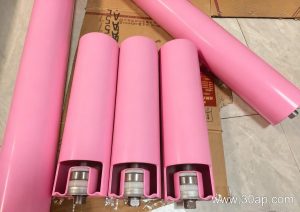
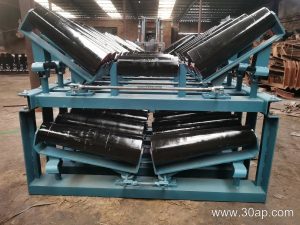
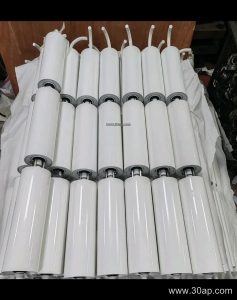
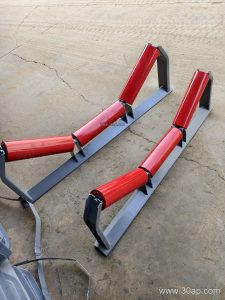
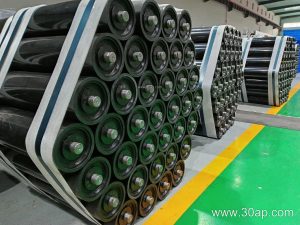
The Ø108 conveyor idler is a carrying or return roller with a nominal shell diameter of 108 mm. It is one of the most common sizes in a belt conveyor system, sitting under the conveyor belt to support the load and keep the belt tracking smoothly. In a typical troughing set, three of these idlers form a 20, 30, 35 or 45 degree trough, while flat and V-return versions guide the empty belt on its way back. The Ø108 idler roller is widely used in quarry, coal mining, cement and power plant conveyors where a balance between load capacity and weight is important.
Buyers often meet this size on medium-width belts, but the diameter alone does not define the whole assembly. Roll length, bearing size, shaft diameter and bracket style are selected together with the belt width and the conveyor design.
How a Ø108 Idler Is Built
The body is usually a steel tube with machined ends, fitted with sealed bearings and a through shaft. Common bearing numbers for this class of roller include 6204, 6205, 6305 and 6306, but the choice depends on load and speed rather than on the 108 mm shell alone. The shell surface may be plain steel, nylon, ceramic or rubber rings. Rubber rings are often chosen for impact zones under a crusher or transfer point, where the belt carries lumpy rock and needs cushioning.
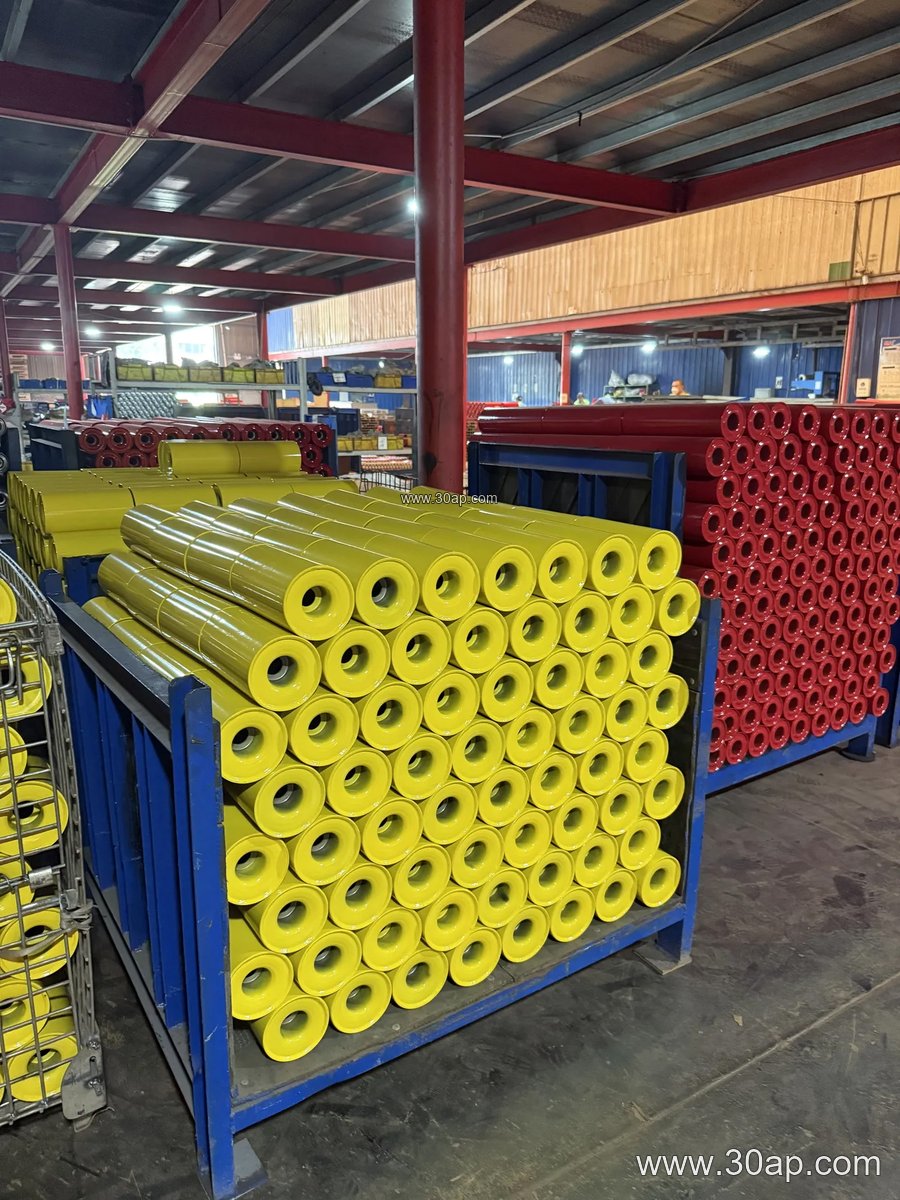
Sealing is a critical detail. Dust, water and fine grit are the main enemies of idler bearings in a sand and gravel plant or a coal yard. A well-made Ø108 conveyor idler uses a labyrinth seal and grease retention to keep contamination out and reduce rolling resistance. The shaft ends are usually flattened or fitted with a fixing arrangement that locks into the conveyor bracket.
Where the Ø108 Conveyor Idler Fits
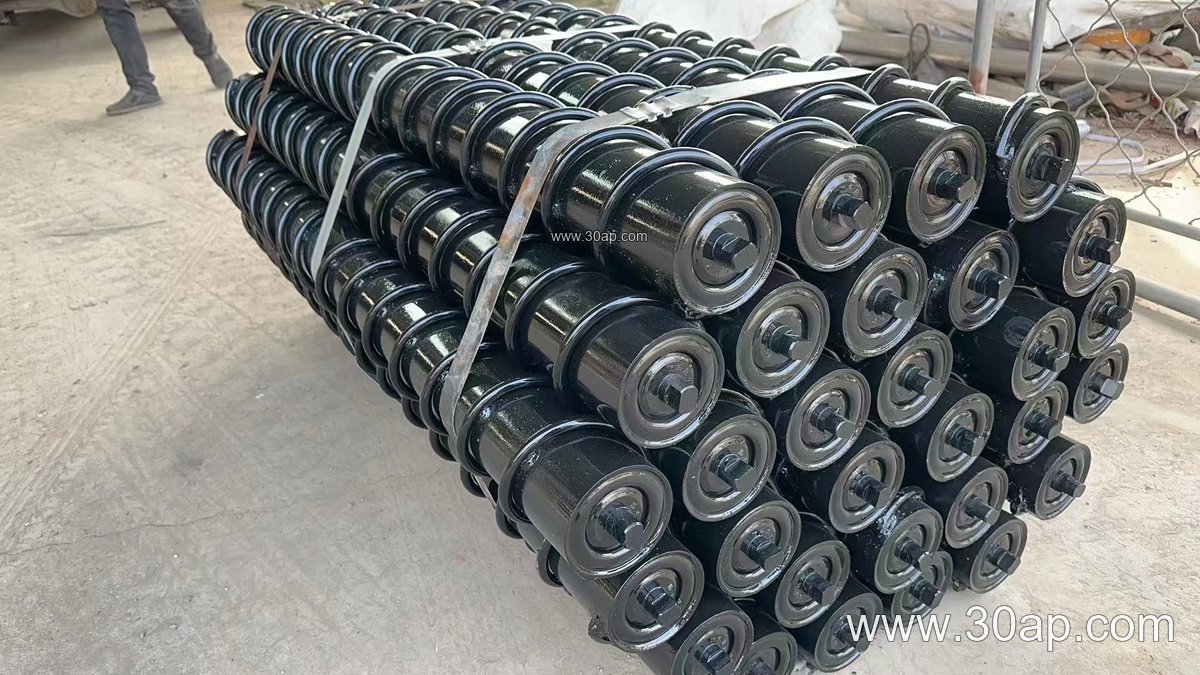
This diameter appears in several positions along a conveyor. Troughing idlers carry the loaded belt, return idlers support the empty strand, and transition idlers ease the belt from a flat pulley into a full trough. In a limestone mine or a cement plant, the Ø108 roller is frequently found on medium-duty main haulage and on yard conveyors. In a power plant coal handling system, it may run under a flame retardant conveyor belt or an anti-static belt where static control matters.
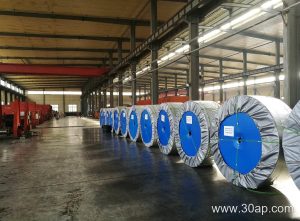
It is also common in aggregate and ore lines that use an EP conveyor belt or a multi-ply fabric core belt. Heavier steel cord conveyor belts and very wide belts often call for larger diameters, so the Ø108 roller is not a universal answer for every conveyor. The correct approach is to match the idler to the belt width, belt tension and material load.
Common Dimensions and Arrangements
The table below gives typical reference values, not fixed rules. Roll length changes with belt width, trough angle and whether the idler is a side roll or a centre roll.
| Item | Common reference |
|---|---|
| Nominal shell diameter | 108 mm |
| Belt width examples | B500, B650, B800, B1000, B1200, B1400 |
| Troughing roll length examples | 200 mm for B500, 250 mm for B650, 315 mm for B800, 380 mm for B1000, 465 mm for B1200, 530 mm for B1400 |
| Trough angles | 20, 30, 35, 45 degrees |
| Bearing examples | 6204, 6205, 6305, 6306 |
| Surface options | Steel, nylon, ceramic, rubber rings |
These values are examples only. Side rollers and centre rollers can differ in length, and the final shaft size must come from the conveyor design, not from belt width alone.
Selection and Maintenance Notes
When specifying a Ø108 conveyor idler, confirm the belt width, the trough angle, the load per idler and the ambient conditions. A dusty quarry line and a wet coal yard may need different sealing and surface choices. For abrasive bulk material, a ceramic or rubber-covered roller can extend service life; for sticky material, a spiral or self-cleaning form may help. Keep the conveyor bracket and frame aligned, because a misaligned idler accelerates belt edge wear and bearing failure.
Inspect rollers during routine shutdowns. Listen for noisy bearings, check for seized rollers and look for material build-up on the shell. Replacing a worn Ø108 idler early is usually simpler than repairing a damaged conveyor belt later. Whether the plant handles iron ore, cement clinker or coal, the idler is a small component that directly affects belt life and energy use.