What a Belt Conveyor Idler Frame Does
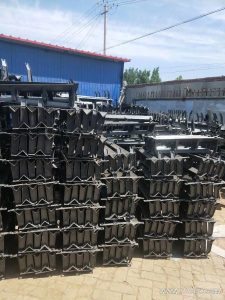
A belt conveyor idler frame is the steel structure that carries the idler rollers and holds them at the correct position under or above the conveyor belt. In a quarry or a cement plant, the frame is the quiet link between the belt, the rollers, and the main conveyor structure. It does not move material itself, but it controls the belt line, the trough shape, and the load path into the stringers. Without a well-made frame, even good rollers and a strong conveyor belt will run unevenly.
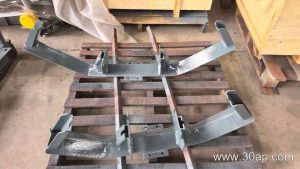
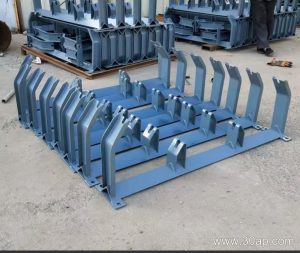
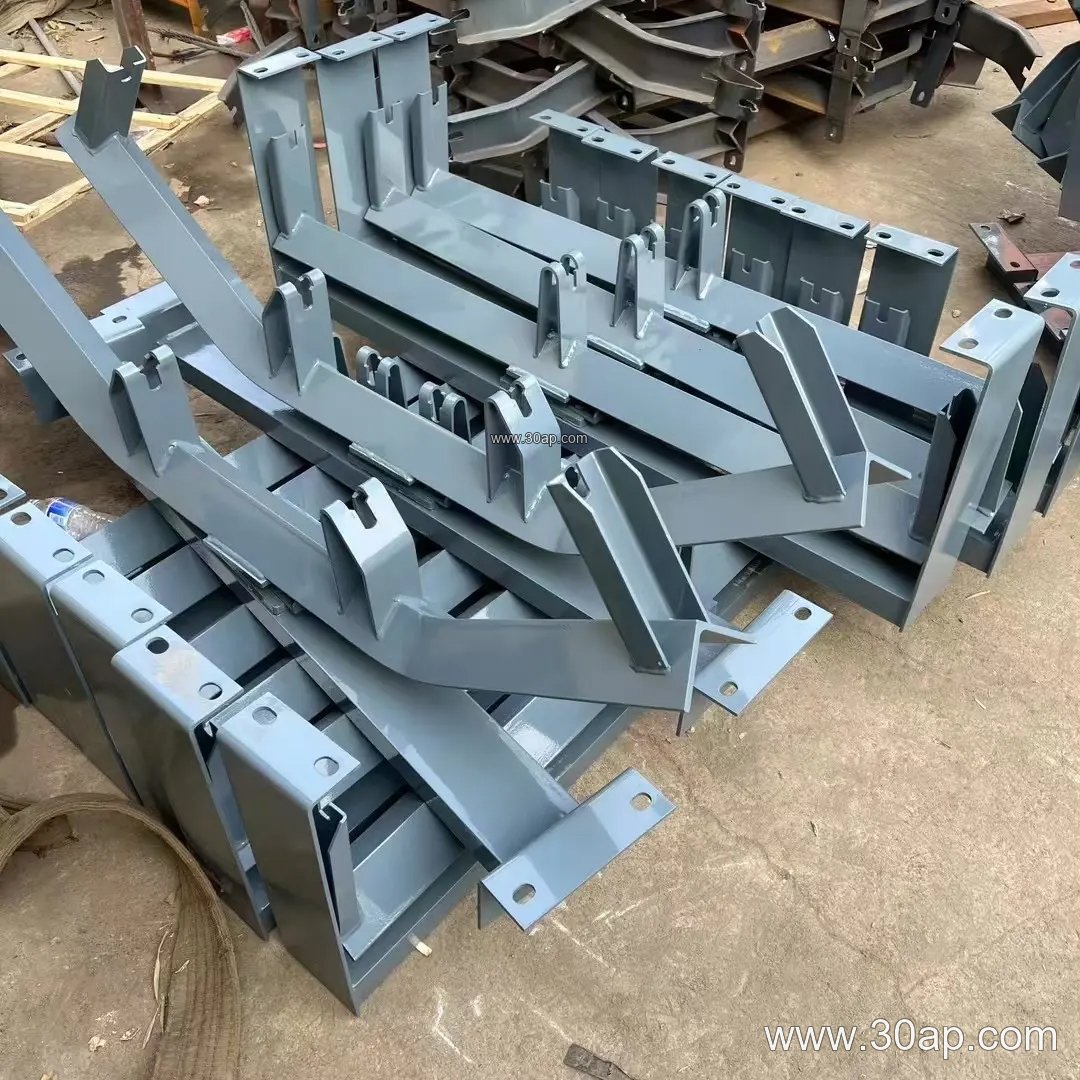
The frame is often called a conveyor idler frame or simply an idler bracket set. It usually comes as a complete assembly with cross members, mounting plates, and fixing holes for the rollers. Some designs are welded, while others are bolted for easier transport and replacement.
How the Frame Is Built
Most frames are made from angle steel, channel steel, or folded steel plate. The choice depends on the load and the belt width. A heavy-duty mining conveyor with a wide belt needs a stiffer frame than a small aggregate line. The frame has to resist bending, vibration, and the constant push of the loaded belt.
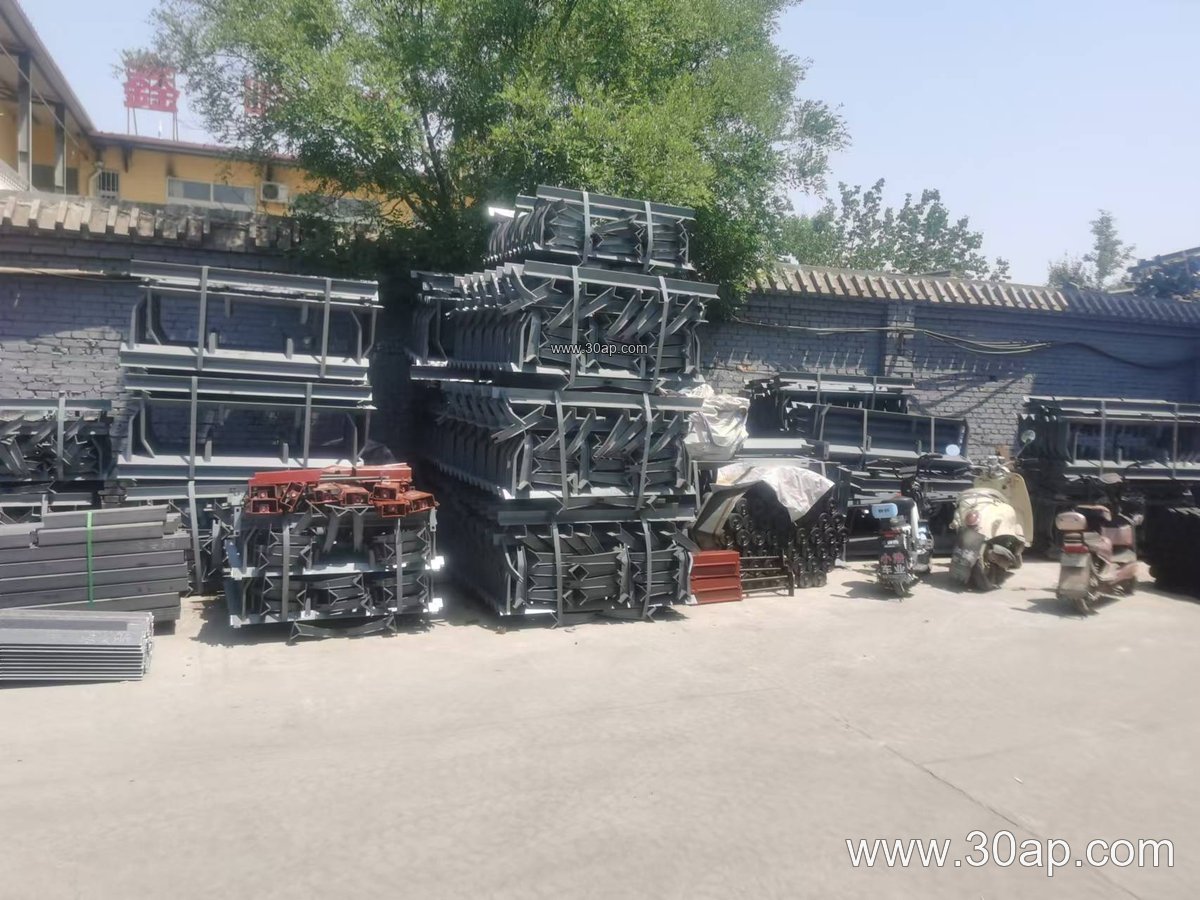
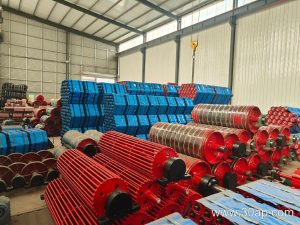
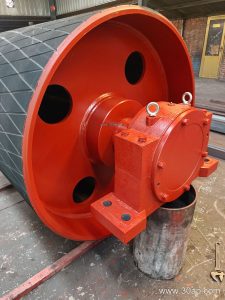
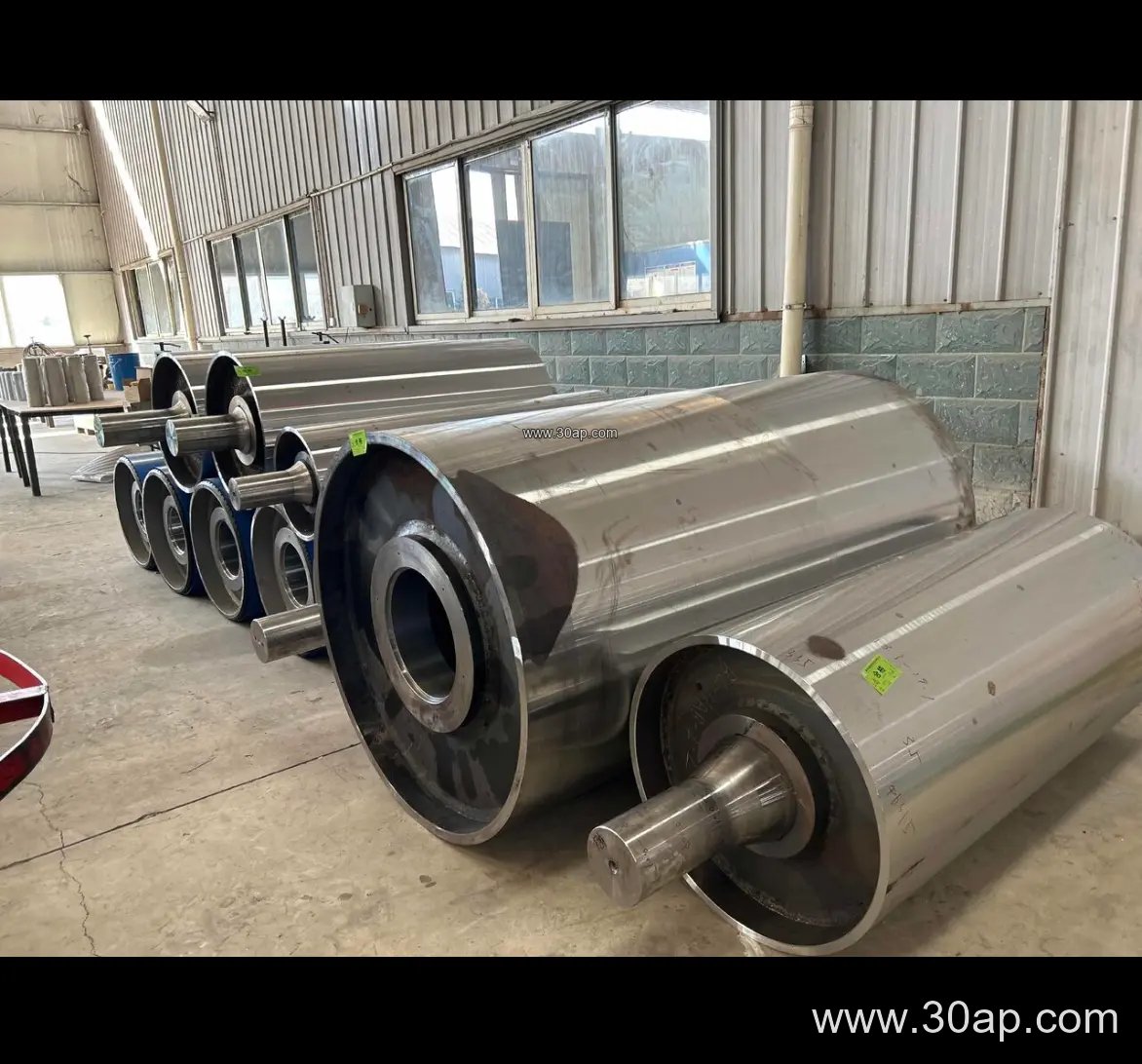
Common frame types include the trough frame on the carrying side, the transition frame near the pulleys, the return frame, and the V-return frame. There are also self-aligning frames, impact frames under loading points, and adjustable frames that allow the trough angle to be changed. A conveyor pulley at the head or tail is a separate item and should not be confused with these frames.
Typical Reference Data
The values below are common reference ranges, not a fixed rule for every conveyor. Final dimensions are decided by the conveyor design.
| Item | Common Range |
|---|---|
| Belt width | B500, B650, B800, B1000, B1200, B1400, B1600, B1800, B2000, B2200 |
| Trough angle | 20, 30, 35, 45 degrees |
| Idler diameter | Ø89, Ø108, Ø133, Ø159, Ø194 |
| Material | Angle steel, channel steel, folded steel plate |
A frame might be described as B800, 35 degrees, Ø108, or B1200, 45 degrees, Ø133. These are examples of how a set can be specified. One belt width does not lock the frame to a single trough angle or a single roller diameter. The mounting hole spacing and cross member length change with the belt width and trough angle, so they are set by the design rather than by a universal number.
Where It Fits on Site
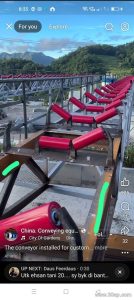
In a limestone quarry, trough frames support the loaded belt on the long incline. Near the crusher, impact frames protect the rollers from falling rock. In a cement plant, return frames and V-return frames keep the empty belt steady on its way back. A coal handling system in a power plant often uses flame retardant conveyor belt and self-aligning frames to keep the belt centered.
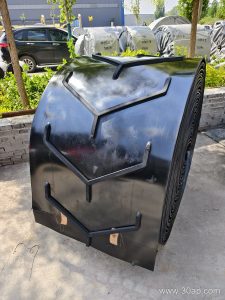
The frame also matters when the belt itself is demanding. A steel cord conveyor belt is stiff and heavy, so the frame must be strong and well aligned. A chevron conveyor belt or a corrugated sidewall conveyor belt may need extra clearance and careful frame placement. On a pipe conveyor belt line, the frame layout follows the pipe support design rather than the standard trough frame.
Choosing the Right Frame
Buyers should match the frame to the belt width, the trough angle, and the roller diameter allowed by the conveyor design. Check the steel thickness, the welding quality, and the hole spacing. Ask whether the frame is fixed or adjustable, because an adjustable frame can move between common trough angles and helps when the belt load changes. Check the surface treatment as well, since dust and moisture are common in quarries and washing plants.
The frame should also suit the surrounding parts. Look at how it connects to the conveyor bracket on the stringer, and confirm that the idler roller fits the mounting slots. If the line uses a fabric core conveyor belt or a multi-ply fabric core belt in a smaller plant, a lighter frame may be enough. On a heavy mining conveyor belt line, a stronger frame is the safer choice.
Maintenance Notes
Inspect frames for bent cross members, loose bolts, and worn mounting holes. A frame that has shifted can make the belt run off center even when the rollers are fine. Keep the frame clean so material does not build up and change the trough angle. Replace damaged frames before they wear the belt edge or overload the rollers. Regular checks are simple and save downtime in any sand and gravel line, coal yard, or port terminal.