What a Conveyor Tail Pulley Does on the Return End
A conveyor tail pulley sits at the rear of the conveyor frame, where the carrying run turns back into the return run. It supports the belt at the loading end, helps maintain belt alignment, and often works together with a take-up device to keep tension steady. On a quarry conveyor or a cement plant clinker line, this pulley is frequently the first component to feel the effect of off-center loading and fines buildup, so its design and maintenance deserve attention. Its position is fixed by the conveyor layout, and it should not be confused with a drive pulley, which transmits power, or a bend pulley, which only changes belt direction.
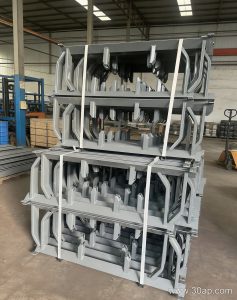
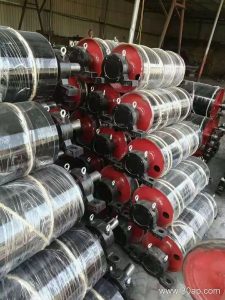
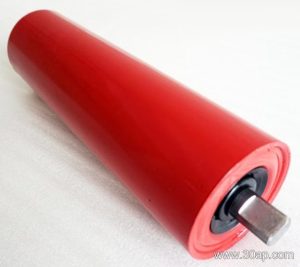
In many bulk material systems, the tail pulley is a robust steel drum with a shaft, bearing housings, and a lagged or plain shell. It is installed with a conveyor bracket set that allows adjustment for belt tracking. Correct alignment here protects the conveyor belt from edge damage and reduces spillage at the loading point.
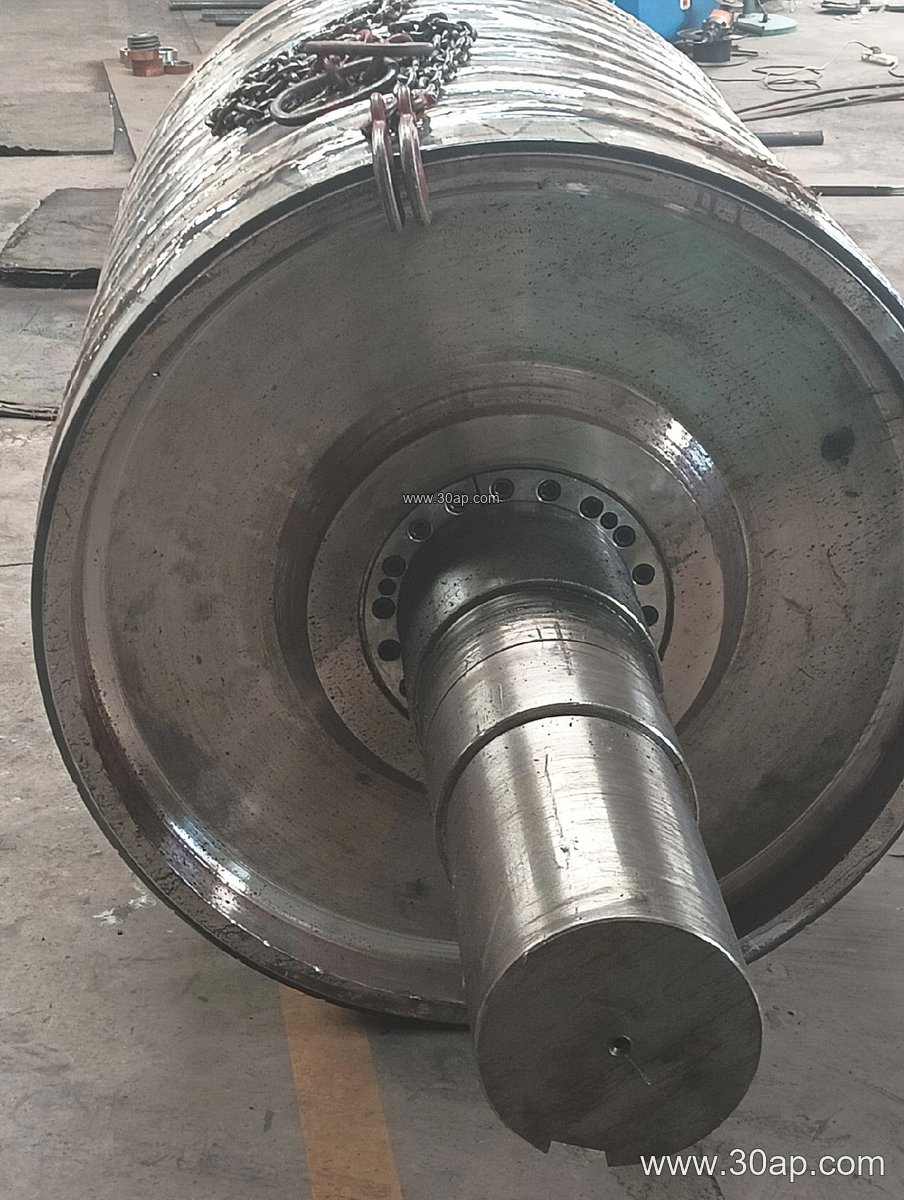
Construction Details and Surface Options
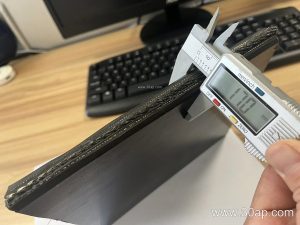
The basic structure includes a cylindrical shell, end discs, a through shaft, and self-aligning bearing blocks. The shell is usually machined for balance, especially on wider belts. Surface treatment depends on service conditions: plain finish for light duty, rubber lagging for grip and wear protection, and ceramic or diamond lagging where material carryback is heavy. Lagging thickness commonly ranges from 8 mm to 20 mm, and the choice should match the belt cover grade and the amount of abrasive material present.
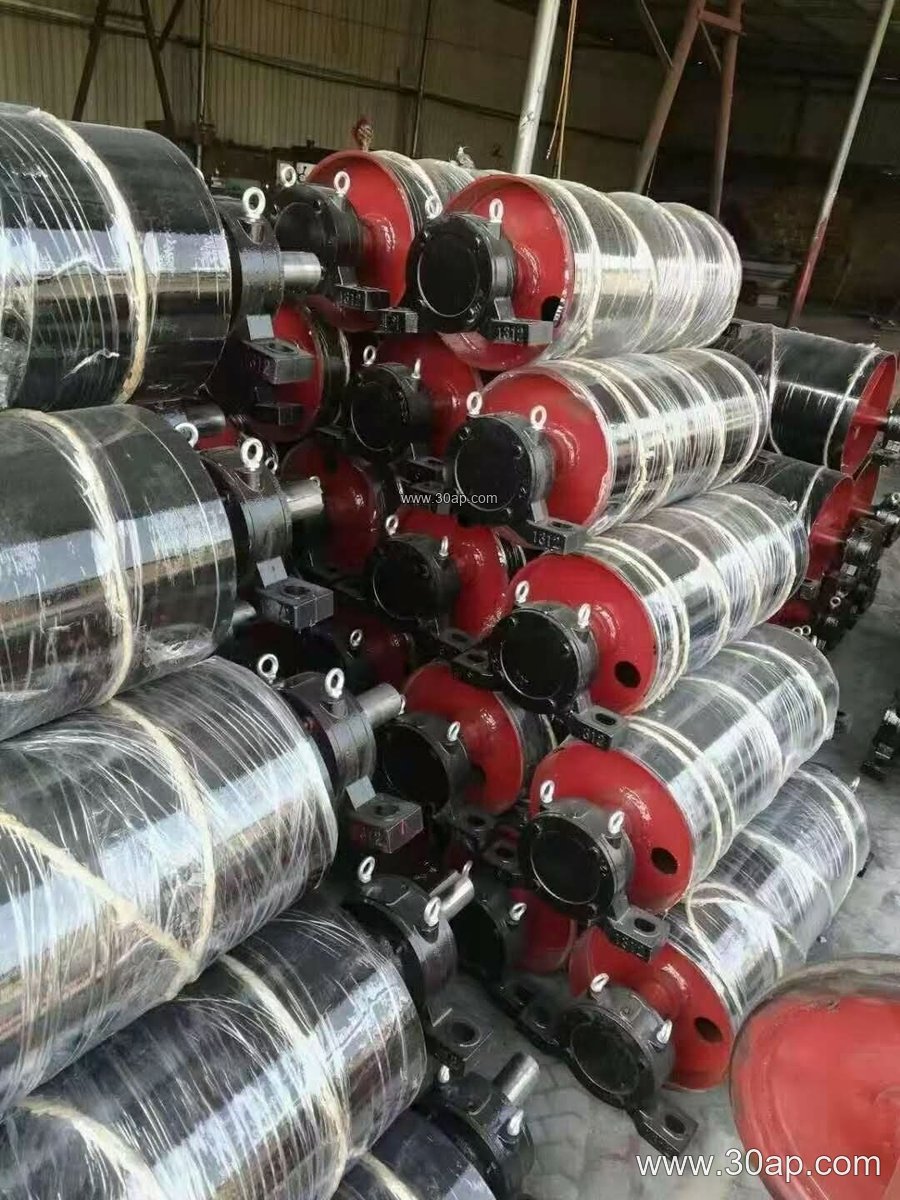
Common shell diameters include Ø200, Ø250, Ø315, Ø400, Ø500, Ø630, Ø800, Ø1000, and larger sizes up to Ø1800 for high-capacity lines. Shaft diameters such as Ø50, Ø60, Ø70, Ø80, Ø90, Ø100, and Ø120 are selected by torque and load, not by belt width alone. A B800 conveyor might use a Ø500 tail pulley, while a B1400 unit may run Ø800 or Ø1000, but these are design choices rather than fixed pairings.
Sizes and Reference Dimensions
The table below shows typical combinations for reference only. Final dimensions should be confirmed against the conveyor design, belt tension, and take-up travel.
| Belt Width | Typical Pulley Face Width | Common Diameter Range |
|---|---|---|
| B400 | About 500 mm | Ø200 to Ø320 |
| B500 | About 600 mm | Ø250 to Ø400 |
| B650 | About 750 mm | Ø315 to Ø500 |
| B800 | About 950 mm | Ø400 to Ø630 |
| B1000 | About 1150 mm | Ø500 to Ø800 |
| B1200 | About 1400 mm | Ø630 to Ø1000 |
| B1400 | About 1600 mm | Ø800 to Ø1250 |
| B1600 | About 1800 mm | Ø1000 to Ø1400 |
| B1800 | About 2000 mm | Ø1250 to Ø1600 |
Face width is normally greater than belt width to allow for belt misalignment. On wider belts, a tail pulley with a slightly larger diameter can improve belt tracking and reduce bending stress in the carcass.
Where It Is Used and How It Works With the Belt
Tail pulleys appear in stone crushing plants, aggregate conveyors, coal handling systems, and power plant coal yards. In a crusher conveyor, the tail end often receives material with sharp edges, so an impact-resistant belt and a well-lagged pulley help extend service life. In underground coal mining, flame retardant and anti-static belt grades are common, and the tail pulley must be compatible with the belt’s cover compound and pulley lagging.
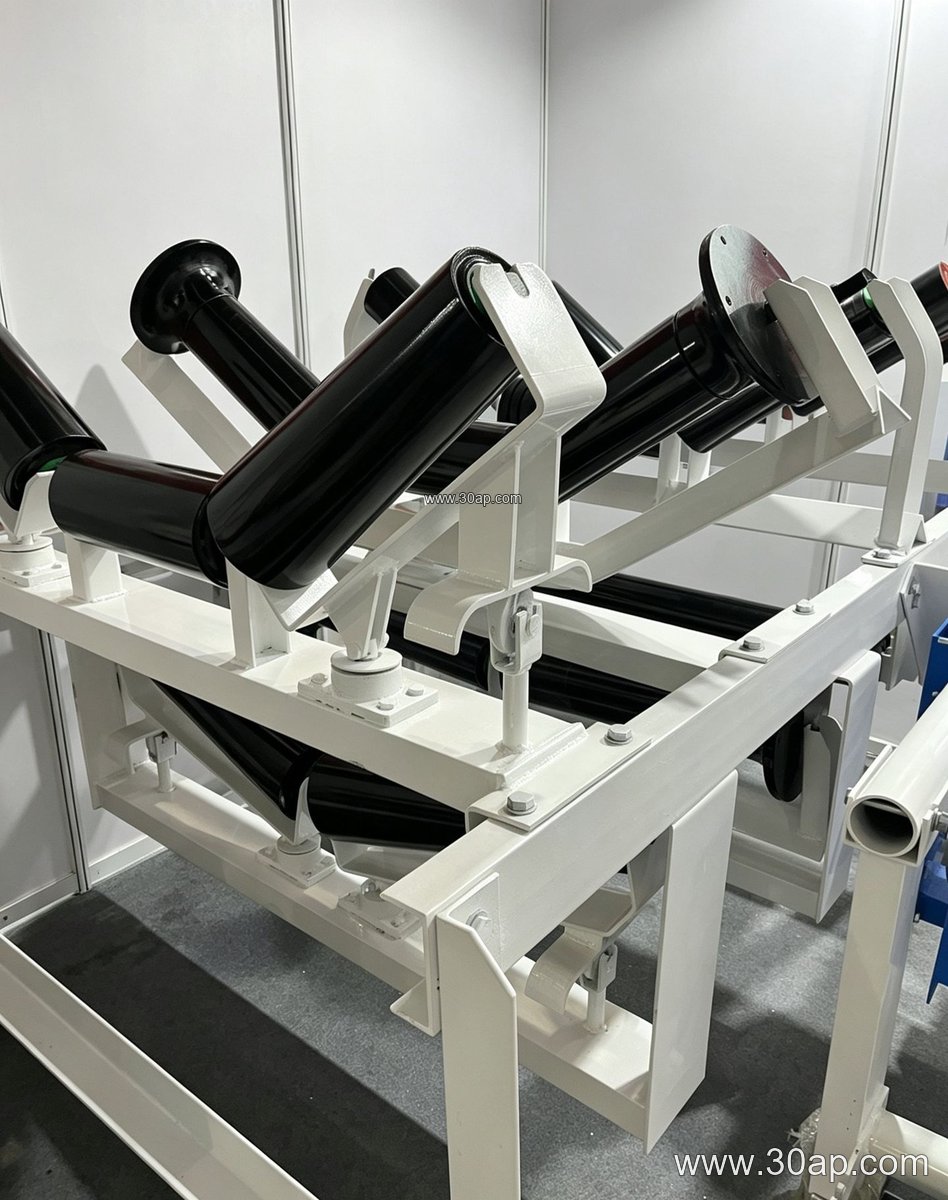
The pulley works with the belt’s tension and tracking. If the tail pulley is misaligned, the belt may drift and rub against the conveyor bracket or frame. Regular inspection of lagging wear, bearing temperature, and shaft alignment prevents unplanned stops. For heavy-duty mining conveyor belts carrying iron ore or copper ore, a larger diameter tail pulley reduces belt flexing and heat buildup at the return point.
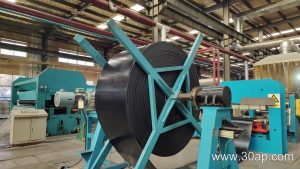
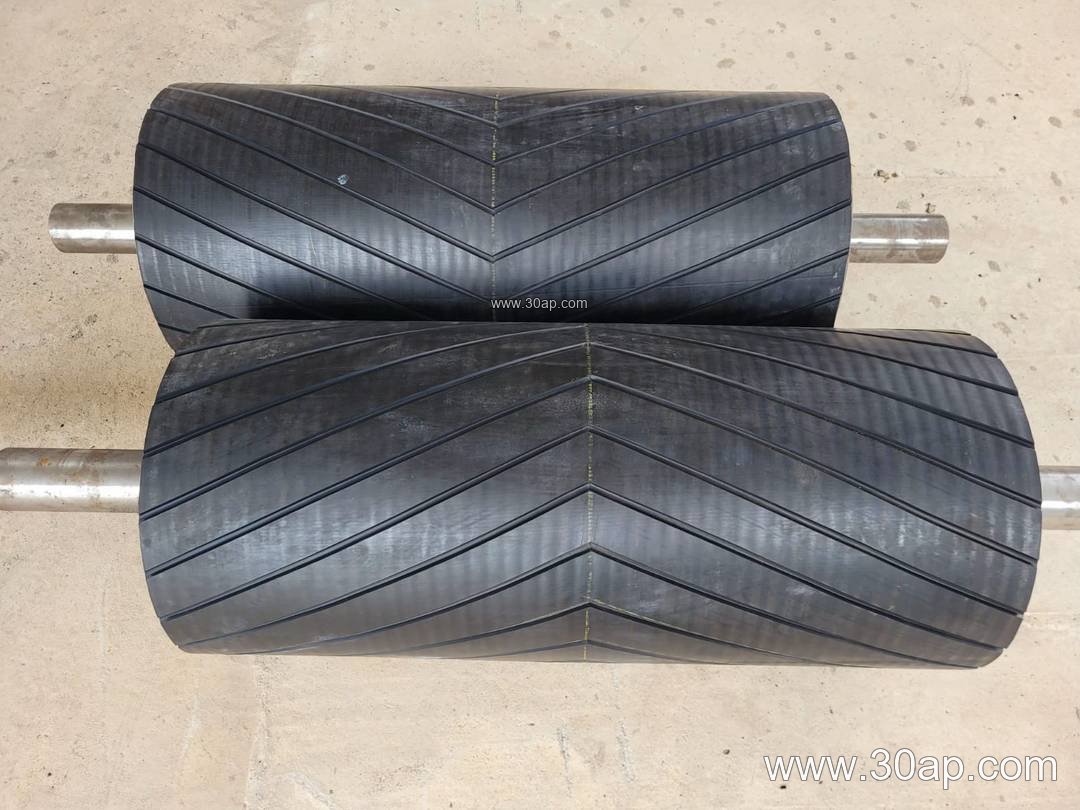
Related components such as idler rollers and the belt itself must be matched to the same duty class. A fabric core conveyor belt or steel cord conveyor belt may require different pulley face profiles. In dusty cement plant operations, rubber lagging with a grooved pattern can help shed fines. For food grade or oil resistant belt applications, lagging material should be selected to avoid contamination or swelling.
Buyer Checklist Before Ordering
- Confirm belt width, pulley face width, and required diameter for the take-up position.
- Specify shaft diameter and bearing type based on calculated load, not on belt width alone.
- Choose lagging: plain, rubber, diamond, ceramic, or hot vulcanized, and state thickness.
- Check compatibility with the conveyor belt grade, especially for heat resistant or flame retardant belts.
- Plan for maintenance access to bearings and bracket bolts.
- Ask for dimensional drawings that show keyway, bearing centers, and lagging profile.
For more conveyor component references, see our conveyor pulley and conveyor belt pages. A tail pulley that matches the belt and frame will repay the attention with longer service life.