What a Ceramic Lagged Bend Pulley Does
A ceramic lagged bend pulley is a direction-changing pulley used in a conveyor system to guide the belt along its return path or to increase wrap angle around another pulley. Unlike drive pulleys that transmit power or tail pulleys that support the loading zone, a bend pulley simply redirects the belt. When its surface is covered with ceramic tiles embedded in a rubber matrix, it gains exceptional grip and wear resistance, which helps maintain belt tracking and reduces slippage in dusty, wet, or high-tension conditions. This makes it a popular choice in quarry conveyors, coal handling plants, and cement production lines where reliability matters.
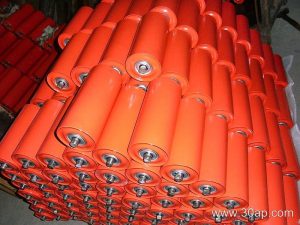
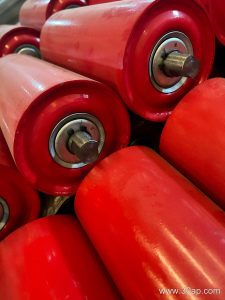
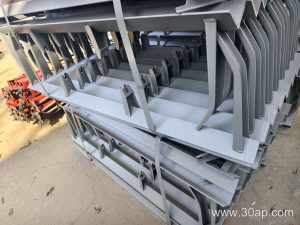
In a typical layout, the ceramic lagged bend pulley works together with a conveyor pulley, idler roller, and conveyor bracket to keep the belt aligned and tensioned. Its role is often overlooked until belt misalignment or surface wear causes unplanned downtime.
Construction and Surface Details
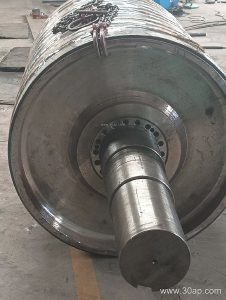
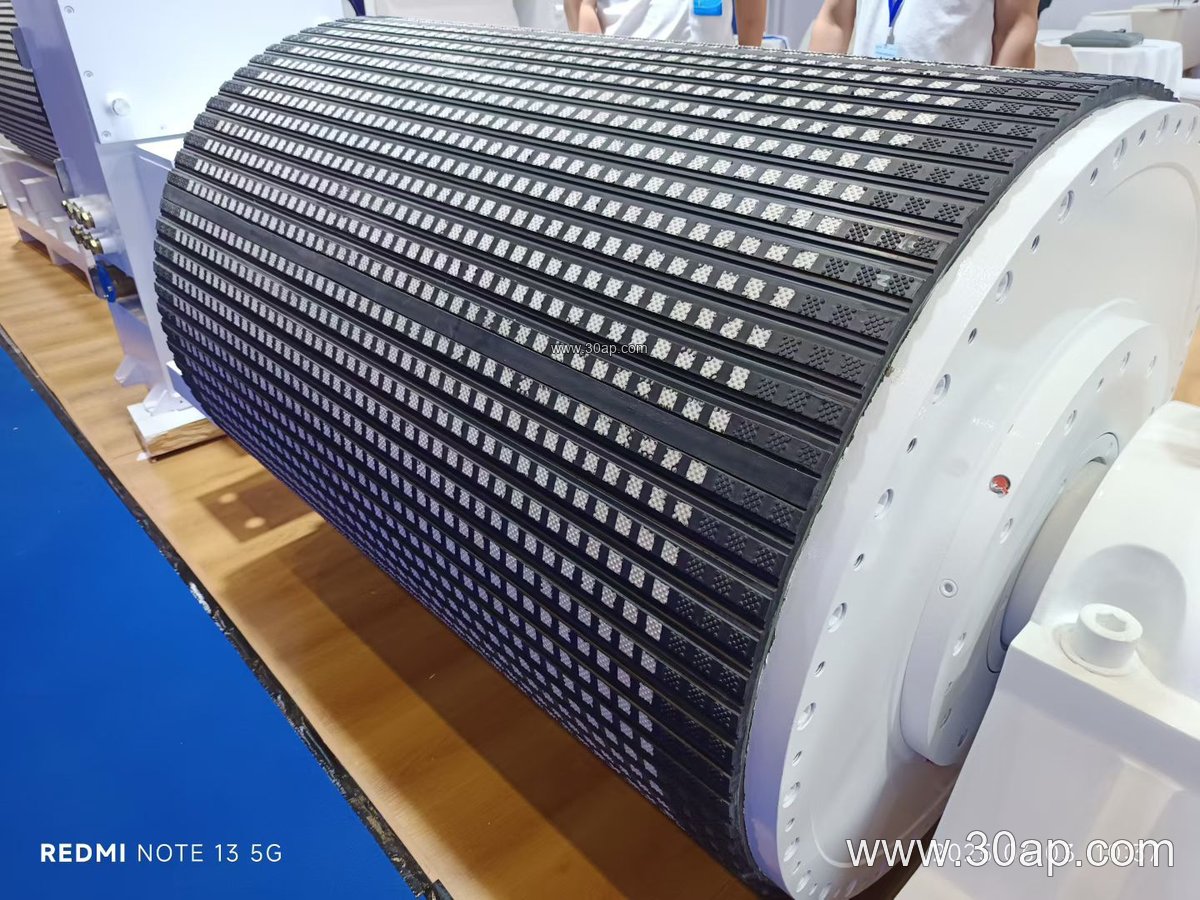
The base of a ceramic lagged bend pulley is usually a welded steel drum with a machined face and shaft ends sized to the load. The lagging consists of small ceramic tiles, often alumina, bonded into a rubber layer. The tiles are arranged in a pattern—diamond or plain—to provide traction without aggressive belt wear. Common lagging thicknesses are 8, 10, 12, 15, and 20 mm, with 12 mm and 15 mm frequently chosen for heavy-duty mining conveyor belts.
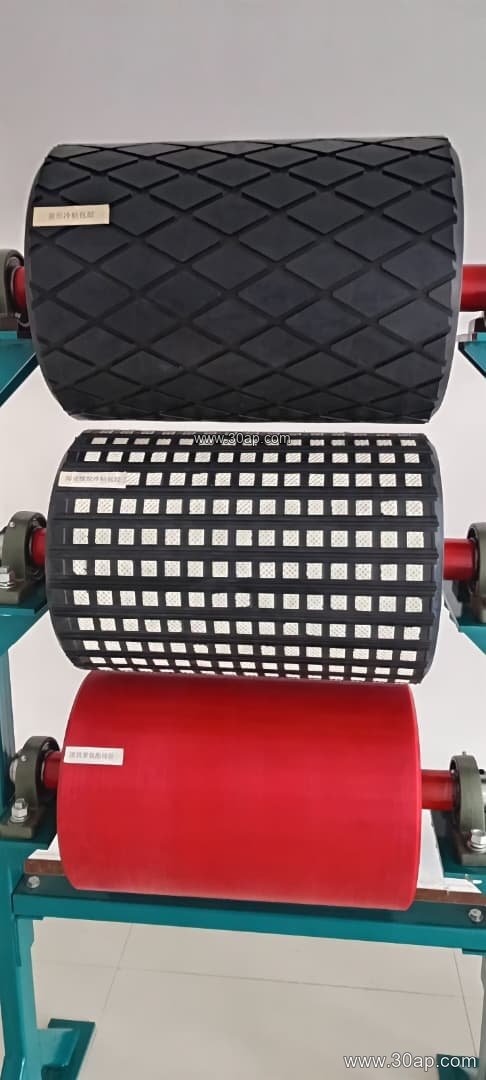
The ceramic surface is particularly effective on high-tension belts such as steel cord conveyor belt or multi-ply fabric core conveyor belt. It resists polishing and maintains friction even when the belt is slightly misaligned or carrying wet material. For comparison, a rubber lagged bend pulley may be sufficient in cleaner, lighter-duty applications, but ceramic lagging excels where abrasive dust and continuous operation are present.
Where It Fits in the Conveyor
Bend pulleys are installed at various points: after the drive pulley to increase wrap angle, before the tail pulley to guide the return belt, or in a take-up system to maintain tension. In a coal mining conveyor belt system, a ceramic lagged bend pulley helps keep the belt on track despite constant vibration and coal dust. In a limestone quarry, it may be used on a long overland conveyor to redirect the belt around curves or elevation changes.
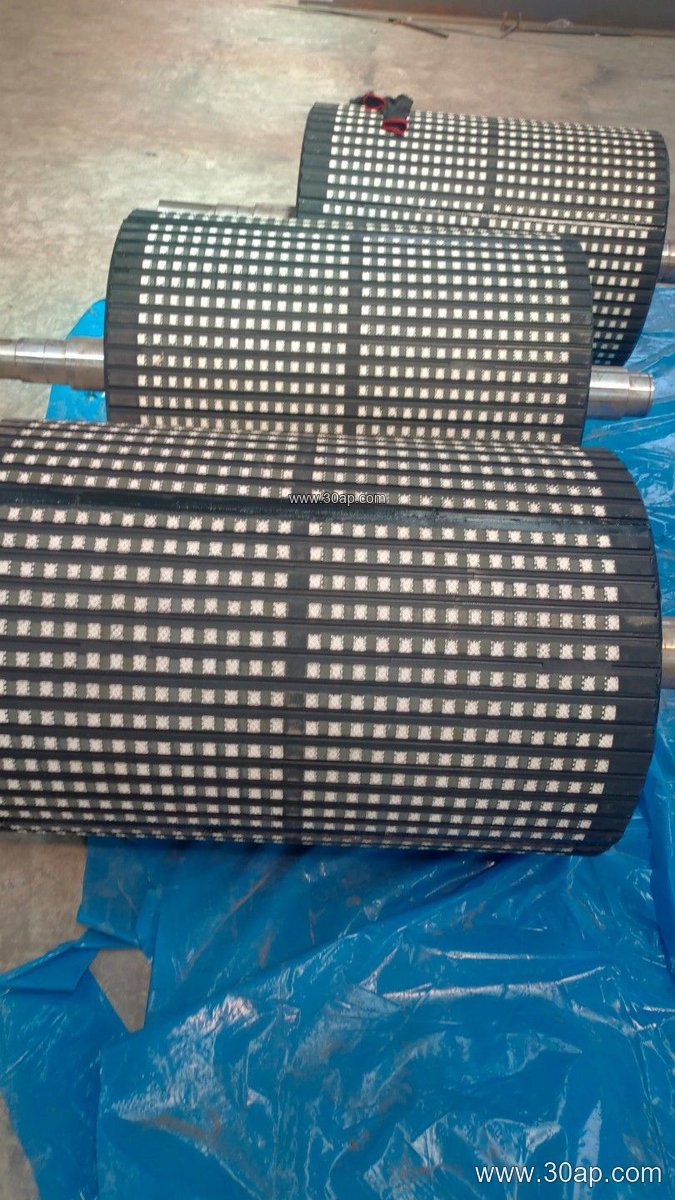
It is important to distinguish the bend pulley from the drive pulley and tail pulley. The drive pulley transmits torque, the tail pulley supports the belt at the loading point, and the bend pulley only changes direction. They are not interchangeable. A ceramic lagged bend pulley is sometimes confused with a wing pulley, but the latter is used for self-cleaning in sticky material applications.
Common Sizes and Configurations
Ceramic lagged bend pulleys are available in a range of diameters and face widths to match conveyor belt widths. The table below shows typical combinations, but final selection depends on belt tension, shaft load, and space constraints. Diameters are often chosen to ensure adequate belt wrap and to avoid excessive bending stress on the belt.
| Belt Width (mm) | Common Pulley Diameter (mm) | Face Width (mm) | Typical Lagging Thickness (mm) |
|---|---|---|---|
| B500 | Ø250 – Ø400 | 600 | 8 – 12 |
| B650 | Ø315 – Ø500 | 750 | 10 – 15 |
| B800 | Ø400 – Ø630 | 950 | 10 – 15 |
| B1000 | Ø500 – Ø800 | 1150 | 12 – 20 |
| B1200 | Ø630 – Ø1000 | 1400 | 12 – 20 |
| B1400 | Ø800 – Ø1250 | 1600 | 15 – 20 |
| B1600 | Ø1000 – Ø1400 | 1800 | 15 – 20 |
| B1800 | Ø1250 – Ø1600 | 2000 | 15 – 20 |
Shaft diameters are usually determined by torque and radial load, not by belt width alone. Common shaft sizes range from Ø50 to Ø200 mm. A buyer should provide the belt width, belt type (e.g., EP conveyor belt, NN conveyor belt, steel cord), operating tension, and environmental conditions to the pulley manufacturer.
Selection and Maintenance Tips
When choosing a ceramic lagged bend pulley, consider the belt type and the material being conveyed. For abrasive materials like iron ore or copper ore, a high abrasion resistant conveyor belt combined with ceramic lagging can extend service life. In coal mining, flame retardant conveyor belt and anti-static properties are often required, and the pulley should be specified accordingly. Oil resistant conveyor belt or heat resistant conveyor belt may need different lagging compounds.
Regular inspection of the ceramic tiles for cracks or disbonding is recommended. Worn lagging can reduce friction and cause belt slip, especially on inclined conveyors. Keeping the pulley clean and aligned with the conveyor bracket helps prevent premature wear. For harsh environments such as power plant coal handling or ship loading terminals, ceramic lagging is a practical investment in reliability.
To explore related conveyor components, visit our site for conveyor belt, idler roller, and pulley solutions at conveyor pulley and conveyor belt.