What a Conveyor Frame Does
A conveyor frame is the structural backbone of a belt conveyor. It carries the idler roller sets, holds the conveyor pulley at each end, and keeps the belt path straight from the loading point to the discharge. In a quarry, a coal handling plant, or a cement kiln line, the frame decides how steadily the belt runs and how quickly wear parts can be replaced. Get the frame right and the belt, rollers, and pulleys all last longer.
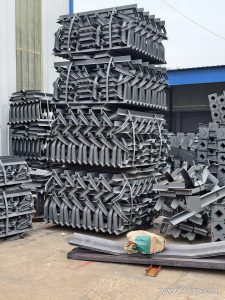
The frame is not one piece. It is a system of stringers, cross members, support legs, and brackets that are bolted or welded into a rigid line. Many plants buy the frame as a kit and assemble it on site, which keeps transport simple and allows fine adjustment during installation.
How the Frame Is Built
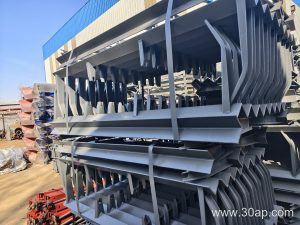
Most conveyor frames are made from angle steel, channel steel, or folded steel plate. The material choice follows the load and the environment. A light aggregate line may use folded plate stringers, while a heavy-duty mining conveyor frame in an iron ore or copper ore operation usually calls for channel or angle sections with extra bracing.
Key parts of a typical frame include:
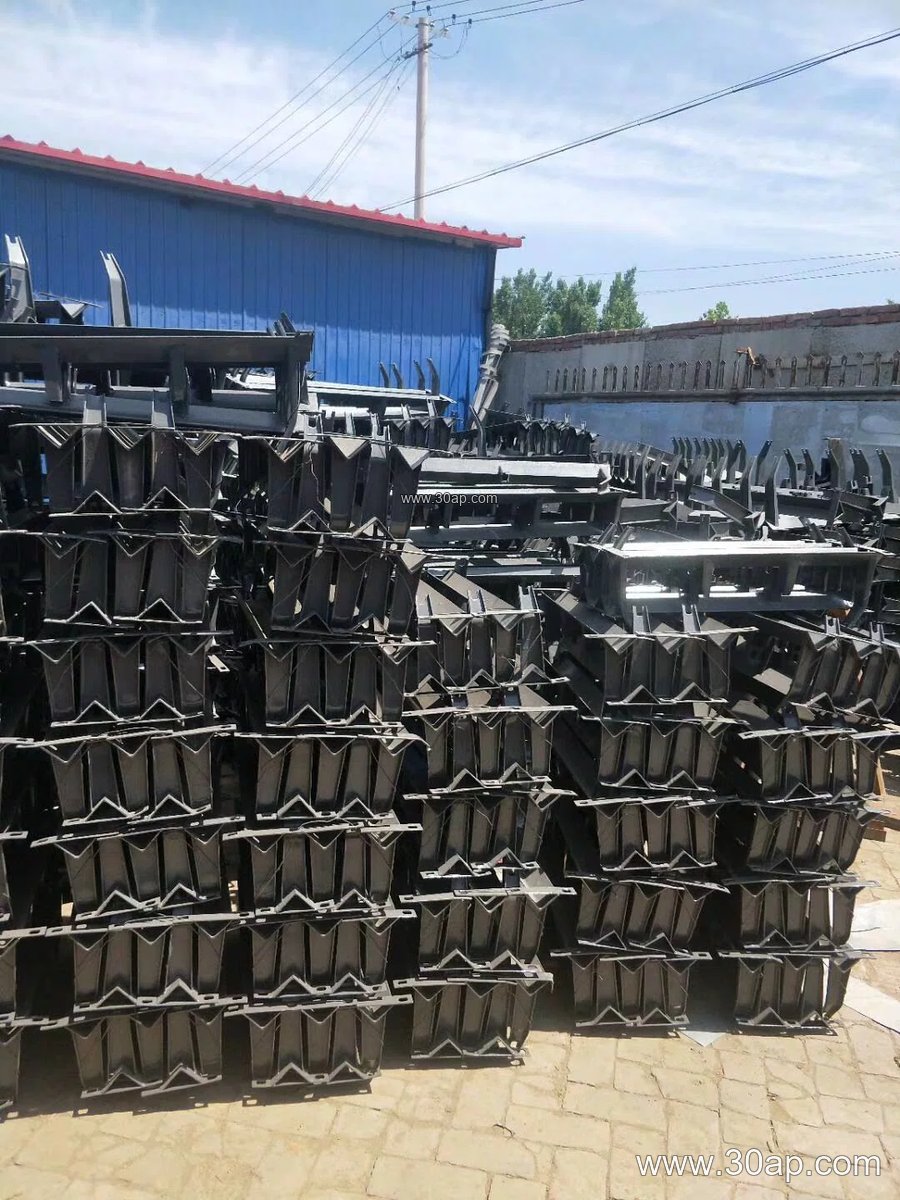
- Stringers that run the full length of the conveyor and set the belt line
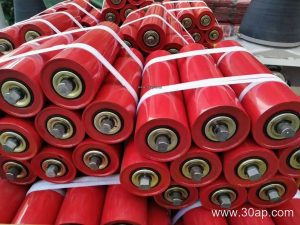
- Cross beams that hold the idler roller sets at the correct spacing
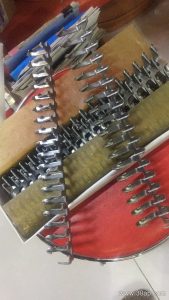
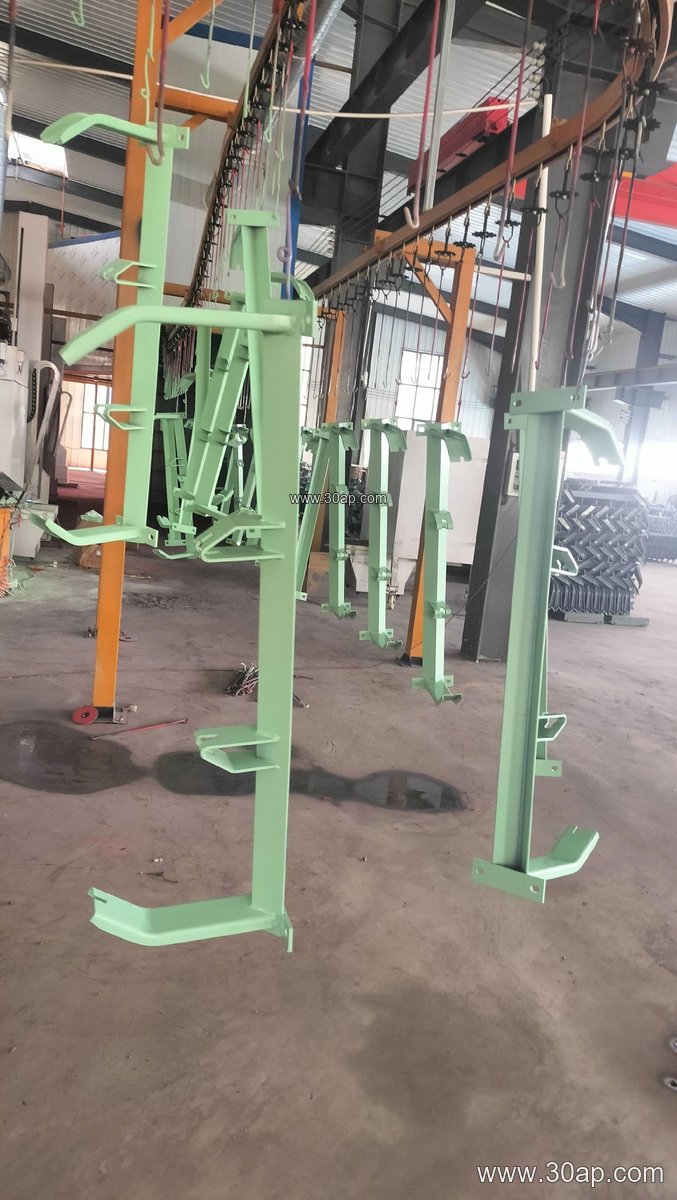
- Conveyor bracket pieces that fix the idlers to the stringer
- Support legs and bracing for elevated or ground-level runs
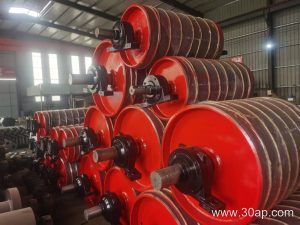
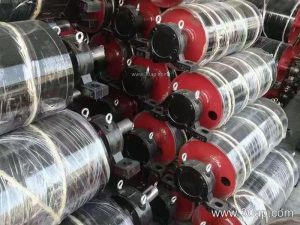
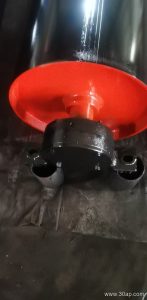
- Mounting plates for the drive pulley and tail pulley assemblies
The frame also sets the trough angle. Standard trough angles are usually 20, 30, 35, or 45 degrees, and an adjustable frame can be changed between these values to suit the material. A slight forward tilt of about 1.5 to 2 degrees is common on training idler brackets to help keep the belt centered.
Frame Types and Where They Fit
Carrying frames and return frames do different jobs. The upper frame holds the troughing idlers that shape the belt into a trough, while the lower frame carries the return idlers. A V-return frame is often used under a wide belt to help with tracking and to shed spillage. Impact frames with buffer idler brackets sit under the loading chute, where falling rock or ore hits hardest. Self-aligning frames are used on long runs where the belt tends to wander.
Adjustable frames are useful when a plant handles several materials or wants to tune the trough angle after startup. Fixed frames are simpler and cheaper, and they suit a line that runs one product at one setting. Neither is universally better; the choice depends on the duty.
Matching the Frame to Belt and Rollers
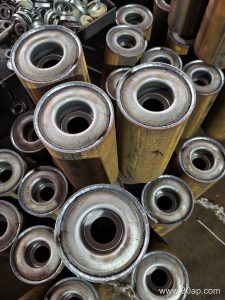
Frame width follows the belt width. Common belt widths include B500, B650, B800, B1000, B1200, B1400, B1600, B1800, B2000, and B2200. The frame cross beam and the mounting hole spacing change with belt width and trough angle, so these dimensions are set by design rather than taken from a fixed table. Idler roller diameters such as Ø89, Ø108, Ø133, Ø159, and Ø194 are chosen to match the load and belt speed.
A few common reference combinations show how the parts relate:
| Belt width | Trough angle | Roller diameter | Typical use |
|---|---|---|---|
| B650 | 30 degrees | Ø89 | Light aggregate or sand line |
| B800 | 35 degrees | Ø108 | General bulk material handling |
| B1200 | 45 degrees | Ø133 | Heavy ore or coal duty |
| B1400 | 35 degrees | Ø159 | High capacity transfer |
These are examples only. A given belt width can work with more than one trough angle and more than one roller diameter, so the final selection should follow the conveyor design and the material being carried.
Buyer Checklist
Before ordering a conveyor frame, confirm the belt width, the trough angle, the idler roller diameter, and the pulley sizes at the drive and tail ends. Ask how the frame will be assembled on site and whether the brackets allow adjustment. Check the steel section and finish against the environment: a wash plant, a port terminal, and a power plant coal yard each put different demands on the structure.
Also think about the belt itself. An abrasion resistant conveyor belt in a crusher line, a flame retardant conveyor belt in an underground coal mine, and a heat resistant conveyor belt near a cement kiln all affect how the frame and idlers should be laid out. A frame that fits the belt, the rollers, and the duty will keep the whole conveyor running with less downtime.