What a Steel Plant Conveyor Belt Handles
A steel plant conveyor belt is not a single generic item. It is a heavy-duty belt chosen to survive the combined effects of hot sinter, sharp scale, oily dust, and continuous operation. In a steel plant, belts link stockyards, crushing stations, sinter plants, blast furnaces, and slat conveyors. The same plant may also use a quarry conveyor belt in the raw material yard or a cement conveyor belt in the flux preparation area, but the core duty is moving iron ore, coke, limestone, and hot materials without premature failure.
Belt Construction and Common Types
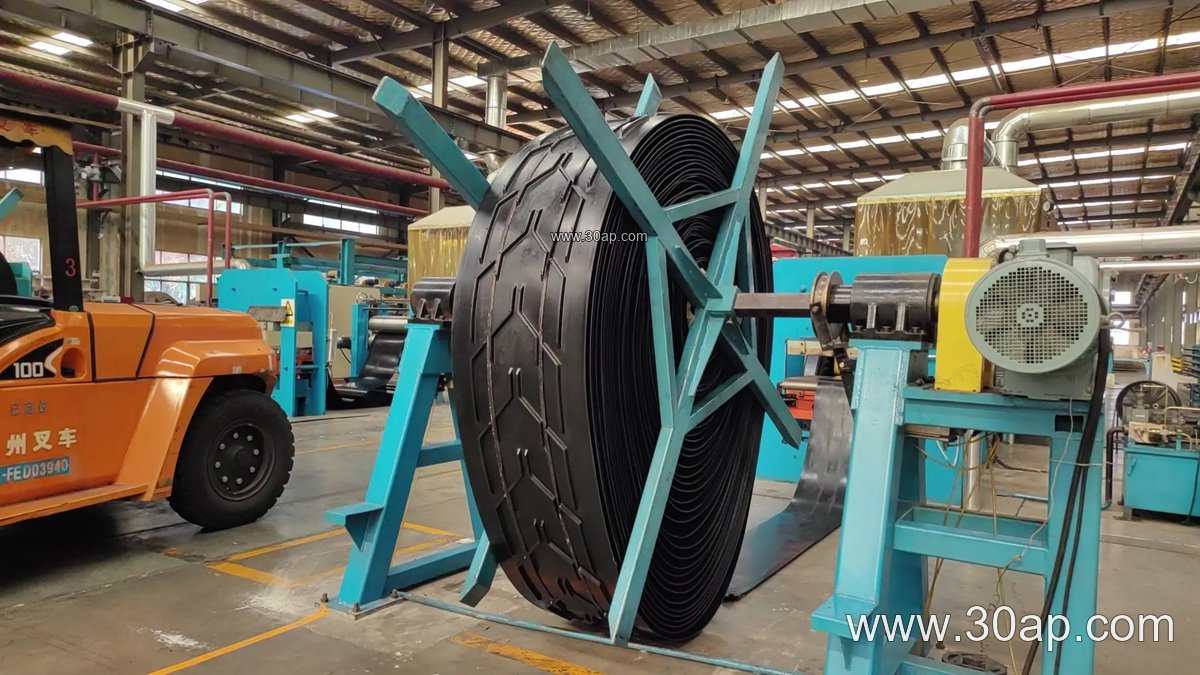
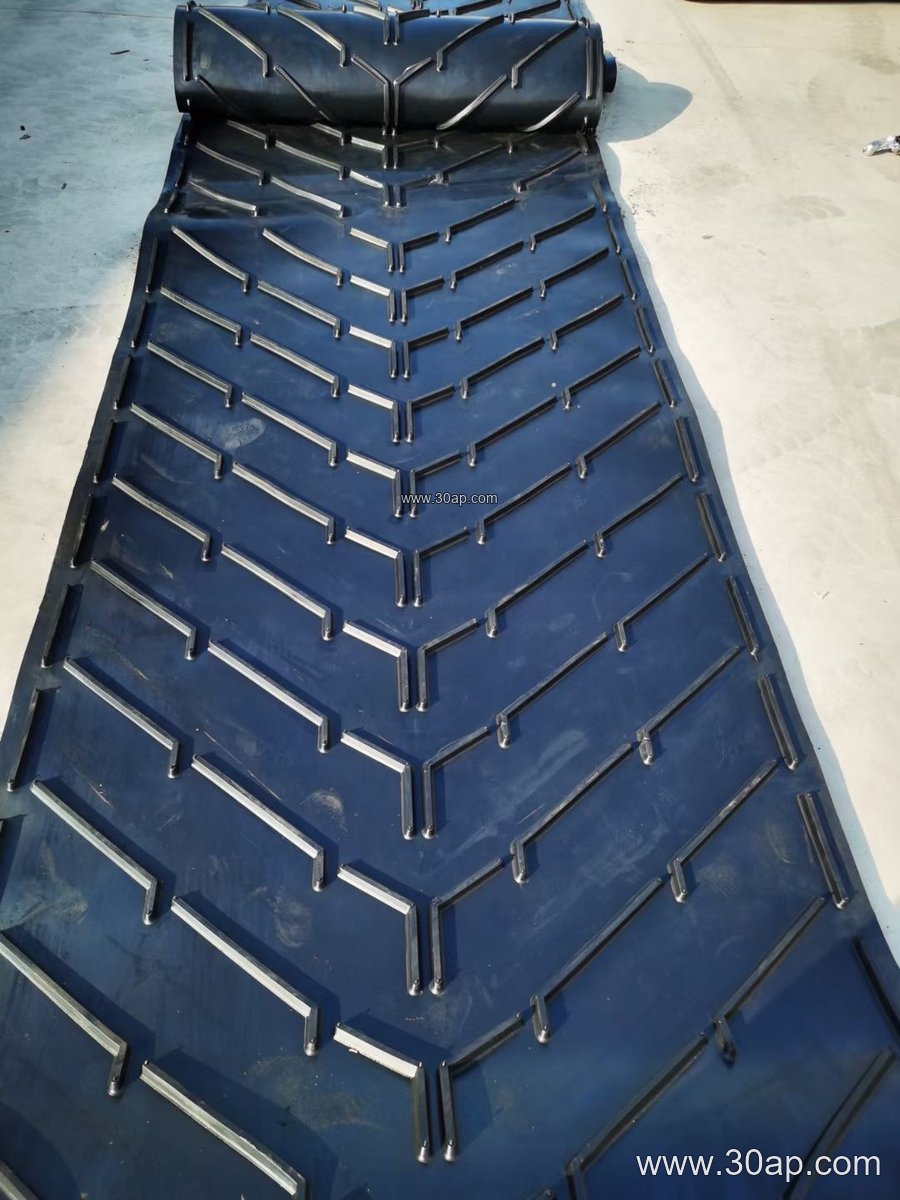
The belt body usually combines a fabric or steel cord carcass with rubber covers. For general raw material handling, an EP conveyor belt (also written as EP rubber conveyor belt or EP fabric core conveyor belt) is common because it balances strength and troughability. For long, high-tension runs, a steel cord conveyor belt is often considered. In areas with fine dust and limited space, a pipe conveyor belt may be used to enclose the load. Where material spills at transfer points, a skirted conveyor belt or corrugated sidewall conveyor belt can help contain the load.
Typical EP Strength Grades
The table below lists common EP strength references, not a fixed supply promise. Actual belt design should follow the conveyor calculation and the manufacturer’s data.
| Strength Grade | Typical Application Note |
|---|---|
| EP200 | Light to medium raw material lines |
| EP315 | Medium duty transfer belts |
| EP400 | General plant conveying |
| EP500 | Higher tension main lines |
| EP630 | Heavy raw material handling |
| EP800 | Longer or heavily loaded runs |
| EP1000 | High tension primary belts |
| EP1250 | Heavy-duty main conveying |
| EP1600 | Very high tension applications |
| EP2000 | Extreme duty, by design |
Width and Cover Reference
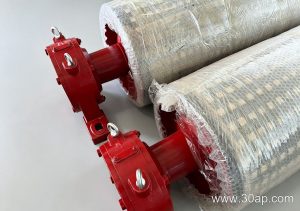
Common belt widths include B500, B650, B800, B1000, B1200, B1400, B1600, B1800, and B2000. Cover thickness is often written as top cover plus bottom cover, such as 3+1.5 mm, 4+2 mm, 5+2 mm, 6+2 mm, or 8+3 mm. A buyer should not assume one width pairs with one pulley diameter; the conveyor pulley and idler roller layout must be engineered together with the belt.
Where It Is Used in Steel Production
Steel plant conveyor belts appear in coke handling, sinter feed, blast furnace charging, and slag transport. A heat resistant conveyor belt is often needed near sinter or hot clinker, while an abrasion resistant conveyor belt suits coke and iron ore. In coal preparation areas, a flame retardant conveyor belt or fire resistant conveyor belt is commonly specified for safety. An oil resistant conveyor belt may be relevant where lubricants or oily scrap are present. For cold climates, a cold resistant conveyor belt can be considered. A steel plant belt may also need anti-static properties in dusty zones.
Selection and Maintenance Notes
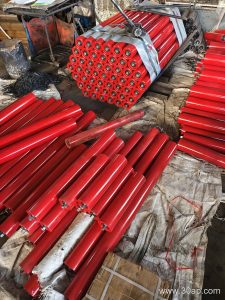
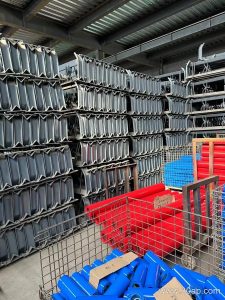
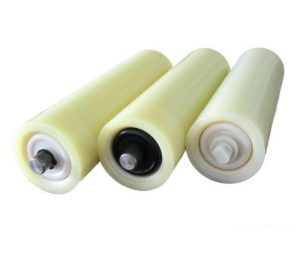
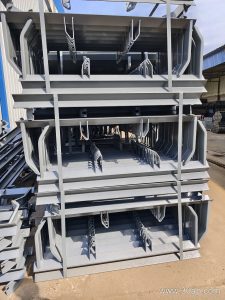
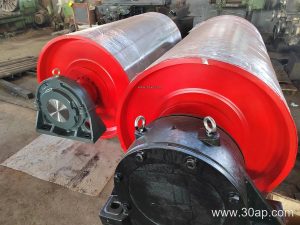
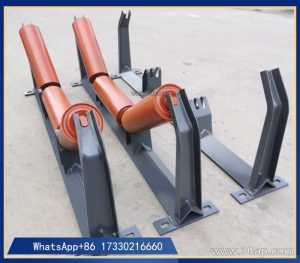
Selection starts with the material, lump size, temperature, and throughput. A belt that works in a cement plant may fail quickly in a steel plant if heat and sharp scale are ignored. The conveyor pulley, idler roller, and conveyor bracket should be checked as a system. A worn idler roller can damage even a high abrasion resistant conveyor belt. For heavy impact at loading points, an impact resistant conveyor belt or a thicker cover may help. Keep the belt tracking aligned and inspect splices, edges, and covers regularly. In some plants, an endless conveyor belt reduces splice failures, but it must be installed correctly.
For more information on matching belts with conveyor components, visit steel plant conveyor belt and conveyor pulley resources. A properly specified belt, combined with well-maintained idler rollers and pulleys, supports stable operation in steel plants, power plants, and quarries.