What a Ø127 Conveyor Idler Is
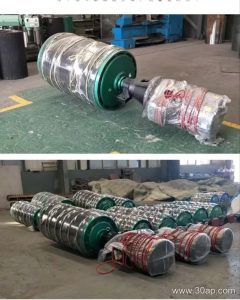
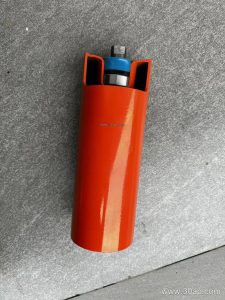
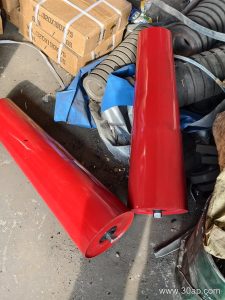
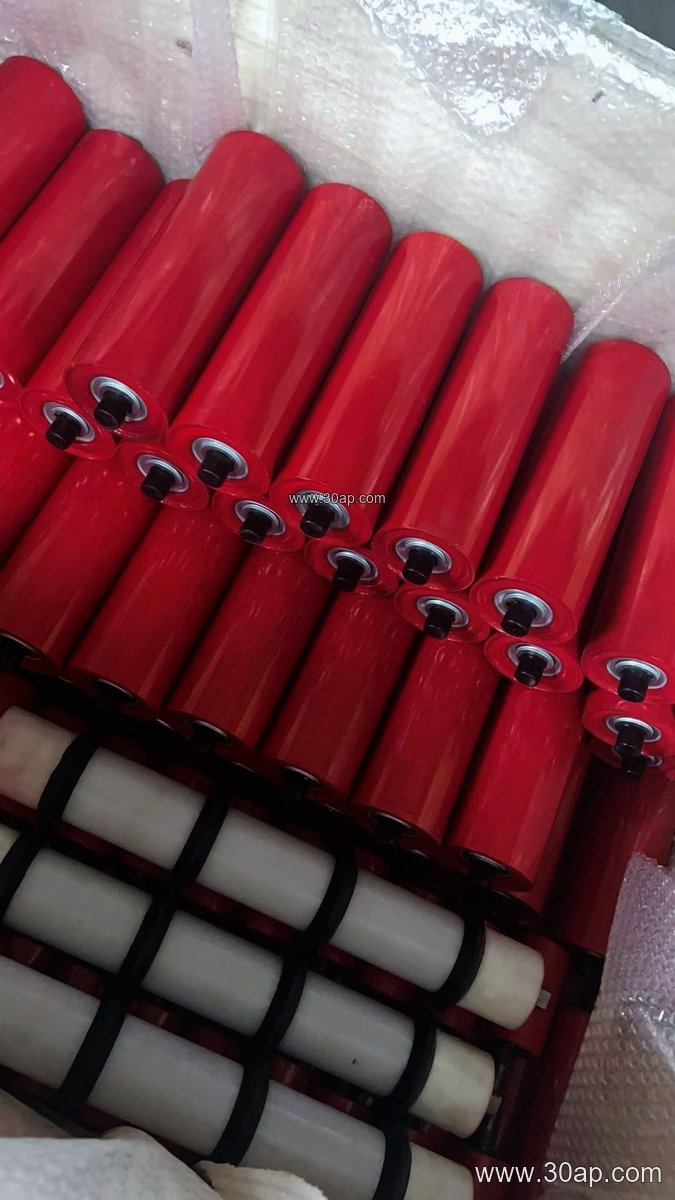
A Ø127 conveyor idler is a belt support roller with a nominal shell diameter of 127 mm. It sits under the carrying run or the return run of a belt conveyor and rotates with the moving belt, holding the belt in shape and reducing friction. In many plants the same item is simply called a 127 mm idler roller, and the two names refer to one product. The diameter is the most visible dimension, but the roller length, shaft, bearing and mounting bracket all matter just as much, and they are selected together with the belt width and the conveyor layout.
The Ø127 size is a middle-to-heavy option. It is common on medium and large conveyors where a small roller would spin too fast or wear too quickly. It appears in quarry and aggregate lines, in coal handling at power plants, and in cement and mineral processing plants. It is not a universal choice: narrow belts often run smaller rollers, and very wide, high-tonnage belts may use larger shells.
How the Roller Is Built
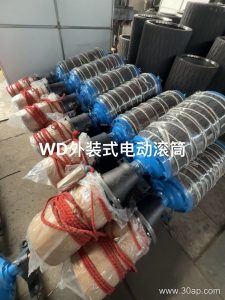
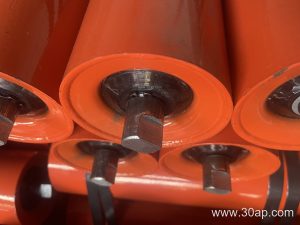
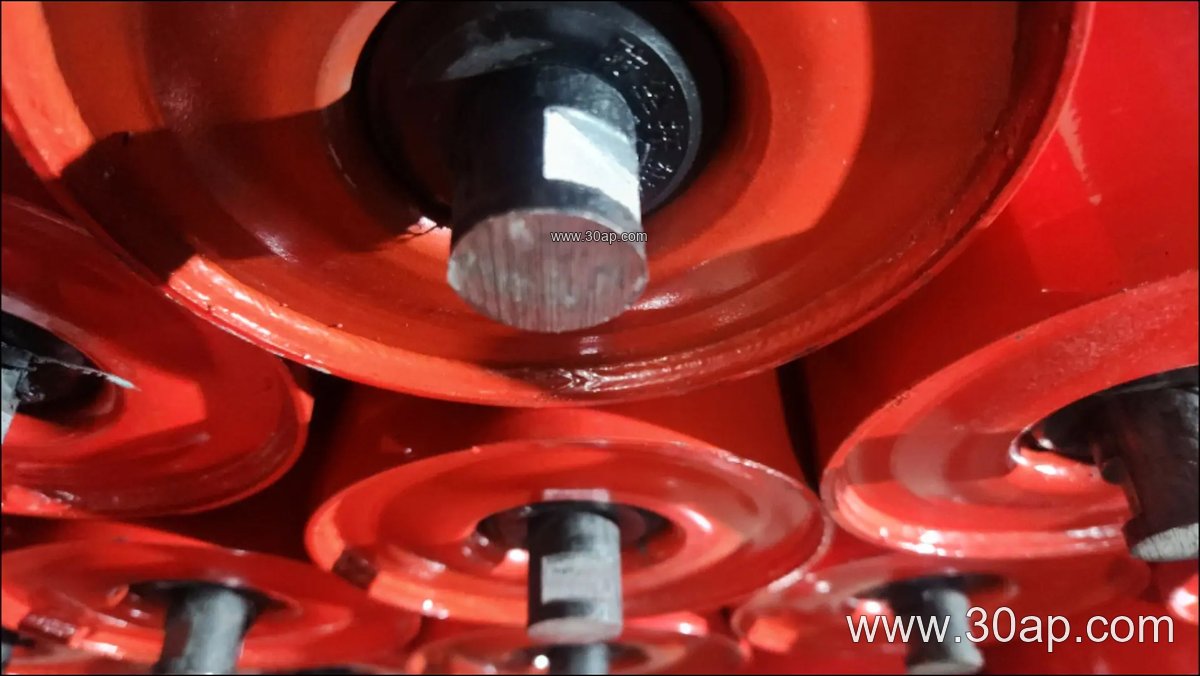
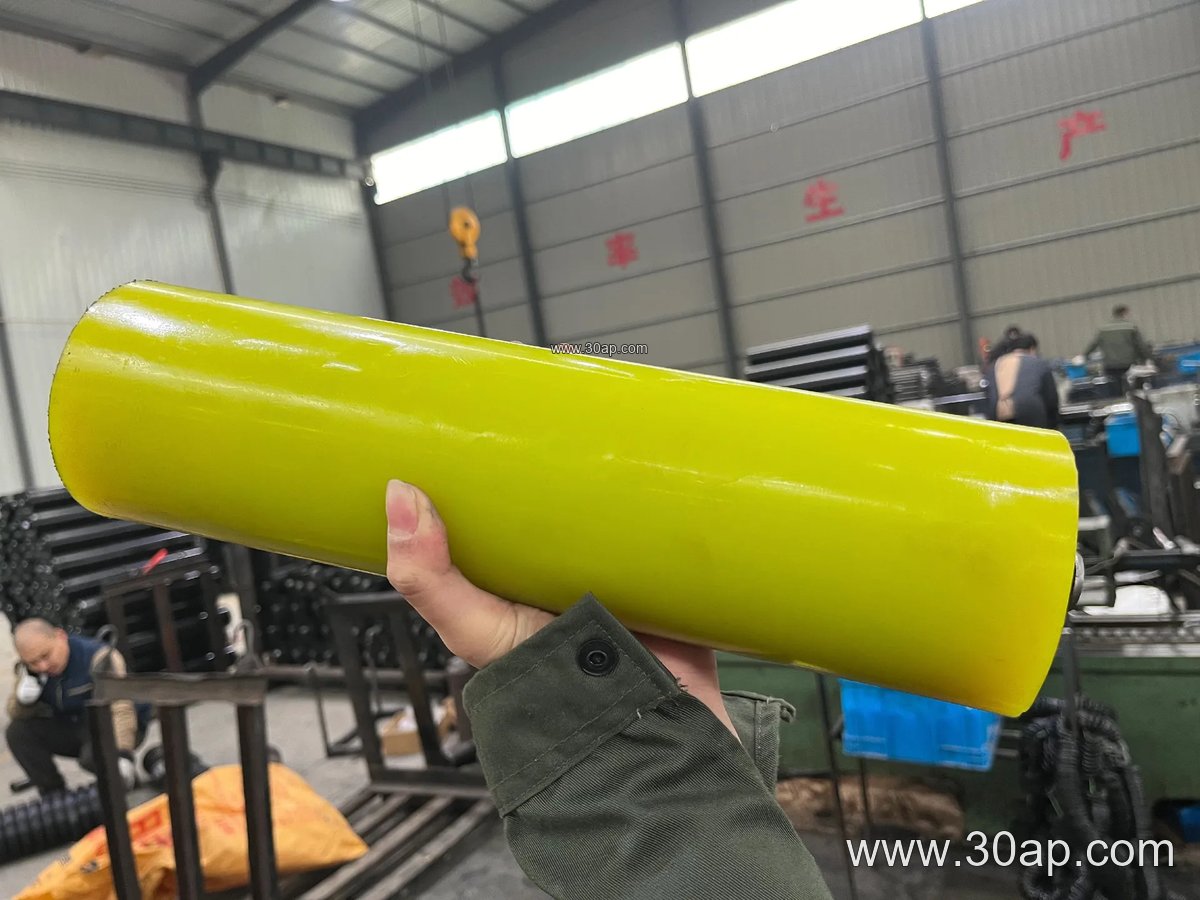
A typical Ø127 conveyor idler has a steel tube shell, pressed end caps, a through shaft, and one bearing at each end. The bearing sits in a sealed housing so that dust and water stay out and grease stays in. Common bearing numbers for this class of roller include 6205, 6305, 6306 and 6308, but the correct bearing is decided by load, speed and seal design, not by diameter alone. The shell surface can be plain steel, nylon-coated, ceramic-lined or fitted with rubber rings, depending on whether the aim is low friction, wear resistance or impact absorption.
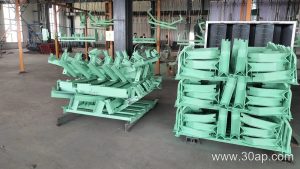
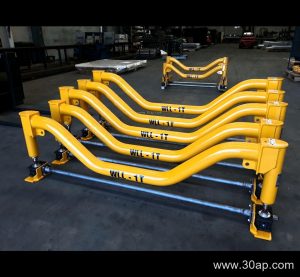
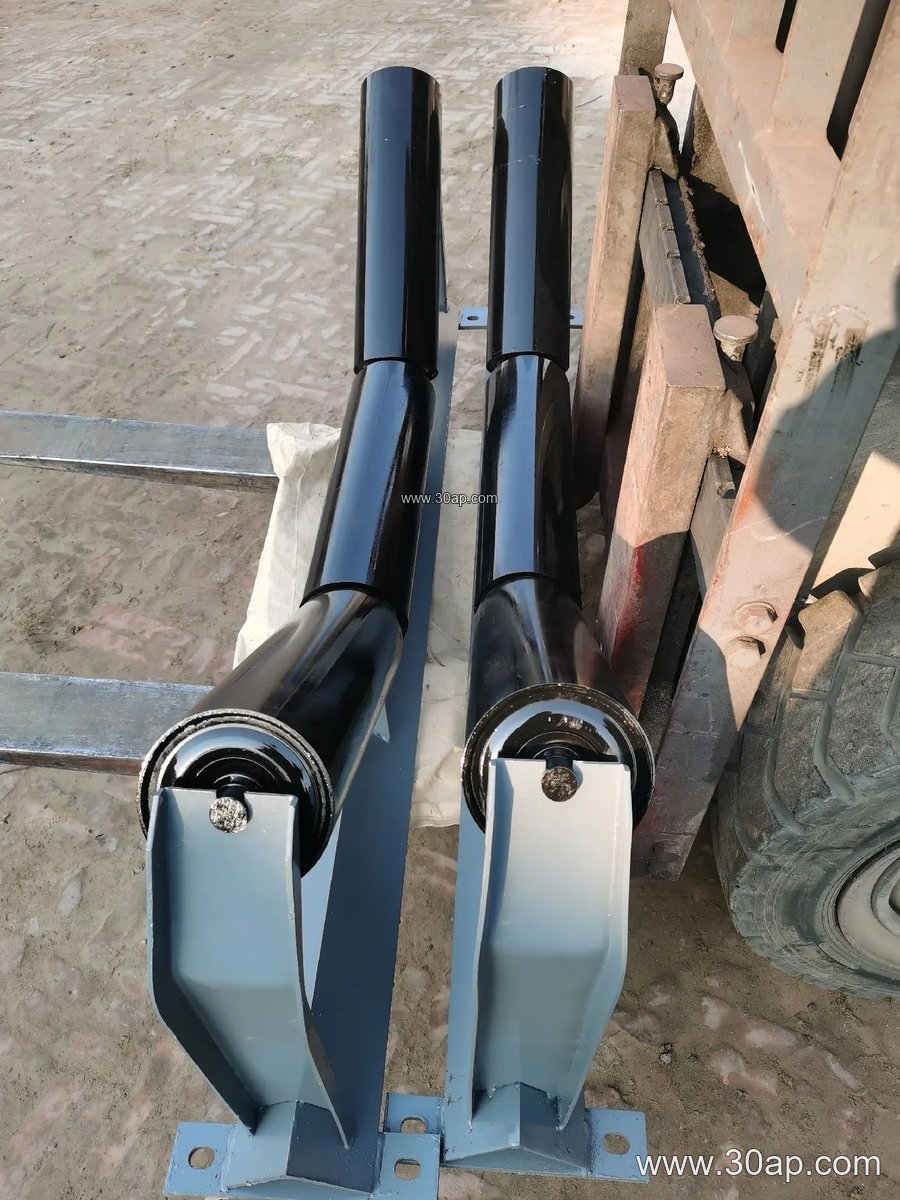
Rollers are usually assembled into idler sets. A three-roll troughing set carries the loaded belt in a trough shape, while a single flat roller or a V-return set supports the empty return strand. The trough angle is commonly 20, 30, 35 or 45 degrees. Transition idlers near a conveyor pulley help the belt change from flat to troughed without stress. Impact idlers with rubber rings are placed under loading points where lumps fall onto the belt.
Sizes and Configuration Reference
The table below gives common reference values for Ø127 rollers. These are typical examples, not fixed combinations, and final dimensions are confirmed by the conveyor design.
| Item | Common Reference Values |
|---|---|
| Shell diameter | Ø127 mm |
| Belt width | B650, B800, B1000, B1200, B1400, B1600 |
| Roller length, three-roll troughing (example) | about 250 mm at B650, 315 mm at B800, 380 mm at B1000, 465 mm at B1200, 530 mm at B1400, 600 mm at B1600 |
| Trough angle | 20°, 30°, 35°, 45° |
| Bearing (examples) | 6205, 6305, 6306, 6308 |
| Surface options | steel, nylon, ceramic, rubber ring |
Side rollers and centre rollers in the same set can have different lengths, and the figures above are only a starting point. A 127 mm roller can serve more than one belt width, so no single belt width should be tied to one diameter.
Where It Fits on the Conveyor
On a stone crushing and screening line, Ø127 troughing idlers are often used on the main delivery belts, while impact rollers sit below the crusher discharge. In a coal yard or a power plant coal handling system, sealed rollers of this size help keep the belt tracking through dusty, sometimes wet conditions. The belt itself may be an EP conveyor belt, a steel cord conveyor belt or a flame retardant conveyor belt, and the roller must suit the belt load and environment rather than the other way round.
Roller choice also interacts with the belt surface. A chevron conveyor belt or a corrugated sidewall conveyor belt needs clearance and support that plain rollers may not give, and a pipe conveyor belt uses a completely different idler arrangement. Drive pulleys, tail pulleys and bend pulleys are separate components and are not replaced by idlers; the roller supports the belt, while the pulley drives or redirects it.
Buyer Checklist
- Confirm belt width, trough angle and the number of rolls per set before ordering.
- State the load and belt speed so the bearing and seal class can be matched.
- Choose the shell surface for the job: rubber rings at transfer points, ceramic or nylon where abrasion is severe.
- Check shaft ends and bracket dimensions against the existing conveyor bracket or frame.
- Ask about sealing and lubrication so the roller suits dust, moisture or washdown.
- Keep spare rollers of the same Ø127 size on site to reduce downtime.
For related belt and roller information, see conveyor idler and conveyor belt pages. A well-matched Ø127 conveyor idler keeps the belt running straight, protects the belt cover and extends service life in demanding bulk material handling work.