What a Belt Conveyor Idler Frame Does
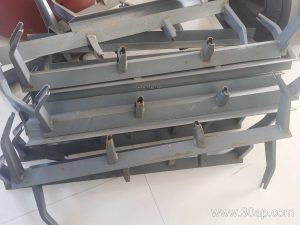
A Belt Conveyor Idler Frame is the steel support that holds the idler rollers in position along a conveyor. It keeps the trough shape, carries the weight of the belt and material, and helps maintain alignment. On a quarry conveyor or a power plant coal line, this frame is often the quiet workhorse that determines how smoothly the belt runs. The frame is not a pulley, and it should not be confused with a drive pulley or tail pulley. Those parts transmit power and change belt direction. The idler frame simply supports the belt path. Used together with a rubber conveyor belt, idler roller, and conveyor bracket, it forms the basic load-carrying section of a bulk material conveyor.
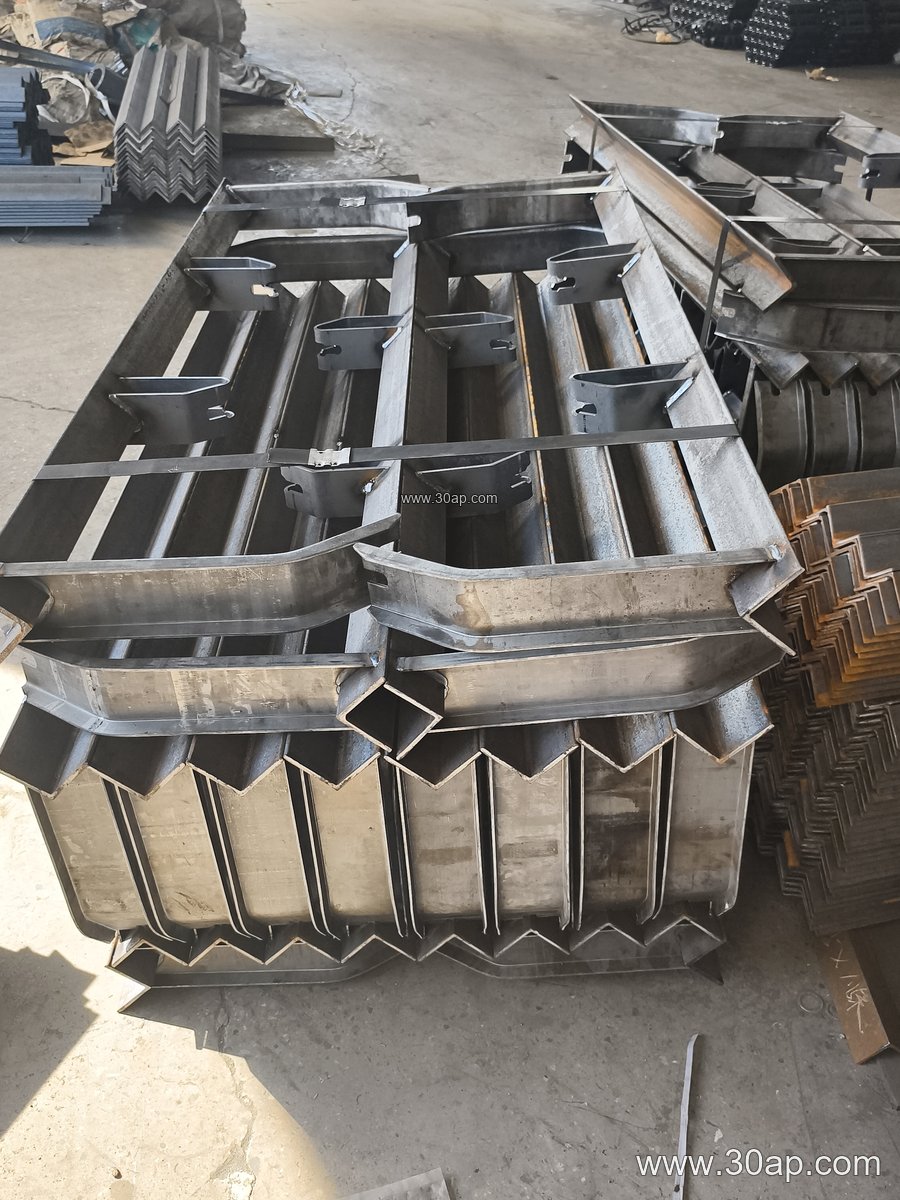
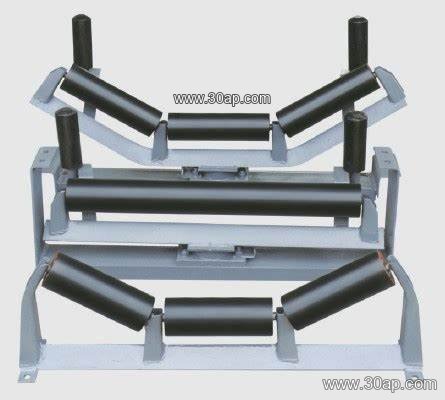
Construction and Common Forms
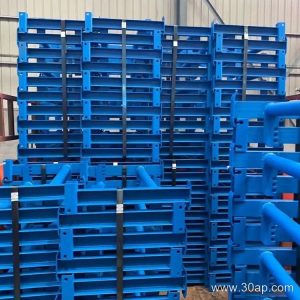
Most frames are made from angle steel, channel steel, or folded steel plate. A troughing frame may use three or five rolls to create a trough profile. A return frame supports the belt on its way back. A buffer frame sits under a loading point to absorb impact. An adjustable frame allows the trough angle to be changed on site. Welding, bolting, and hole spacing follow the conveyor design, so the frame is usually matched to belt width and roll diameter. Typical roll diameters include Ø89, Ø108, Ø133, Ø159, and Ø194. Frames are commonly supplied for belt widths such as B500, B650, B800, B1000, B1200, B1400, B1600, B1800, B2000, B2200. The frame length and mounting hole distance change with belt width and trough angle, so they are best confirmed from the drawing rather than assumed.
Trough Angle and Frame Types
Trough angle affects how much material the belt can hold. Common angles are 20, 30, 35, and 45 degrees. A 35-degree frame is often used on a 800mm conveyor belt or a 1000mm belt, but the angle should follow the material and belt design. For sticky material, a smaller angle may help. For high capacity, a deeper trough can be useful. Adjustable frames let maintenance teams change the angle between these values without replacing the whole frame. A forward-tilted frame, often about 1.5 to 2 degrees, can help training on some belts. Self-aligning frames are used where the belt tends to wander. A V-return frame supports the return belt and helps shed loose material. These are all frame subtypes under the same product family.
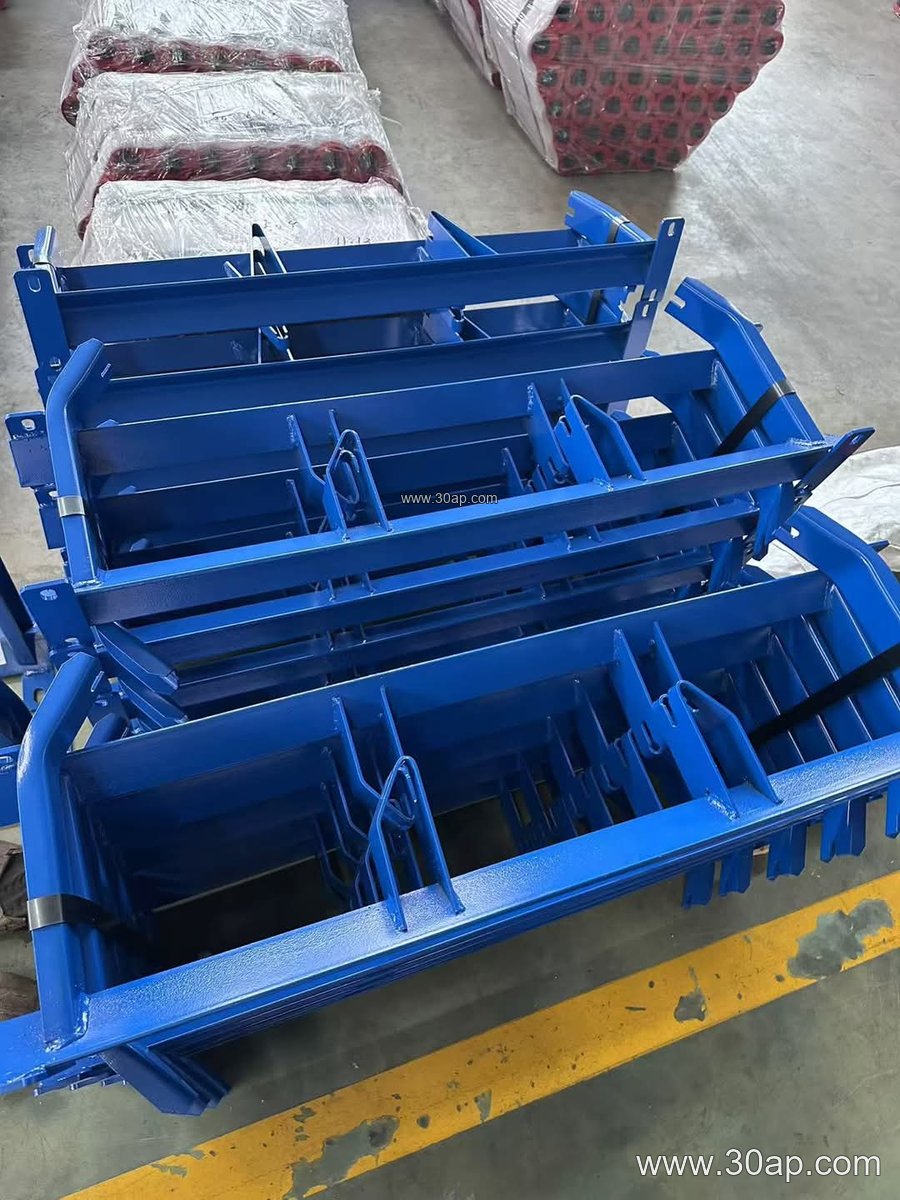
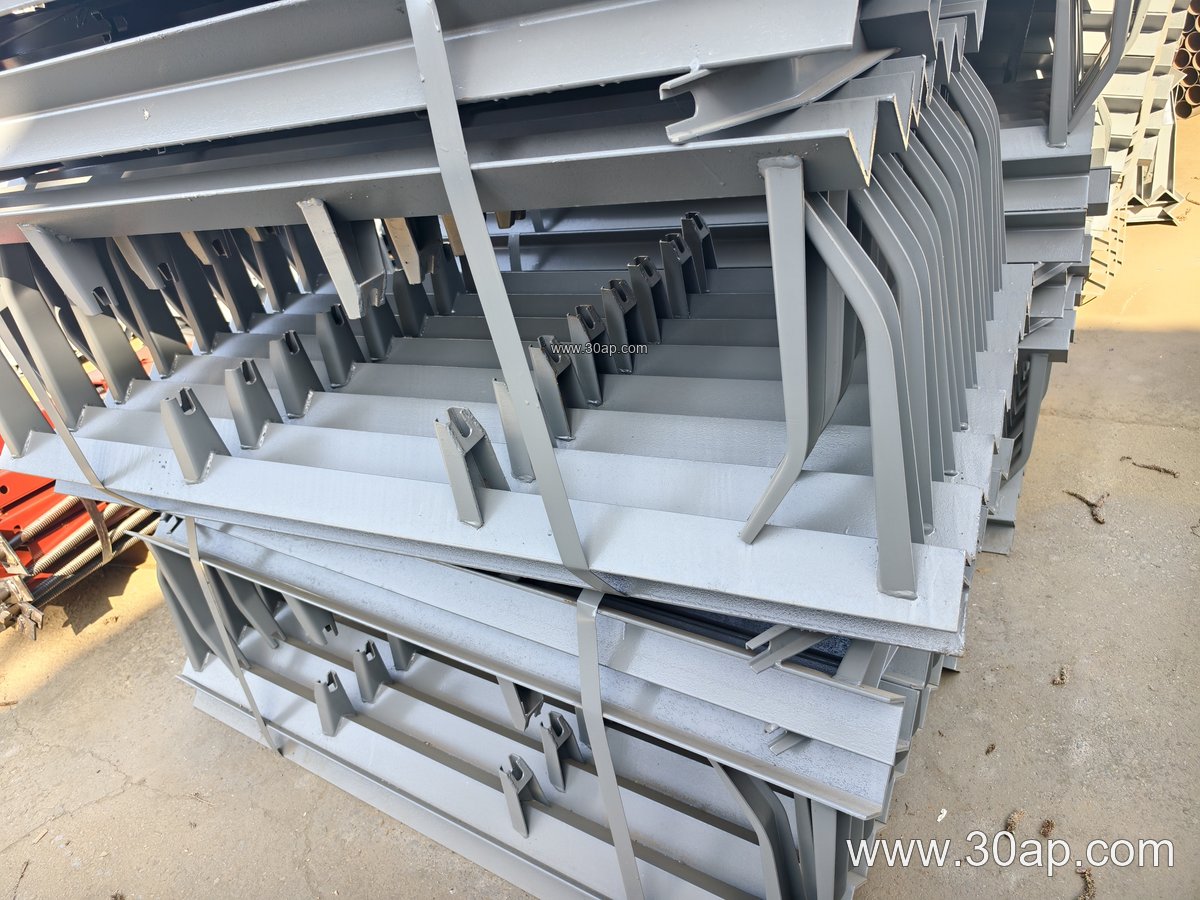
Where These Frames Are Used
You will find Belt Conveyor Idler Frames in limestone mines, iron ore plants, coal washing plants, cement plants, power station coal handling, and aggregate crushing lines. In a sand and gravel line, troughing frames carry abrasive stone, so a heavy-duty frame and abrasion resistant conveyor belt work together. In a cement plant, heat resistant conveyor belt may be needed near clinker areas, while the frame still does its support job. In a port or ship loading system, wide belts may use B1800 or B2000 frames. Underground coal mining may use flame retardant conveyor belt and fire resistant conveyor belt, and the frame must fit the restricted space. The frame itself does not decide belt quality, but it does affect belt life and tracking.
Buyer Checklist
- Confirm belt width, such as B650, B800, B1200, or B1400, and the required trough angle.
- Match roll diameter to the idler roller used, for example Ø108 or Ø133.
- Check mounting hole spacing and beam length against the conveyor drawing.
- Choose fixed or adjustable frames based on whether the trough angle may change.
- For impact zones, use a buffer frame rather than a standard troughing frame.
- Consider the environment: wet, dusty, or corrosive sites may need different surface protection.
Ask for a frame drawing that shows the belt width, roll diameter, angle, and hole pattern. A frame that fits the conveyor structure will reduce downtime and keep the belt training well. For related components, see the conveyor pulley and conveyor bracket selection as well.