What a Crusher Conveyor Belt Does
A crusher conveyor belt is the heavy-duty belt that carries blasted rock, crushed stone, ore or recycled material away from a primary, secondary or tertiary crusher and delivers it to screens, stockpiles or the next stage of the circuit. Because it starts directly under the discharge point, this belt absorbs sharp impact, lumpy loads and constant abrasion. In practice the same product is often simply called a rock conveyor belt or a stone crushing conveyor belt, and it is usually specified as a heavy-duty mining conveyor belt rather than a general-purpose belt.
The duty is different from a transfer belt. Feed from a jaw or cone crusher arrives fast, unevenly and with edges that can cut. A belt that suits a clean sand line may fail quickly here, so the carcass, cover compound and splice all need to match the crusher discharge.
Construction and Common Configurations
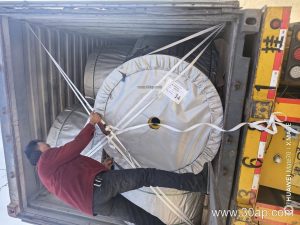
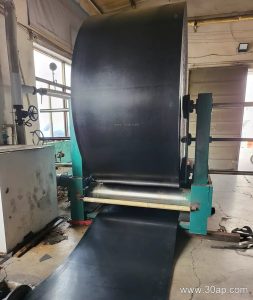
Most crusher belts use a fabric core or a steel cord carcass. Fabric core belts are built from EP (polyester-cotton) or NN (nylon) plies, commonly 2 to 6 layers, with rubber covers on both faces. Steel cord belts use parallel steel wires for very long runs and high tension. Cover thickness is usually given as top plus bottom, for example 6+2 mm or 8+3 mm, with thicker tops where lumps hit hard.
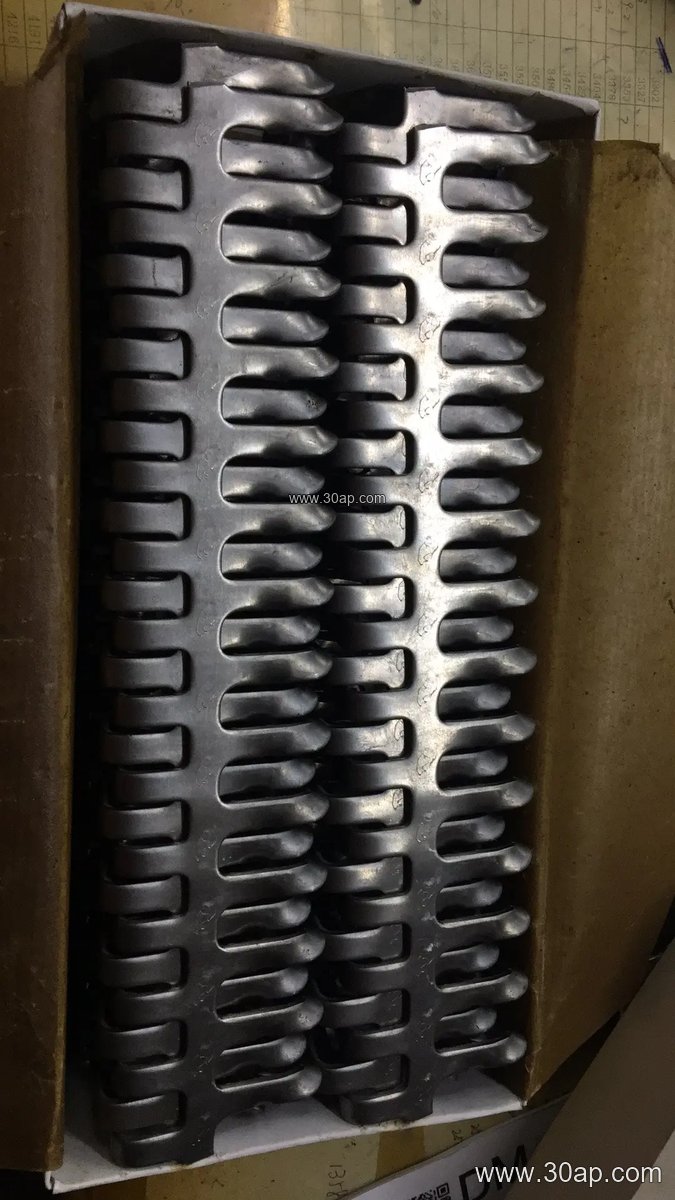
Common strength grades and widths are shown below as reference ranges, not fixed supply promises. Final values are set by the conveyor design.
| Property | Typical reference values |
|---|---|
| Fabric core grades | EP200, EP315, EP400, EP500, EP630, EP800, EP1000, EP1250, EP1600, EP2000 |
| Steel cord grades | ST1000, ST1250, ST1600, ST2000, ST2500, ST3150 |
| Belt width | B500, B650, B800, B1000, B1200, B1400, B1600, B1800, B2000 |
| Cover thickness | 3+1.5, 4+2, 5+2, 6+2 or 8+3 mm |
| Carcass plies | Usually 2 to 6 fabric layers |
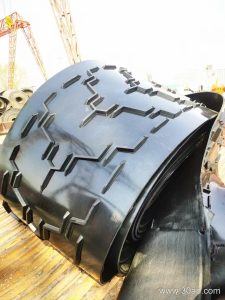
Surface form matters too. A plain belt is normal on inclined haulage, while a chevron conveyor belt or a corrugated sidewall belt helps hold material on steep sections. A skirted conveyor belt is sometimes used at transfer points to contain spillage. For dusty coal or cement circuits, a flame retardant or anti-static grade is often requested, and heat resistant or oil resistant covers are chosen when the material is hot or oily.
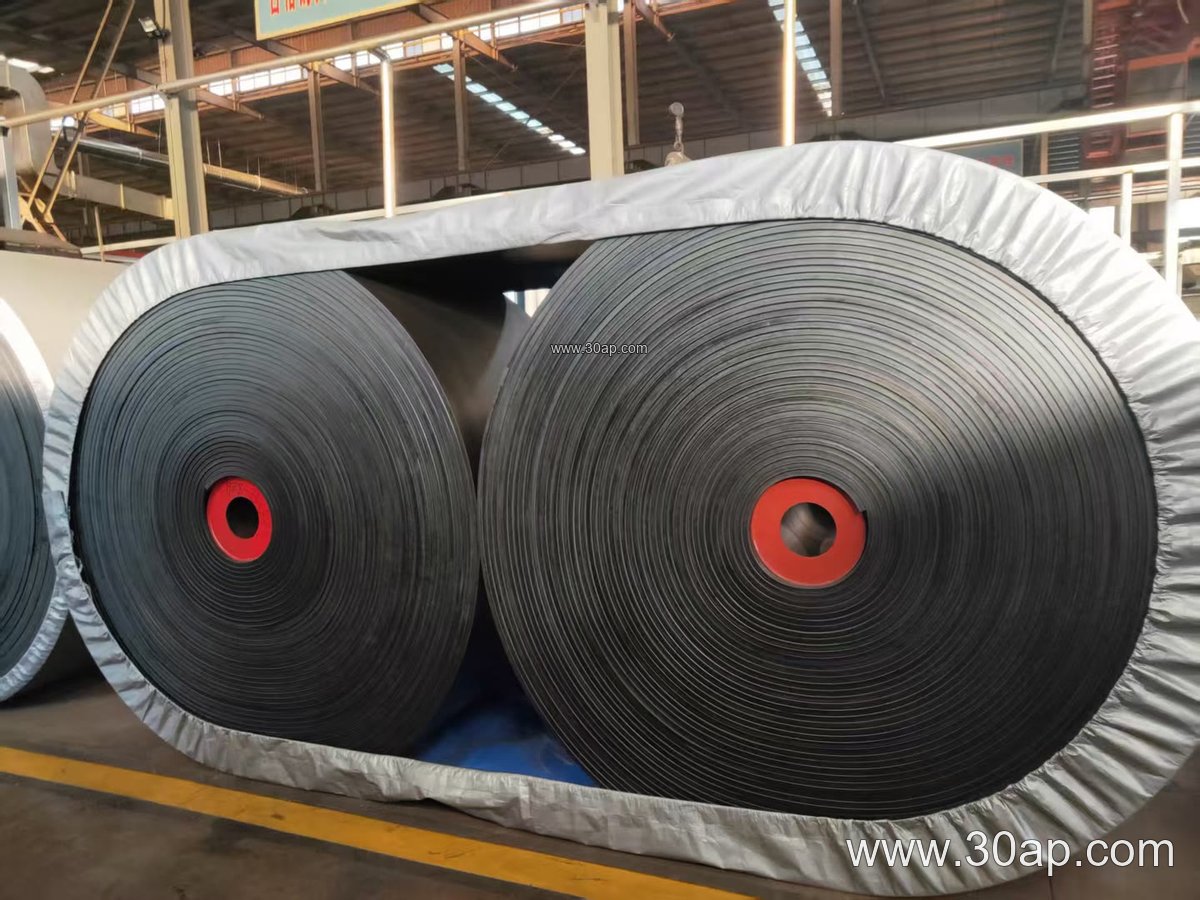
Where It Fits in the Plant
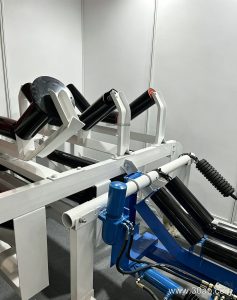
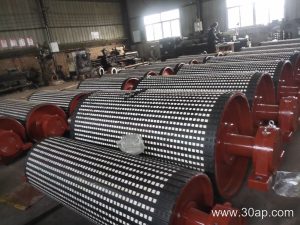
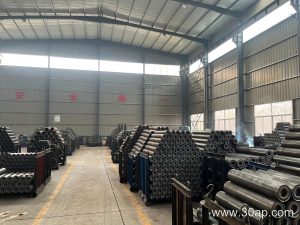
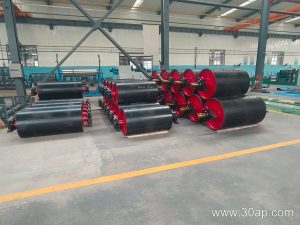
These belts appear in mines, quarries, sand and gravel plants, cement works, power stations and steel plants. In a quarry the crusher belt links the primary jaw to a screen; in an underground coal mine it may run behind a feeder breaker; in a recycling line it handles mixed debris. Related hardware such as the idler roller, conveyor pulley and conveyor bracket must be matched to the belt width and load, and the drive, tail and bend pulleys each have their own role in keeping the belt tracking and tensioned.
Selection depends on lump size, throughput, incline, ambient temperature and the risk of cutting or tearing. Buyers should ask for the carcass type, cover grade, full thickness, splice method and pulley data, and confirm that the belt width suits the existing frame rather than assuming one width fits every pulley.
Buyer Checklist
- State the crusher type, feed lump size and expected tonnes per hour.
- Confirm incline and whether a chevron or sidewall profile is needed.
- Match cover grade to abrasion, heat, oil or fire risk.
- Check belt width against the frame, idlers and pulley face.
- Plan spare belt, splice kit and inspection intervals before startup.
For more on matching a crusher conveyor belt to your circuit, see the belt and component ranges at crusher conveyor belt and conveyor pulley pages. A well-matched abrasion resistant conveyor belt, correct idler roller spacing and a properly aligned conveyor pulley will usually extend service life more than simply buying the thickest belt available.