What Is a Conveyor Belt Carrying Idler
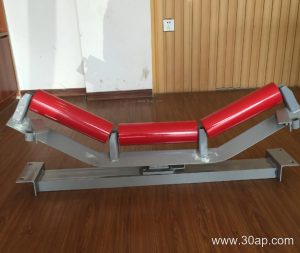
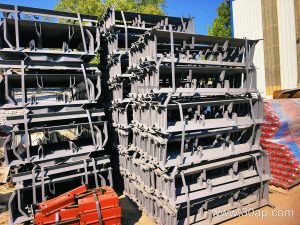
A conveyor belt carrying idler is the roller assembly that supports the loaded side of a conveyor belt. It carries the weight of the belt and the material, keeps the belt in a stable trough shape, and reduces friction as the belt moves. In a typical bulk handling conveyor, these carrying idlers are mounted on the load side at regular intervals, while return idlers support the empty belt on its way back. The carrying idler is often called a troughing idler or upper idler, and it is a core component in systems moving coal, ore, aggregate, cement, and other bulk materials.
Construction and Main Parts
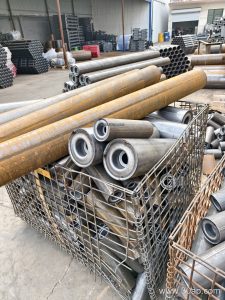
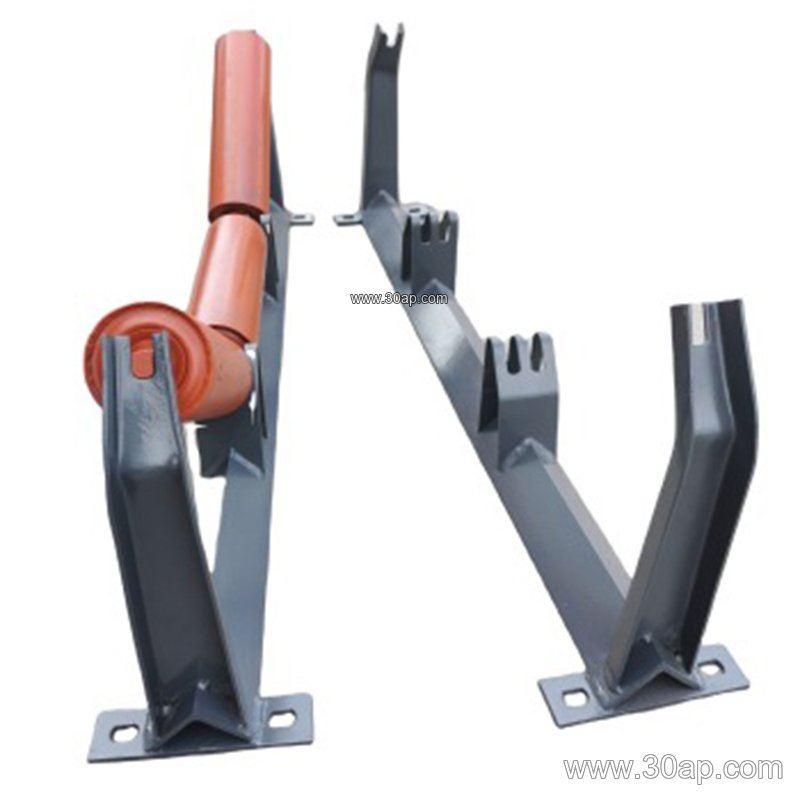
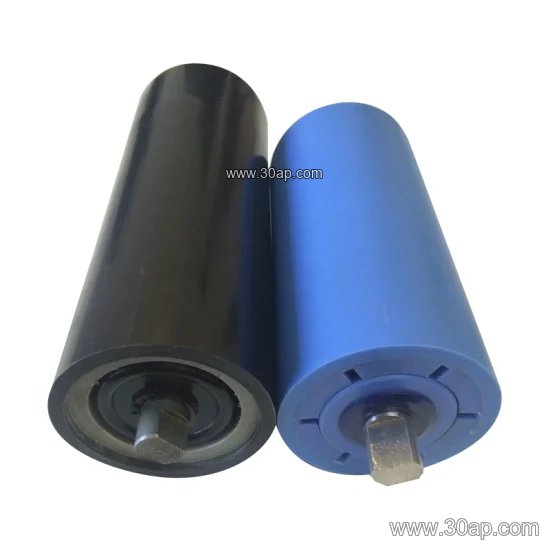
A carrying idler usually consists of a steel tube shell, bearing housings, bearings, a shaft, and seals. The roller surface may be plain steel, nylon, ceramic, or covered with rubber rings for impact absorption. Common bearing numbers include 6204, 6205, 6305, 6306, 6308, and 6310; the bearing is selected according to load, speed, and environmental conditions, not tied to one roller diameter. The shell diameter can range from Ø63 to Ø219, with common sizes such as Ø89, Ø102, Ø108, Ø127, Ø133, Ø159, and Ø178. Roller length depends on belt width, trough angle, and idler arrangement.
Typical Roller Diameters and Belt Widths
Below are reference ranges often seen in industrial applications. These are examples, not fixed combinations; final selection follows the conveyor design.
- Roller diameter: Ø63, Ø76, Ø89, Ø102, Ø108, Ø127, Ø133, Ø159, Ø178, Ø194, Ø219 mm
- Belt width: B400, B500, B650, B800, B1000, B1200, B1400, B1600, B1800, B2000, B2200, B2400
- Common roller length for three-roll troughing sets: about 200 mm for B500, 250 mm for B650, 315 mm for B800, 380 mm for B1000, 465 mm for B1200, 530 mm for B1400, 600 mm for B1600, 670 mm for B1800, 750 mm for B2000
Side rollers and center rollers can differ in length and diameter within the same idler set. The trough angle (20°, 30°, 35°, or 45°) affects material containment and belt stress. A forward tilt of about 1.5° to 2° is sometimes used on carrying idlers to help center the belt.
Where Carrying Idlers Are Used
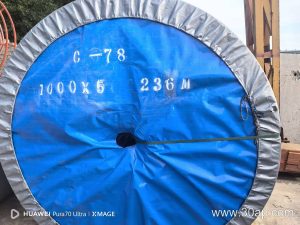
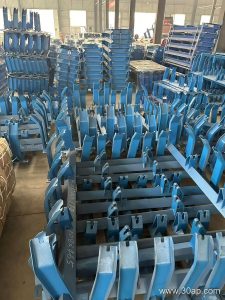
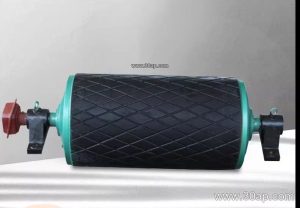
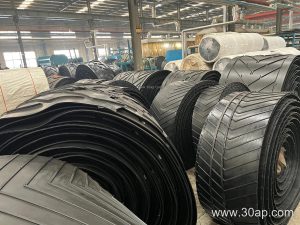
These idlers appear in many industries. In a coal mine or coal washing plant, they support a flame retardant conveyor belt or PVG conveyor belt on the main haulage line. In a quarry or aggregate plant, they carry abrasive rock and stone on an EP conveyor belt or NN conveyor belt. Cement plants use them under clinker and raw meal, often with heat resistant conveyor belt where temperature is elevated. Power plant coal handling, port ship loading, and steel plant sinter lines also rely on carrying idlers to keep the belt stable and aligned. In all these cases, the idler works together with the conveyor pulley, conveyor bracket, and belt to form a reliable transport system.
Types and Arrangements
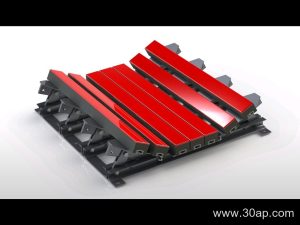
Carrying idlers are commonly supplied as single-roll, two-roll, or three-roll troughing sets. The three-roll troughing idler is the most common for wide belts and high capacity. For transition zones near a conveyor pulley, transition idlers with smaller trough angles help reduce belt edge stress. Impact idlers with rubber rings are used at loading points to absorb shock from falling material. Self-aligning idlers, including friction and taper types, help correct belt misalignment. While these are all carrying idlers, they serve different positions and duties; they are not interchangeable with return idlers or with drive, tail, and bend pulleys.
Selection and Maintenance Notes
Buyers should consider belt width, material weight, lump size, trough angle, operating speed, and environment. A heavy-duty mining conveyor belt or steel cord conveyor belt may require larger roller diameters and stronger bearings than a light aggregate line. Sealing quality matters in dusty or wet conditions; good labyrinth seals and grease retention extend bearing life. Roller concentricity and balance affect belt wear and noise. Regular inspection should check for seized rollers, worn shells, and misalignment. Replacing a damaged carrying idler promptly prevents belt edge damage and reduces downtime. For more information on compatible components such as rubber conveyor belt, idler roller, and conveyor pulley, consult your supplier with the actual conveyor specification.