Understanding the Role of the 6205 Bearing Idler in Bulk Material Handling
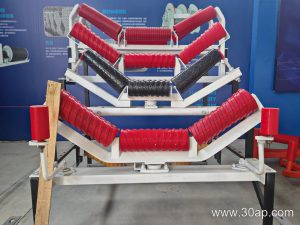
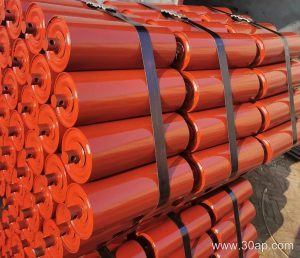
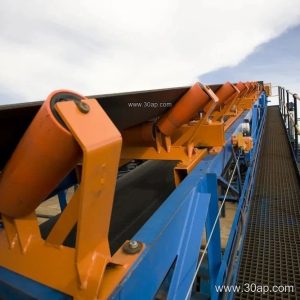
In heavy-duty applications such as a busy cement plant or a continuous limestone quarry operation, every mechanical component must endure rigorous physical demands. The 6205 Bearing Idler serves as a critical rotational support beneath the rubber conveyor belt, ensuring smooth material flow and minimizing operational resistance. Unlike the heavy-duty drive or tail conveyor pulley, these idler rollers distribute the continuous load of the transported media along the entire conveyor bracket framework.
Internal Architecture and Seal Integrity
The performance of a rotating assembly relies heavily on precision engineering and robust component selection. Within a typical 6205 Bearing Idler, the internal housing accommodates a precision ball bearing known for its balanced radial and axial load capacity. While the industry utilizes various sizes including 6204 and 6305, the chosen configuration directly impacts rotational smoothness and friction reduction under heavy loads.
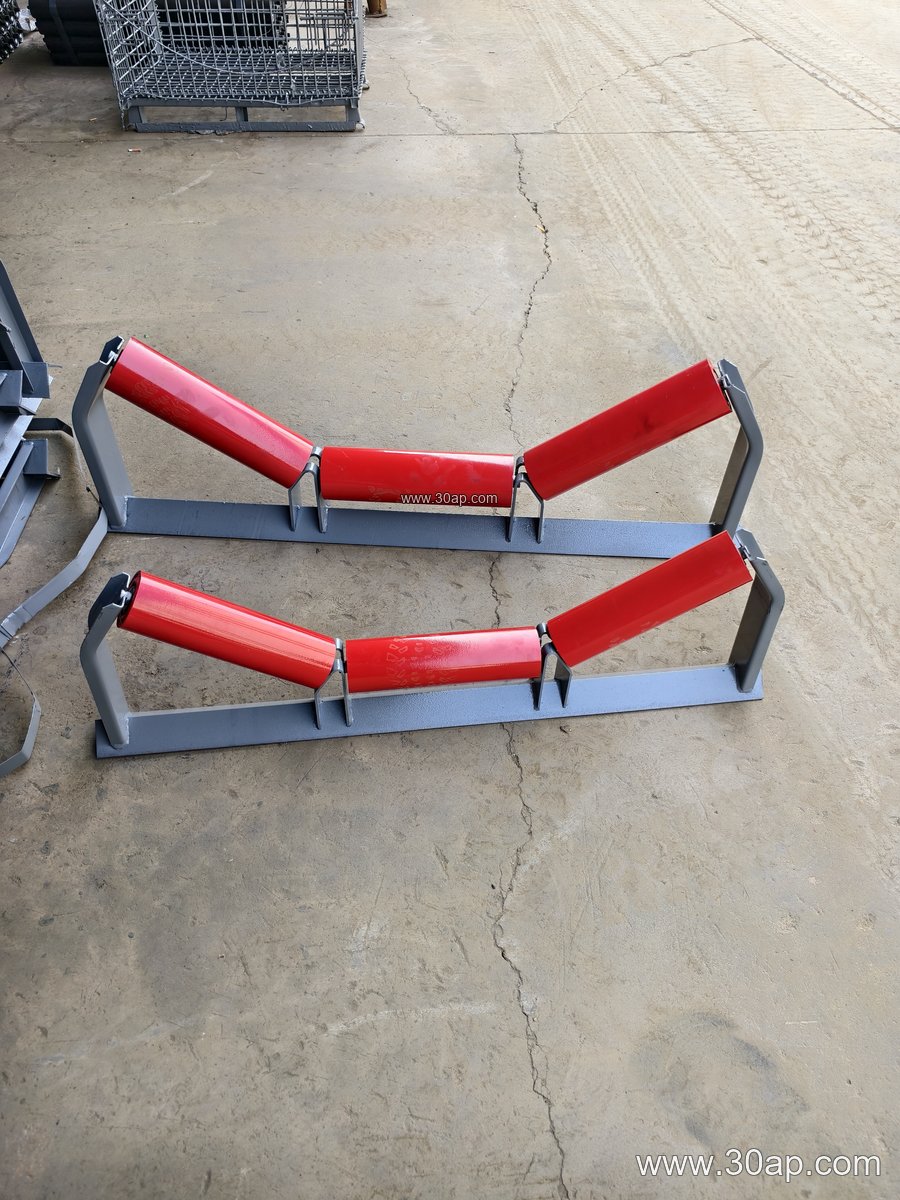
Effective bearing protection requires multi-layer labyrinth seals and contact lips to prevent abrasive dust and moisture from entering the housing. In environments handling abrasive aggregates or fine powders, preserving internal lubrication is essential for preventing premature failure. For more details on heavy-duty components, you can explore specialized resources on our 输送机网站.
Parameter Reference and Dimensional Layout
Designing a reliable material transport line involves coordinating multiple equipment specifications. While specific dimensions depend on project engineering, typical reference data helps clarify how individual rollers fit within standard frame widths and troughing angles.
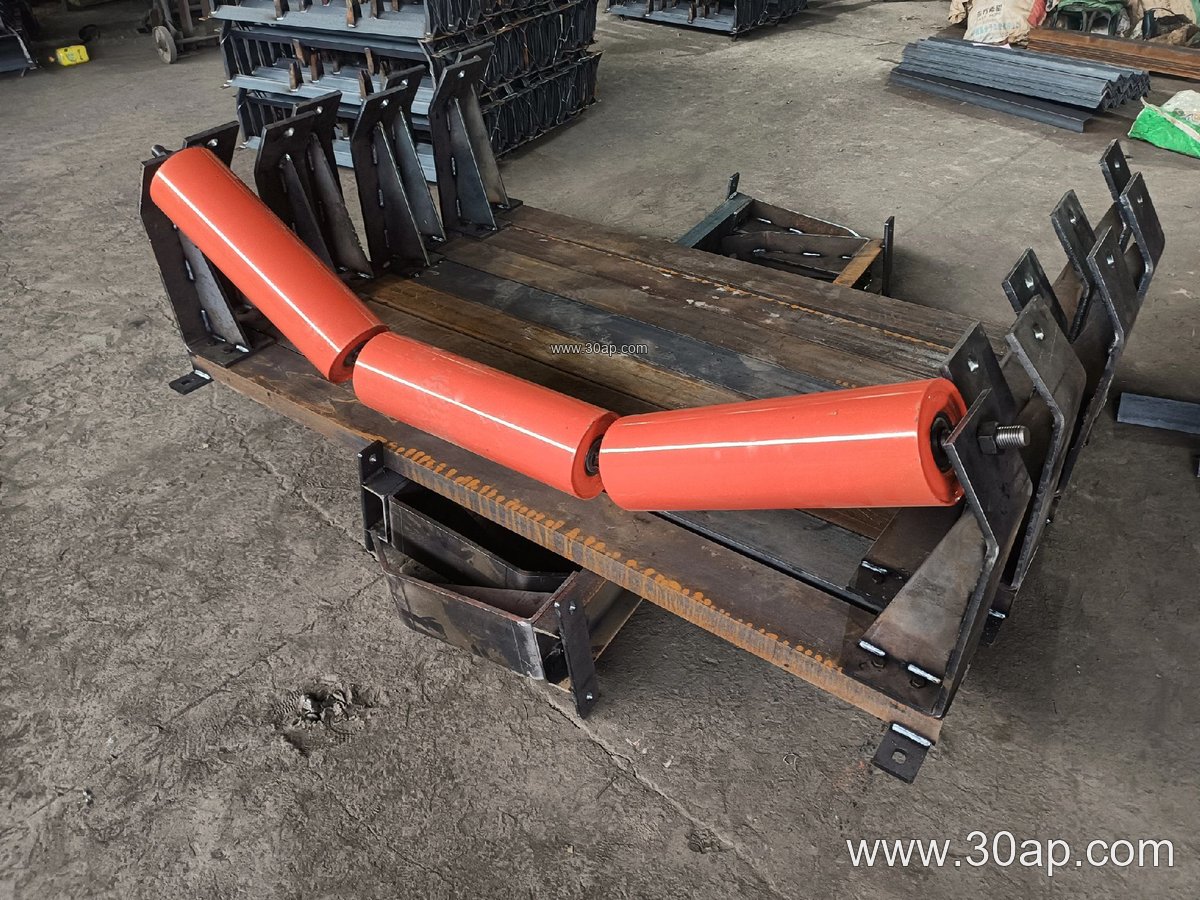
| Reference Bandwidth | Typical Roller Diameter | Common Trough Angle |
|---|---|---|
| B650 mm | Ø89 / Ø108 mm | 30 or 35 degrees |
| B800 mm | Ø108 / Ø127 mm | 30 or 35 degrees |
| B1000 mm | Ø127 / Ø159 mm | 35 or 45 degrees |
| B1200 mm | Ø159 mm | 35 or 45 degrees |
Furthermore, matching components such as an Abrasion Resistant Conveyor Belt or an EP Conveyor Belt must be carefully evaluated alongside the idler dimensions. Proper alignment between the steel framework, the conveyor pulley, and the rotating idlers ensures minimal edge wear and extends the service life of the entire system.
Maintenance and Operational Inspection
Routine inspection of the 6205 Bearing Idler prevents unexpected downtime in demanding sectors like iron ore processing or power plant coal handling. Technicians should regularly check for abnormal acoustic signatures, rotational resistance, and housing temperature spikes. Addressing seized or sluggish idler rollers promptly protects the underside of the heavy-duty conveyor belt from friction burns and structural tearing.