What a Rust-Resistant Idler Is
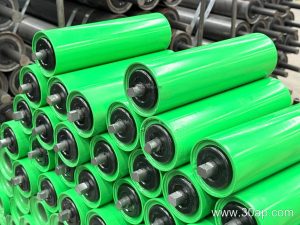
A rust-resistant idler is a conveyor idler roller built so that moisture, washdown water, salt air and mildly corrosive dust do not turn its shell, shaft or end caps into a rusting, seizing mess. In practice the term covers idler rollers with coated or galvanized steel shells, stainless shafts, sealed bearing housings and protective end caps. The goal is simple: keep the roller turning freely and keep rust stains off the belt.
Rust is not only a cosmetic problem. A corroded idler roller can pit, lose wall thickness and seize, which then scuffs the conveyor belt and loads the frame. In a washdown plant or a coastal port, that failure can arrive faster than ordinary wear.
How the Rust Protection Is Built In
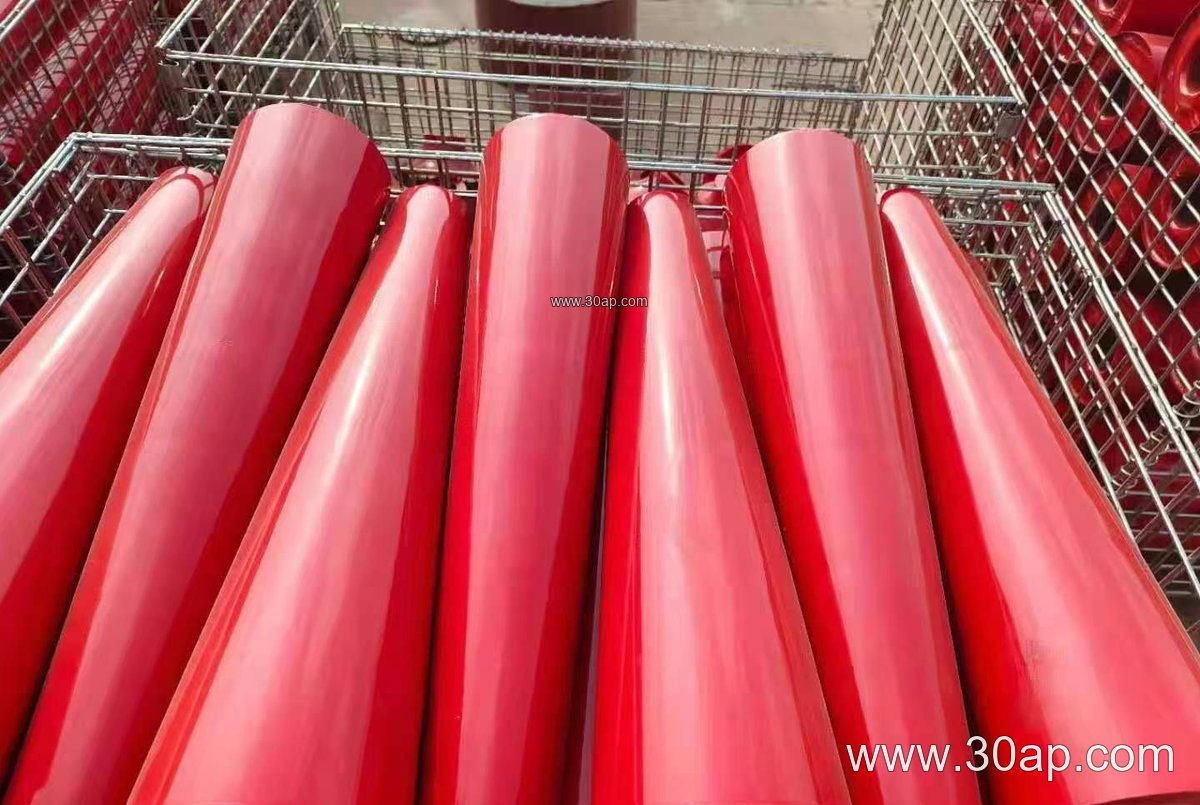
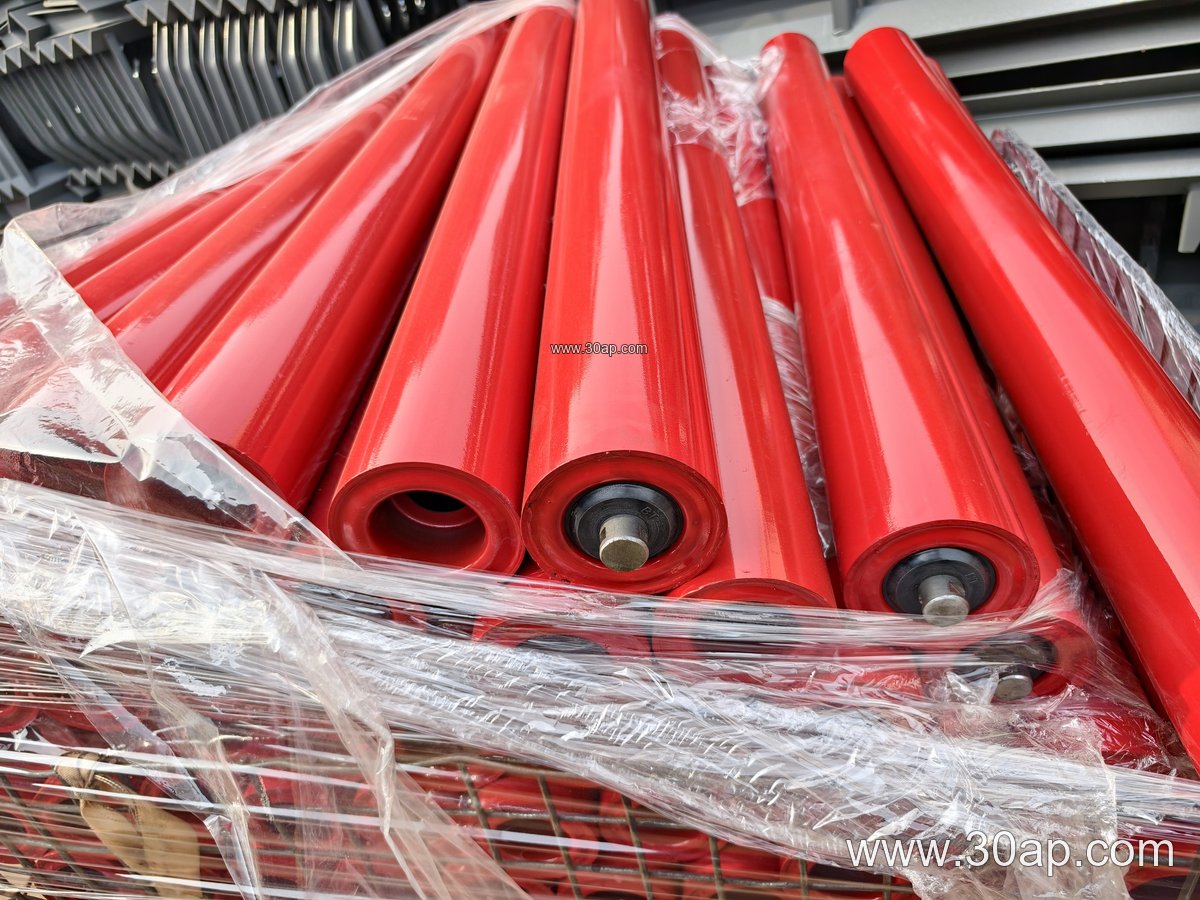
Protection usually starts at the shell. Common options include hot-dip galvanized steel tube, painted or powder-coated tube, and in more aggressive cases stainless steel or polymer shells. The shaft may be galvanized, stainless or fitted with sealed end caps that keep splash water away from the bearing cavity.
Sealing matters as much as the surface finish. A labyrinth seal, a contact lip seal or a combination of both slows the entry of water and fine grit. Bearing selection follows the load: 6204 and 6205 for lighter stations, 6305, 6306, 6308 and 6310 for heavier ones. No single bearing is tied to one roller diameter, so the bearing is chosen from load, speed and service life.
Where It Earns Its Place
Wet and corrosive duty shows up in many bulk handling lines. A few examples:
- Washdown areas in a sand and gravel plant or aggregate conveyor line.
- Coal preparation plants and wash boxes where water is present.
- Fertilizer and chemical handling where dust is mildly acidic or alkaline.
- Coastal ports and ship loading conveyors exposed to salt air.
- Tunnel spoil and concrete batching plants with damp, alkaline conditions.
These sites often run an abrasion resistant conveyor belt or a flame retardant conveyor belt alongside the idlers, and the roller finish has to survive the same wet environment as the belt.
Common Forms and Reference Dimensions
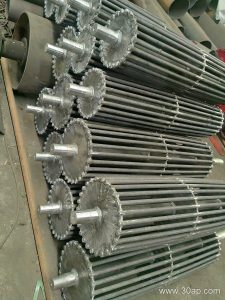
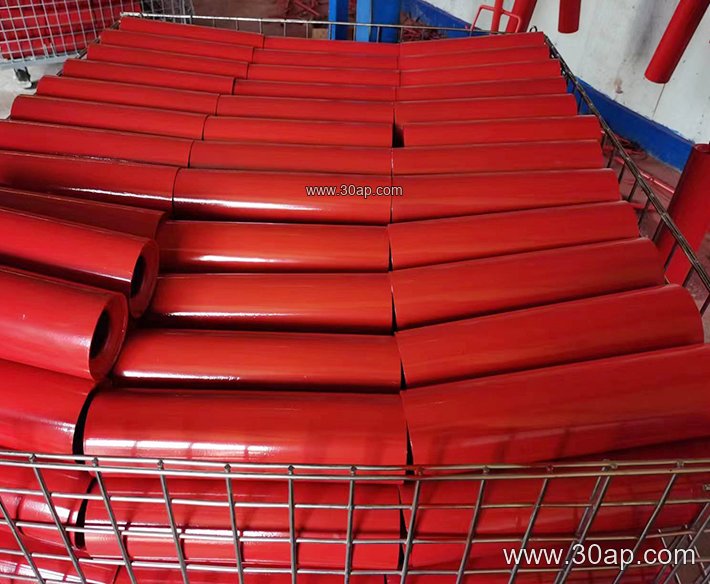
Rust-resistant idlers are made in the usual carrying and return forms: troughing, impact, return, V-return, aligning and spiral. The table below is reference data only, not a fixed match between belt width and roller diameter.
| Item | Common reference values |
|---|---|
| Roller diameter | Ø63, Ø76, Ø89, Ø102, Ø108, Ø127, Ø133, Ø159, Ø178, Ø194, Ø219 mm |
| Belt width | B400, B500, B650, B800, B1000, B1200, B1400, B1600, B1800, B2000 mm |
| Trough angle | 20°, 30°, 35°, 45° |
| Troughing roll length (example) | B500 about 200 mm, B800 about 315 mm, B1000 about 380 mm, B1200 about 465 mm, B1400 about 530 mm, B1600 about 600 mm, B1800 about 670 mm |
| Roll surface | Steel tube, nylon, ceramic, rubber ring |
| Bearing | 6204, 6205, 6305, 6306, 6308, 6310 |
Side rolls and centre rolls can differ in length, and the final figures are set by belt width, trough angle and idler set design.
Buyer Checklist
Before ordering, confirm the environment first: is the idler washed down, splashed, or only damp? That answer decides whether galvanized steel is enough or stainless is needed. Then check the load and speed so the bearing and shaft size suit the duty. Match the roller diameter to the belt and frame, and keep the trough angle consistent with the existing set.
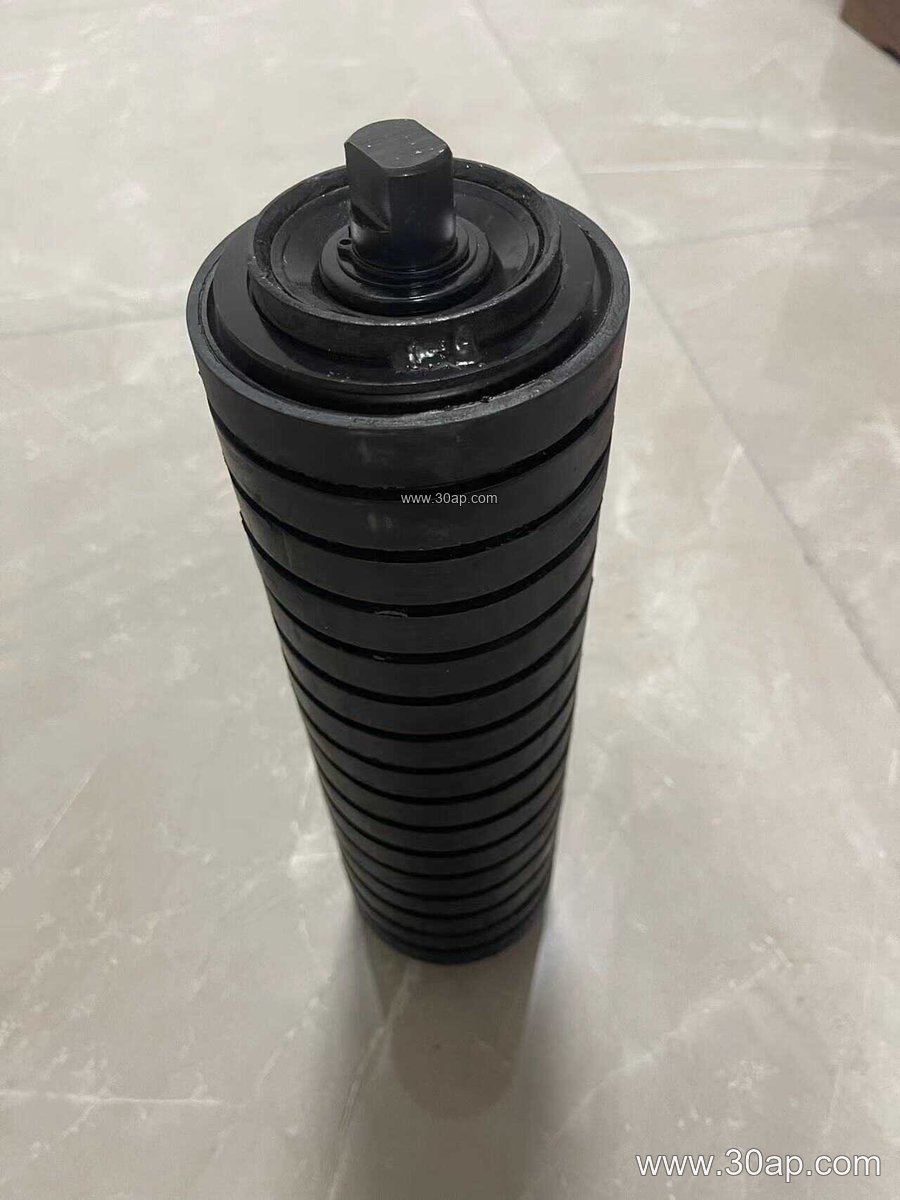
Also confirm the mounting details: shaft flats, frame spacing, and the conveyor bracket type. A rust-resistant idler that does not fit the bracket is no help. For corrosive lines, ask how the end cap and seal are made, because that is where water usually gets in.
Maintenance Notes
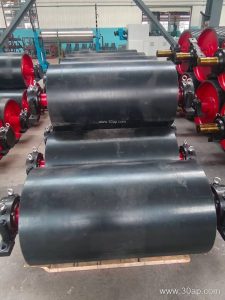
Inspect for seized rollers, wobble and rust bleeding at the seals. Replace a failed idler promptly; a dragging roller wears the belt cover and can damage a conveyor pulley or drum downstream. Keep washdown spray away from bearing housings where possible, and store spare rollers dry. On long lines, a few rust-resistant idlers at the wet end often protect the rest of the run.
Used with a well-chosen conveyor belt, a rust-resistant idler roller helps keep a wet plant running quietly instead of stopping for seized rollers and stained belts.