Introduction to the Construction Industry Conveyor Belt
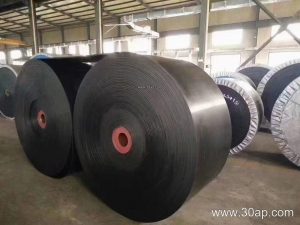
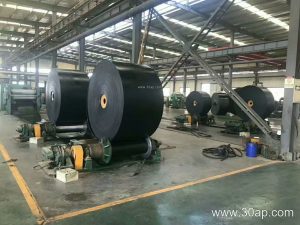
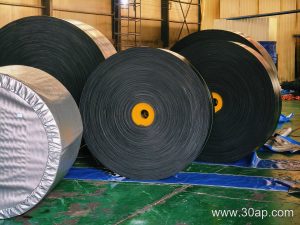
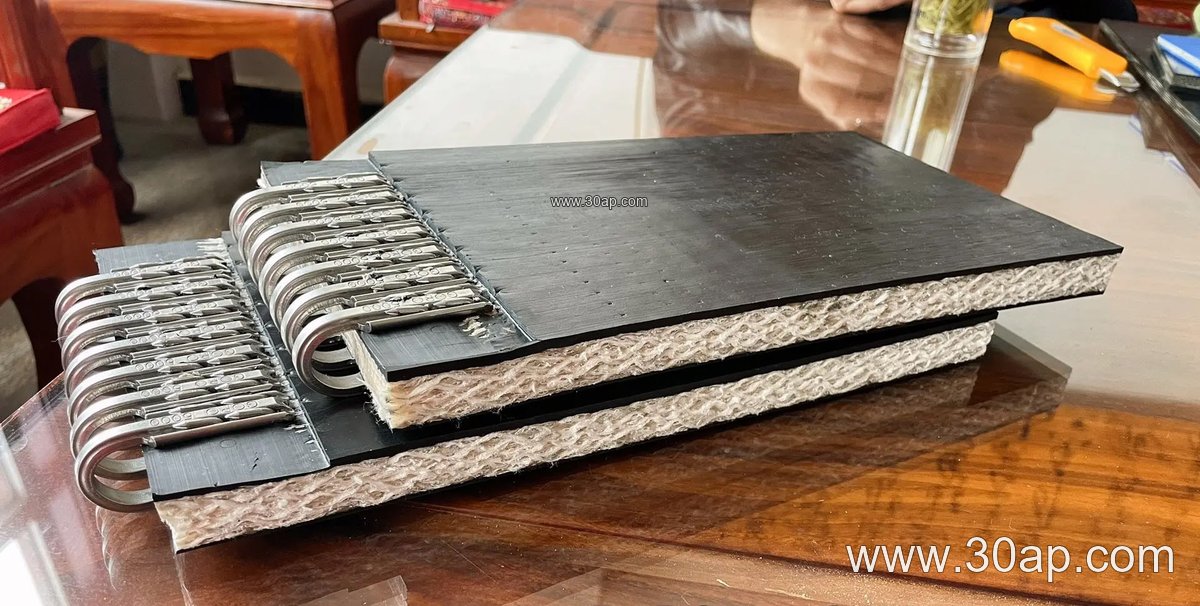
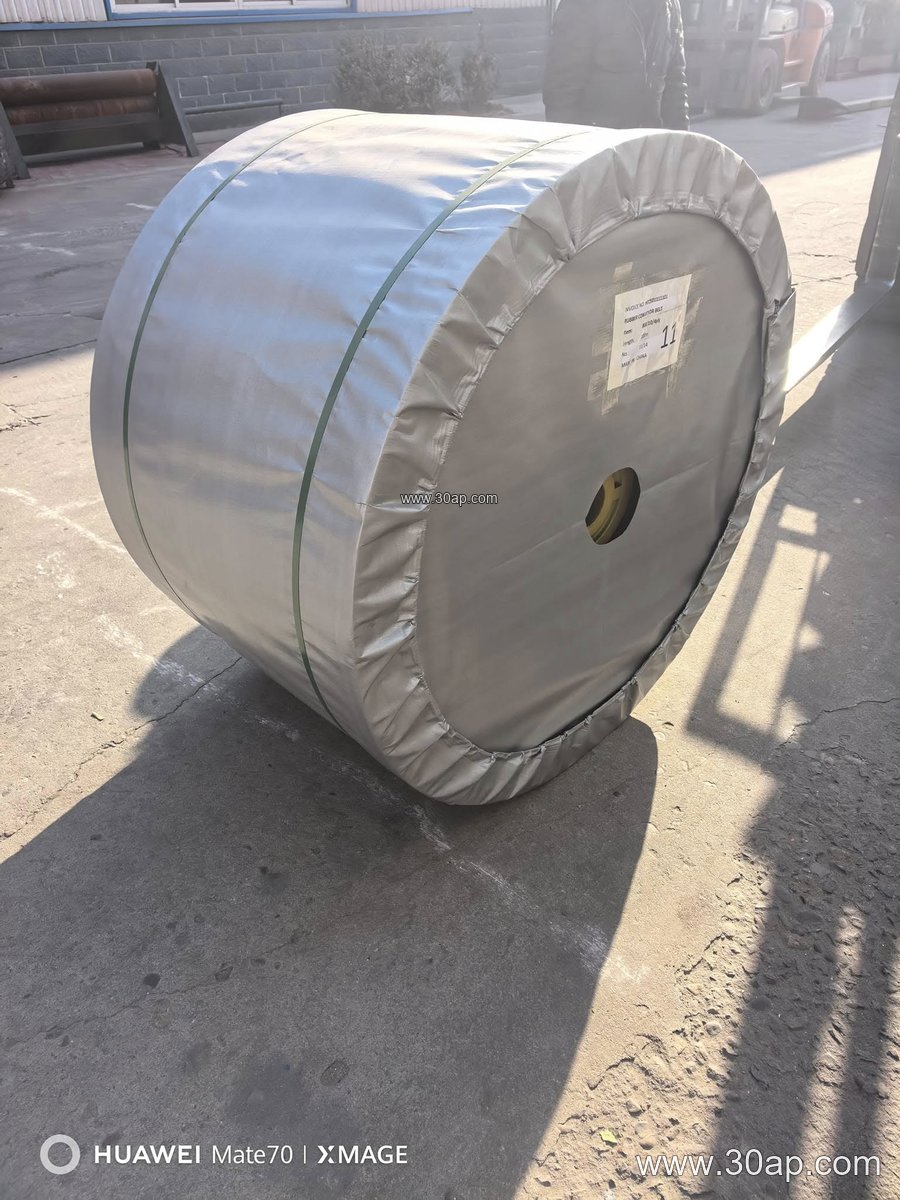
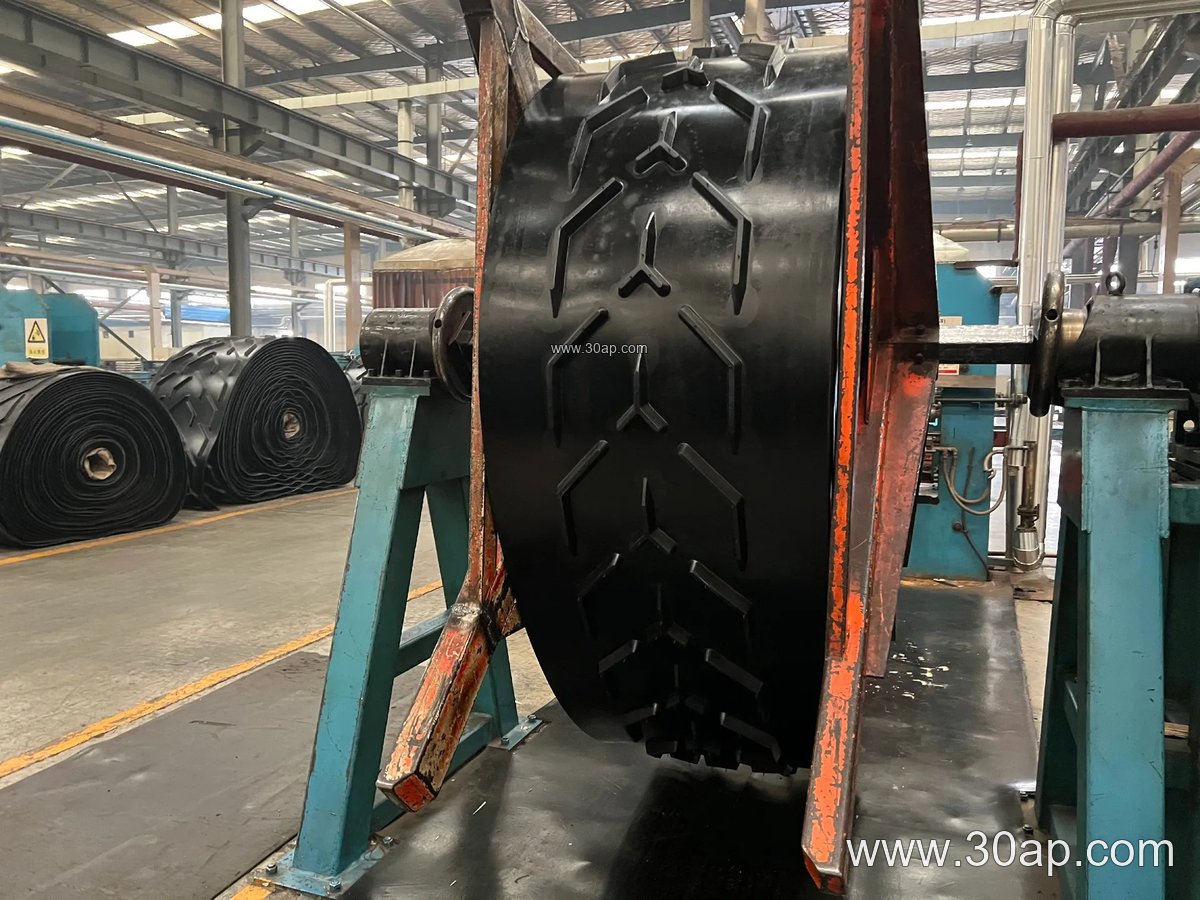
Heavy-duty bulk material handling requires reliable mechanical pathways to maintain continuous output in rugged settings. Whether operating within a large aggregate plant, a bustling cement production facility, or a remote quarry, the construction industry conveyor belt serves as the backbone for moving raw earth, crushed stone, sand, and other abrasive media. A well-designed layout integrates durable rubber components with precision-engineered steel hardware to withstand heavy impact and continuous friction.
Core Structural Elements and System Integration
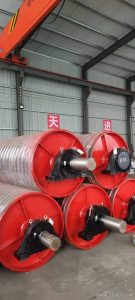
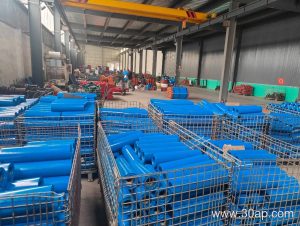
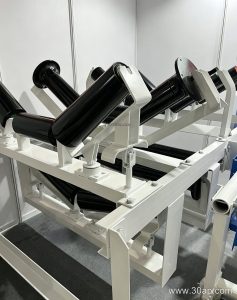
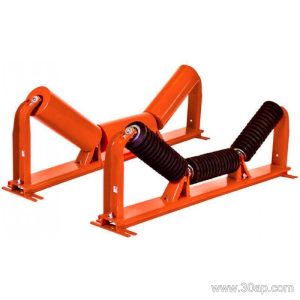
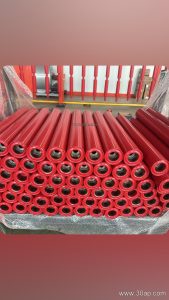
A robust bulk material handling system relies on more than just the main conveying web. The overall performance depends on how smoothly the rubber belt interacts with surrounding components. Below the surface, an array of idler roller assemblies supports the moving load, while a sturdy conveyor bracket keeps structural alignment intact under immense weight. At the terminal points, the traction is managed carefully by the drive pulley, whereas a properly adjusted tail pulley maintains necessary tension. For directional adjustments along the line, a reliable bend pulley redirects the loop without putting excessive stress on the carcass layers.
Available Technical Specifications and Common Configurations
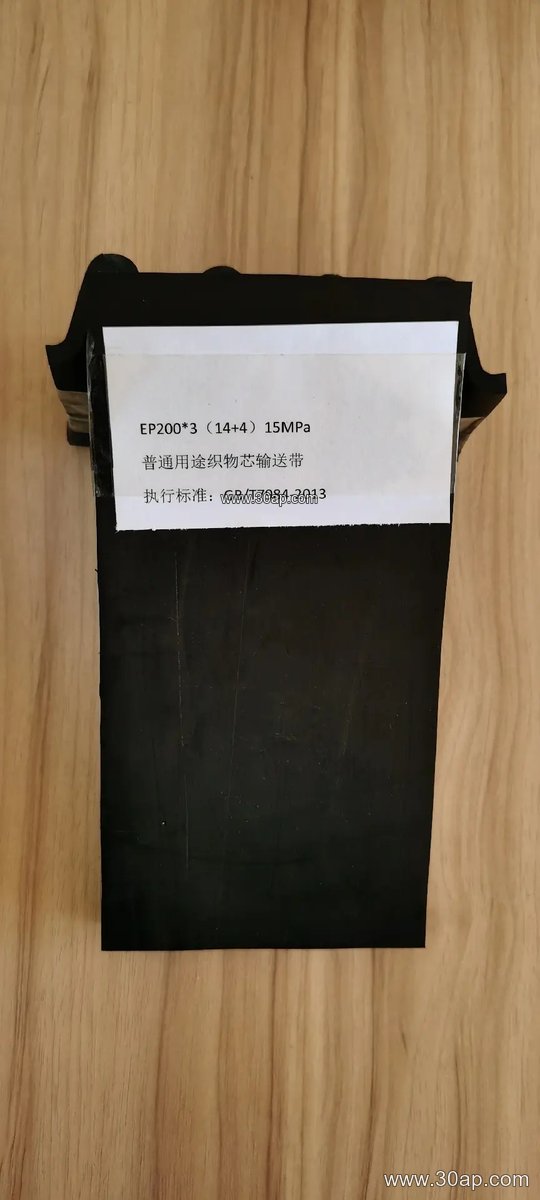
Choosing the correct profile for a specific operational demand involves evaluating tensile strength, carcass construction, and belt width. Engineers often select options ranging from multi-ply fabric configurations to high-strength steel cord designs depending on the required haul distance and load volume. The following reference matrix outlines typical configuration parameters encountered in heavy-duty material transport layouts:
| Parameter Category | Common Specification Options |
|---|---|
| Available Belt Widths | B500, B650, B800, B1000, B1200, B1400, B1600, B1800, B2000 |
| Core Strengths (EP Types) | EP200, EP315, EP400, EP500, EP630, EP800, EP1000, EP1250, EP1600, EP2000 |
| Carcass Ply Count | Typically 2 to 6 plies for fabric core variants |
| Cover Thickness (Top + Bottom) | 3+1.5 mm, 4+2 mm, 5+2 mm, 6+2 mm, 8+3 mm |
| Specialty Compounds | Abrasion Resistant Conveyor Belt, Flame Retardant Conveyor Belt, Heat Resistant Conveyor Belt |
Application Environments and Operational Suitability
Operational conditions dictate the required compound chemistry. In environments dealing with sharp rocks and heavy stone crushing, an abrasion resistant conveyor belt prevents premature carcass wear. Facilities handling hot clinker or high-temperature processed materials require specialized heat resistant formulas. Furthermore, underground setups or enclosed facilities frequently mandate a flame retardant conveyor belt to meet strict safety protocols. Routine inspection of the idler roller and conveyor pulley systems ensures that friction remains minimal and material spillage is kept under control.
Maintenance and Selection Best Practices
Maximizing service life requires proper tensioning, regular alignment checks, and prompt removal of accumulated debris around the tail and bend pulley areas. Operators should verify that the selected tensile rating matches the peak torque demands of the drive pulley. By maintaining optimal alignment across every installed conveyor bracket and replacing worn idler roller units before bearing failure occurs, facility managers can achieve seamless handling performance across diverse industrial sectors.