Understanding the Mechanical Role of an Adjustable Conveyor Bracket
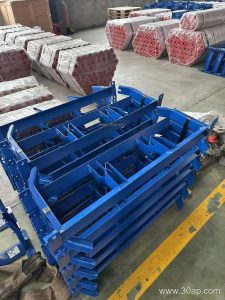
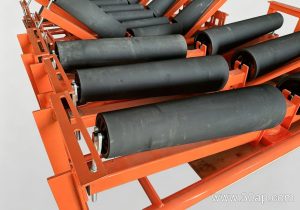
In heavy-duty material handling operations such as a modern aggregate conveyor belt line, maintaining precise alignment and stable geometry is essential for continuous performance. An Adjustable Conveyor Bracket provides the mechanical flexibility required to fine-tune trough angles and support positions under varying operational loads. Unlike rigid structures, this component allows operators to modify operational parameters on-site, ensuring that the conveyor belt maintains optimal tracking and minimal edge wear.
When dealing with high-capacity bulk transport, particularly in a demanding Steel Plant Conveyor Belt setup, minor shifts in foundation or frame alignment can cause severe mistracking. The adjustable design enables maintenance crews to compensate for thermal expansion, structural settling, and dynamic load variations without requiring a complete system overhaul.
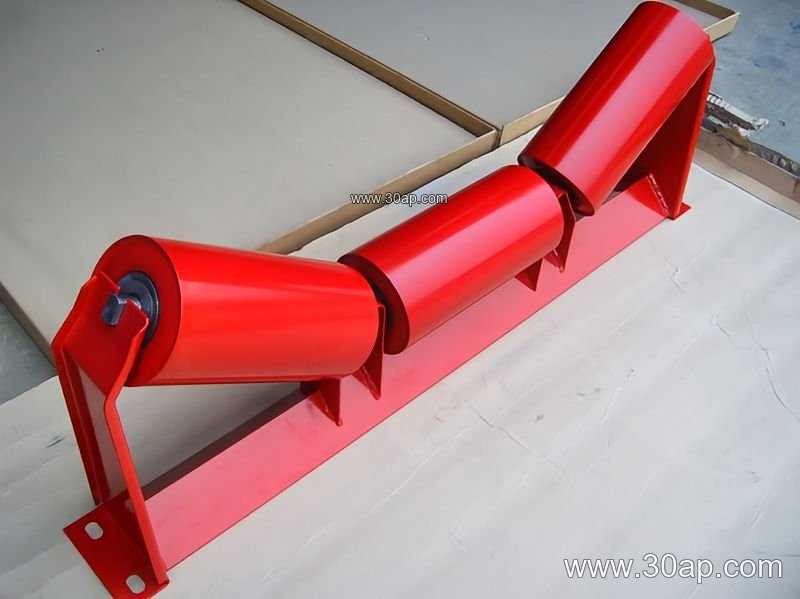
Structural Variations and Technical Parameters
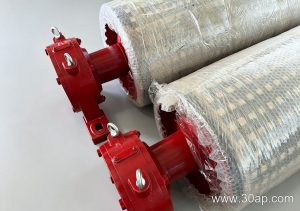
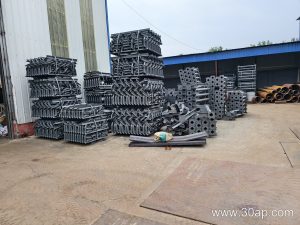
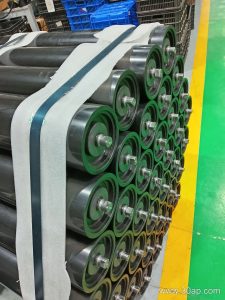
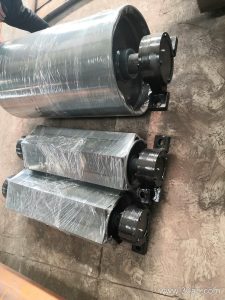
The manufacturing build typically relies on durable structural elements such as heavy-gauge angle steel, structural channel steel, or precision-formed steel plate bending. These materials provide the necessary rigidity to withstand continuous vibration from rotating components like the idler roller and heavy conveyor pulley assemblies.
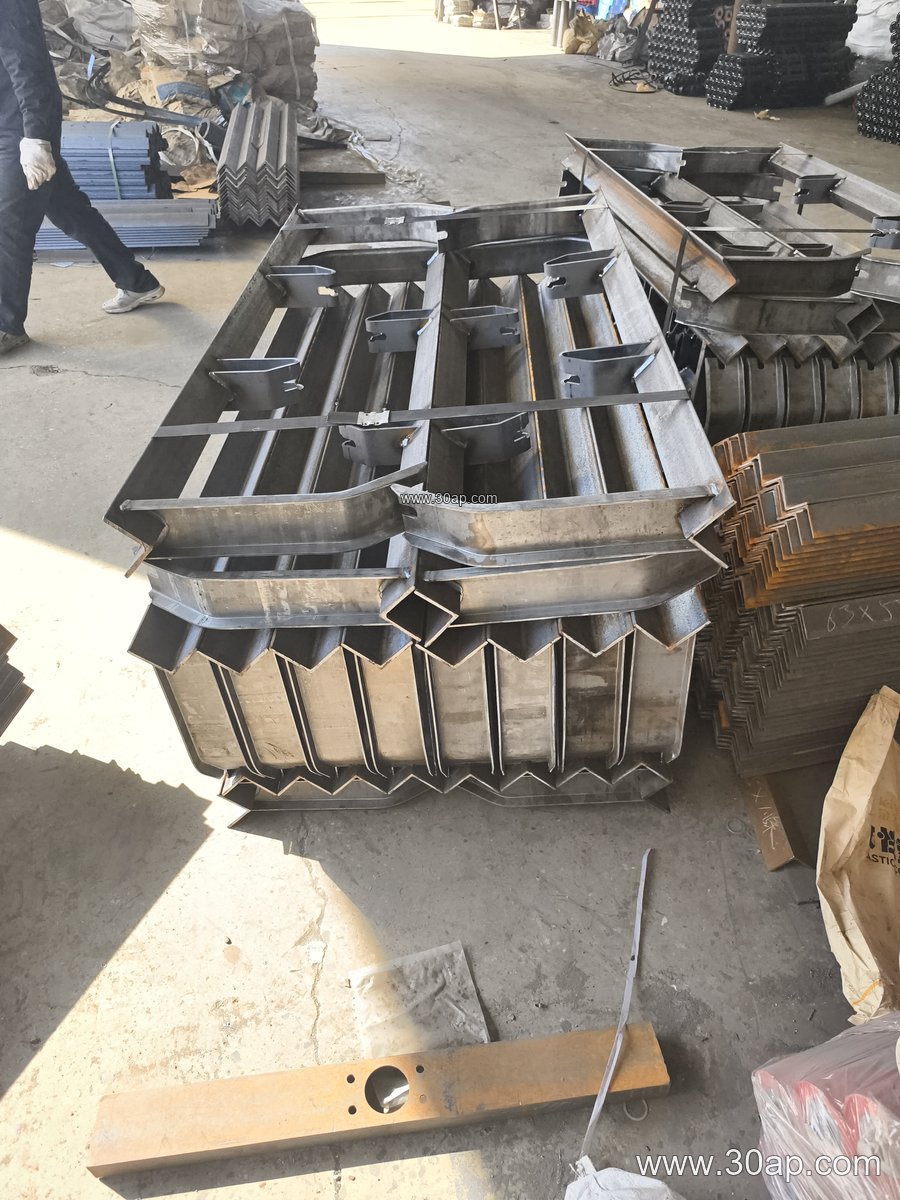
Depending on the specific zone of the material transport line, these assemblies accommodate various belt widths, trough angles, and roll diameters. The table below outlines typical reference parameters commonly referenced during engineering layout and design phases:
| Parameter Category | Common Reference Values |
|---|---|
| Supported Band Widths | B500, B650, B800, B1000, B1200, B1400, B1600, B1800, B2000, B2200 |
| Trough Angle Range | 20 Degrees, 30 Degrees, 35 Degrees, 45 Degrees (Adjustable) |
| Roller Diameters | Ø89, Ø108, Ø133, Ø159, Ø194 |
| Pre-set Tilt Angles | Approximately 1.5 Degrees to 2 Degrees for specific tracking designs |
Engineers often pair these brackets with robust media such as an EP Conveyor Belt or a heavy-duty Steel Cord Conveyor Belt to handle abrasive materials efficiently.
Application in Aggregate Processing and Crushing Plants
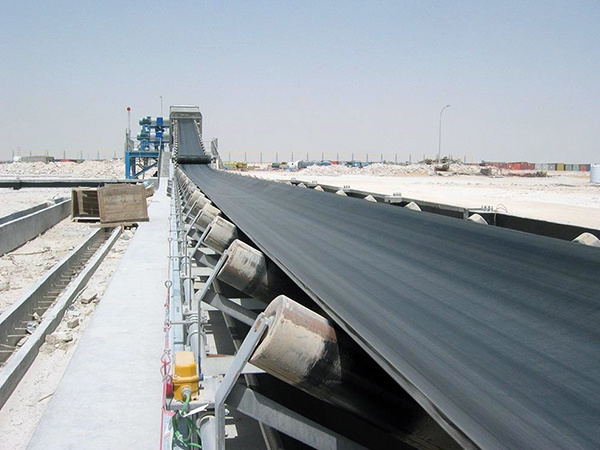
In facilities like a busy aggregate processing plant, material feed rates fluctuate constantly, placing immense stress on the entire transport infrastructure. An Adjustable Conveyor Bracket is frequently installed near loading zones and transition sections where impact resistance and alignment precision matter most. For instance, maintaining proper alignment on a dedicated Crusher Conveyor Belt prevents spillage and reduces localized friction against the moving carcass.
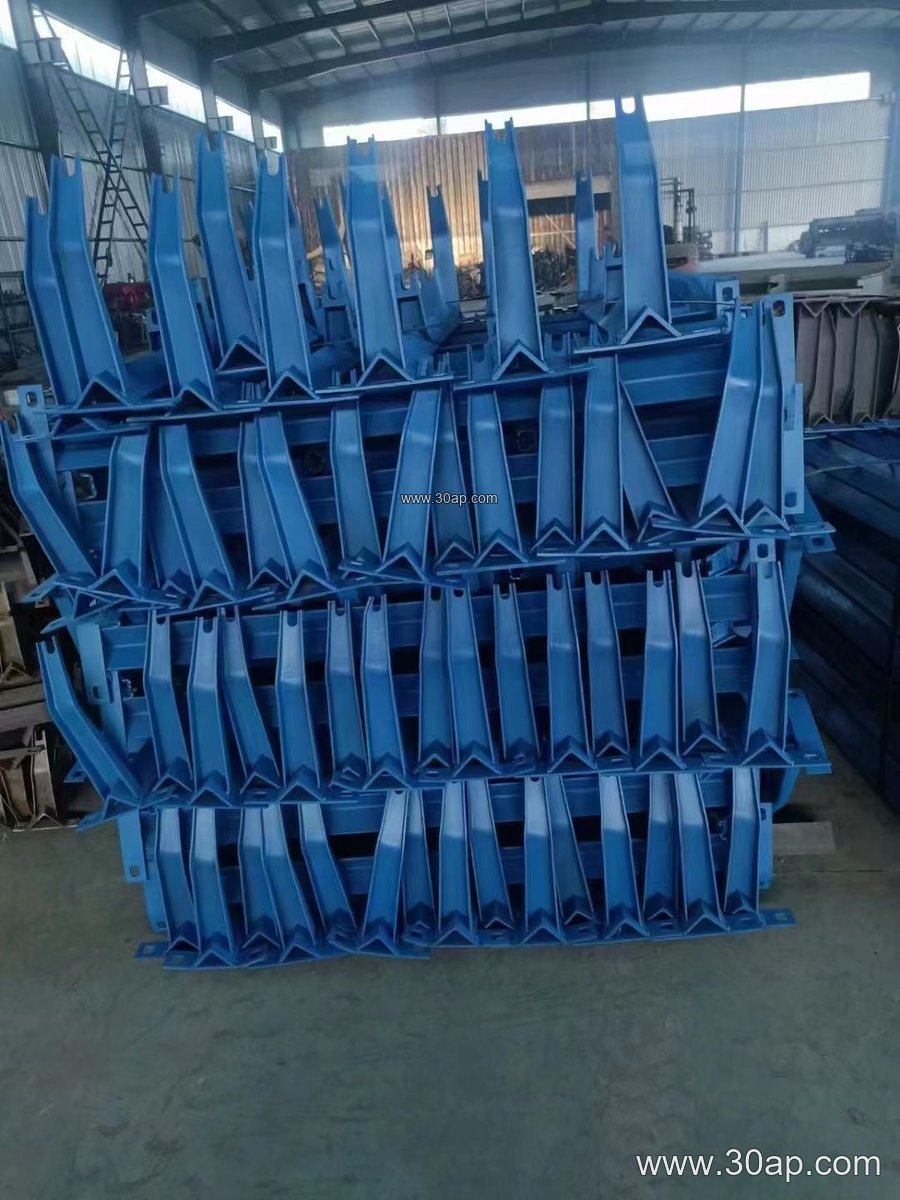
- Provides multi-directional adjustment capabilities for real-time tracking correction.
- Accommodates standard trough transitions to reduce stress on high-tension fabric or steel cord structures.
- Supports smooth material flow when integrated with standard conveyor belt systems.
- Minimizes downtime during routine alignment checks in harsh processing environments.
Selection and Installation Guidelines for Plant Operators
Selecting the correct support hardware requires a careful balance of load capacity, belt speed, and environmental exposure. While a standard fixed bracket works well in uniform, steady-state environments, variable operations benefit immensely from the adaptability of an Adjustable Conveyor Bracket. Designers should ensure that mounting hole distances and crossbeam dimensions match the specific frame layout rather than assuming universal dimensions.
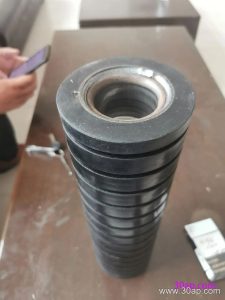
Proper installation ensures that the supporting idler roller units rotate freely without binding against the frame, thereby extending the service life of both the structural hardware and the continuous pulling medium.