Understanding the Return Idler Bracket in Bulk Material Systems
In heavy-duty bulk handling operations such as a bustling cement plant or a continuous aggregate conveyor belt system, stability along the lower run is essential. A Return Idler Bracket serves as the physical anchor for the underside of a conveyor belt, keeping the idler roller precisely aligned as the empty belt travels back toward the tail section. Without a secure conveyor bracket holding everything in place, the belt can drift, leading to excessive wear on the conveyor pulley assemblies and structural misalignment.
Structural Design and Material Selection
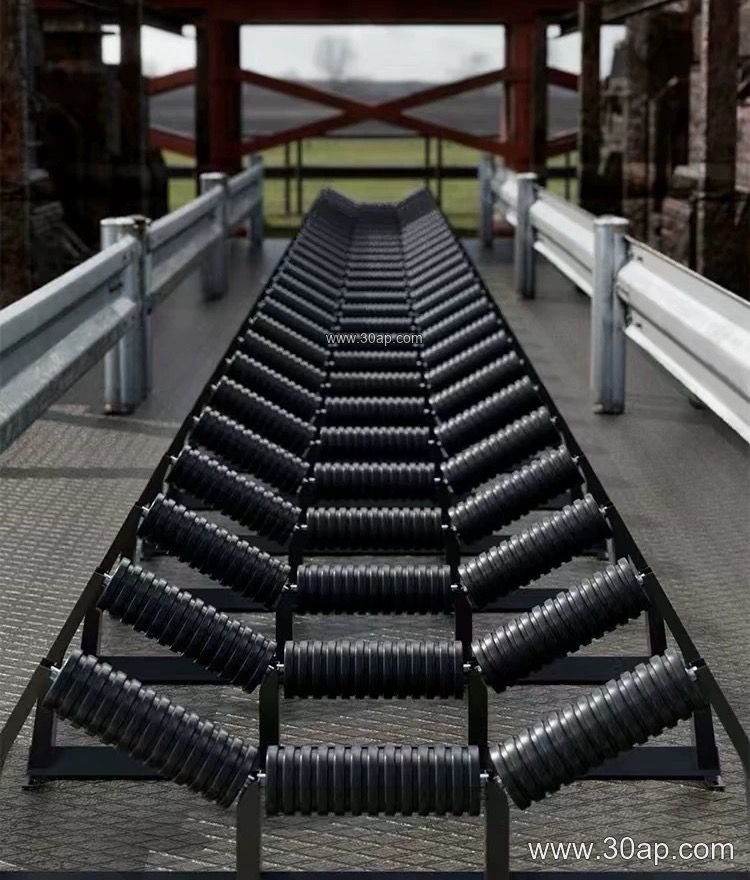
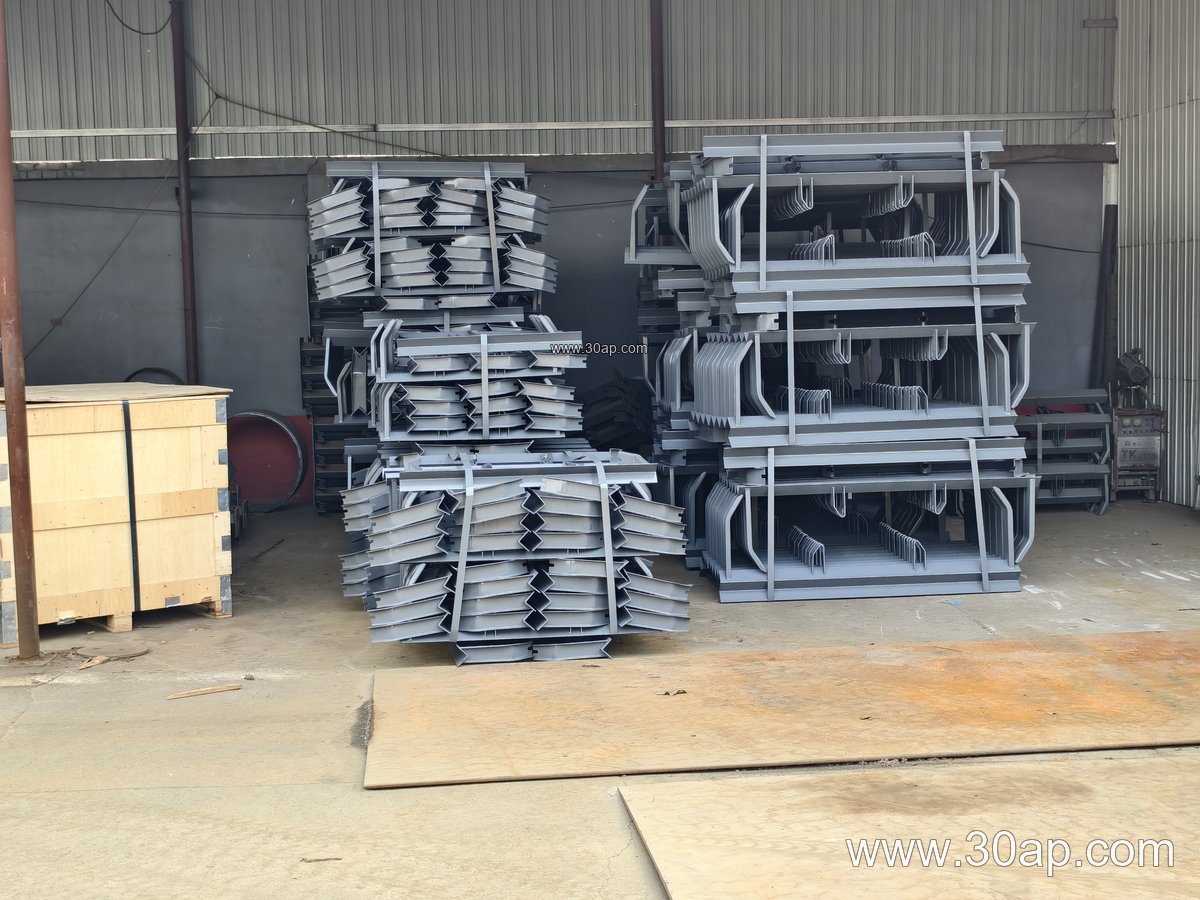
Engineers design these structural supports using durable profiles like heavy-duty angle steel, channel steel, or precision-formed steel plates. The fabrication method ensures the component can withstand continuous vibration and dynamic loads generated by moving heavy-duty conveyor belt lines. Unlike an upper troughing frame, the return configuration must accommodate flat runs or specialized V-shaped configurations depending on the layout of the mining conveyor belt or industrial line.
Matching Dimensions and Configurations
Proper integration requires coordinating structural dimensions with the operating parameters of the specific rubber conveyor belt. Designers typically determine the ideal configuration based on the belt width, frame geometry, and roller dimensions. Below is a reference overview of common parameters utilized during engineering layout and design phases:
| Parameter Category | Common Options and Reference Values |
|---|---|
| Standard Bandwidths | B500, B650, B800, B1000, B1200, B1400, B1600, B1800, B2000, B2200 |
| Roller Diameters | Ø89, Ø108, Ø133, Ø159, Ø194 |
| Structural Materials | Angle steel, channel steel, steel plate bending |
| Application Environment | Quarrying, aggregate processing, mineral transport |
Operational Role in Industrial Plants
In a demanding environment like a busy quarry or stone crushing plant, reliable support components prevent unnecessary downtime. When paired with a tough steel cord conveyor belt, the lower support framework must absorb impacts and maintain consistent spacing. Technicians often inspect these assemblies during routine maintenance to ensure that every conveyor roller rotates smoothly, preventing friction buildup against the running surface of the heavy-duty mining conveyor belt.
Selection and Installation Best Practices
Choosing the correct hardware involves evaluating the overall system load, environmental exposure, and belt velocity. Installation parameters such as bolt hole spacing and crossbeam length are established by site engineering designs to fit the specific abrasion resistant conveyor belt framework. Ensuring proper installation geometry protects both the rotating components and the supporting steel structure from premature fatigue.