Understanding the Ceramic-Lined Pulley Design
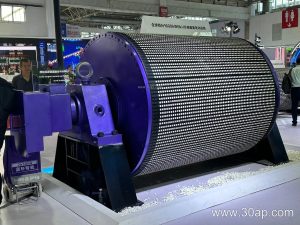
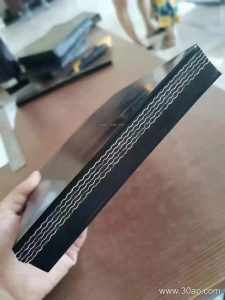
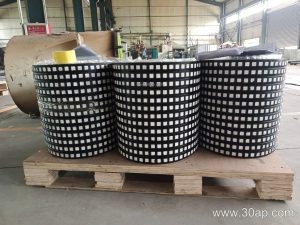
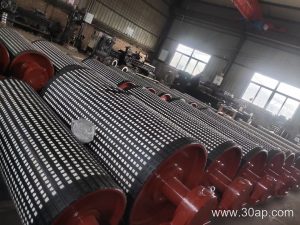
In high-abrasion limestone quarries and heavy aggregate processing facilities, maintaining reliable traction under severe loads presents an ongoing challenge. A ceramic-lined pulley integrates high-alumina ceramic tiles embedded within a durable rubber matrix across its steel shell surface. This specialized lagging delivers exceptional friction coefficients, particularly when interacting with a heavy-duty Steel Cord Conveyor Belt handling sharp, dense rock fragments. Unlike traditional plain steel or standard rubber-lagged options, the embedded ceramic elements resist slippage in wet or muddy operating conditions, protecting the internal steel structure from premature wear.
Surface Options and Structural Dimensions
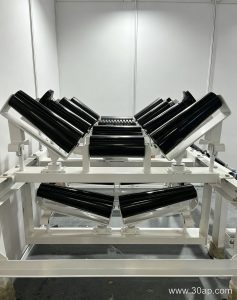
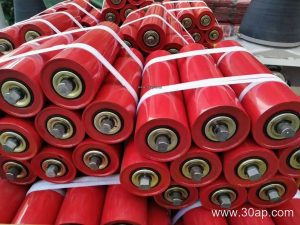
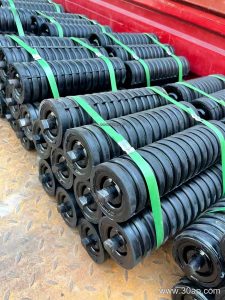
Selecting the correct shell configuration requires careful evaluation of belt tensions, environmental moisture, and torque requirements. The ceramic lagging thickness typically ranges from 8 mm to 20 mm, tailored to withstand intense impact forces near primary crushers. Standard shell dimensions are engineered to accommodate various framework layouts, working alongside support components such as the idler roller and mounting brackets without interference.
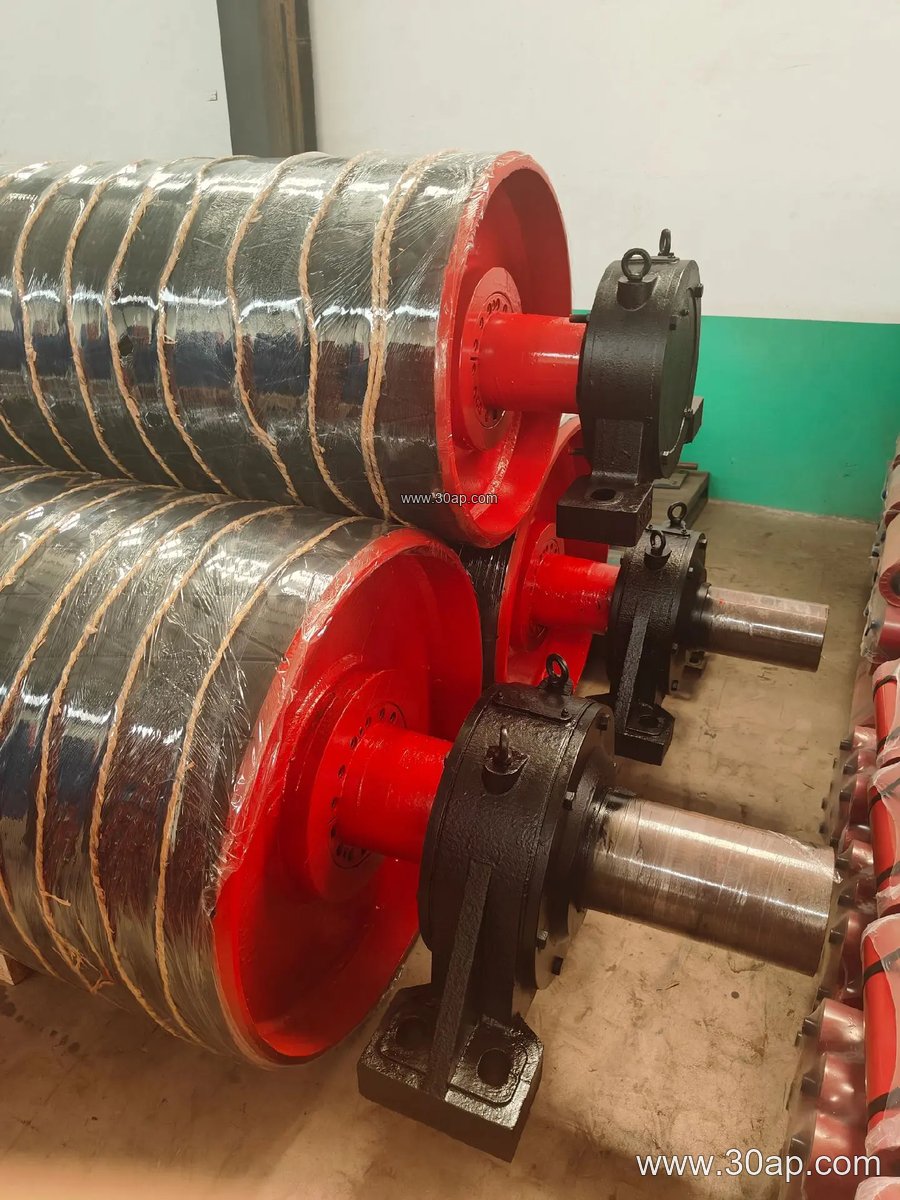
The relationship between belt width and shell diameter depends on operational stress rather than fixed geometric rules. Typical configurations utilized in demanding quarry systems include:
- B800 band width matched with an Ø500 mm shell
- B1200 band width matched with an Ø1000 mm shell
- B1400 band width matched with an Ø800 mm shell
To ensure proper tracking and edge clearance, the overall cylinder width generally exceeds the belt specification. For instance, a B650 installation typically features a shell width around 750 mm, while a B1000 setup extends to approximately 1150 mm. Shaft diameters, ranging from Ø90 mm up to Ø200 mm, are determined strictly through comprehensive load and torque calculations rather than derived solely from the belt width.
Operational Placement and Material Interaction
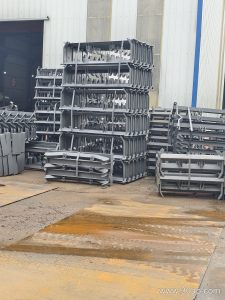
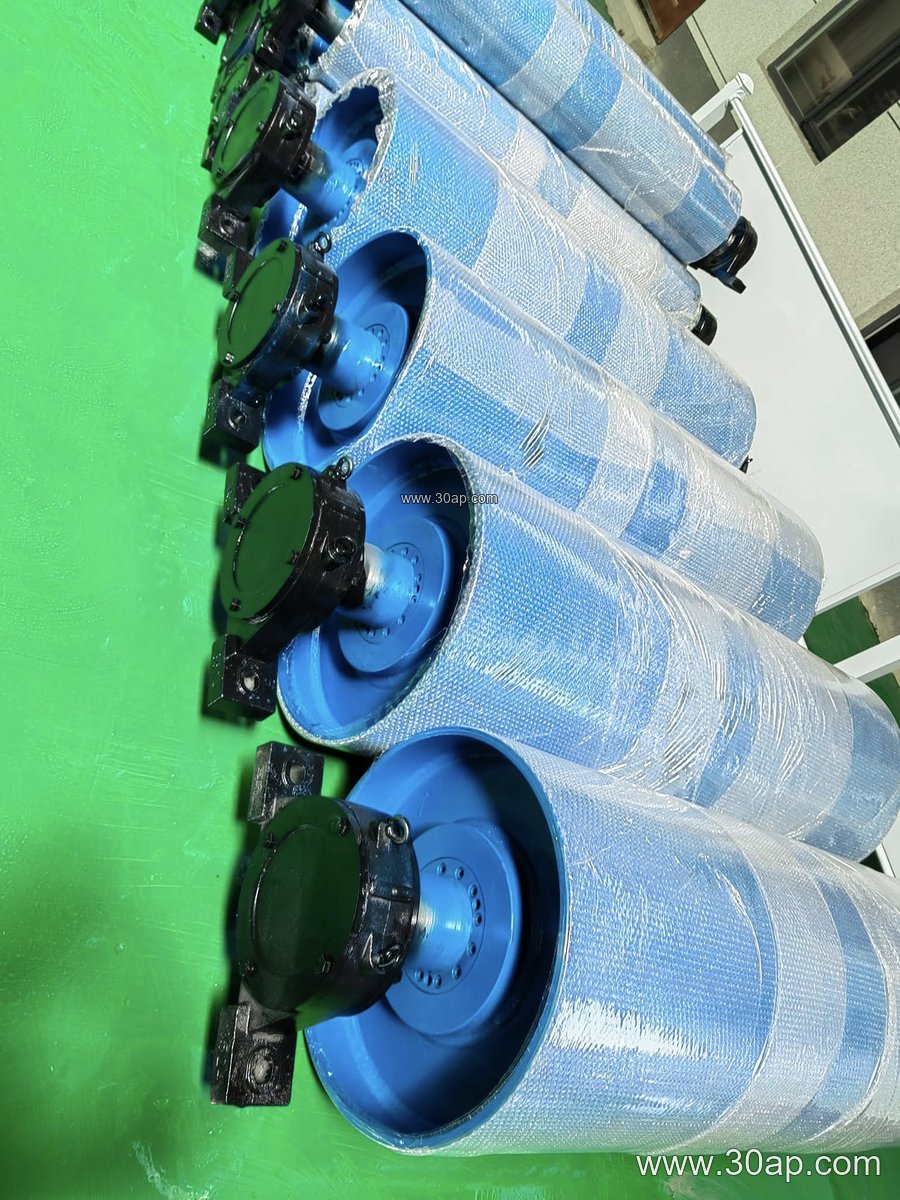
Positioning this high-friction component correctly within the conveyor layout optimizes power transmission. When deployed as a primary drive drum, the ceramic surface prevents slippage under high-torque starting loads, ensuring smooth momentum transfer to a tough Abrasion Resistant Conveyor Belt moving abrasive stone. Proper alignment with the surrounding conveyor bracket assemblies and carrying frames prevents uneven edge wear, ensuring long-term mechanical stability across the entire material handling circuit.
Inspection and Maintenance Best Practices
Routine examination of the ceramic lagging prevents unexpected downtime in continuous processing plants. Maintenance personnel should regularly inspect the tile matrix for missing segments, impact cracking, or adhesive degradation caused by heavy shock loads. Keeping the cylinder clean from material buildup maintains optimal friction against the moving carcass, preserving overall system efficiency and extending the service life of both the lagging and the mechanical drive components.