Introduction to Conveyor Idler Frame Engineering
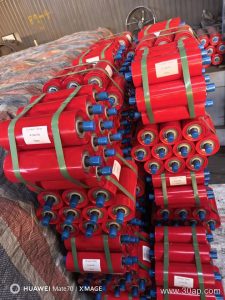
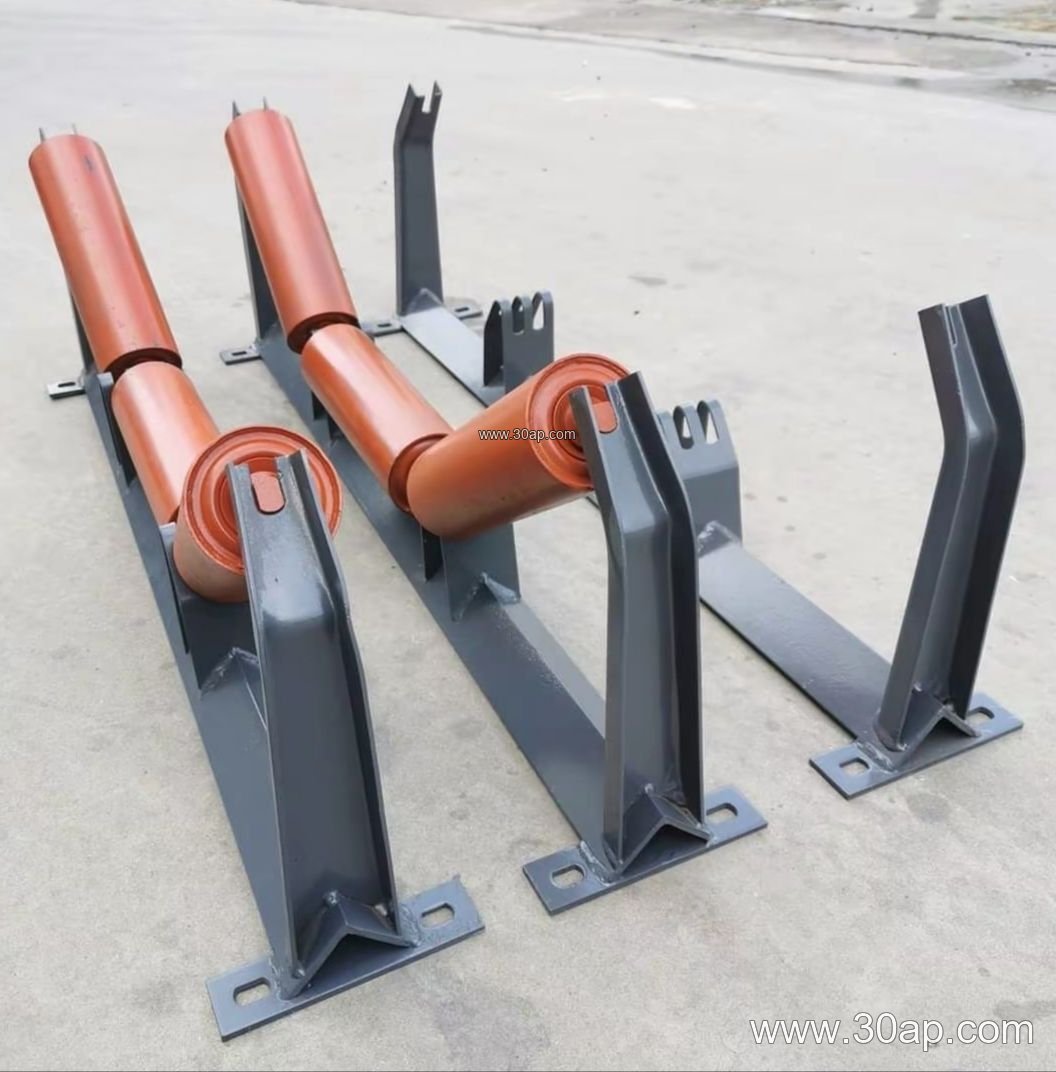
In heavy-duty material handling operations such as a bustling Quarry Conveyor Belt line or a high-capacity Cement Plant Conveyor Belt system, the structural foundation of the rolling assembly plays a critical role. A well-designed Conveyor Idler Frame provides the necessary rigidity and precise geometry to support the rotating idler roller units under immense loads. Unlike a conveyor pulley or a terminal conveyor bracket, the idler frame must distribute continuous dynamic forces evenly across the stringer structure, ensuring smooth, uninterrupted transport of abrasive materials.
Trough Angle Selection and Structural Variations
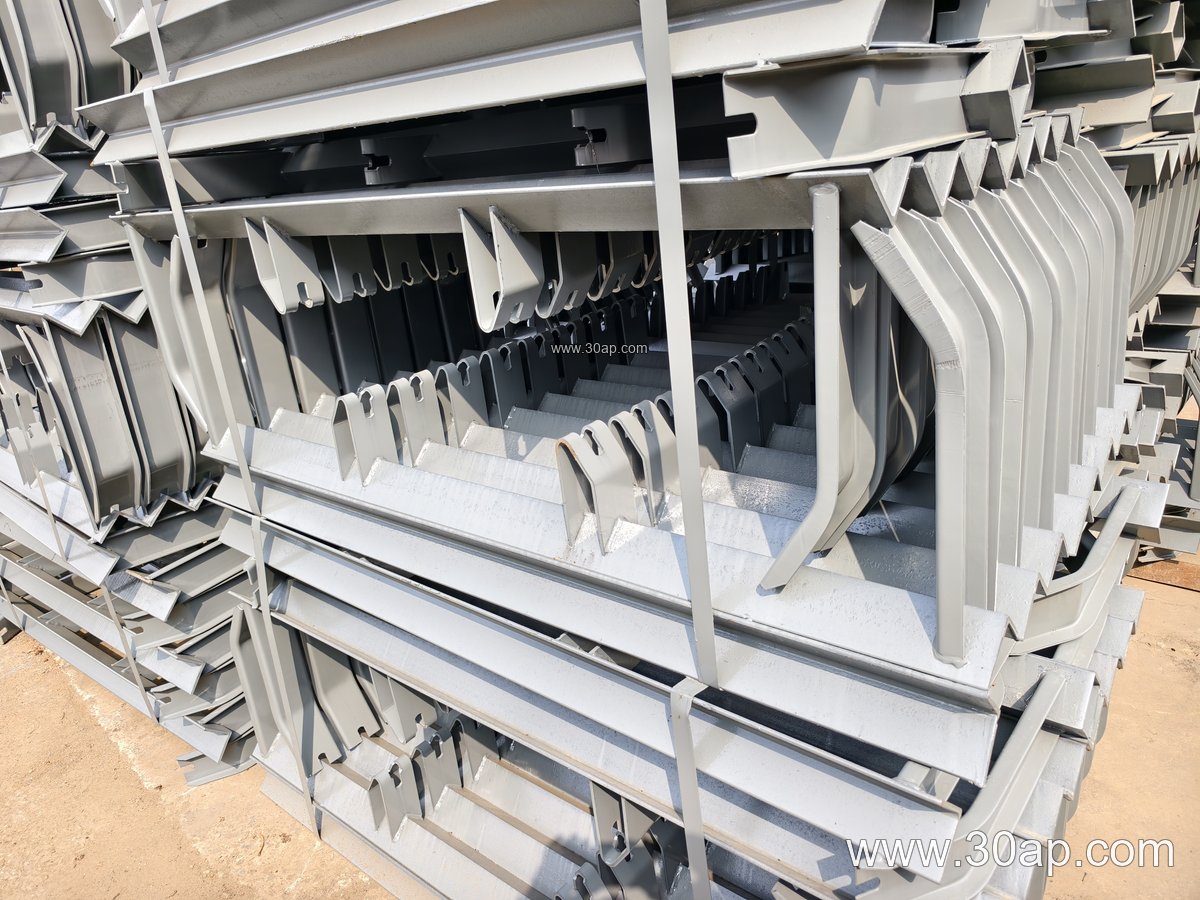
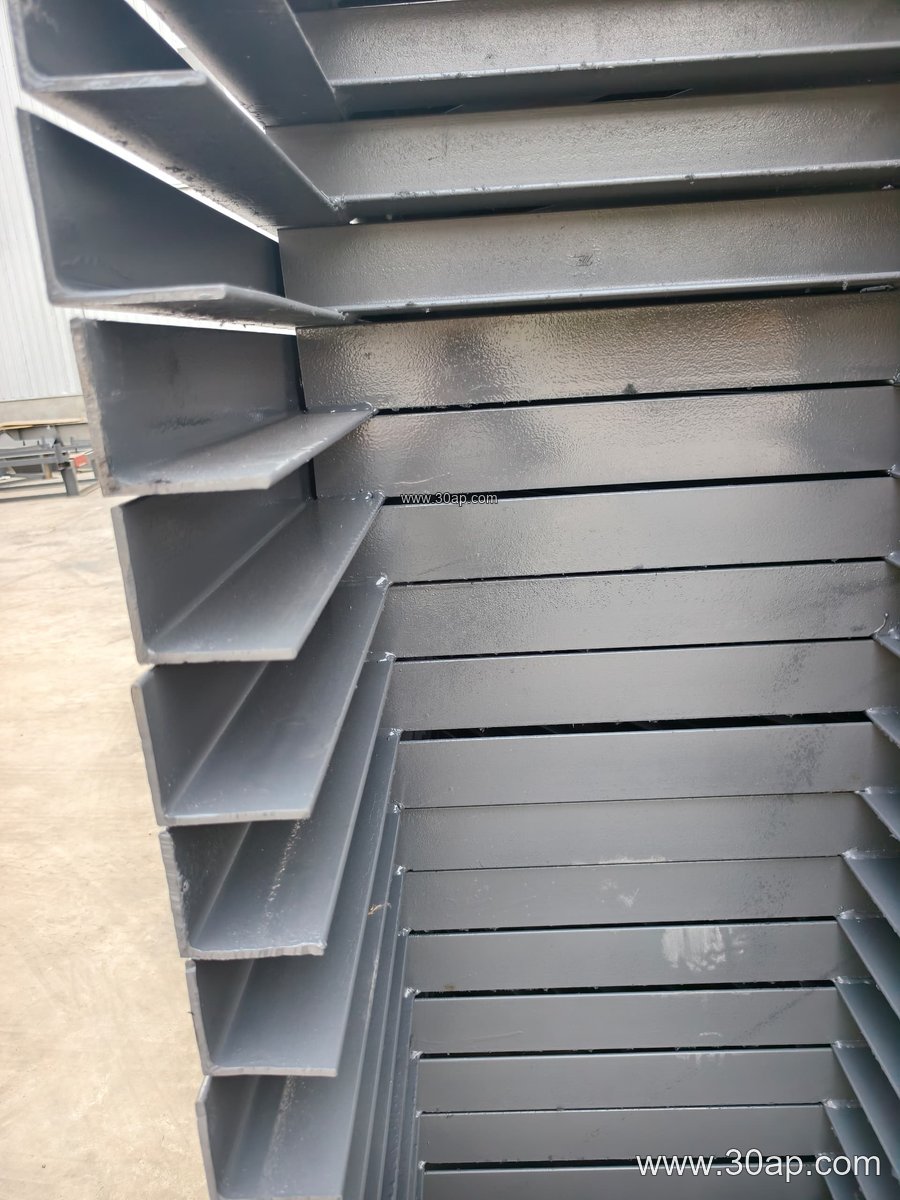
Optimizing the material cross-section on a Heavy-Duty Conveyor Belt relies heavily on the correct choice of trough angle and frame configuration. Engineers evaluate operational requirements to select between fixed designs and versatile adjustable assemblies. The structural components are typically fabricated from heavy-gauge angle iron, robust channel steel, or precision-formed steel plates to resist bending and torsional stress.
Below is a reference guide illustrating common configuration parameters used in industrial layout planning:
| Frame Type | Compatible Belt Width (B) | Trough Angle Options | Typical Roller Diameter (Ø) |
|---|---|---|---|
| Upper Troughing Frame | B800, B1000, B1200 | 30 deg, 35 deg, 45 deg | Ø108, Ø133, Ø159 |
| Transition Frame | B1000, B1400, B1600 | 20 deg to 35 deg adjustable | Ø133, Ø159 |
| V-Type Return Frame | B800, B1200, B1800 | 10 deg, 15 deg V-shape | Ø89, Ø108, Ø133 |
| Impact Troughing Frame | B650, B800, B1000 | 35 deg, 45 deg | Ø108, Ø159, Ø194 |
Operational Adaptability in Industrial Environments
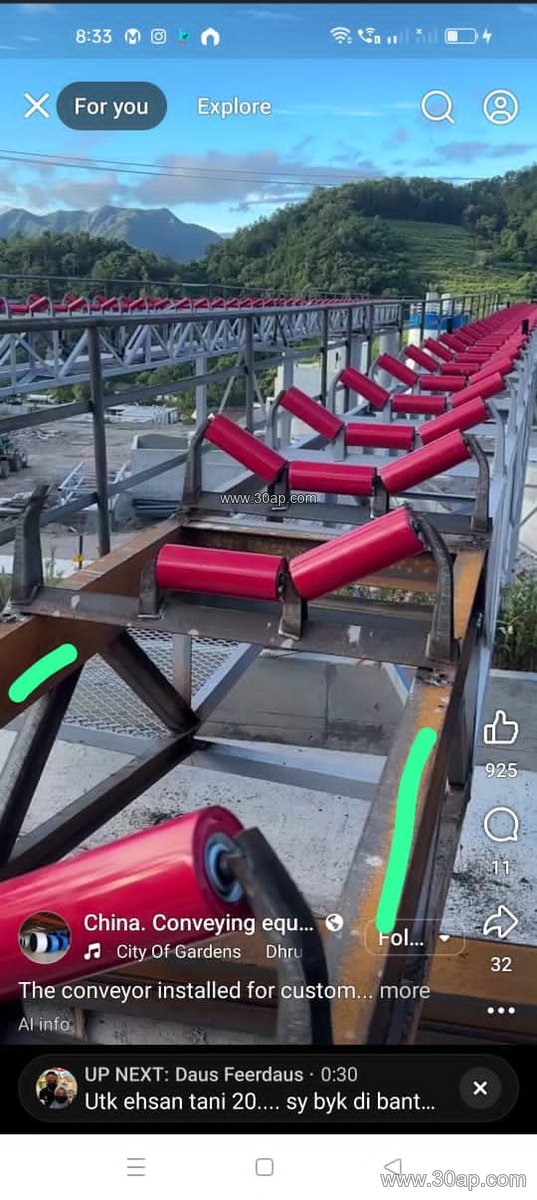
Selecting the appropriate geometry depends heavily on the specific material profile and plant layout. For instance, an Aggregate Conveyor Belt handling sharp, dense rock requires impact-absorbing arrangements to protect the belt carcass from localized damage at loading points. Meanwhile, standard troughed variants maintain consistent volumetric capacity along inclined and horizontal runs. The interaction between the conveyor belt and the supporting steel geometry ensures minimal friction, lower power consumption, and extended component longevity across demanding industrial facilities.