What a High Wear-Resistant Ceramic Pulley Is
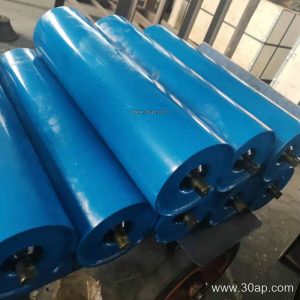
A high wear-resistant ceramic pulley is a conveyor pulley whose shell is fitted with ceramic tiles, usually bonded into a rubber or epoxy backing, to give the belt contact surface a hard, long-wearing grip. It is an accurate alternative name for the same product: a ceramic-lagged conveyor pulley. The ceramic layer is a lagging choice, not a separate machine, and it sits on a drive, tail, bend or tension pulley shell according to where the duty falls. In a quarry, a cement plant or an iron ore transfer house, the pulley that suffers most is often the one where abrasive fines and moisture meet the belt under load.
How the Ceramic Surface Is Built
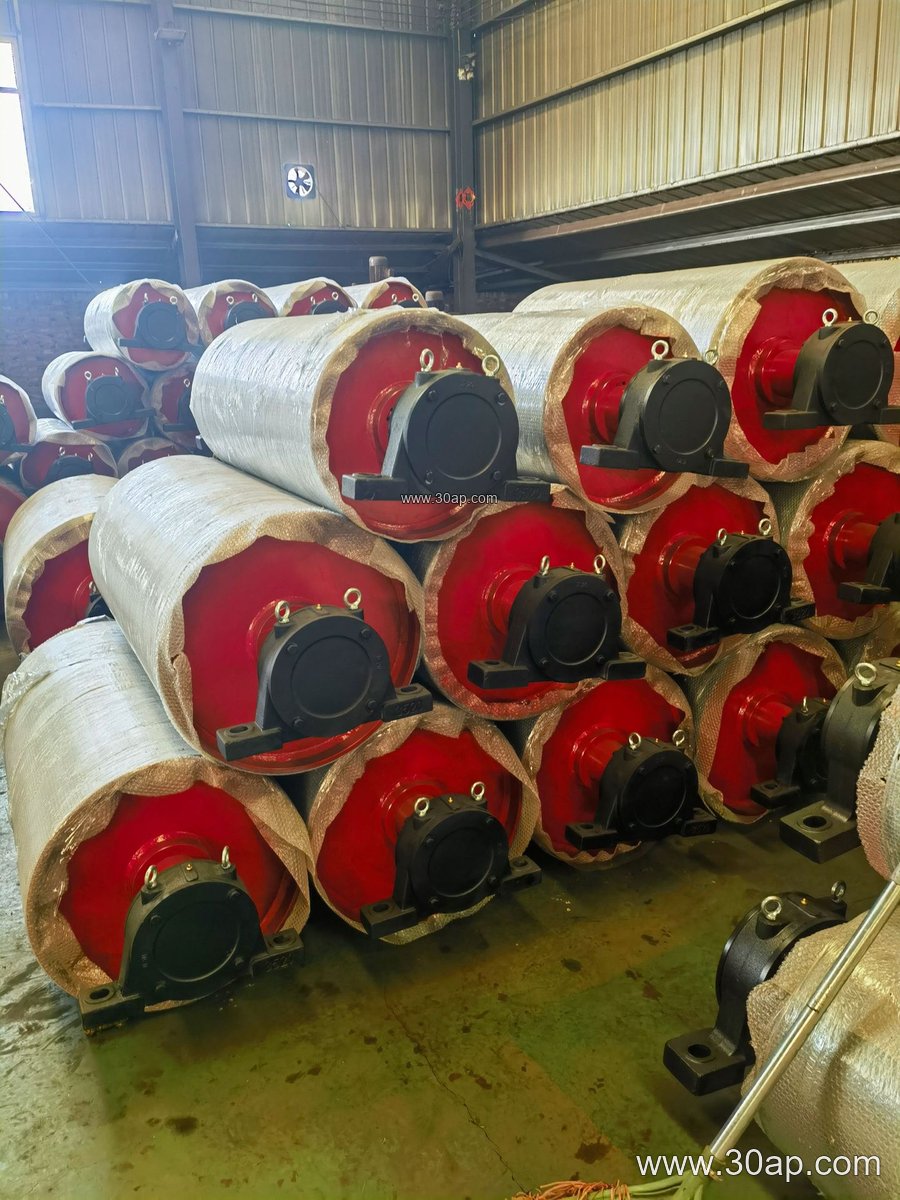
The base is a steel shell with end discs and a shaft, machined for concentricity. Lagging is applied in one of two common ways: ceramic tiles set in a rubber sheet that is bonded to the shell, or ceramic tiles set in a cold-cured epoxy layer. Tiles are typically small blocks with raised pads or a studded pattern, spaced so that water and grit can escape instead of being trapped under the belt.
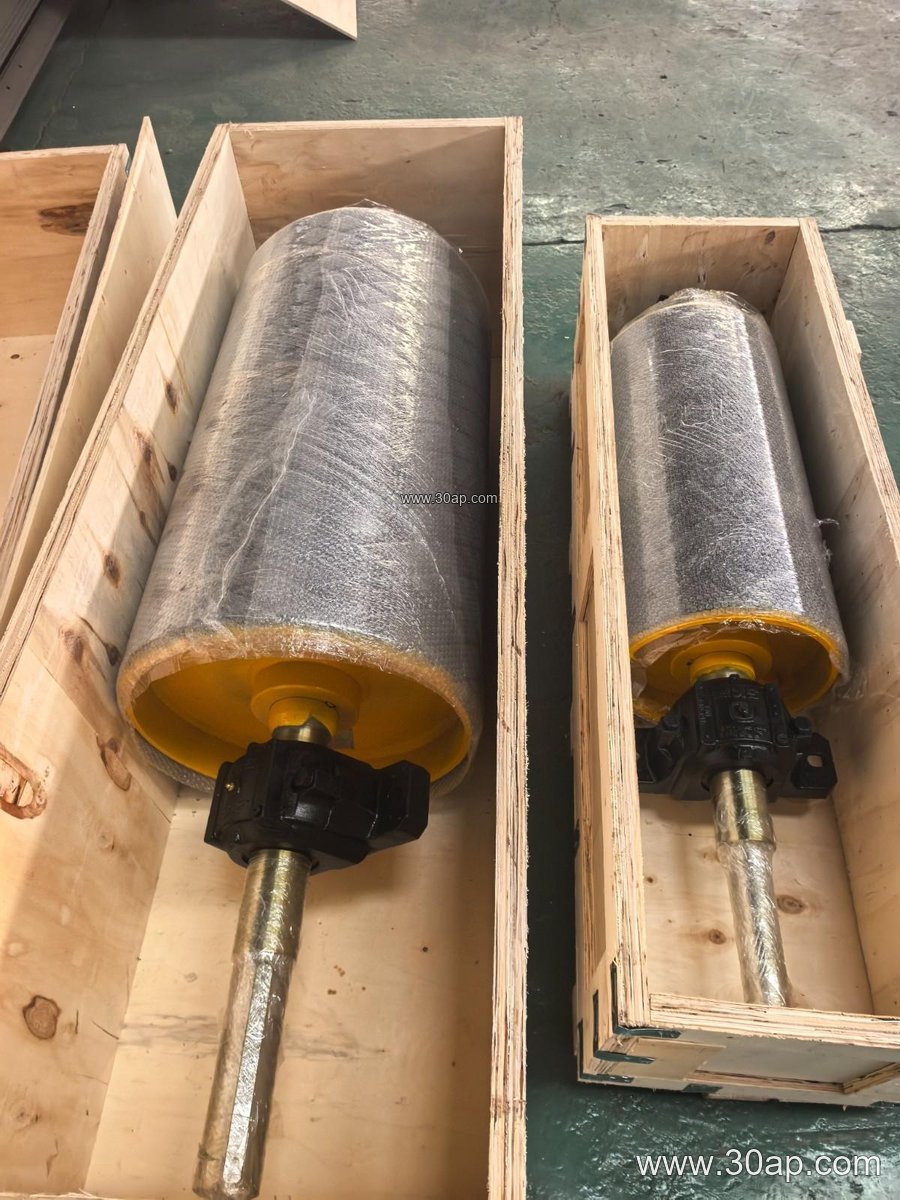
- Tile pattern: plain studded blocks or interlocking shapes, often with chamfered edges
- Backing: rubber, epoxy or a rubber-ceramic composite
- Lagging thickness: commonly 8, 10, 12, 15 or 20 mm depending on tile size
- Shell surface: plain face, or grooved and prepared for bonding
Because the ceramic is harder than rubber, it resists grooving and polishing. The trade-off is that the surface is less forgiving on very thin belts, so the belt grade and tension matter as much as the pulley itself.
Where the Duty Falls
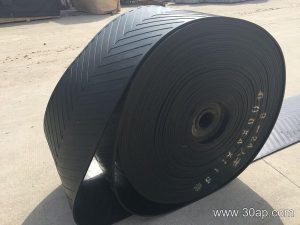
The strongest case for this lagging is on the drive pulley of a conveyor handling abrasive bulk material. A high abrasion resistant conveyor belt running over a smooth steel shell can slip when the surface is wet; a ceramic face keeps friction more stable. In a coal preparation plant or a power plant coal yard, the same pulley may see fines, wash water and freeze-thaw cycles, and the ceramic surface does not soften the way rubber can.
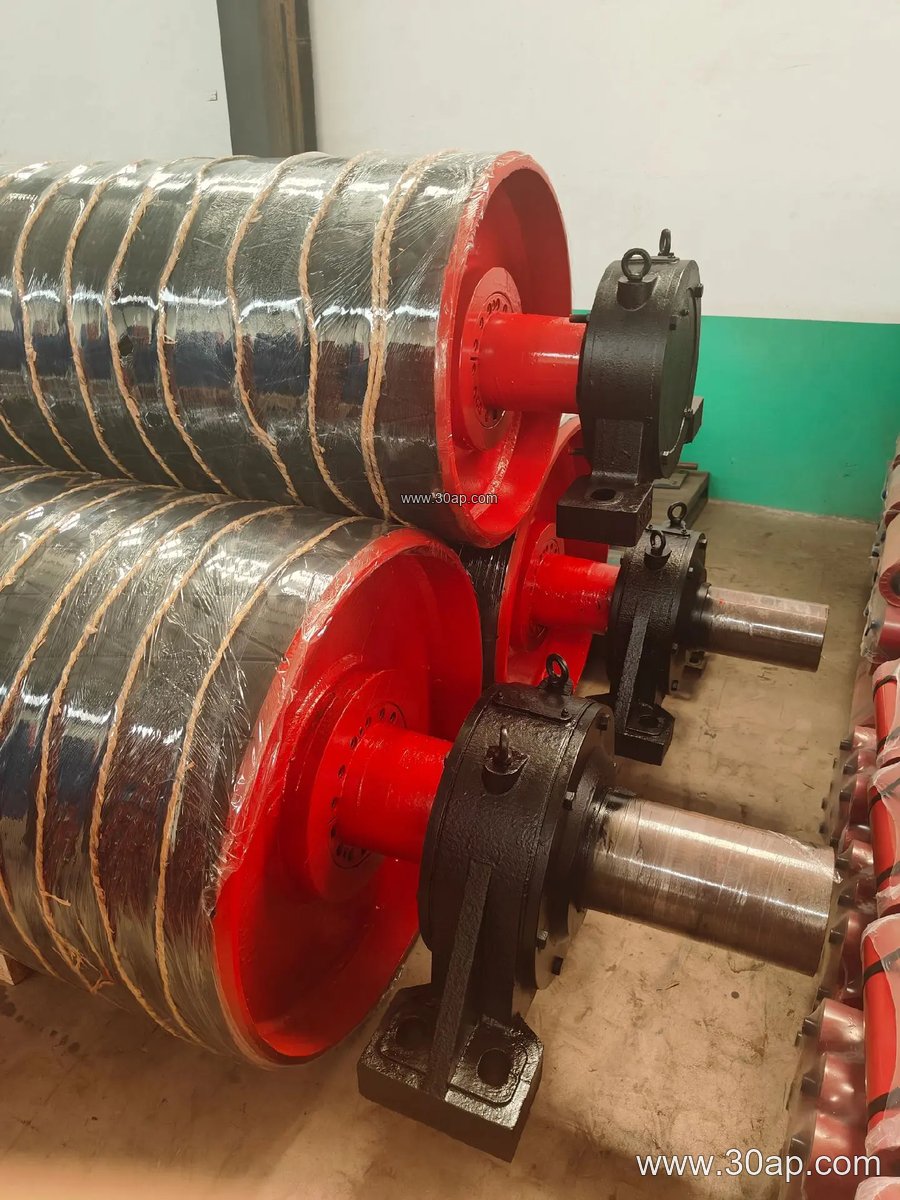
On a long overland line, a bend pulley or tension pulley with ceramic lagging helps control belt drift where the wrap angle is small. A tail pulley is usually better left with plain or rubber lagging, because the tail sees the dirty side of the belt and the ceramic can act as a scraper on a damaged carcass. This is a comparison, not a rule: the final choice follows the belt, the load and the wrap.
Sizing and Selection Notes
Diameter and face width follow the belt width and the required wrap angle; there is no fixed one-to-one match. Common face widths run slightly wider than the belt, for example a B800 belt with a roughly 950 mm face, or a B1200 belt with about 1400 mm. Diameters commonly range from Ø200 to Ø1800, and shaft diameters are set by torque and bearing load, not by belt width alone. The table below shows typical reference combinations only.
| Belt width | Typical pulley face | Reference diameter | Typical lagging |
|---|---|---|---|
| B650 | about 750 mm | Ø400 to Ø630 | 10 to 15 mm ceramic |
| B800 | about 950 mm | Ø500 to Ø800 | 12 to 15 mm ceramic |
| B1000 | about 1150 mm | Ø630 to Ø1000 | 15 mm ceramic |
| B1200 | about 1400 mm | Ø800 to Ø1250 | 15 to 20 mm ceramic |
| B1400 | about 1600 mm | Ø1000 to Ø1400 | 15 to 20 mm ceramic |
When specifying, give the belt type as well. A steel cord conveyor belt and a multi-ply fabric core belt behave differently on the same shell, and a heavy-duty mining conveyor belt may need a larger shaft and heavier bearings. A flame retardant conveyor belt used underground brings its own requirements for the lagging compound. State the belt speed, the drive power, the wrap angle and the material being carried.
Buyer Checklist and Maintenance
- Confirm the pulley position: drive, tail, bend or tension, and the wrap angle
- Match lagging thickness to belt thickness and the size of the abrasive
- Check that the ceramic tile pattern suits wet or dry conditions
- Ask for the shaft diameter calculation basis, not just a number
- Keep the belt cleaner and the pulley face free of buildup
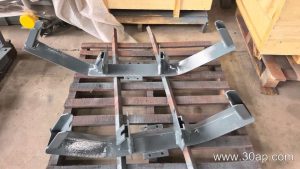
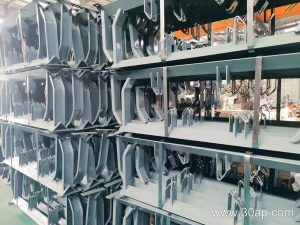
Inspect the tile edges at each shutdown. A chipped tile can start a wear track on the belt, so replace damaged sections early. Pair the pulley with well-aligned idler rollers and firm conveyor brackets to avoid edge loading. For abrasive ore or clinker duty, a ceramic-lagged drive pulley usually earns its place; for a light-duty line running a food grade conveyor belt, a rubber face is often the simpler answer.
Related equipment choices, such as an EP conveyor belt or an abrasion resistant conveyor belt, should be reviewed together with the pulley specification so the whole conveyor works as one system.