What a conveyor bracket is and why its price varies
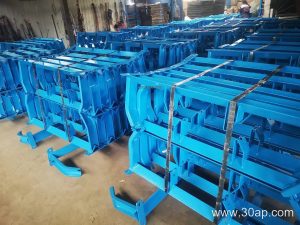
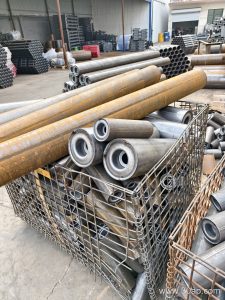
A conveyor bracket is the steel support that holds idler rollers in the correct position under or over the belt. Buyers often search for a conveyor bracket price and expect one number, but the cost depends on the bracket type, the belt width it serves, the roller diameter it accepts, the steel section used, and the surface treatment. In a quarry, a cement plant, or a coal handling line, the same frame concept may be built from angle steel, channel steel, or folded plate, and that choice alone shifts the quotation.
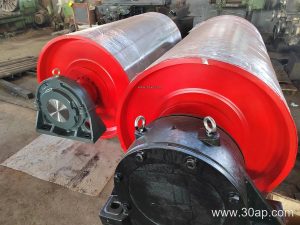
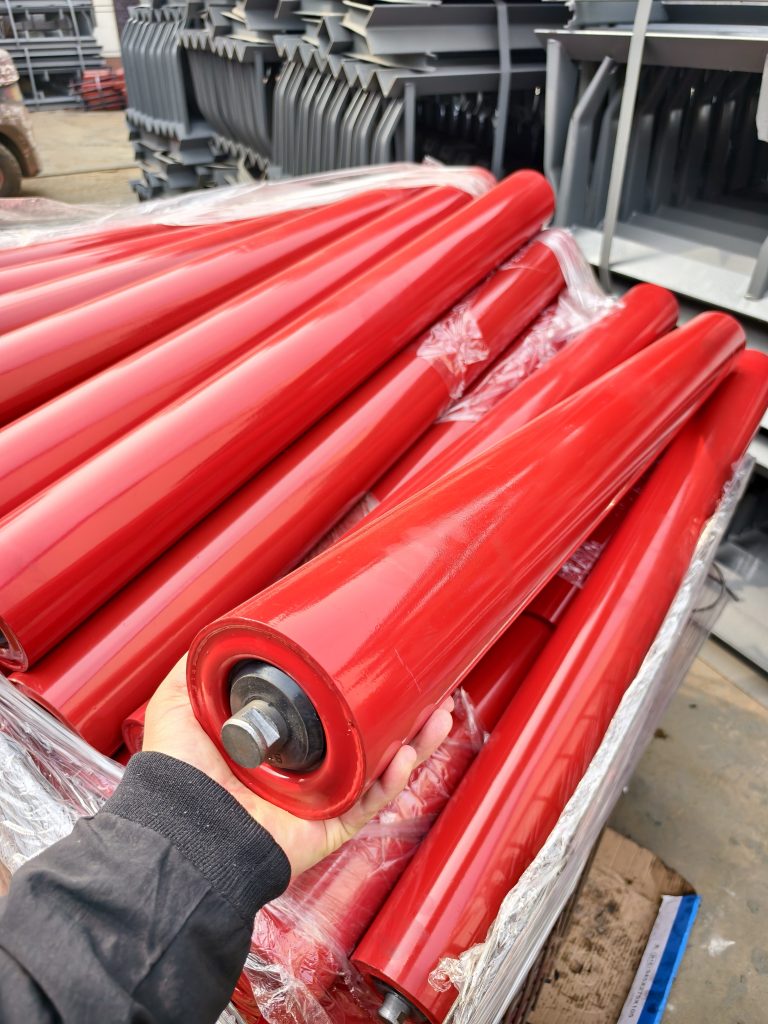
The bracket is not a standalone item. It works with the conveyor belt, the idler roller, and the conveyor pulley to keep the belt tracking correctly. A cheap bracket that flexes under load will wear rollers faster and disturb belt alignment, so price should be read together with stiffness and fit.
Common bracket types and how they affect cost
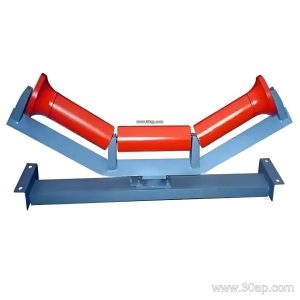
Troughing brackets, transition brackets, return brackets, V-return brackets, impact brackets, and self-aligning brackets are all part of the same family, but they are not interchangeable. A troughing bracket carries three rollers at a set trough angle; a return bracket carries one flat roller; a V-return bracket uses two rollers in a V shape. Each design uses different steel lengths, bends, and mounting holes, so each has its own price band.
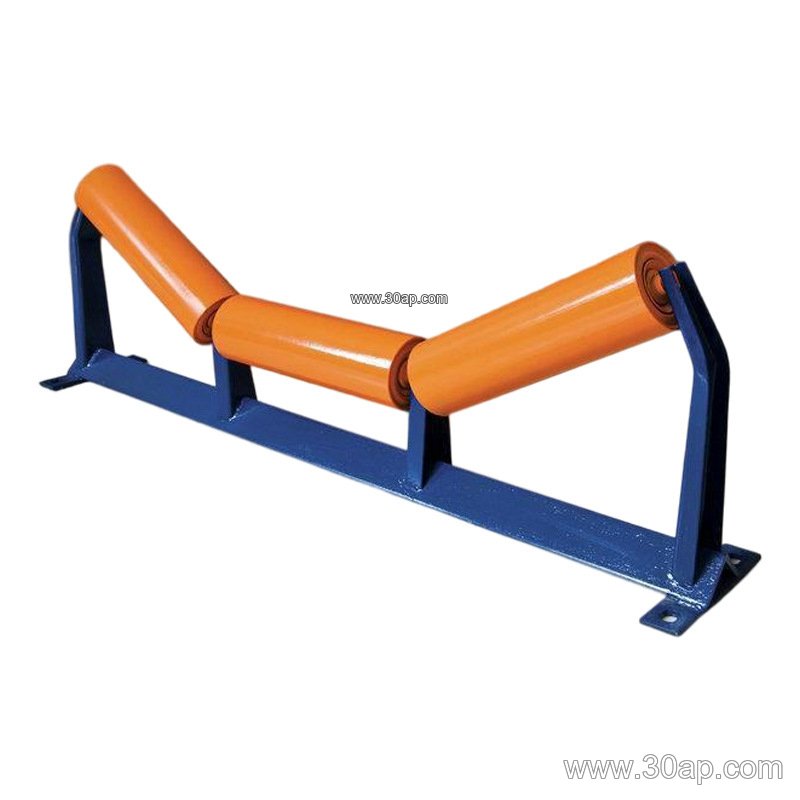
- Troughing and upper trough brackets: three-roller support, usually the most common item on a long conveyor.
- Transition brackets: placed near pulleys to ease the belt from flat to troughed.
- Return and V-return brackets: support the empty side of the belt.
- Impact brackets: heavier build under loading points in crusher and screen lines.
- Self-aligning and forward-leaning brackets: help tracking on long or misaligned runs.
Adjustable brackets cost more than fixed ones because of extra slots and hardware, but they let a plant change trough angle without replacing the frame. Fixed brackets are simpler and often cheaper per unit.
Parameters that move the quotation
Belt width and roller diameter are the first data a supplier needs. A bracket for B650 with Ø89 rollers is a different fabrication from one for B1400 with Ø159 rollers, and the mounting hole spacing and crossbeam length change with belt width and trough angle. Typical combinations are written as B800, 35 degrees, Ø108 or B1200, 45 degrees, Ø133, but no single belt width is tied to one trough angle or one roller diameter.
| Parameter | Common reference values |
|---|---|
| Belt width | B500, B650, B800, B1000, B1200, B1400, B1600, B1800, B2000, B2200 |
| Trough angle | 20, 30, 35, 45 degrees; adjustable frames can move between these |
| Roller diameter | Ø89, Ø108, Ø133, Ø159, Ø194 |
| Material | Angle steel, channel steel, folded steel plate |
| Forward lean | About 1.5 to 2 degrees on forward-leaning designs |
These are reference values, not fixed supply promises. Hole spacing and beam length are confirmed by design for each project. Surface treatment, such as painting or galvanizing, also changes the conveyor bracket price, especially for outdoor installations at a port or power plant coal yard.
Where the price is felt in real plants
In a limestone mine or a stone crushing line, impact brackets under the crusher discharge are usually built heavier and cost more than standard troughing frames. In a cement plant or a power plant coal handling system, dust and moisture push buyers toward galvanized or well-painted brackets, which adds cost but reduces replacement frequency. The bracket also has to suit the belt in use: a heavy-duty mining conveyor belt or a flame retardant conveyor belt for underground coal mining may require a stiffer frame and closer roller spacing.
Matching the bracket to the roller and the belt saves money over time. A bracket that fits the idler roller correctly reduces vibration, and a stable frame helps the conveyor pulley keep the belt centred.
Buying checklist before comparing prices
- State the belt width, trough angle, and roller diameter, for example B1000, 35 degrees, Ø133.
- Say whether the bracket is fixed or adjustable.
- Identify the position: carrying side, return side, transition, or impact zone.
- Confirm the steel section and surface finish required.
- Ask for the mounting hole spacing and crossbeam length rather than assuming them.
When requesting a conveyor bracket price, give the full duty: an EP conveyor belt line in a sand plant and a steel cord conveyor belt line in an iron ore mine may look similar on paper but need different frame stiffness. Clear data at the enquiry stage keeps the quotation accurate and avoids later rework.