What a Cold Resistant Conveyor Belt Is
A cold resistant conveyor belt is a rubber conveyor belt engineered to stay flexible and crack-free when ambient temperatures drop below the range of standard belts. In mines, coal preparation plants, cement works, power stations, ports and aggregate yards in cold regions, a standard belt can stiffen, harden and split at the cover or at the fabric plies. A belt built for low temperature service uses a rubber compound that keeps a lower brittle point, so it can wrap drive pulleys, tail pulleys and bend pulleys without cracking during start-up.
The product is also described as a low temperature conveyor belt or an arctic-grade rubber belt. These names refer to the same item; the working principle is the same, and the difference lies in compound formulation and construction choices.
How the Belt Is Built
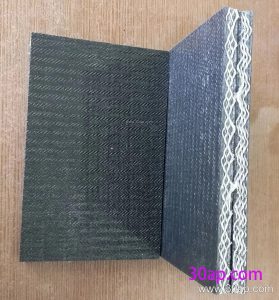
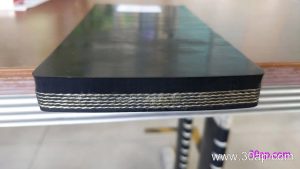
Most cold resistant belts are fabric core constructions. A EP conveyor belt with polyester-nylon carcass is common because it combines low stretch with good troughability, and multi-ply fabric core builds of 2 to 6 plies are typical. A steel cord conveyor belt may be chosen for very long overland lines where high tension is required, but the rubber skim and cover still need low temperature grades. NN carcass belts are also used for general service.
Key construction points for buyers to confirm:
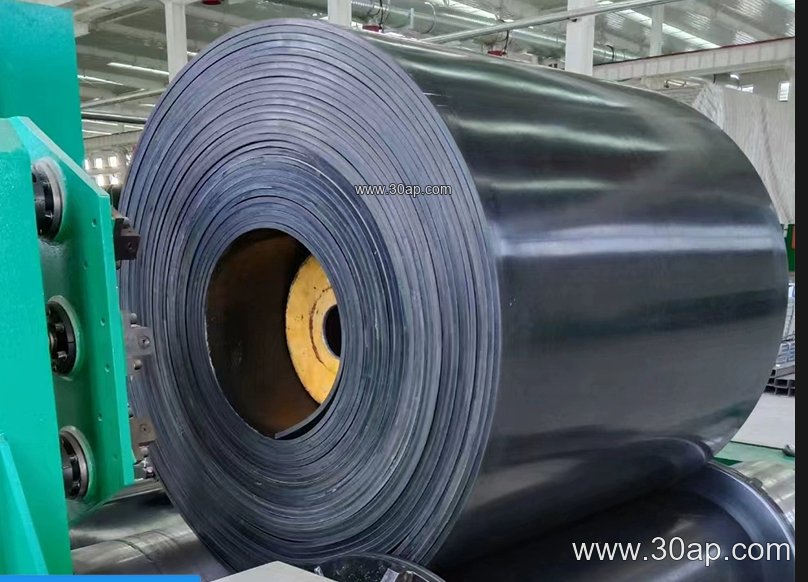
- Cover compound with a low brittle point, usually stated by the supplier as a minimum service temperature.
- Adhesion between cover, skim and carcass that holds at low temperature, since stiff rubber can debond at pulley wrap.
- Cover thickness matched to abrasion duty, for example 4+2 mm or 6+2 mm top and bottom combinations.
- Edge construction that resists cracking when the belt is misaligned against a conveyor pulley or training idler.
Typical Duty and Industry Use
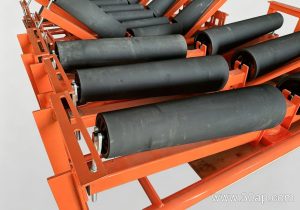
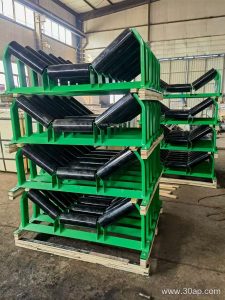
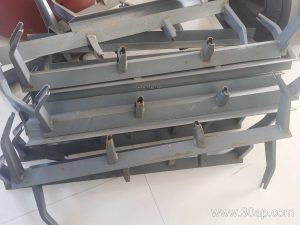
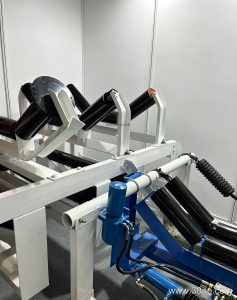
Cold resistant belts appear in iron ore and copper ore handling, coal mining conveyor lines, quarry and aggregate plants, cement plants, and power plant coal yards where winter temperatures fall well below freezing. They are also used in ship loading and port bulk material systems, and in recycling plants with unheated sheds. In these lines the belt runs over idler rollers, around a drive pulley and a tail pulley, and is supported by conveyor brackets and frames that must also tolerate frost and ice buildup.
Where the load is sharp and heavy, an abrasion resistant conveyor belt grade may be combined with cold flexibility, and where the material is hot clinker or sinter, a heat resistant conveyor belt is the correct choice instead. Cold resistance is not a substitute for those properties; it is an additional requirement on the same belt.
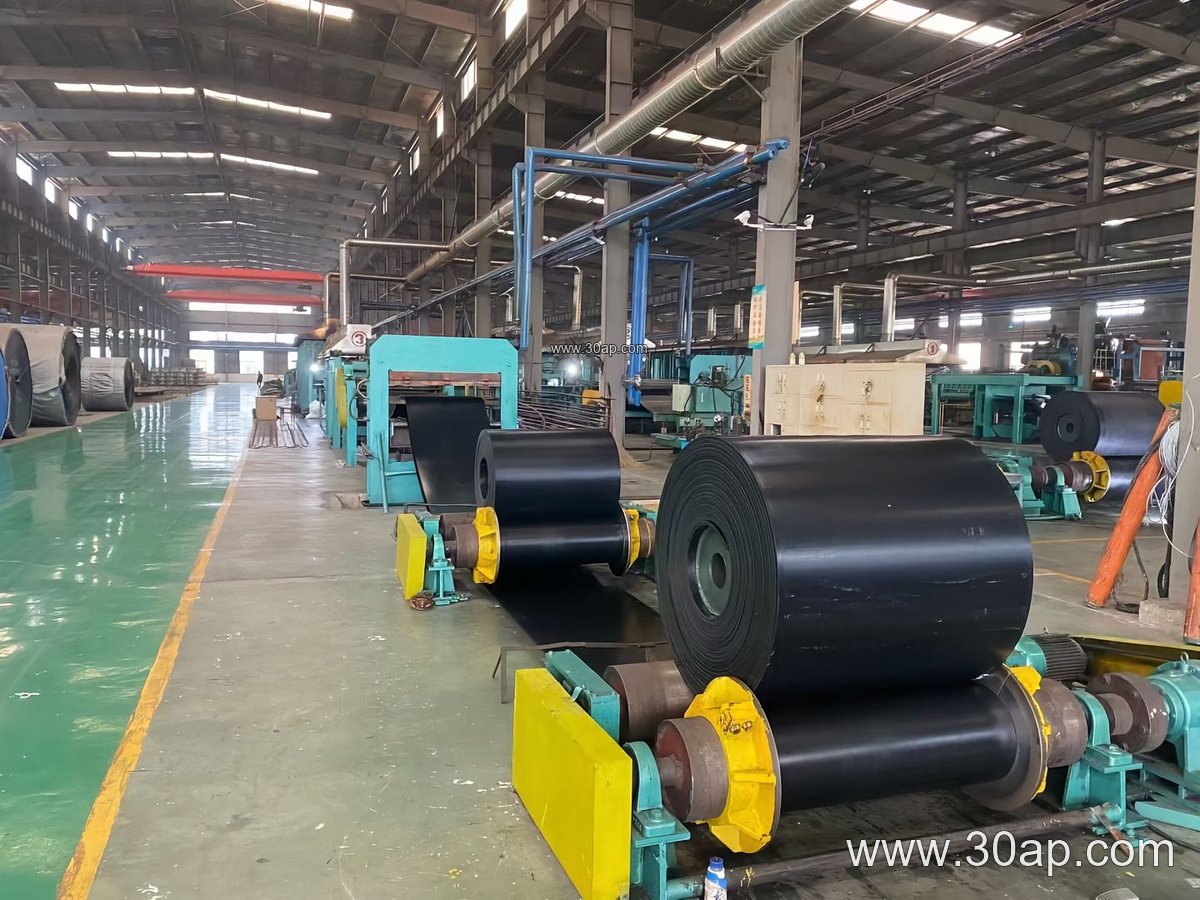
Reference Parameters and Model Examples
The values below are common reference data, not universal specifications. Actual belt design depends on tension, pulley diameter, load and site temperature, and should be confirmed with the supplier.
| Parameter | Common reference range |
|---|---|
| Strength grades (EP) | EP200, EP315, EP400, EP500, EP630, EP800, EP1000, EP1250, EP1600, EP2000 |
| Belt width | B500, B650, B800, B1000, B1200, B1400, B1600, B1800, B2000 |
| Cover thickness | 3+1.5, 4+2, 5+2, 6+2, 8+3 mm |
| Carcass plies | 2 to 6 plies, fabric core |
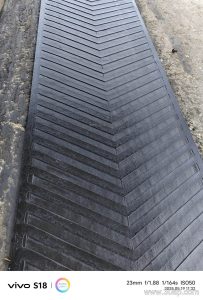
| Surface form | Plain, chevron or corrugated sidewall as required |
A 1200 mm wide EP1000 belt with 6+2 mm covers is a typical heavy-duty combination for a main haulage line, while a 800 mm wide EP630 belt with 4+2 mm covers suits a secondary transfer. These are examples only; width and pulley diameter are matched by conveyor design, not by a fixed rule.
Selection and Maintenance Notes
Ask for the minimum service temperature in writing and check it against the coldest start-up condition, not the average daytime figure. Confirm that the pulley diameters in the conveyor design allow the belt to flex without exceeding its rated bend. Keep idler rollers turning freely, because a seized roller creates a local stress point that is worse in cold rubber. Remove ice and frozen spillage from the tail pulley and bend pulleys before start-up, and check belt edges after the first cold snap.
For flame sensitive underground coal mining conveyor applications, a flame retardant conveyor belt with cold flexibility may be specified. For oil-contaminated loads, an oil resistant conveyor belt compound is the relevant comparison. In every case, the cold resistant grade remains the base requirement and should be stated clearly on the purchase specification.