What a Mining Flame Retardant Conveyor Belt Is
A Mining Flame Retardant Conveyor Belt is a heavy-duty rubber belt designed to carry coal, ore, stone and other bulk materials while resisting ignition and limiting flame spread along the conveyor line. In practice it is the same product many plants call a Mining Fire Resistant Conveyor Belt, and the two names describe one family of belting rather than two different items. The belt sits at the heart of a Mining Conveyor Belt system that may run from a primary crusher through transfer points to stockpiles or load-out stations.
Flame retardancy is not a coating added at the end. It is built into the rubber compound and the carcass so the belt can tolerate sparks, hot material and frictional heat in coal mines, power plants, cement works and quarry operations.
Construction and Internal Build
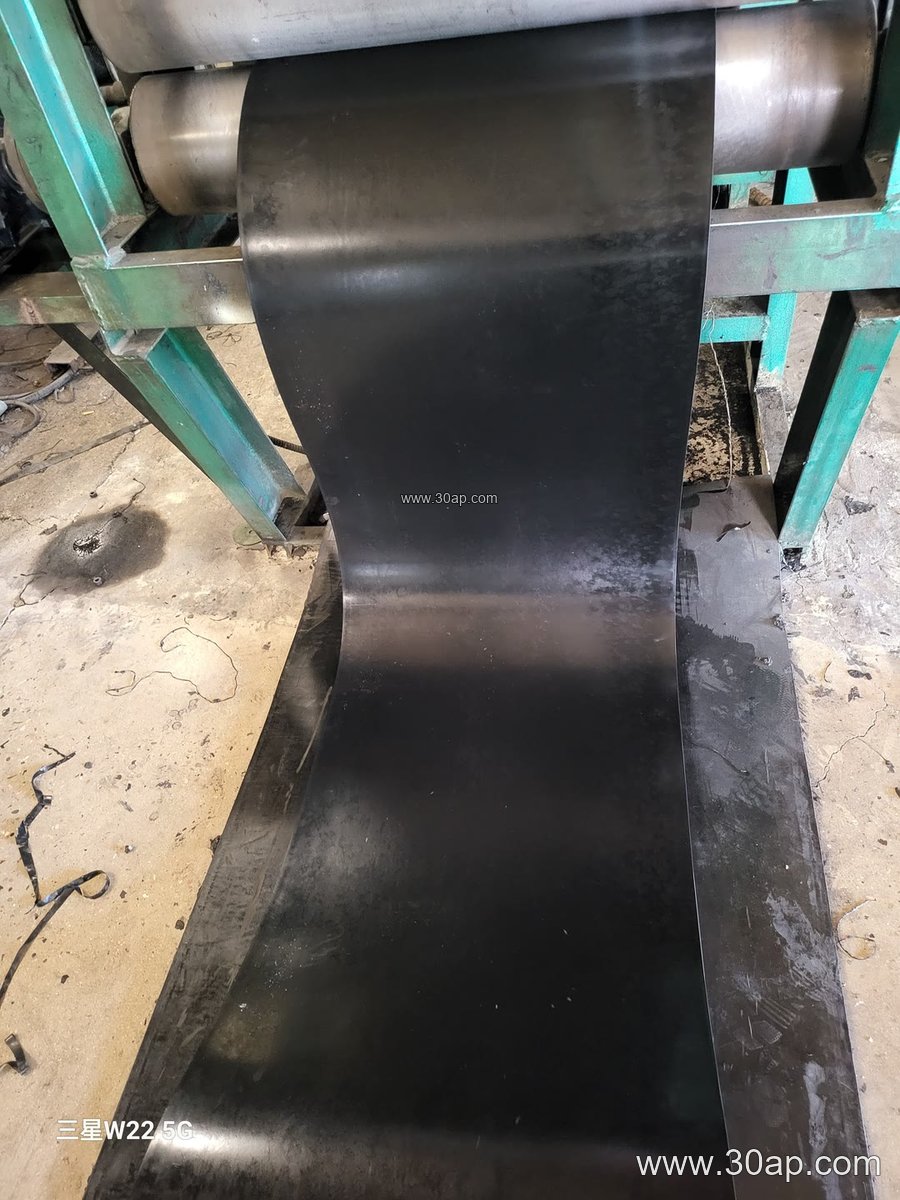
Most belts in this family use a fabric core or a steel cord core. A fabric core version may be an EP Conveyor Belt with polyester-nylon plies or an NN belt with nylon plies; steel cord designs suit long, high-tension routes. The flame retardant compound is applied as top and bottom cover rubber, and anti-static behaviour is usually part of the same specification so static charge does not build up on the running belt.
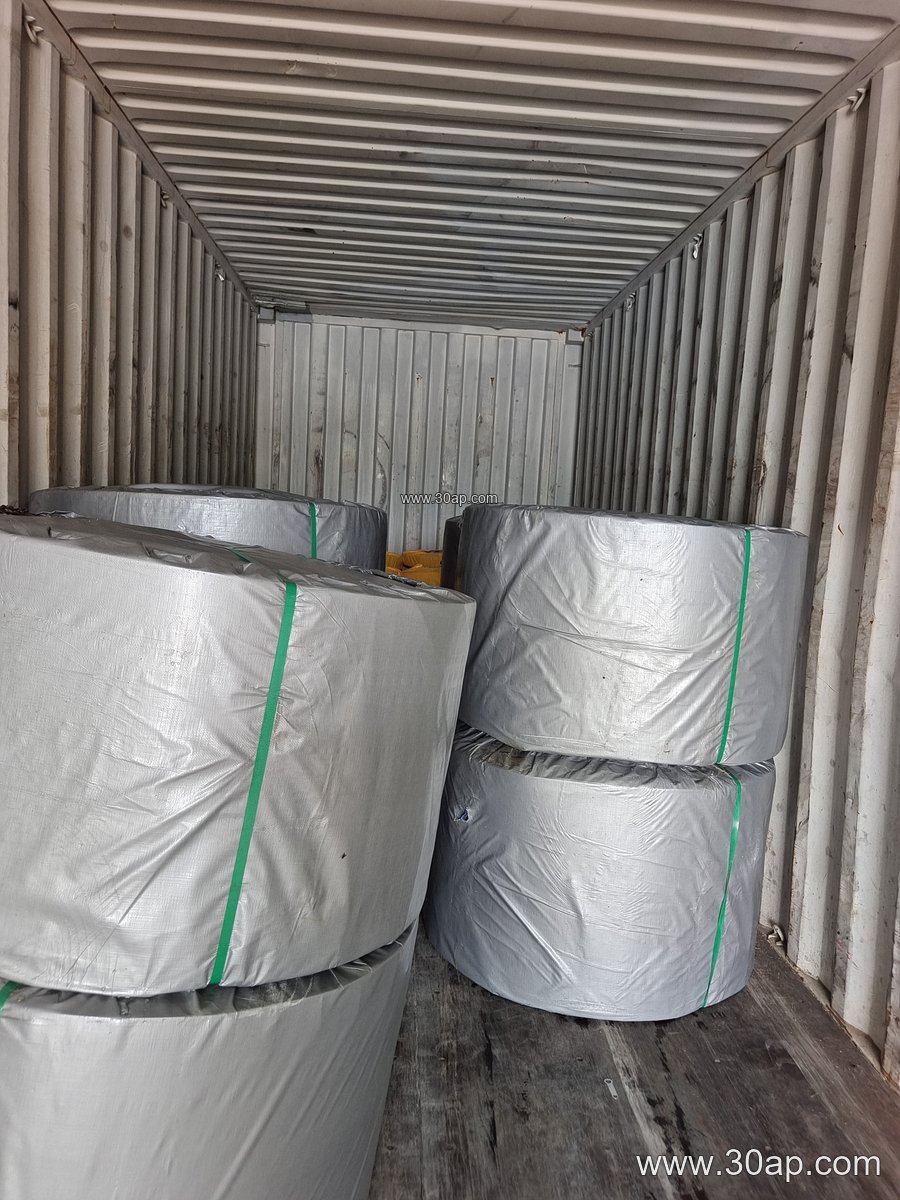
Common cover rubber combinations are 3+1.5 mm, 4+2 mm, 5+2 mm, 6+2 mm and 8+3 mm, with a carcass of roughly 2 to 6 plies in fabric constructions. These figures are typical references, not fixed rules; the final build is set by the conveyor design, the material carried and the duty cycle.
Typical reference data
| Item | Common reference values |
|---|---|
| Belt type | Mining flame retardant, fire resistant, anti-static |
| Fabric core grades | EP200, EP315, EP400, EP500, EP630, EP800, EP1000, EP1250 |
| Steel cord grades | ST1000, ST1250, ST1600, ST2000 |
| Belt width | B500, B650, B800, B1000, B1200, B1400, B1600, B1800, B2000 |
| Cover rubber | 3+1.5, 4+2, 5+2, 6+2, 8+3 mm |
| Carcass plies | Usually 2 to 6 layers in fabric builds |
Where the Belt Is Used
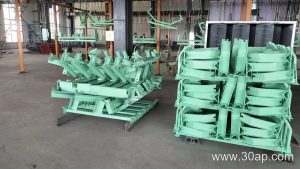
The most demanding setting is an Underground Coal Mining Conveyor Belt, where flame spread and static are serious safety concerns. The same belting appears in surface coal handling, cement plants, steel works, power station coal yards and sand and gravel operations. A quarry may pair it with a crusher discharge and a series of idler rollers, while a port terminal may use it on ship loading lines.
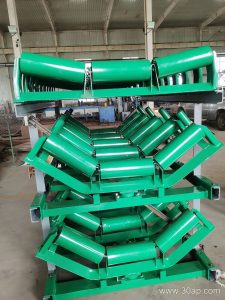
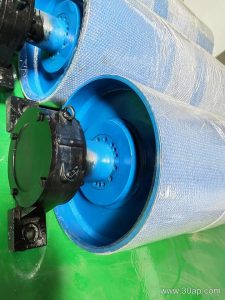
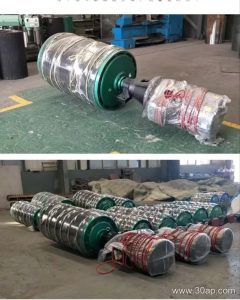
Because the belt works with conveyor pulleys at the drive, tail and bend positions, correct alignment and pulley condition matter as much as the belt itself. A worn conveyor pulley or a seized idler roller can generate heat and abrasion that shorten belt life.
Selection Points for Buyers
- Material and hazard: confirm whether the route carries coal, coke, hot clinker or general aggregate, and whether flame resistance and anti-static properties are both required.
- Tension and length: long, heavily loaded lines often call for a steel cord or high-grade EP carcass; short transfer belts may use a lighter fabric build.
- Width and troughing: match belt width to the conveyor frame and the idler roller set, not the other way round. A 1200 mm or 1400 mm belt is common on main haulage lines, while narrower belts serve auxiliary routes.
- Cover thickness: impact at loading points may call for a thicker top cover, while a thin bottom cover helps flexibility around small pulleys.
- Environment: cold climates, oily material or wet conditions may call for a modified compound alongside flame retardancy.
Ask for the compound data and carcass specification rather than relying on a product name alone, and check that the belt, splice and conveyor bracket layout are reviewed together.
Installation and Maintenance Notes
Store belts away from direct sunlight and ozone sources, and handle rolls with care to avoid cover damage. During installation, keep the belt centred on the tail and drive pulleys, check idler roller alignment and confirm that skirt rubber or chute liners do not press into the belt. Splices should be made by trained crews using the correct materials for a flame retardant belt, since a poor splice can become the weakest and hottest point on the line.
Routine checks of cover wear, edge condition and pulley lagging help catch problems early. When replacing a belt, record the width, cover thickness and carcass grade so the next order matches the actual conveyor rather than an old label.