What Is an NN300 Conveyor Belt
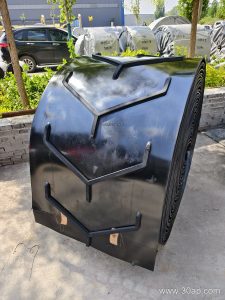
The NN300 conveyor belt is a heavy-duty fabric-core belt built on nylon/nylon (NN) carcass. The “300” refers to the nominal tensile strength of the carcass, typically expressed in N/mm per ply. This NN conveyor belt sits in the middle-to-high strength range of fabric belts, above NN200 and below NN400, and is chosen when a single-ply or multi-ply nylon carcass can carry the load without resorting to a steel cord design. In many plants it is simply called a nylon conveyor belt or an NN300 belt, and those names refer to the same product.
Because the carcass uses nylon fiber in both warp and weft, the belt offers good flexibility, high elongation under load, and strong resistance to fatigue. That combination makes it a practical choice for medium-to-long conveyors and for systems that see frequent starts and stops.
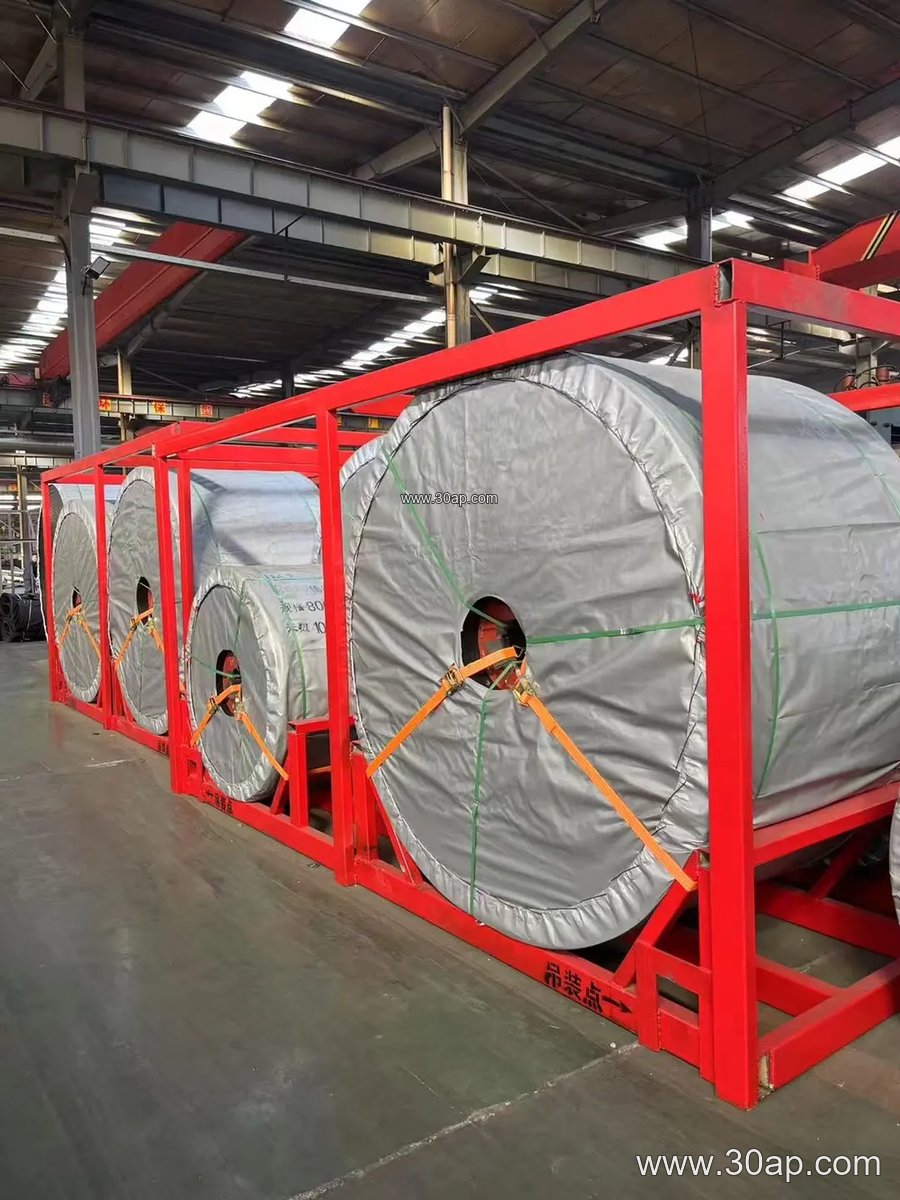
Construction and Carcass Details
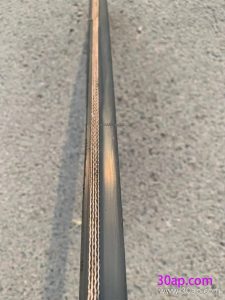
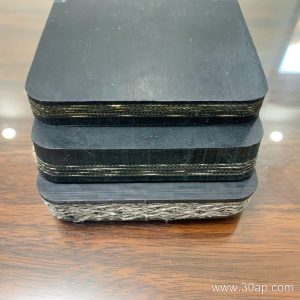
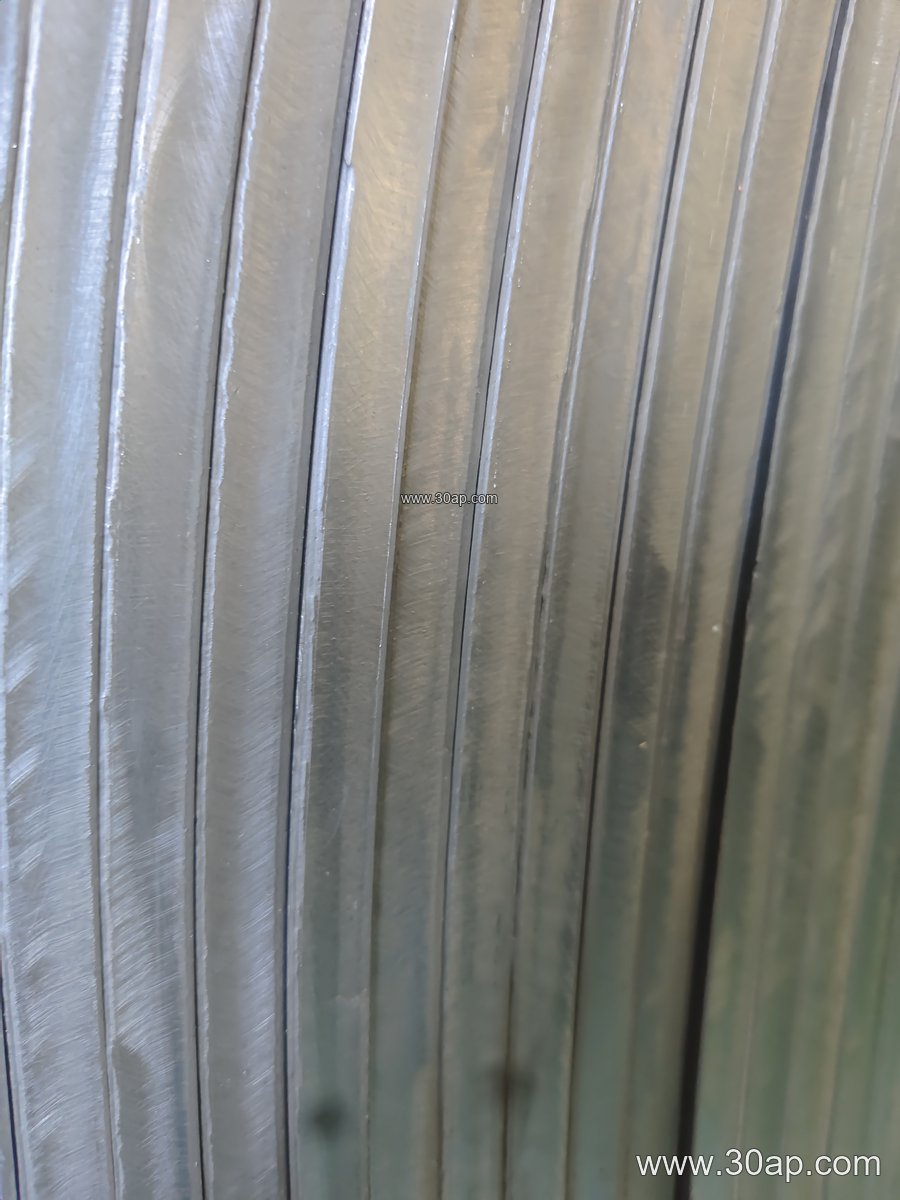
The belt is usually built as a multi-ply fabric core sandwiched between top and bottom rubber covers. Common constructions use 2 to 6 plies, depending on the required strength and the pulley diameters on the conveyor. The rubber covers protect the carcass from abrasion, moisture, and impact, while the NN fabric provides the tensile strength.
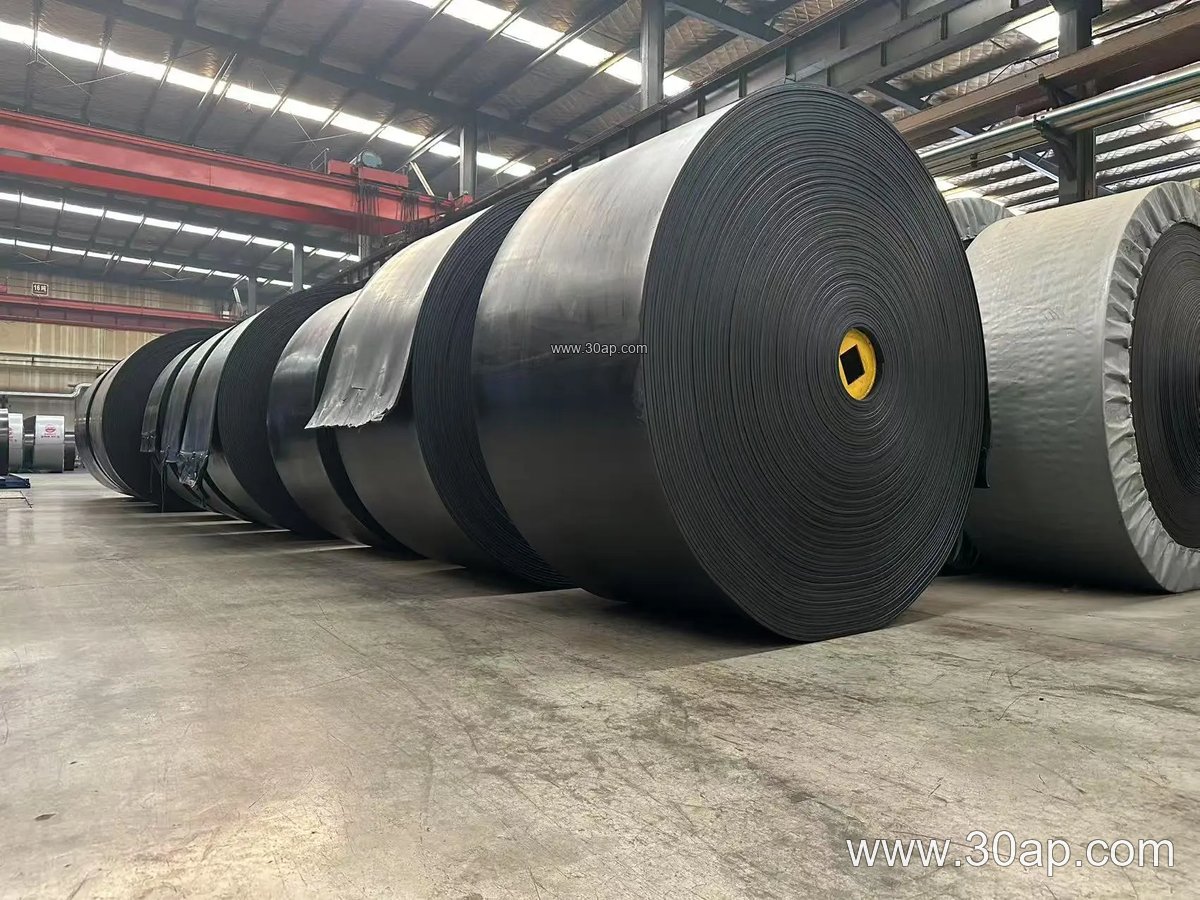
Cover thickness is often specified as a pair, for example 4+2 mm, 5+2 mm, 6+2 mm, or 8+3 mm. These are reference values, not fixed rules; the final cover gauge should match the material being carried and the loading conditions. For abrasive rock or ore, a thicker top cover is often selected, while a thinner cover may suit lighter bulk materials.
Typical NN300 Belt Parameters (Reference)
| Property | Common Range |
|---|---|
| Carcass type | NN (nylon/nylon) fabric |
| Nominal strength | NN300 (approx. 300 N/mm per ply) |
| Number of plies | 2 to 6 |
| Belt width | B500, B650, B800, B1000, B1200, B1400, B1600, B1800, B2000 |
| Cover thickness (top+bottom) | 3+1.5, 4+2, 5+2, 6+2, 8+3 mm |
These figures are indicative. Actual dimensions and ply counts are set by the conveyor design and should be confirmed with the belt manufacturer.
Where It Is Used
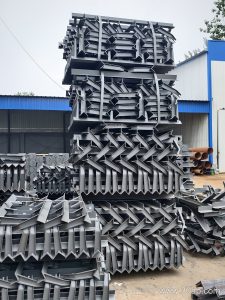
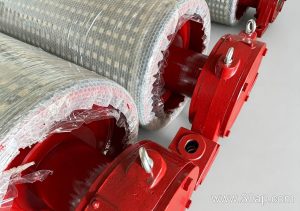
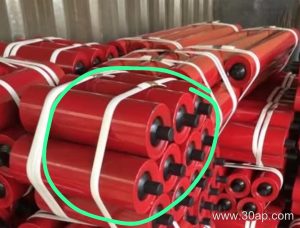
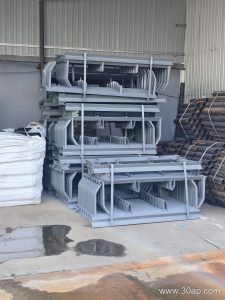
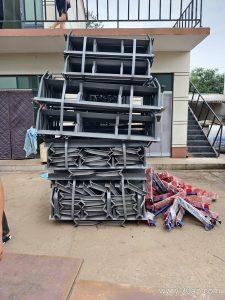
NN300 belts are common in mining, coal preparation, cement plants, power stations, quarries, and sand and gravel yards. They handle crushed stone, ore, clinker, coal, and other bulk materials. In a typical circuit the belt runs over idler rollers on the carry side and return side, wraps around a drive pulley, a tail pulley, and bend pulleys, and is held in line by conveyor brackets and frames.
The belt’s flexibility helps it track well on smaller pulleys, which is one reason it is often found on secondary and tertiary crushing lines, screen feed conveyors, and transfer points. For very high tonnage or extremely long overland conveyors, a steel cord belt may be more suitable, but for many medium-duty duties the NN300 construction provides a good balance of strength and cost.
Selection and Application Notes
- Strength and safety factor: Match the NN300 rating to the calculated maximum belt tension with an appropriate design factor. Do not assume one belt width suits every pulley diameter; the pulley size and ply count should be checked together.
- Cover grade: Choose abrasion-resistant covers for rock and ore, heat-resistant covers for clinker or hot materials, oil-resistant covers where lubricants or oily cargo are present, and flame-retardant or anti-static covers for underground coal mining conveyors.
- Pulley and idler compatibility: The belt should be specified together with the drive pulley, tail pulley, and conveyor pulley diameters. Fabric belts generally tolerate smaller pulleys than steel cord belts, but the manufacturer’s minimum pulley diameter for the selected ply count still applies.
- Loading conditions: At transfer points, impact idlers and adequate cover thickness reduce damage. Belt sag between idlers should be controlled through proper tension and idler spacing.
- Environmental factors: For cold climates, a cold-resistant grade may be needed. For dusty or explosive atmospheres, anti-static and flame-retardant properties are important.
Buyer Checklist
Before ordering an NN300 conveyor belt, gather the following information: belt width, required tensile strength, number of plies, top and bottom cover thickness, cover grade (abrasion, heat, oil, flame retardant, anti-static), and the minimum pulley diameters on the conveyor. Also confirm the splicing method, since fabric belts are often spliced vulcanized or mechanically. Ask the supplier for the actual data sheet rather than relying on general tables, because different manufacturers may rate and build NN300 belts differently.
When the belt is part of a larger system, review the whole package: idler roller spacing, pulley lagging, take-up travel, and belt cleaner compatibility. A well-matched NN300 belt will deliver dependable service in demanding bulk handling environments without the need for a heavier steel cord construction.