What a Conveyor Frame Does
A conveyor frame is the structural backbone that holds a belt conveyor in line. It carries the idler roller sets, supports the conveyor pulley at each end, and keeps the whole run stable under load. In a quarry, a coal handling plant, or a cement plant, the frame is what turns separate components into one working conveyor line. Without a rigid, well-aligned frame, even a good conveyor belt will misalign, wear at the edges, and spill material.
The frame is not a single part. It is a system of stringers, cross beams, legs, and brackets, usually bolted or welded into modules that are easy to transport and install. The design must match the belt width, the load, and the environment, so a frame for a heavy-duty mining conveyor is built differently from one on a light aggregate line.
How the Structure Is Built
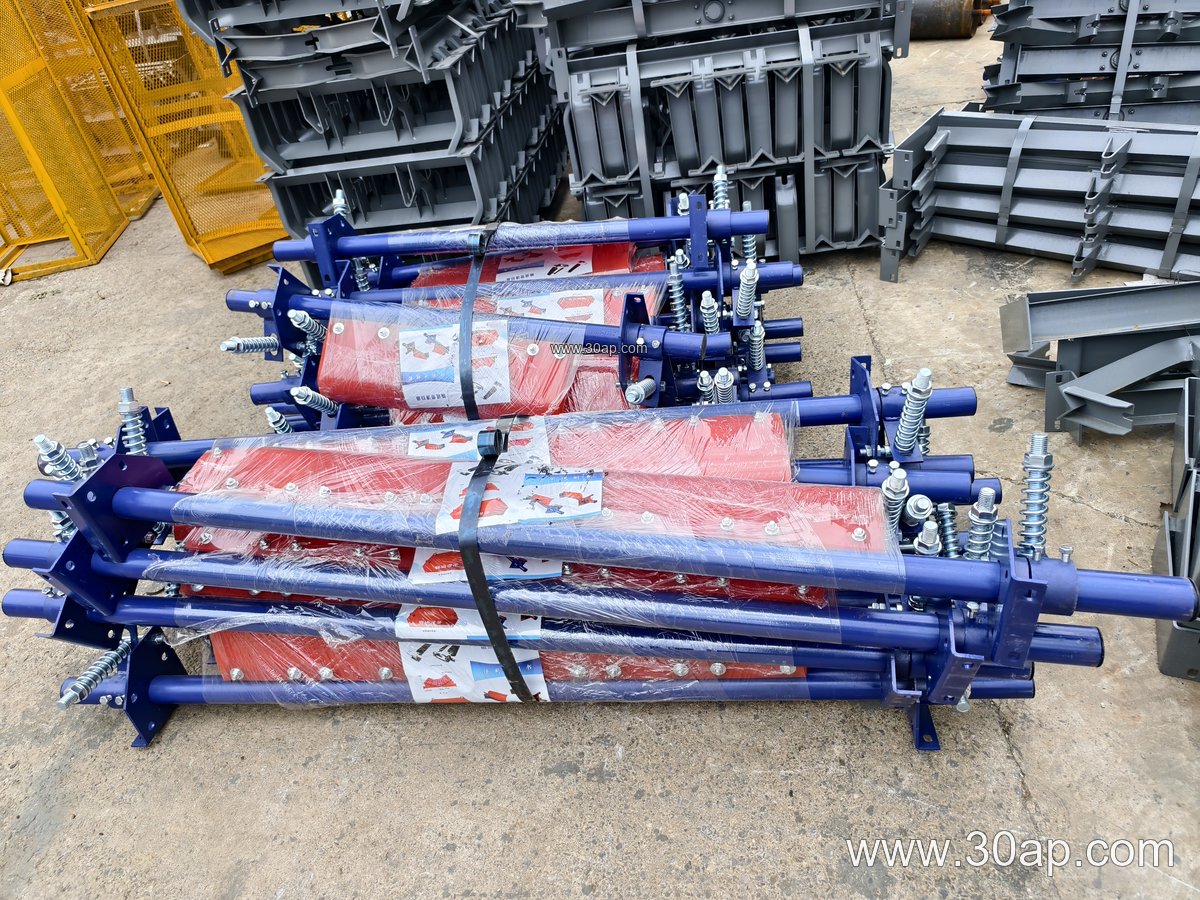
Most frames are fabricated from angle steel, channel steel, or folded steel plate. The main longitudinal members run along the belt path, and cross members carry the idler stations. Legs are sized to the required ground clearance and to the height of the transfer points. Brackets connect the idlers and the pulleys to the main structure.
Three details matter in fabrication:
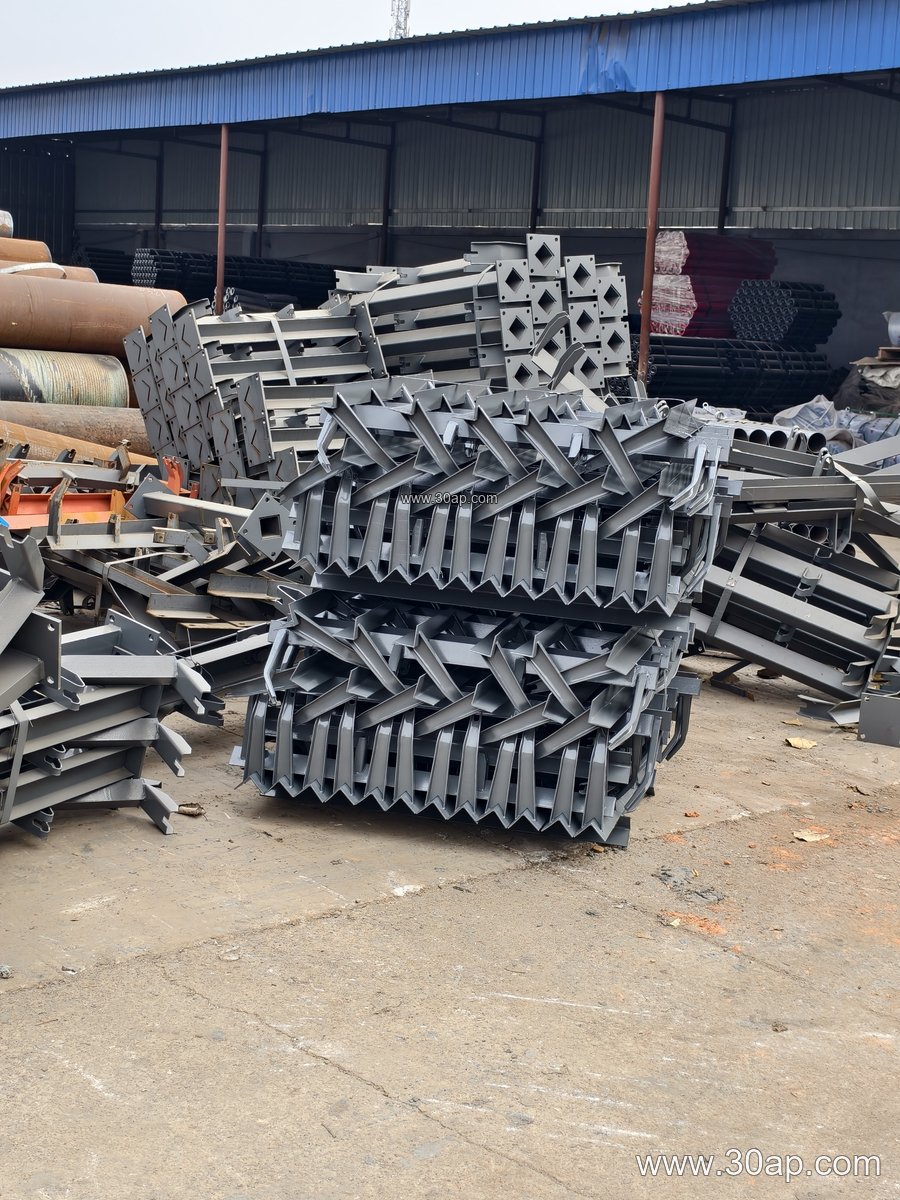
- Straightness of the stringers, because a bent frame pulls the belt off center.
- Accurate hole spacing for the conveyor bracket and idler mounts.
- Stiffness at the joints, so the frame does not flex when the belt is fully loaded.
Surface treatment is chosen by site. Wet coal plants and port terminals usually need galvanizing or heavy paint, while dry cement plants may accept standard coating.
Frame Types and Where They Fit
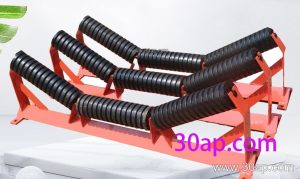
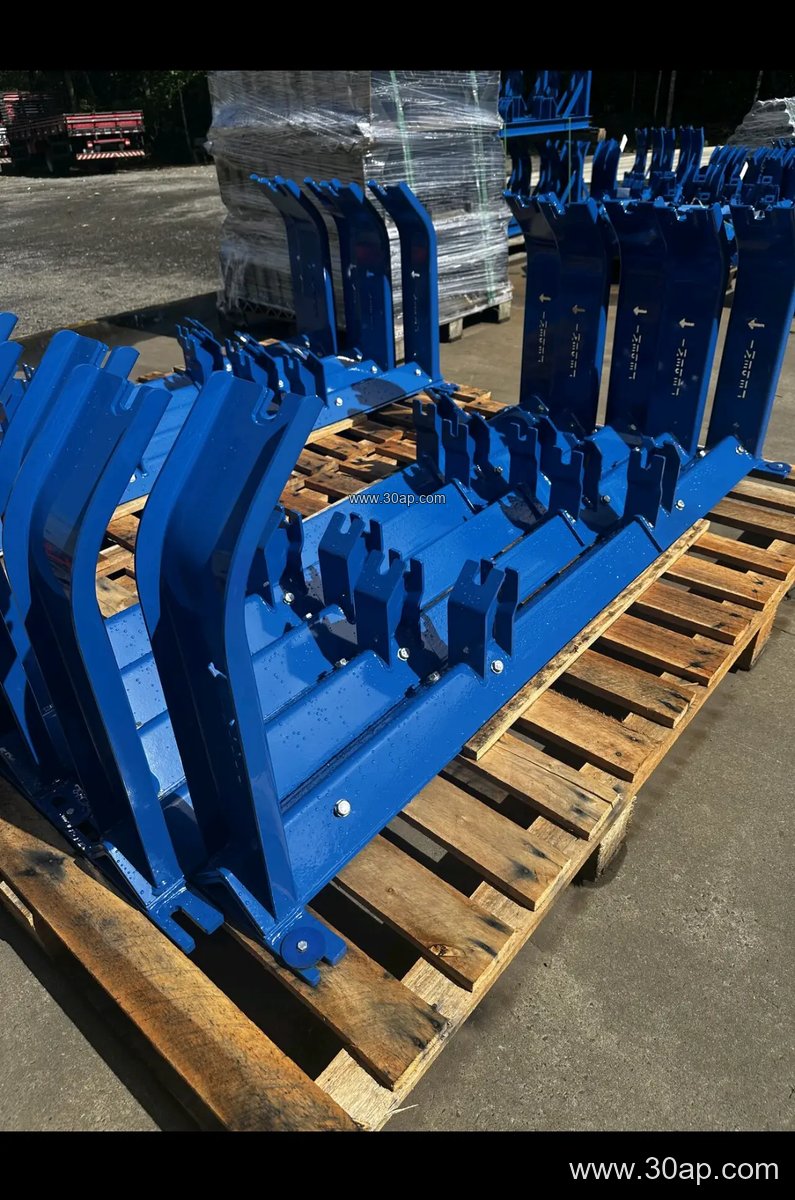
The frame family covers several positions along a conveyor. Troughing idler frames hold the carry side in a trough shape; return frames support the empty belt; transition frames guide the belt from the pulley into the trough; impact frames sit under loading points. Adjustable frames allow the trough angle to be changed on site, which helps when the belt is being trained. Fixed frames are simpler and stiffer for long, straight runs.
| Frame position | Typical function | Common trough angle |
|---|---|---|
| Troughing frame | Supports the loaded belt | 20, 30, 35, 45 degrees |
| Transition frame | Guides belt from pulley to trough | 20 to 35 degrees |
| Return frame | Supports the empty belt | Flat or V return |
| Impact frame | Absorbs load at transfer points | 30 to 45 degrees |
Belt width and roller diameter are selected together, not in isolation. A B800 frame with a 35 degree trough and Ø108 idlers suits many medium-duty lines, while a B1200 frame with 45 degree troughing and Ø133 rollers is common on higher-capacity ore and coal conveyors. The matching of width, angle, and roller size is a design decision, not a fixed rule.
Choosing the Right Frame for the Job
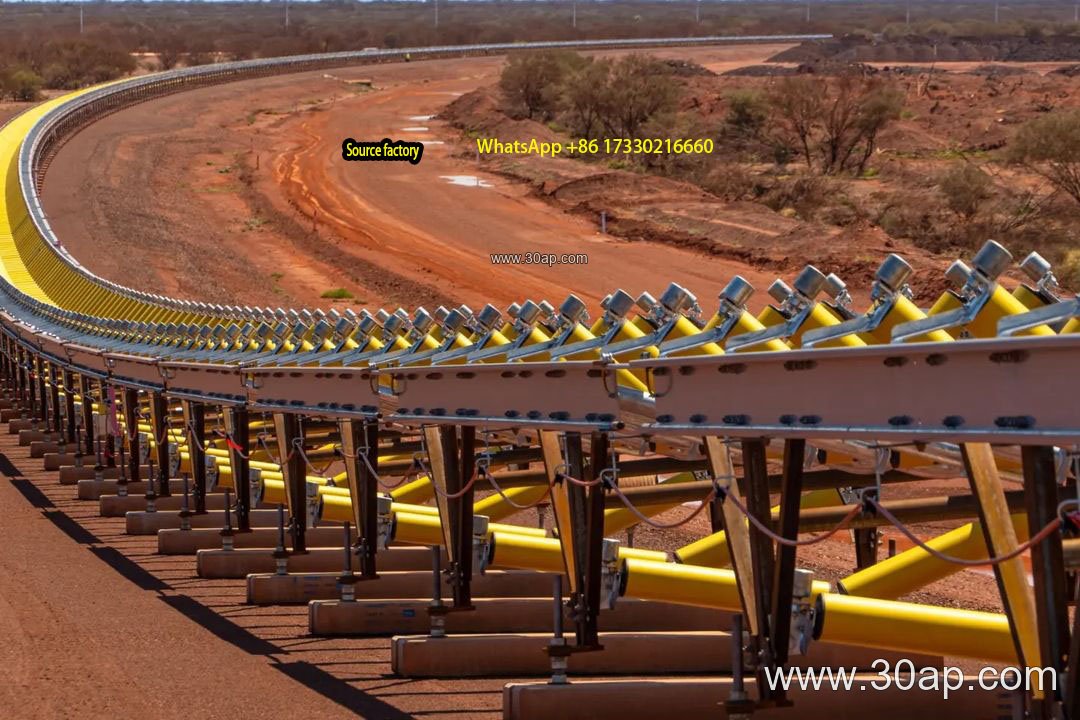
Buyers should start with the belt width and the material being carried. Heavy, lumpy ore calls for a stiffer frame and impact support at the loading zone; fine cement or fertilizer may need closer idler spacing to control sag. The environment decides the finish: a wash-down area needs corrosion protection, and an underground coal mine may require flame-retardant components throughout the line.
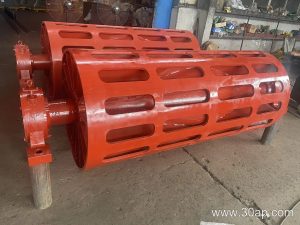
Ask for the frame drawing with hole spacing, cross member length, and leg height, because these change with belt width and trough angle. Check that the frame is compatible with the chosen conveyor pulley and with the idler roller series you plan to use. On long overland runs, modular frames with bolted joints are easier to align and replace than fully welded sections.
Installation and Maintenance Notes
Set the frame on a level foundation and check stringer alignment before tightening the idlers. A frame that is twisted at installation will cause belt tracking problems that no amount of idler adjustment can fully fix. Keep the structure clean, inspect welds and bolts after the first weeks of running, and watch for corrosion in wet or chemical environments. Replacing a damaged cross member is far cheaper than replacing a worn belt or a scored pulley.
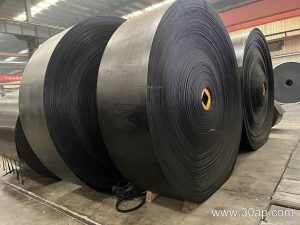
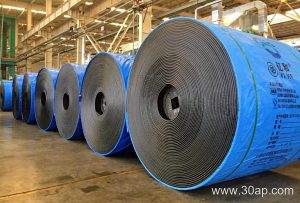
For more on matching frames with belts, rollers, and pulleys, see EP conveyor belt and conveyor idler roller options, and check flame retardant conveyor belt grades for underground work.