What a Bend Pulley Does on a Conveyor
A bend pulley is a non-drive roller that guides the conveyor belt through a change of direction, usually without transmitting torque to the belt. It is often found where a conveyor route has to turn, rise, or return, and it works together with the drive pulley, tail pulley, and carrying idlers to keep the belt tracking well. In a quarry, a cement plant, or a power plant coal yard, this roller helps the belt follow a compact path around structures and transfer points.
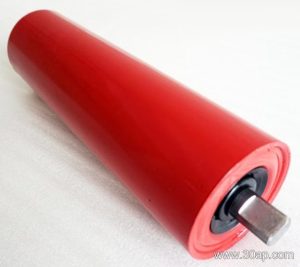
The name covers the function, not one fixed design. A bend pulley may be a plain return roller, a rubber-covered redirect roller, or a multi-groove roller in a special layout. It is not the same as a drive pulley, which pulls the belt, or a tail pulley, which supports the belt at the loading end. Treating these as interchangeable can lead to poor traction, belt slip, or short cover life.
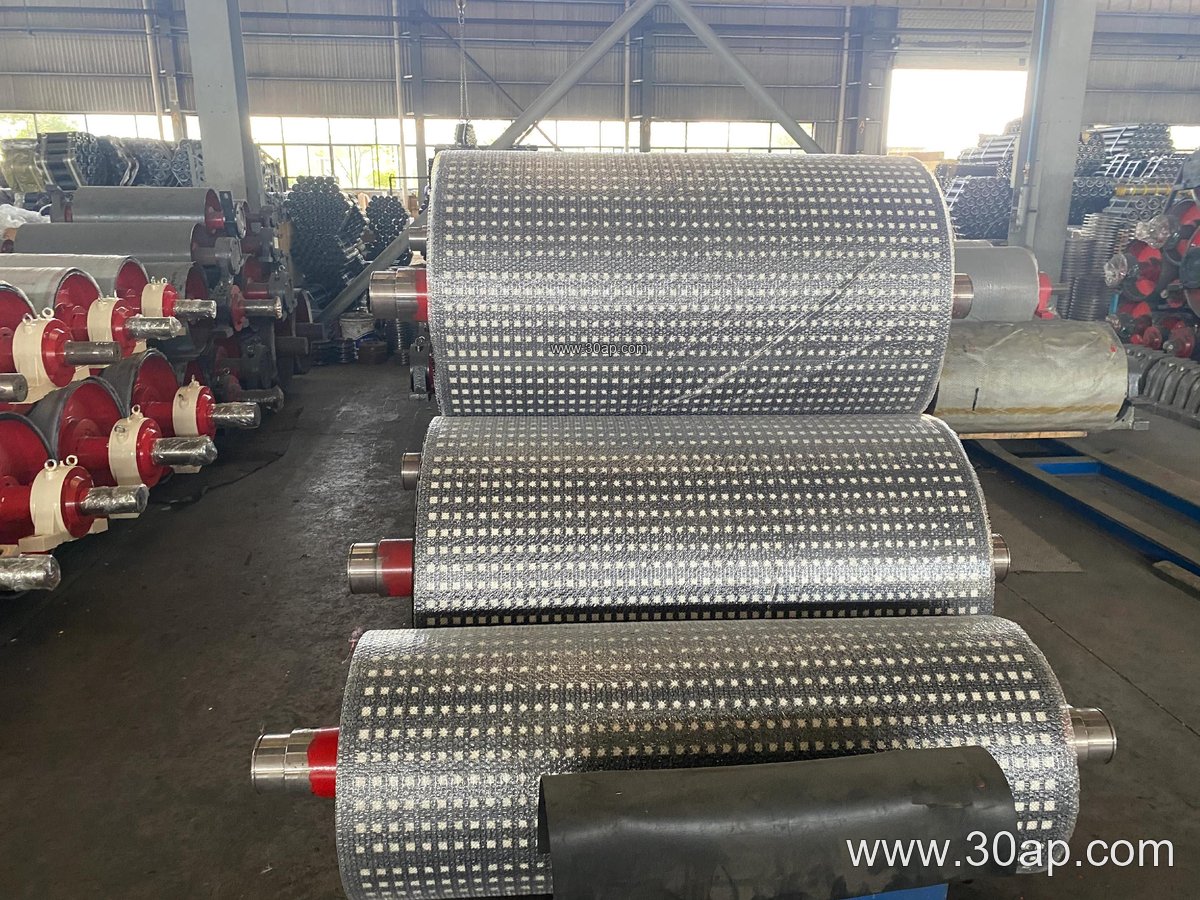
Construction and Common Surface Options
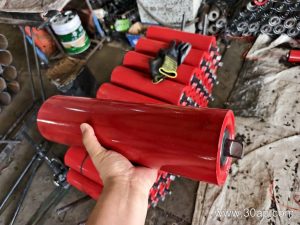
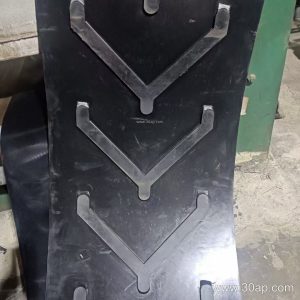
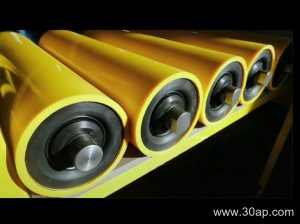
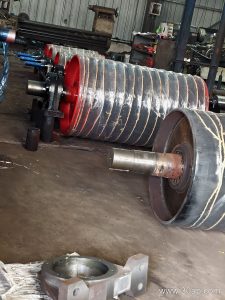
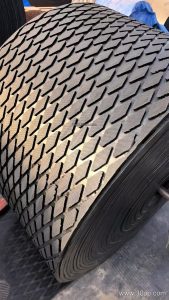
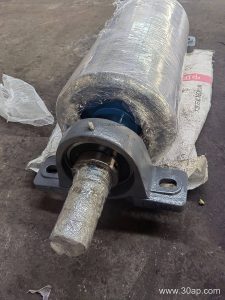
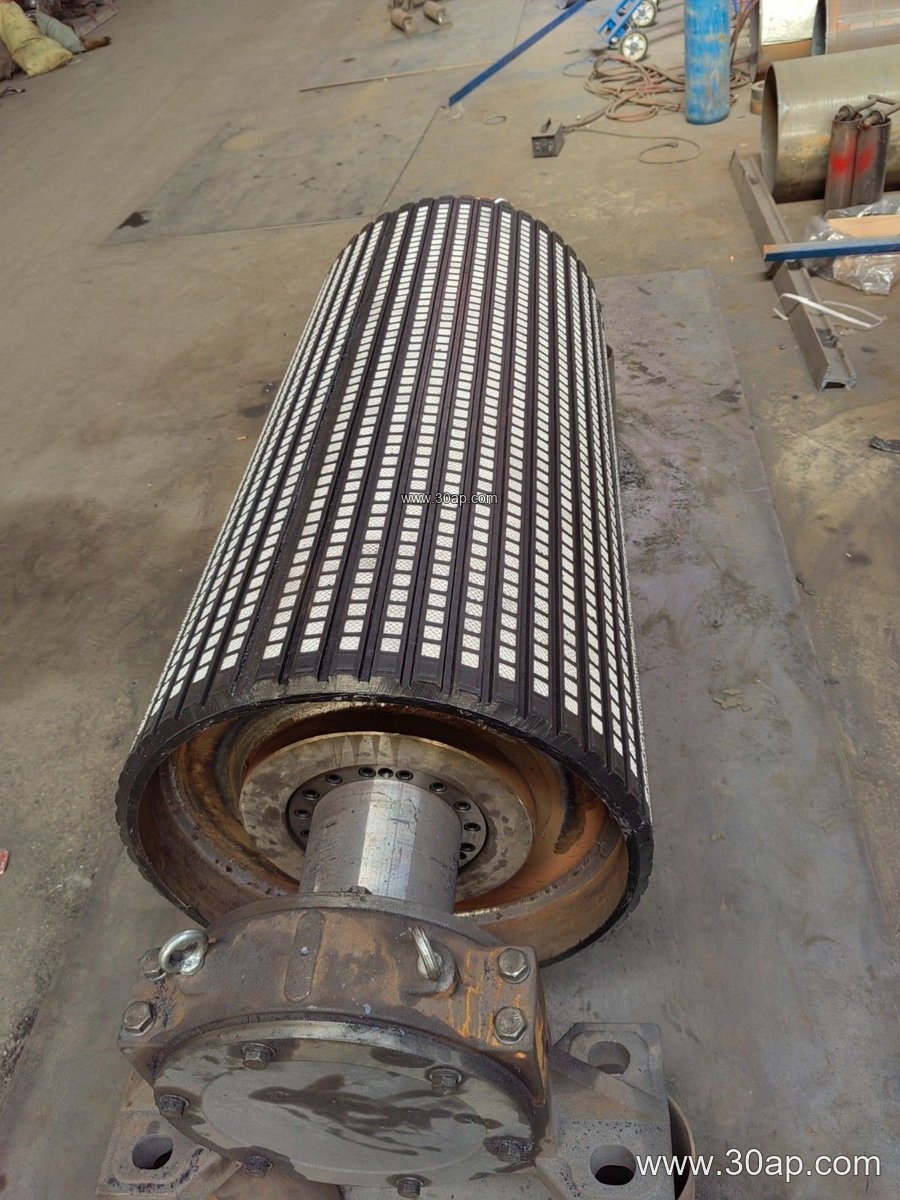
A typical bend pulley has a welded steel drum, a shaft, bearing housings, and a machined face. The shell may be smooth or covered, and the covering is selected for grip, wear, or material buildup. Common surface forms include plain, cold-bonded rubber, hot-vulcanized rubber, diamond grooving, herringbone grooving, and ceramic lagging. Cover thickness is often 8, 10, 12, 15, or 20 mm, depending on the duty and the belt contact pressure.
Because the roller does not drive the belt, lagging is usually chosen for tracking and protection rather than for high traction. In a wet or dusty stone crushing line, a grooved rubber cover can shed fines better than a smooth face. In a steel plant or sinter area, a heat-resistant belt may run alongside a pulley with a suitable cover, while the pulley itself should be protected from excessive temperature.
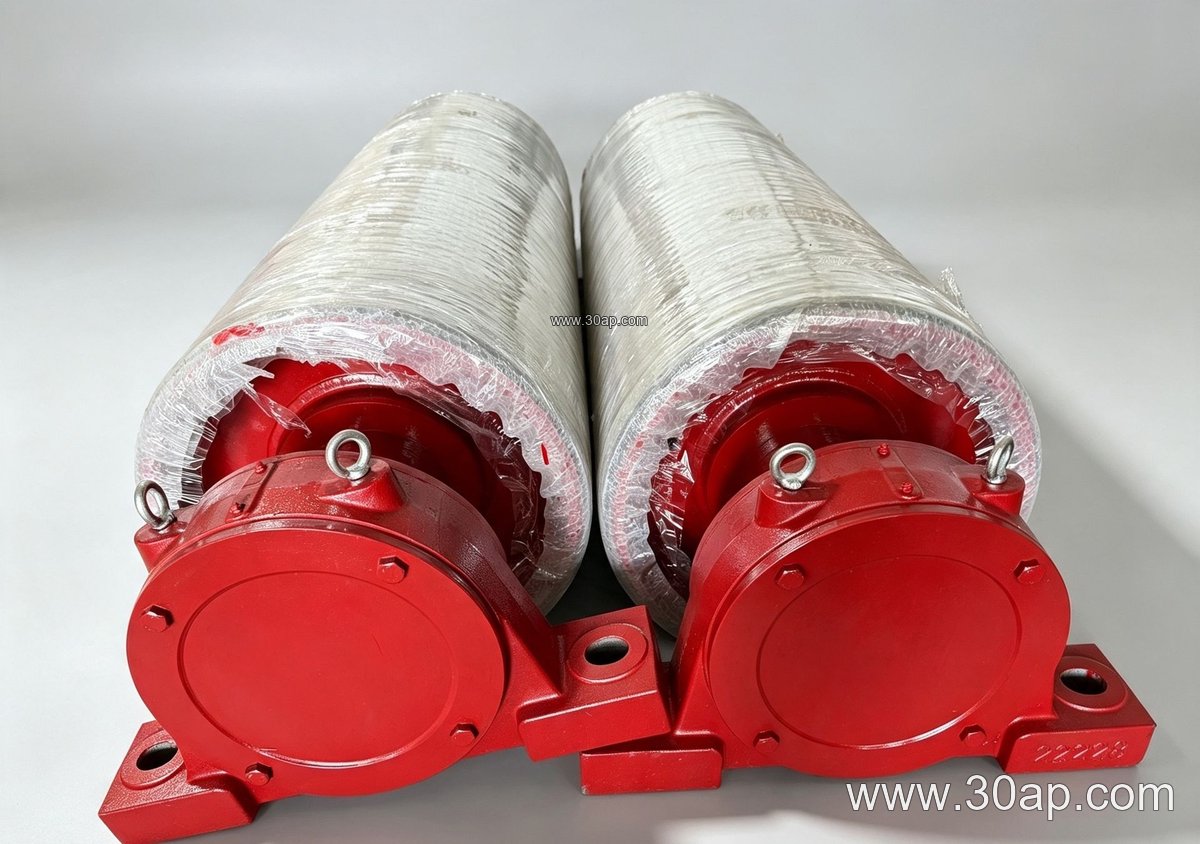
Matching Pulley Size to Belt Width
Buyers often ask how to pair a bend pulley with a belt width. The drum face is normally wider than the belt, so the belt is supported across its full width. For example, a B800 belt commonly runs on a pulley face around 950 mm, and a B1200 belt may use a face near 1400 mm. Diameter is selected from belt tension, wrap angle, shaft load, and the space available, not from belt width alone. A B800 × Ø500 unit and a B1200 × Ø1000 unit can both be reasonable in different layouts.
The shaft diameter is a design result, not a direct match to belt width. Common shaft sizes include Ø50, Ø60, Ø70, Ø80, Ø90, Ø100, Ø120, Ø140, Ø160, Ø180, and Ø200, but the final value should come from torque and bearing load calculations. A larger diameter roller reduces belt bending stress, while a smaller one may fit a tight return route. The table below shows typical reference combinations only.
| Belt width | Typical pulley face | Example diameter |
|---|---|---|
| B400 | about 500 mm | Ø200 to Ø315 |
| B650 | about 750 mm | Ø250 to Ø400 |
| B800 | about 950 mm | Ø315 to Ø500 |
| B1000 | about 1150 mm | Ø400 to Ø630 |
| B1200 | about 1400 mm | Ø500 to Ø800 |
| B1400 | about 1600 mm | Ø630 to Ø1000 |
| B1600 | about 1800 mm | Ø800 to Ø1250 |
Where It Fits in Real Installations
In an aggregate plant, a bend pulley is often used to route the return strand under a screen house or around a transfer tower. In an underground coal mining conveyor, it may sit in a confined drift where the belt must change angle before reaching the next section. The roller should be aligned square to the belt path, with sufficient clearance for the belt and its edges, and with accessible bearings for inspection.
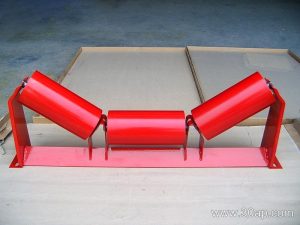
On long overland systems carrying bulk material, the bend pulley works with the conveyor belt, idler roller sets, and conveyor bracket assemblies to keep the route stable. A misaligned bend pulley can cause edge wear, belt wandering, and spillage, so installation tolerances matter as much as the roller itself. When the belt is a heavy-duty mining conveyor belt or a steel cord conveyor belt, the pulley load and bearing selection deserve extra attention.
Buyer Checklist
- Confirm the function: redirect, snub, take-up, or return. Do not substitute a drive or tail pulley for a bend pulley.
- State belt width, belt type, and expected tension so the supplier can size the drum and shaft.
- Choose the surface form for the environment: plain for clean dry runs, rubber or grooved cover for dusty or wet conditions.
- Check bearing type, sealing, and lubrication access for the plant’s maintenance routine.
- Ask for the balancing grade and runout data when the pulley will run at higher belt speeds.
For a reliable selection, share the conveyor layout, belt specification, and load data rather than a single width number. A bend pulley is a small part of the conveyor, but it has a direct effect on belt life and route stability in mining, cement, power, and quarry operations.