What a Steel Idler Does on a Conveyor
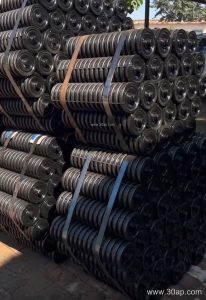
A steel idler is a rotating roller that supports the conveyor belt along its carrying and return runs. It is one of the most repeated components on a bulk handling line, and its job is simple but demanding: hold the belt in shape, keep friction low, and let material move without spillage or excessive wear. In a quarry, a cement plant, or a power plant coal yard, a failed idler can stop the whole belt, so the quality of the roller body, bearing, and seal matters as much as the frame that holds it.
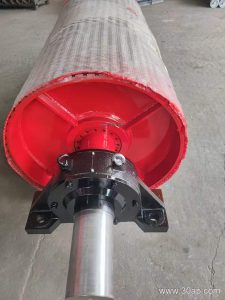
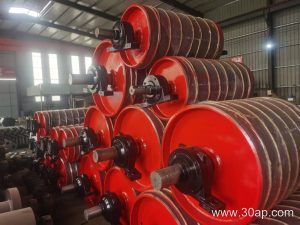
The term steel idler usually refers to the steel-shell roller used in troughing, transition, return, and impact positions. It is not a conveyor pulley. A drive pulley, tail pulley, and bend pulley each do a different job at the ends or corners of the belt, and they are not interchangeable with idlers. The idler turns with the belt; the pulley drives or redirects it.
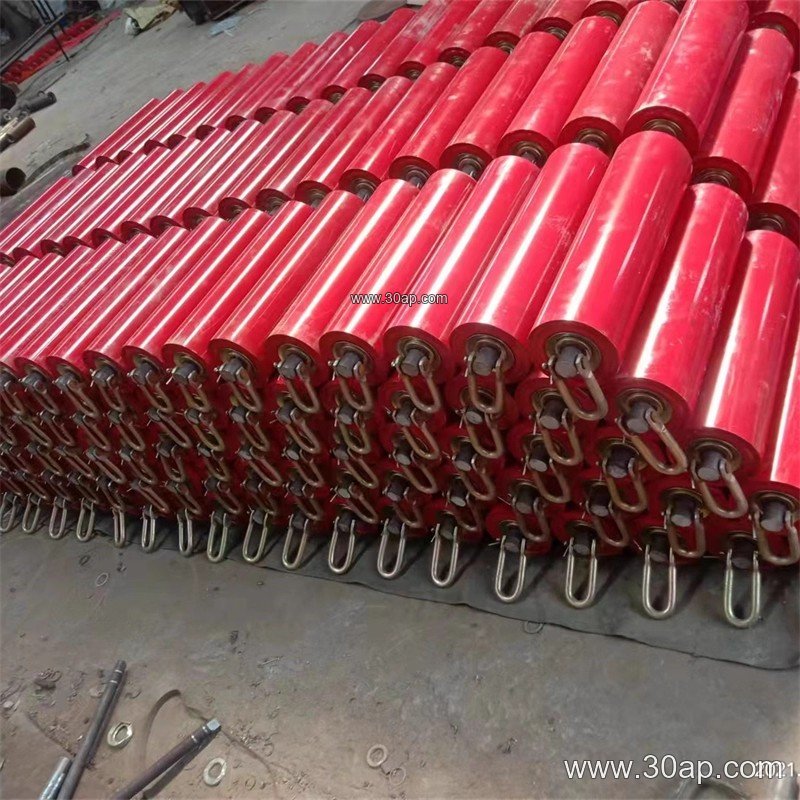
How a Steel Idler Is Built
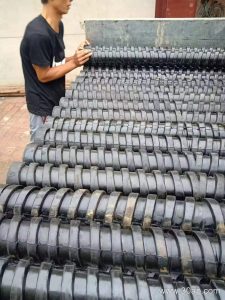
The common construction is a steel tube with pressed end caps, a through shaft, and a bearing assembly at each end. The bearing sits in a housing that is sealed against dust and moisture. Roller diameter, wall thickness, shaft size, and bearing type are selected together with the belt width and load, not from one number alone.
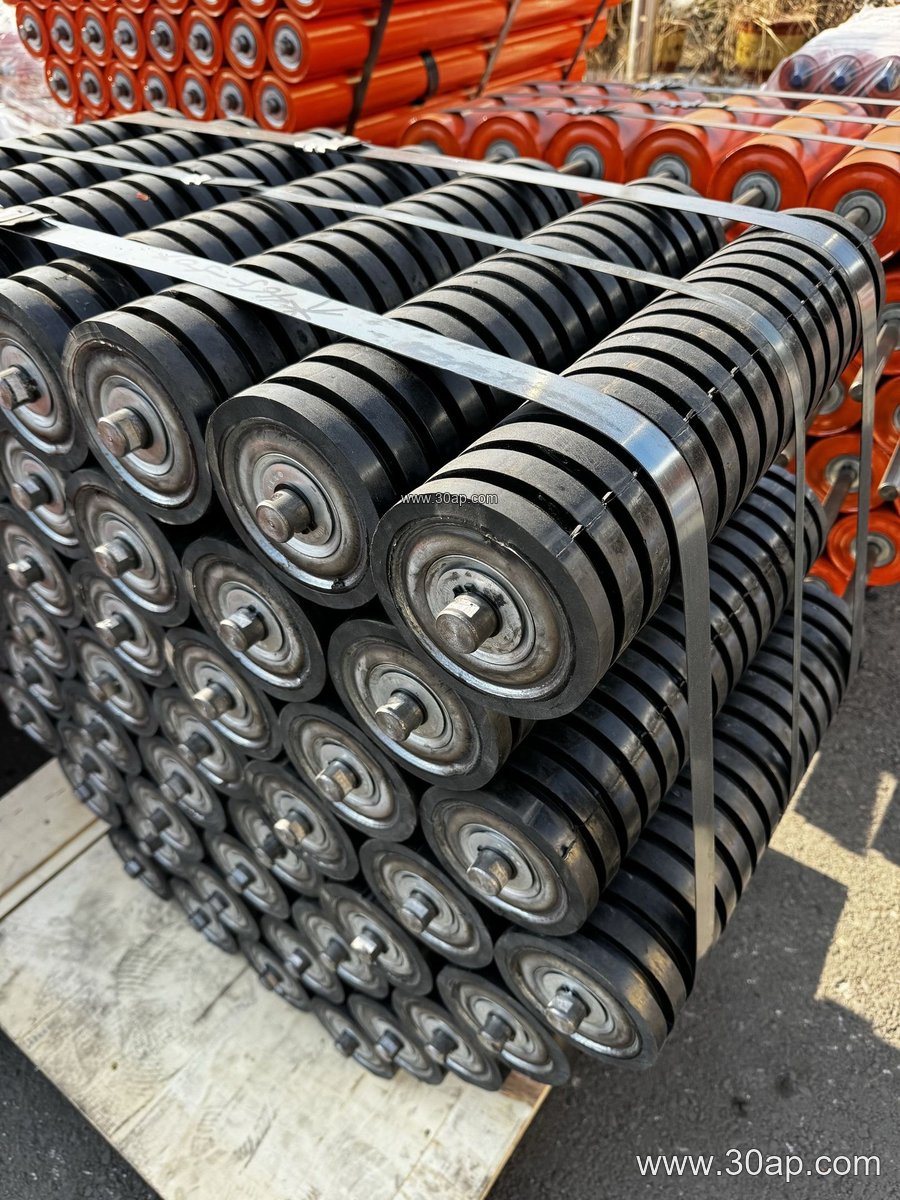
Surface form is another choice. A plain steel shell suits general duty. A rubber ring or ceramic sleeve can be used where build-up, impact, or abrasion is a concern. Bearing numbers such as 6204, 6205, 6305, 6306, 6308, and 6310 are common in the range, but no single bearing is tied to one roller diameter. The seal design often decides service life in dusty conditions such as a stone crushing line or a limestone mine.
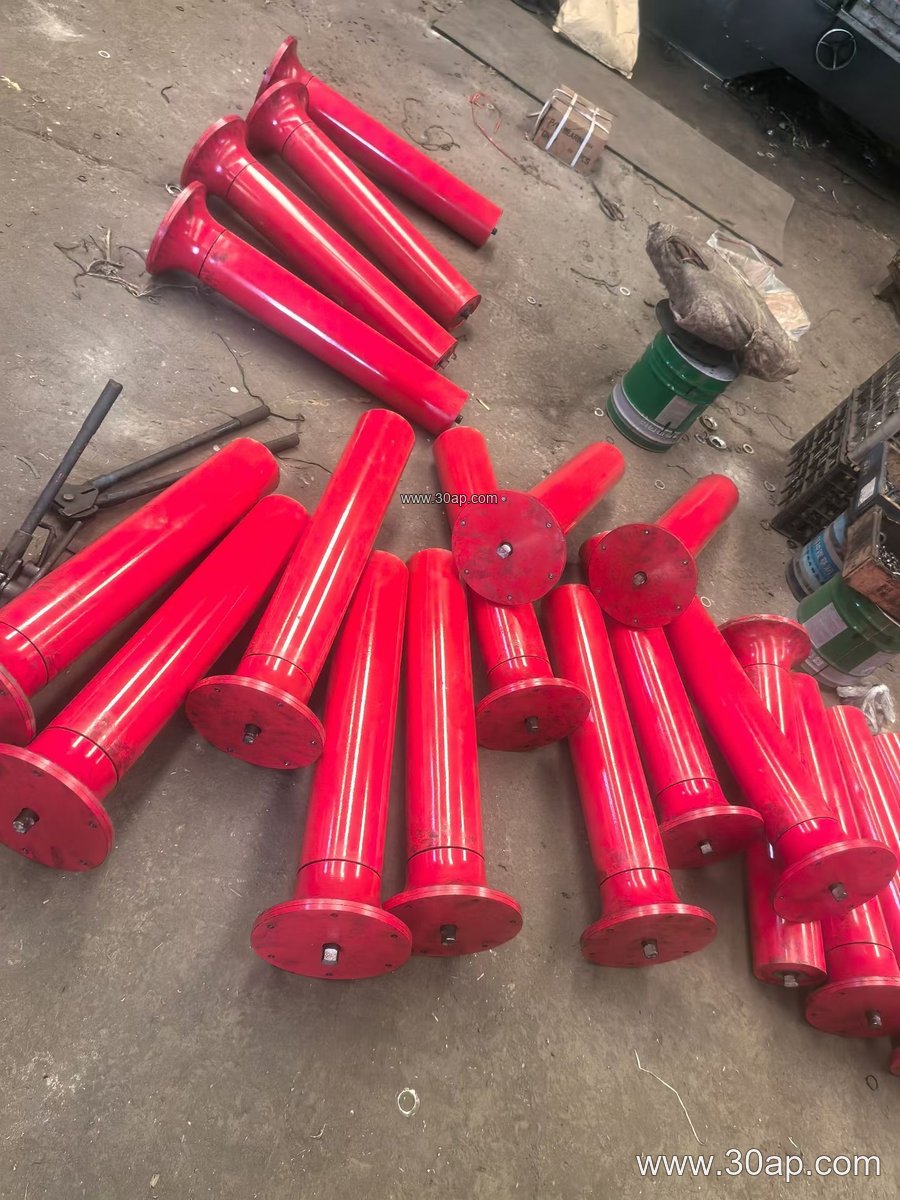
Common Reference Data
The values below are typical references for planning, not fixed supply promises. Final sizes follow the conveyor design, belt width, trough angle, and load.
- Roller diameter: Ø63, Ø76, Ø89, Ø102, Ø108, Ø127, Ø133, Ø159, Ø178, Ø194, Ø219 mm
- Belt width: B400, B500, B650, B800, B1000, B1200, B1400, B1600, B1800, B2000, B2200, B2400
- Trough angle: 20, 30, 35, 45 degrees
- Troughing set: single roller, two-roller, three-roller
Roller length changes with belt width, trough angle, and set type. For example, a three-roller troughing set often uses about 200 mm rollers at B500, 250 mm at B650, 315 mm at B800, 380 mm at B1000, 465 mm at B1200, 530 mm at B1400, 600 mm at B1600, 670 mm at B1800, and 750 mm at B2000. Side rollers and center rollers can differ, so these are examples only.
Where Steel Idlers Are Used
Steel idlers appear wherever a conveyor belt carries bulk material. In a sand and gravel plant, troughing idlers shape the belt to keep aggregate centered. In a cement plant, return idlers support the empty belt and reduce sag. In a coal-fired power plant, sealed idlers help keep coal dust out of the bearings. Impact idlers with rubber rings are often placed below the loading point, while a self-aligning idler is used where the belt tends to wander.
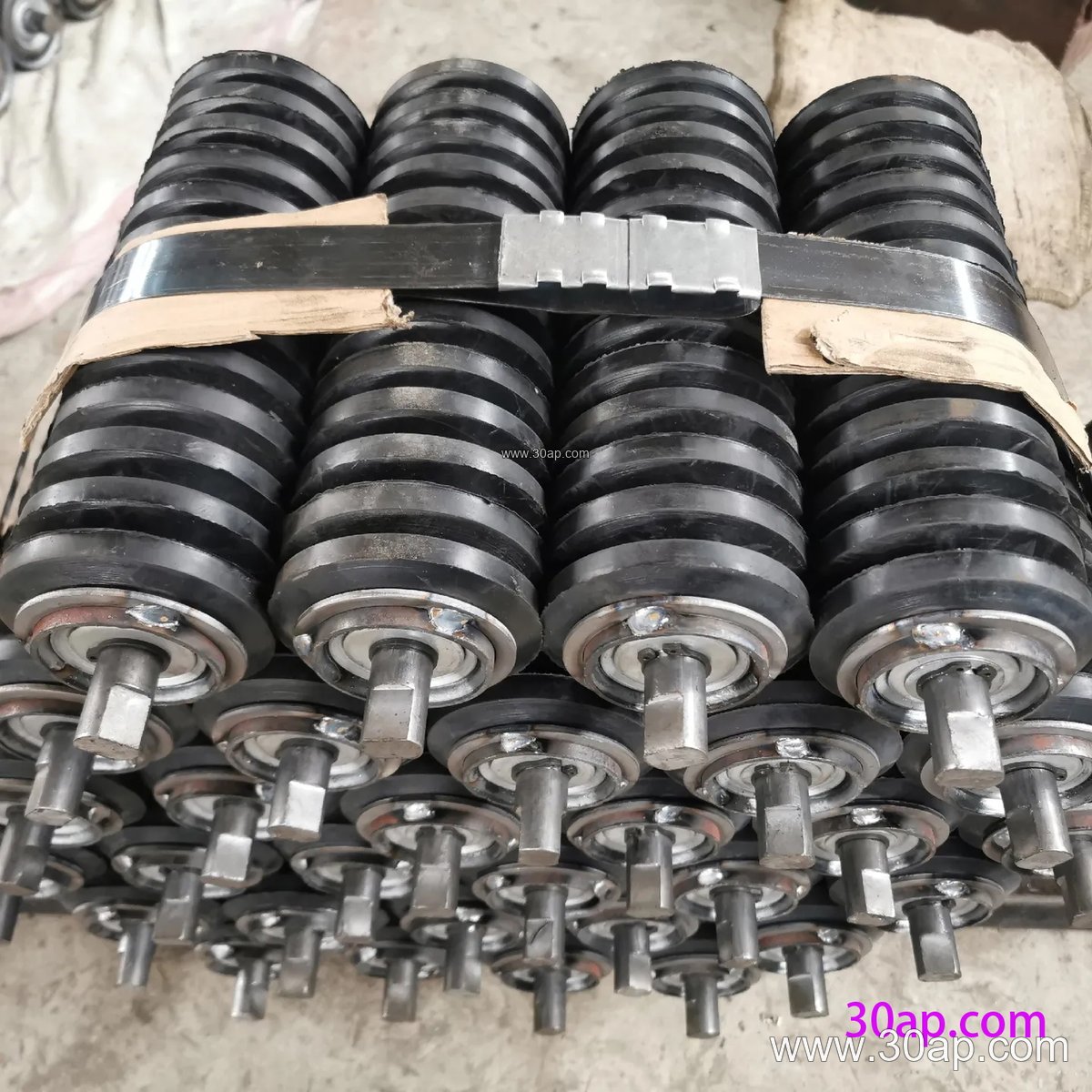
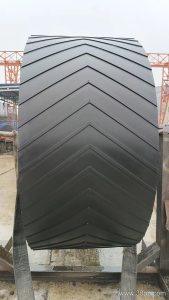
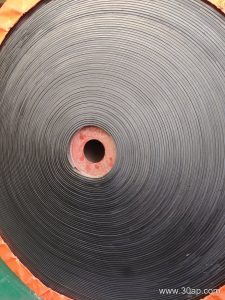
The belt itself is part of the same system. A heavy-duty mining conveyor belt or an abrasion resistant conveyor belt may need a sturdier roller set than a light-duty line, and the idler spacing should follow the belt sag limit. Matching idlers to the belt, the conveyor pulley, and the bracket is the practical way to avoid premature failure.
Buyer Checklist
- Confirm belt width, trough angle, and whether the position is carrying, return, transition, or impact duty.
- Check roller diameter, shell thickness, shaft size, and bearing type as a set.
- Ask about seal type and lubrication for dusty or wet sites.
- Confirm roller length and mounting dimensions for the existing conveyor bracket.
- Review the belt specification, since a steel cord conveyor belt and a fabric core conveyor belt can call for different support spacing.
- Keep spare idlers for high-wear positions instead of waiting for a breakdown.
For a reliable line, treat the steel idler as a wear part with a defined duty, not as a generic roller. The right diameter, bearing, seal, and surface form will keep the belt running smoothly in mines, quarries, cement works, and power stations alike.